REVIEW · TOKYO
Tokyo Imperial Palace Historical Walk and Food Tasting Tour
Book on GetYourGuide →Operated by Fantasy Travel Japan · Bookable on GetYourGuide
Imperial Tokyo tastes different on this walk. You get traditional snack timing inside the Imperial Palace grounds and a focused walk through Edo-era sites that explain how Tokyo changed from shogun power to modern Japan. One drawback to plan for: you will not enter the emperor’s residence area, and you’ll go through a security check before entering the palace grounds.
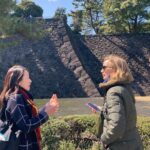
I really like the guide-led style here. In the guide names that pop up most often, you’ll see people like Masa and Rini delivering clear, friendly context, plus lots of practical pointing for what’s worth photographing. And you’re not stuck reading plaques on your own.
The route is mostly outdoors, rain or shine, so dress for walking. Also, this isn’t for wheelchair users, since it’s built around steps and uneven ground in the palace area.
In This Review
- Quick Take Before You Go
- Where the Tour Starts: Starbucks by Wadakura Fountain Park
- Why the Imperial Palace Grounds Feel Different From Typical Tokyo Sights
- Edo Castle Remnants: The Real Story You’ll Walk Through
- Sakurada Tatsumi Yagura to Ote-Mon Gate: Defensive Structures, Not Just Old Walls
- Guardhouses, a Garden Break, and the Ninomaru Calm
- Suwa no Chaya and Todofuken no Ki: Small Stops With Big Cultural Texture
- From Imperial Kitchen Site to Edo Castle Ruins: Connecting Palace Life to Old Power
- Stone Hut East Gardens to Fujimi Defensive Points: Reading the Grounds Like a Map
- Honmaru Main Hall Site and Naka-no-Mon Area: The Center of Gravity
- The Food Tasting Moment: One Limited Imperial Snack
- Price and Value: Is $19 Worth It for Two Hours?
- Timing, Walking Pace, and What to Wear
- Who This Tour Fits Best (And Who Should Skip It)
- Should You Book This Imperial Palace Food Walk?
- FAQ
- How long is the Tokyo Imperial Palace Historical Walk and Food Tasting Tour?
- Where does the tour start?
- What is included in the price?
- Do you get to enter the emperor’s residence?
- Is there a security check?
- How much of the tour is outdoors?
- Is the tour wheelchair accessible?
- What should I bring?
- Are pets allowed?
- Are there any prohibited items?
- What’s the cancellation policy?
Quick Take Before You Go
- Limited imperial snack: one traditional item that’s only available at the palace stop during the tour
- Edo Castle storytelling: gates and guardhouses tied to the old shogun-era layout
- Easy meeting spot: Starbucks near Wadakura Fountain Park makes starting simple
- Photos planned in motion: you’ll be shown where to stand for good shots
- Short, steady pacing: about two hours of walking, not a half-day slog
Where the Tour Starts: Starbucks by Wadakura Fountain Park
I like that the day begins somewhere easy to find: Starbucks Coffee at 皇居外苑 和田倉噴水公園店. It’s a solid anchor point in a busy city, and it helps you avoid the usual stress of guessing exactly where a tour leader will stand.
Your guide holds a sign with a Fantasy Travel logo. That small detail matters when you arrive slightly early, because you can match the name and move on with zero drama.
From there, you transition into the Imperial Palace outer area. Even before you reach the palace grounds, you’re already in the right mindset: Tokyo’s history is right there, but it’s not always labeled in a way that a casual walk would catch.
You can also read our reviews of more tours and experiences in Tokyo.
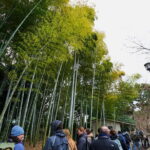
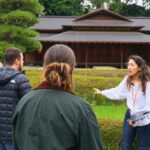
Why the Imperial Palace Grounds Feel Different From Typical Tokyo Sights
The Imperial Palace is the most important place for Japanese people. That’s not just tourism copy. You can feel the difference in how the area is treated: respectful, quiet in places, and clearly designed around long-term tradition.
The key practical point is also the biggest expectation-setter. The emperor’s residence is not open to the public. What you can access is the palace grounds, including paths, gardens, and historical structures tied to earlier eras of rule. So you’re learning how power and defense worked in older Tokyo, then seeing how that story fits into the modern seat of the imperial family.
And yes, you’ll need to pass a security check to enter the grounds. That’s normal here. Plan to arrive with a little buffer and keep your pockets calm—no sharp objects, no extras you won’t need.
Edo Castle Remnants: The Real Story You’ll Walk Through
This tour isn’t about collecting random landmarks. It’s about connecting dots from Edo Castle to what you see today inside the Imperial Palace area.
Tokyo’s earlier center of gravity was built around the shogun’s world. The Imperial Palace grounds sit on top of that older layout. So when you walk past a gate, a guardhouse, or a garden feature, your guide’s job is to help you see what it used to mean.
Here’s the pattern you’ll feel across the stops: structure first, purpose second, context third. Gates and watchtowers aren’t just old stone. They’re part of a defensive system and a way of managing access.
Sakurada Tatsumi Yagura to Ote-Mon Gate: Defensive Structures, Not Just Old Walls
One of my favorite parts of this tour is how early it gives you the “how Tokyo worked” framework.
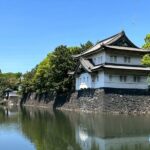
You start with Sakurada Tatsumi Yagura, a site that sets the tone: this is where you begin to understand the palace as a layered defensive landscape. Next comes the Ote-Mon Gate. A gate sounds simple, but in Edo-era design it’s a controlled chokepoint—someone decides who moves forward and who doesn’t.
Then you move on to guard-focused stops, including the Constable Guardhouse and the Hyakunin Bansho Guardhouse. Those names might look like just labels on a map. With a good guide, they become a picture of how people managed security and how daily movement was regulated around important areas.
If you like history that explains why buildings exist—not just when they were built—this section is the payoff.
Guardhouses, a Garden Break, and the Ninomaru Calm
After the early defensive stops, the route shifts in tone. You’ll visit Ninomaru Garden, and this is where the experience slows down in a good way.
Gardens in this part of Japan aren’t only for pretty photos. They’re part of how power and aesthetics were combined—space designed for viewing, strolling, and controlled atmosphere. You’re still inside a site shaped by authority, but now you’re experiencing it through paths and seasonal cues.
This is also a good place to reset your legs and your brain. The tour is only about two hours, but you’ll still do enough walking for it to feel like you actually toured, not just watched.

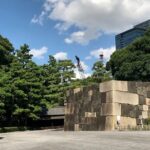
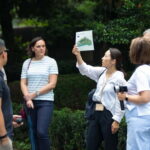

Suwa no Chaya and Todofuken no Ki: Small Stops With Big Cultural Texture
After the garden, you hit 諏訪の茶屋 (Suwa no chaya), a spot tied to the tea-house tradition and a little shopping time. It’s brief—so don’t treat it like a market crawl—but it adds texture to the day.
Next is 都道府県の木 (Todofuken no Ki), a feature that connects the Imperial Palace environment to Japan’s prefectural identity. Even if you don’t catch the full meaning at first glance, your guide’s explanation helps you read it as more than decoration.
These are the stops that make the tour feel lived-in rather than strictly chronological.
From Imperial Kitchen Site to Edo Castle Ruins: Connecting Palace Life to Old Power
Then the route moves back into the core historical engine: what used to be important inside the complex.
You’ll visit the former site of Edo Palace Ooku, often described as the imperial kitchen area. That matters because it reminds you that ruling wasn’t only about ceremonies and armies. There was a working world around daily life, food preparation, and the logistics that kept the court moving.
After that, you’ll see Edo Castle ruins. This is where the guide’s job becomes especially valuable. Ruins can look vague if you’re walking solo. With context, you can understand what you’re looking at and why specific areas were placed where they were.
Stone Hut East Gardens to Fujimi Defensive Points: Reading the Grounds Like a Map
In the middle of the walk, you’ll move through Stone Hut (Imperial Palace East Gardens) and then into more defensive-themed areas such as Fujimi-tamon Defense House and Fujimi-yagura.
This is an important section for anyone who likes structure-based sightseeing. It’s not just “old buildings.” You start to see the palace grounds as a series of controlled zones and purpose-built viewpoints, including how the complex would have supported movement and security.
If you’re a photo person, this is also where your camera will earn its keep. The tour includes photos and places for photos, and the guide’s pointing helps you avoid standing in the wrong spot with a flat view.
Honmaru Main Hall Site and Naka-no-Mon Area: The Center of Gravity
You’ll reach the Site of Edo Castle Honmaru (Main Hall) area, with a short shopping moment along the way. Honmaru is the idea of a center—where power concentrates. In older castle design, Honmaru isn’t just a building. It’s the concept of authority with a physical address.
Then you pass the 中之門跡 (Naka-no-mon ruins), followed by the Obansho guardhouse.
By now, the big win is that you’re not seeing these as separate sights. You’re reading them as parts of one plan. That’s the difference between a casual walk and a guided historical walk: the guide helps your eyes connect what your brain might otherwise treat as isolated points.
The Food Tasting Moment: One Limited Imperial Snack
Here’s the reason to consider this as more than a history stroll. You get one traditional snack only at the Imperial Palace. The item is limited to this kind of tour timing, which means it’s not something you casually grab later from a random shop.
This stop is a useful reminder of how food turns history into something you can actually experience, not just memorize. Even if you’re not a big snacker, it gives the tour a human pace. You’ll pair the walking with something that feels local and intentional.
Also included is one drink from a vending machine near the shop. Simple, but it’s a practical touch. Japan vending drinks are everywhere, yet having a planned one during the walk saves you the guessing game and keeps your energy steady.
Price and Value: Is $19 Worth It for Two Hours?
At $19 per person for about two hours, the value comes from three areas, not one.
First, you’re paying for an English-speaking guide who connects the dots between Edo Castle-era structures and the modern Imperial Palace setting. Without context, a lot of stone and gates would blur together.
Second, you get included extras that reduce friction: one limited snack at the palace and a vending drink. Even if you’d happily pay for the snack on its own, you’d still want the guide for the historical meaning.
Third, the tour includes photo guidance. You’re not just wandering with a group. You’re being pointed to good angles and useful viewing spots.
So the real question isn’t whether $19 sounds cheap. It’s whether you want interpretation along with access and a specific food moment. If yes, this price lands in a good zone.
Timing, Walking Pace, and What to Wear
This is a walking tour and a good portion is outdoors. The tour runs around two hours, which is long enough to feel satisfying but short enough to fit into a full Tokyo day.
Plan for weather: rain or shine. Wear comfortable shoes and clothes you can walk in without worrying about slipping, blistering, or getting soaked. Sports shoes are a smart choice.
You should also bring a camera if you care about photos. There are plenty of photo spots, and the guide helps you position correctly.
Who This Tour Fits Best (And Who Should Skip It)
This works especially well if you like:
- Edo-period context tied to real places you can stand in front of
- guided explanations that turn gates and guardhouses into a story
- a short food payoff instead of a long sit-down meal
You should skip it if:
- you use a wheelchair, since it’s not suitable for wheelchair users
- you prefer sightseeing where you choose every step alone, since this is structured around specific stops
- you want access to the emperor’s residence itself, since that area is not open to the public
Should You Book This Imperial Palace Food Walk?
I’d book it if you want an efficient two hours that mixes Tokyo’s imperial setting with Edo Castle history and a genuinely included food moment. The snack and the drink give the tour a nice break, and the guide adds the missing layer that turns static sights into something you can actually understand.
Book it later only if you already feel confident reading the Imperial Palace area on your own. If you’re the type who likes turning photos into knowledge, this tour is a good bet.
If you’re traveling on uncertain timing, this operator also offers reserve now and pay later plus free cancellation up to 24 hours in advance. That flexibility matters when Tokyo weather and schedules can change fast.
FAQ
How long is the Tokyo Imperial Palace Historical Walk and Food Tasting Tour?
It lasts 2 hours.
Where does the tour start?
The meeting point is スターバックス コーヒー 皇居外苑 和田倉噴水公園店.
What is included in the price?
You get an English-speaking guide, photos and places for photos, 1 traditional snack at Imperial Palace, and 1 drink from a vending machine.
Do you get to enter the emperor’s residence?
No. The emperor’s residence is not open to the public.
Is there a security check?
Yes. You have to go through a security check to enter the Imperial Palace grounds.
How much of the tour is outdoors?
A good portion is outside, so you should dress for the weather (rain or shine).
Is the tour wheelchair accessible?
No. It is not suitable for wheelchair users.
What should I bring?
Bring comfortable shoes and comfortable clothing (sports shoes are recommended). A camera can also help since there are many photo spots.
Are pets allowed?
Pets are not allowed. Assistance dogs are allowed.
Are there any prohibited items?
Yes: weapons or sharp objects, drones, bikes, and alcohol and drugs are not allowed.
What’s the cancellation policy?
You can cancel up to 24 hours in advance for a full refund.