REVIEW · TOKYO
Tokyo: Imperial Palace and Shogun Historical Walking Tour
Book on Viator →Operated by Traveling Tokyo · Bookable on Viator
This is Tokyo’s royal past on your feet. I love the small-group pace and the way the guide ties today’s Imperial Palace to what stood here in the Edo period, so you actually understand what you’re seeing. One possible drawback: the tour can feel like a history lesson, and if you prefer short answers and lots of wandering time, the guide’s story-heavy style may slow your pace.
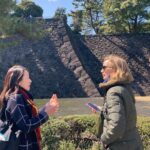
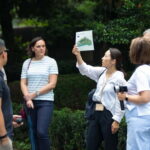
You’ll meet at Starbucks Coffee in Kokyo Gaien (Wadakura Fountain Park area) and get going with a guide who keeps things conversational. I especially liked that guides such as Blake, Jim, Miguel, and Tony weren’t just reciting facts; they made room for questions and pointed out details you could easily miss when you’re sightseeing solo.
Most of your time is spent inside the East Gardens, walking past stone gates, sections of former castle structure, and into quieter garden space. Expect around 2 hours of guided walking, with an admission ticket included, plus a mobile ticket to keep things simple.
In This Review
- Quick hits before you go
- Why this Imperial Palace walk makes sense (and not just because it’s famous)
- Meeting at Starbucks (Kokyo Gaien) and how the start shapes your day
- The East Gardens route: Edo Castle Ruin foundations, gates, and wall remnants
- What you might miss if you go alone
- Ninomaru Garden: where the pace slows and details start to matter
- Why paying for a guide is worth it here (even though entry is free)
- Price and what you’re really getting for $22
- Pace, walking, and the type of guide interaction you should expect
- Who should book this Imperial Palace East Gardens tour?
- Should you book it? My take
- FAQ
- FAQ
- How long is the Tokyo Imperial Palace East Gardens walking tour?
- How much does the tour cost?
- Where do I meet the tour?
- Is the admission ticket included?
- What group size should I expect?
- Do I need a physical ticket?
Quick hits before you go
- Start at a clear, easy meeting point: Starbucks in Kokyo Gaien near public transport
- Small group (max 15) keeps the pace calm and questions possible
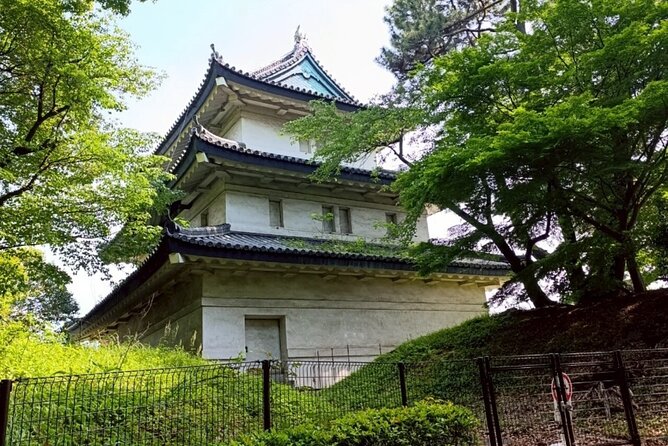
- Edo Castle ruins context: stone gates, wall remnants, and the keep foundation area
- Ninomaru Garden stop: ponds and seasonal flowers with a guided explanation
- Guide storytelling matters: people praised how it made the grounds feel meaningful, not just scenic
Why this Imperial Palace walk makes sense (and not just because it’s famous)

Tokyo is full of impressive sights, but the Imperial Palace East Gardens can feel oddly hard to “read” if you go in cold. You see walls, gates, and garden paths, yet you might not know what each part used to do in the Edo-era world of shoguns and feudal lords. This tour’s big value is that the guide gives you a mental map, so the place turns into a story you can follow step by step.
I also like that the experience is built for a relaxed rhythm. Instead of racing from one photo spot to the next, you move at a walking pace that lets you look closely at stonework, layout, and garden design. And when you want to ask questions, guides like Jim and Miguel are the type who keep the conversation going, not shutting it down after a quick answer.
The gardens are free to enter on your own, so you’re not paying to access the space. You’re paying for time with a guide who can connect the dots between the former Edo Castle grounds and what the Imperial Palace area represents today.
You can also read our reviews of more tours and experiences in Tokyo.
Meeting at Starbucks (Kokyo Gaien) and how the start shapes your day
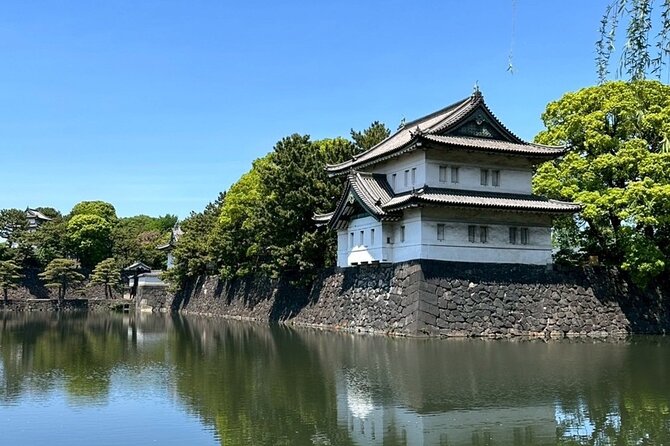
Your tour begins at Starbucks Coffee – Kokyo Gaien Wadakura Fountain Park, 3-1 Kōkyogaien, Chiyoda City, Tokyo. That’s a practical choice because it’s easy to find and you can get oriented quickly before you meet your guide.
Arrive with a little buffer. One experience described a stressful situation when the tour left without them and the palace closing time became an issue. You can’t control closure times, so give yourself margin and don’t roll in at the last second.
You’ll also want to have your mobile ticket ready on your phone. This helps you avoid rummaging around, especially if your phone reception is spotty. Once you’re matched up with your group, the tour stays compact and organized, and that matters because this area involves walking on uneven pavement and garden paths.
The East Gardens route: Edo Castle Ruin foundations, gates, and wall remnants
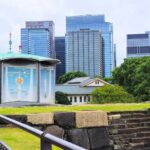
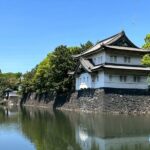
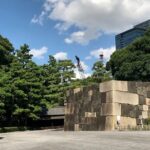
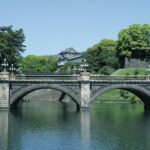
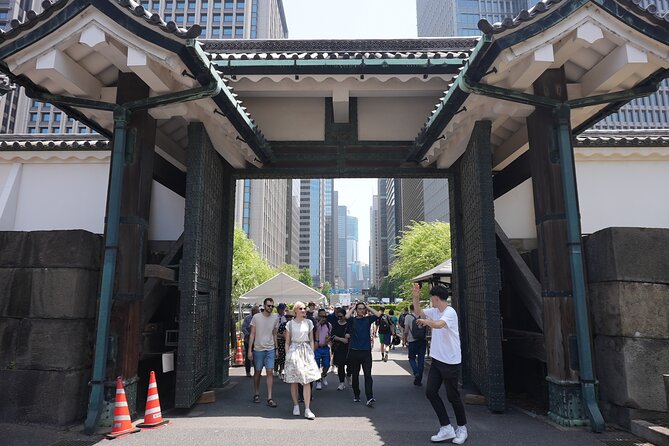
The heart of the walk is the East Gardens with a guided route through the Edo Castle ruin area. Here’s what you can expect: stone gates that feel ceremonial, remnants that hint at the scale of older fortifications, and garden space that’s designed to be enjoyed at human speed. Even if you’ve read some history before, the guide’s job is to point at physical clues and explain what they meant.
A standout moment is being guided near the foundation of the once-mighty castle keep. Standing in that kind of spot changes how you picture the past, because you’re not just hearing a description. You’re placing it in space, and suddenly the walls and gates make practical sense in your head.
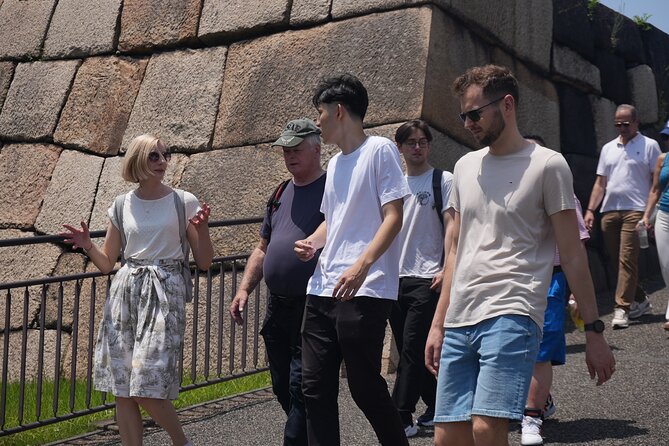
Guides like Tony were praised for making the group stay together and keeping the flow smooth between stops. That’s not a small thing in Tokyo, where it’s easy to drift off when crowds pick up. In this setting, cohesion helps you focus on what’s in front of you instead of constantly checking where everyone went.
One more thing to expect: the tour includes walking and there can be some slopes. If you’re coming from another nearby sight, take comfortable shoes seriously. The Imperial Palace area is pleasant, but it isn’t a sitting-down museum experience.
What you might miss if you go alone
If you wander without a guide, you’ll likely admire the gardens and the architecture. But it’s easy to miss the why behind the layout—how stonework, gates, and garden arrangement connect to the feudal landscape that preceded the modern imperial grounds. The guides who led this walk, including Blake, Jim, and Dylan, were repeatedly praised for translating those cues into clear explanations.
Ninomaru Garden: where the pace slows and details start to matter
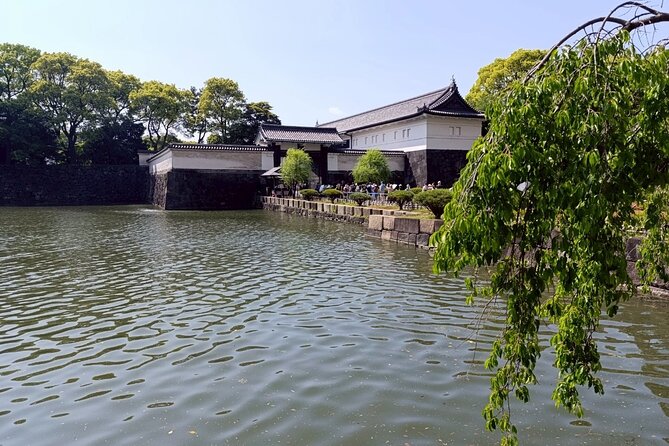
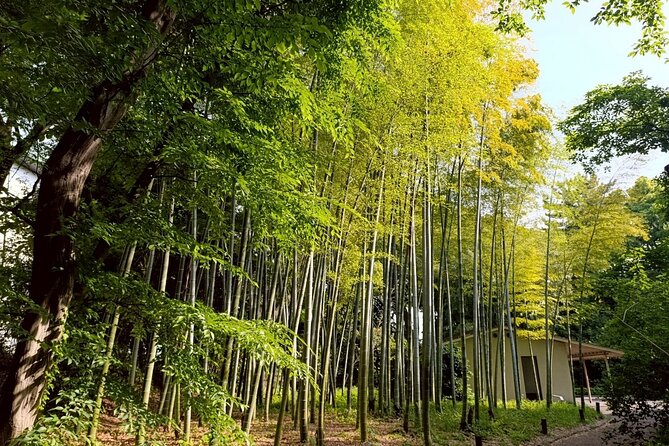
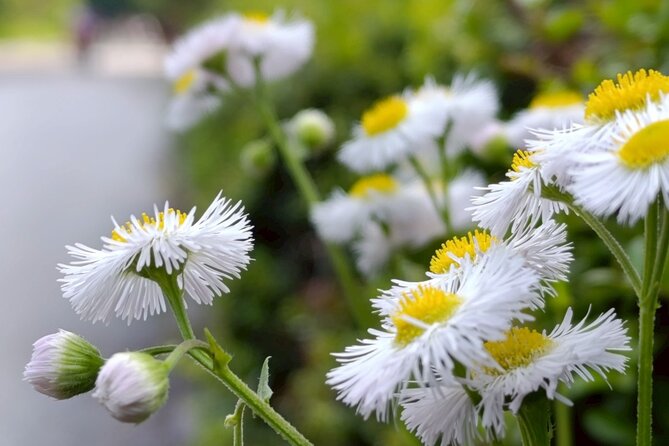
The walk doesn’t stay all about fortress history. You’ll also head through Ninomaru Garden, which is known for refined garden artistry. The focus here is on how seasonal flowers and tranquil pond views work together, creating calm contrast to the earlier “heavy stone and walls” mood.
This part is where I think the tour hits its sweet spot. You get a moment to slow down and look. Ponds and garden lines are easy to photograph, but they’re even more rewarding when you understand what the design is trying to do.
Guides often connect the aesthetic choices to the Edo period way of thinking about spaces for leisure and order. If you’ve ever felt like Japanese gardens are just beautiful shapes, this kind of narration can help you read them like a layout, not only like scenery.


Why paying for a guide is worth it here (even though entry is free)
You can absolutely visit the Imperial Palace East Gardens on your own. But the guide adds three things that are hard to replace with a map and a few lines of online reading.
First, you get real-time interpretation. The guide points out features and explains what they suggest, right when your eyes land on them. That keeps your attention where it belongs.
Second, you get context that links eras. Several people highlighted how guides made the story connect to both Edo-era structures and the Imperial family. Guides like Miguel and Tony were praised for giving that modern-and-historical bridge, so you don’t feel stuck in one time period only.
Third, you get a conversation, not a lecture wall. Many guides were described as friendly and patient with questions. That’s especially useful if your Japan background is light and you’re trying to get your bearings fast.
All of that matters for value. At $22 per person, you’re paying for about two hours of guided orientation plus an admission ticket included. If you’d otherwise spend that time wandering without understanding what you’re looking at, the tour can feel like a smart shortcut to actually enjoying the place.
Price and what you’re really getting for $22
Let’s talk value in plain terms. This tour costs $22 per person and runs about 2 hours. The admission ticket is included, so you’re not paying extra at the gate just to step inside the grounds.
You’re also getting small-group attention. With a cap of 15 travelers, it’s easier for the guide to keep track of your group and easier for you to hear explanations. That’s a major difference from big bus-style tours, which often rush or keep explanations broad.
So the question isn’t whether the grounds are free. It’s whether you want to spend free time without context, or pay a modest amount for a guide to give you a working understanding in one visit. For most people, that’s the trade they’re looking for: better comprehension without adding a day to the itinerary.
Pace, walking, and the type of guide interaction you should expect
This is a walking tour, and it sticks to the garden/ruin area rather than bouncing between far-apart neighborhoods. The upside is fewer logistics headaches. The downside is you’re on your feet for the full experience, and you may encounter some uneven garden paths and gentle slopes.
The other pacing factor is how history-heavy the narration can feel. Some people liked it so much it became a highlight. Others felt the guide repeated or explained too much. If you’re the type who wants quick answers and more freedom, consider whether you’ll enjoy a structured story at each stop.
Guide styles seem to vary by person, and names like Aya, Izzy, and John show how different guides can lean into storytelling, clarity, or extra helpfulness. The common thread in high praise is that the guides stayed engaging and made the grounds meaningful.
Who should book this Imperial Palace East Gardens tour?
Book it if you want the Imperial Palace area to make sense. If you love architecture, garden design, or anything tied to Japan’s political transitions, you’ll likely enjoy how the guide connects stones, gates, and spatial layout to the Edo-era setting.
It’s also a good option when your Japan trip has gaps. If you’ve got a busy schedule and you need a one-visit orientation, this kind of guided context can turn a “nice walk” into a “now I get it” experience.
On the other hand, skip it if you dislike history narration. Also skip it if you want a slow, independent stroll with minimal structure. The tour’s whole value is the guide’s interpretation, so if that’s not your thing, you might prefer exploring freely.
Should you book it? My take
I’d book this tour if your goal is understanding, not just photos. With the small-group format, included admission, and guides who explain how Edo Castle grounds connect to today’s Imperial Palace East Gardens, it’s one of the more straightforward ways to get meaningful context in Tokyo without turning it into a day-long history seminar.
If you do book, show up early and wear comfortable shoes. Then let the guide do the heavy lifting. You’ll walk through the gates, look at the garden, and leave with a clearer sense of what used to be here and why it mattered.
FAQ
FAQ
How long is the Tokyo Imperial Palace East Gardens walking tour?
The tour lasts about 2 hours.
How much does the tour cost?
It costs $22.00 per person.
Where do I meet the tour?
You meet at Starbucks Coffee – Kokyo Gaien Wadakura Fountain Park (3-1 Kōkyogaien, Chiyoda City, Tokyo 100-0002, Japan).
Is the admission ticket included?
Yes. An admission ticket is included.
What group size should I expect?
The tour has a maximum of 15 travelers.
Do I need a physical ticket?
No. You’ll use a mobile ticket.