REVIEW · TOKYO
Tokyo Private Tour! Edo Castle & Imperial Palace East Gardens
Book on Viator →Operated by gotcha · Bookable on Viator
A quiet palace lesson in Tokyo. This private 2-hour tour of the Imperial Palace East Gardens helps you connect the gardens to Japan’s imperial and Edo-era story, without spending your time figuring out routes.
I especially like the guided storytelling during the stroll, from the Japanese special garden details to the old bridge moments, plus easy photo opportunities around key spots like Ote-mon Gate. When the guide is strong, the place starts to make sense fast—something you won’t get if you just wander.
One consideration: this tour is East Gardens only. It does not go inside the Imperial Palace, and the Inner Palace admission is not included—so if your main goal is an interior palace visit, you’ll want to adjust your expectations.
In This Review
- Key highlights you’ll feel right away
- Imperial Palace East Gardens: what you’re actually signing up for
- The 2-hour flow: how the timing works in real life
- Stop by stop: East Gardens highlights from Ote-mon Gate to Edo Castle ruins
- Imperial Palace East Gardens walk
- Edo Castle Ruins and Ninomaru Garden context
- Ote-mon Gate photo moment
- Why the guide matters: examples from the tour’s best sessions
- Entry rules at the palace grounds: the part people skip reading
- Value check: is $65.41 per person worth it?
- When this tour feels best: who should book it
- Should you book this private palace walk?
- FAQ
- FAQ
- How long is the Imperial Palace East Gardens private tour?
- Is this tour inside the Imperial Palace?
- What parts of the area will the guide cover?
- What is included in the price?
- Do I need to buy an admission ticket separately?
- Where does the tour start and end?
- Is it a private tour?
- Is there an entry inspection when arriving at the Imperial Palace grounds?
- What is the cancellation policy if I need to change plans?
- What happens if the tour is canceled due to minimum travelers?
Key highlights you’ll feel right away
- A true private walk (your group only) with a guide who handles navigation so you don’t lose time
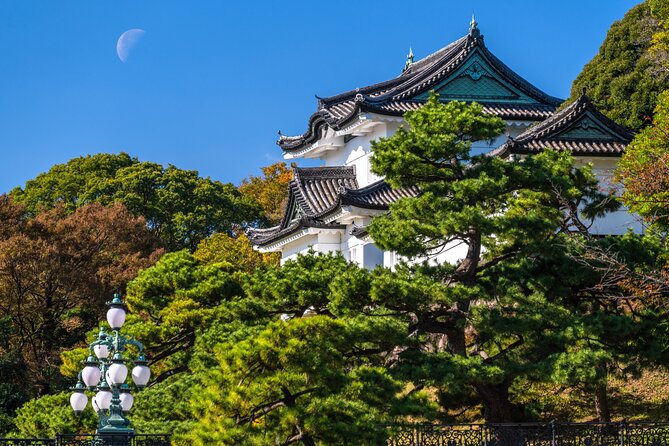
- Imperial Palace East Gardens context, including Edo Castle Ruins and Ninomaru Garden stops
- Photo-friendly pacing, with frequent pauses to look closely at gates, bridges, and garden features
- Guides who bring the story to life, with many English-speaking favorites like Mikio, Shigeri, Yoshiko, Akiyoshi, and Ishida
- Important entry rules, including baggage inspection at the palace grounds
Imperial Palace East Gardens: what you’re actually signing up for
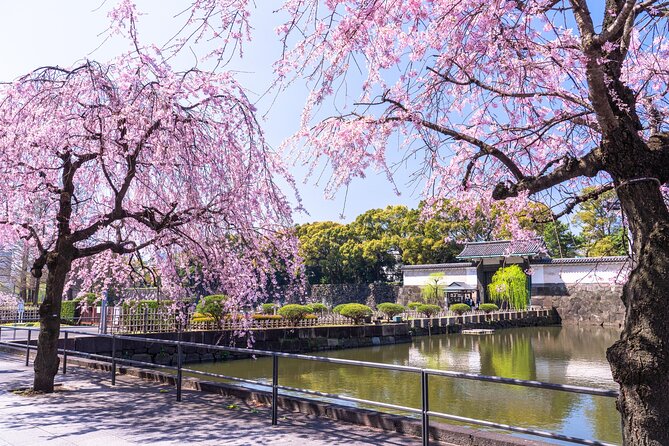
This is a guided walk through the Imperial Palace East Gardens, and that’s the important line to read twice. You’ll spend your time in the outer grounds—beautiful, calm, and historically layered—rather than inside buildings or behind the kinds of doors tourists usually dream about.
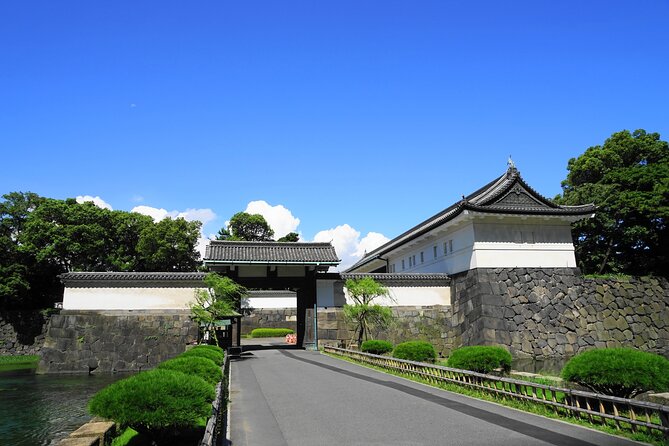
What you do get is the connective tissue between the modern imperial setting and the earlier Edo period. The tour’s route is built around the sense of place: you’ll see highlights like the Edo Castle Ruins, Ninomaru Garden, and Ote-mon Gate, and you’ll hear how these areas relate to imperial history. You also get to slow down enough to notice the little things—garden design, old-bridge symbolism, and heritage structures—without needing to decode maps on your phone.
And yes, it’s still a real walk. You’re there for the setting and the story, not for a fast bus ride and a photo-and-go circuit.
You can also read our reviews of more tours and experiences in Tokyo.
The 2-hour flow: how the timing works in real life
The tour runs about 2 hours. That sounds short, but it’s a good length for central Tokyo: long enough to feel like you did more than just “arrive,” short enough that you still have energy for the rest of the day.
The meeting point is Wadakura Fountain National Park (3-1 Kōkyogaien, Chiyoda City, Tokyo 100-0002), and the tour ends back at the same place. In practice, that helps you plan your afternoon because you’re not finishing somewhere far away with complicated transport.
Your guide takes care of the navigation and the route decisions. That’s not just convenience. It changes how you experience the gardens: you can focus on what’s in front of you instead of constantly checking where you are in an unfamiliar layout.
If it’s hot, bring common sense. One review mentions umbrellas and neck coolers being provided by the guide, which tells you the experience can be adjusted for weather comfort. Still, don’t rely on gear you don’t pack—plan for sun and walking.
Stop by stop: East Gardens highlights from Ote-mon Gate to Edo Castle ruins
Even though the plan lists Imperial Palace as the main stop, it helps to think of your time as a sequence of garden-and-history zones.
Imperial Palace East Gardens walk
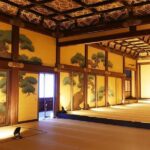
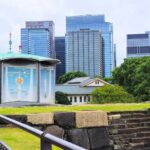
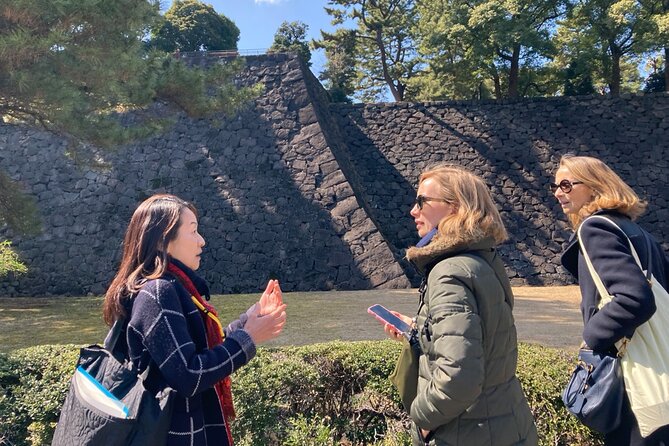
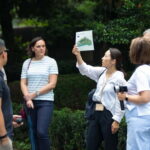
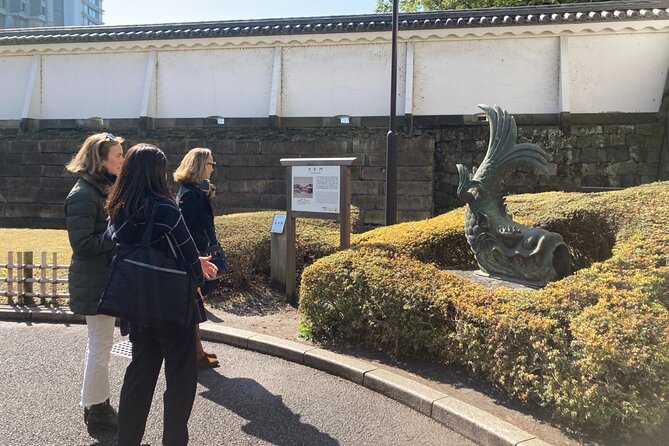
You start with the grounds themselves: walking through areas with nature, a Japanese special garden, and an old bridge feature. You’ll also get views of historical buildings and heritage around the perimeter. The guide’s job is to point out what you’re seeing and explain why it matters, including the role of the royal family in Japan’s history.
This is where the tour can feel especially worthwhile. On your own, you might admire the scenery and miss the layers: what the space is meant to represent, how imperial-era design connects to older power structures, and why certain points in the garden draw attention.
Edo Castle Ruins and Ninomaru Garden context
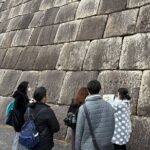
The route also includes spots tied to the earlier Edo Castle Ruins and Ninomaru Garden. This is a great match for first-timers who have heard terms like shogun or Edo period but never had the story threaded together in a way that makes sense in the real place.
If you like history that feels grounded, this approach helps. You’re not just reading dates. You’re walking through the kinds of areas that shaped the capital’s layout and identity.


Ote-mon Gate photo moment
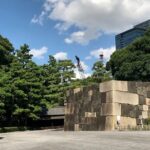
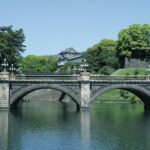
You’ll hit Ote-mon Gate, one of those garden landmarks that gives you a strong “I’m really in Tokyo history” feeling. Expect it to be a natural pause point for photos. The guide will also help you orient the setting so your pictures aren’t just random gate shots, but visuals tied to the story you’re hearing.
Why the guide matters: examples from the tour’s best sessions
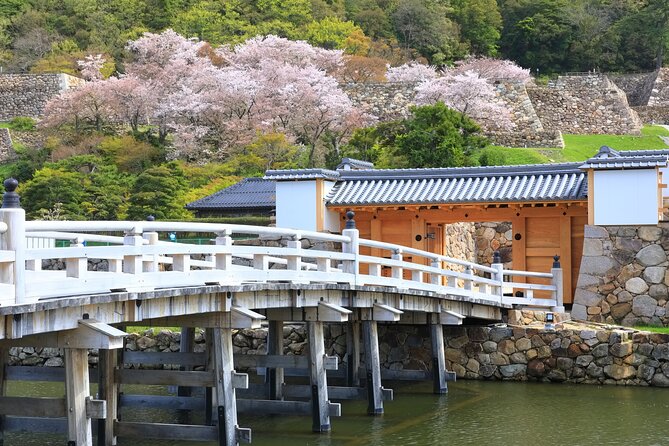
Private tours live or die by the person holding the thread. This one is clearly built around guide-led interpretation, and the guide quality shows up strongly in the feedback.
I’d look at this tour as “history explained at walking speed,” and that’s exactly what guides like Naoko, Akiyoshi, Shigeri, Mikio, Yoshiko, and Ishida are repeatedly praised for. Some were described as lively and engaging with very clear English. Others were praised for being patient and answering lots of questions in a way that actually settled them in your head.
Here’s what you’re paying for beyond basic directions:
- Meaningful explanations tied to what you’re physically seeing
- Q-and-A time so your curiosity doesn’t have to wait until you get home
- A calmer pace that doesn’t turn a peaceful garden into a race
One fair warning based on a real experience: language can make or break your enjoyment. One booking reported trouble understanding a guide and ended early after about 45 minutes. So if you care a lot about clear English, prioritize that in your planning and don’t assume every guide will match your expectations.
Entry rules at the palace grounds: the part people skip reading
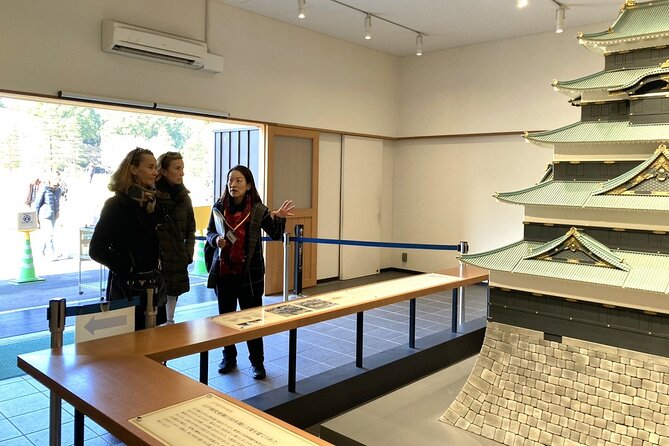
You do need to follow the on-site rules. Upon entering the grounds of the Imperial Palace, visitors are subject to baggage inspection. That can add a little friction before you’re fully in “relax mode,” so build a tiny buffer in your head.
Also, if you plan to buy items like Japanese knives (or anything that could be used as a weapon) at places such as Tsukiji or Asakusa, the note is specific: leave them in a coin locker or similar before the meeting. This is the kind of detail that can save your day. If you’re arriving with bags you just filled up for souvenirs, double-check what’s inside.
If you travel with a backpack, keep it organized. The more orderly you are, the less annoying the inspection feels.
Value check: is $65.41 per person worth it?
At $65.41 per person for about 2 hours, you’re buying a few things that can be hard to reproduce on your own: a route plan, interpretive help, and a private-group experience where you don’t have to compete for a guide’s attention.
Here’s the value math that tends to work:
- If you’re new to Tokyo and don’t want to spend half your day on research, a guided structure is worth real money.
- If you’re traveling as a small group, the private format often turns into a better deal than it looks at first glance.
- If history is your thing, the guide’s explanations can turn a quiet walk into an experience with context.
It also helps that the tour includes the tour guide and has admission ticket free listed for the experience. What’s not included is admission to the Inner Palace—and the tour also does not go inside the Imperial Palace—so you’re not paying for something you won’t receive.
Add in group discounts (when available) and a mobile ticket, and the overall feel is: straightforward, not cluttered with extra add-ons. You show up, walk, learn, and go.
When this tour feels best: who should book it
This tour fits you well if you want:
- A first-time Imperial Palace East Gardens visit but with clear direction and context
- A break from Tokyo’s motion—this part of town is calmer, and the gardens naturally slow you down
- A guide-driven explanation of imperial history and Edo-era connections
It’s also a smart choice for families and couples who don’t want to split up. Since it’s a private tour/activity and only your group participates, you won’t get stuck with mismatched interests like you sometimes do on larger group tours.
If you’re the type who likes asking questions and walking until things click, this kind of format is made for you. In multiple sessions, guides were praised for answering lots of questions and keeping the tone friendly, professional, and patient.
Should you book this private palace walk?
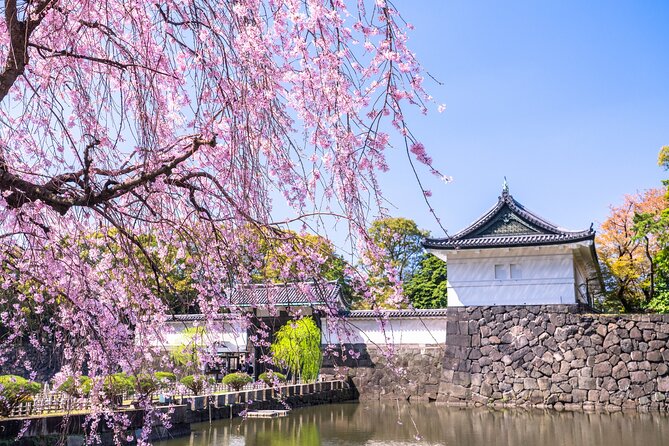
Yes, you should book it if your goal is an easy, guided, story-rich walk through Imperial Palace East Gardens—with Edo Castle Ruins, Ninomaru Garden, and Ote-mon Gate meaningfully explained. The price is reasonable for a private guide in central Tokyo, and the route focus is exactly what many people struggle with when they try to do it on their own.
Don’t book it if your dream is an Inner Palace or an inside-the-main-palace visit. This tour is East Gardens only, and that limitation is part of the experience. Also, if English support is a make-or-break requirement, remember that not every guide session will land perfectly.
FAQ
FAQ
How long is the Imperial Palace East Gardens private tour?
It lasts about 2 hours.
Is this tour inside the Imperial Palace?
No. The tour does not go inside the Imperial Palace, and admission to the Inner Palace is not included.
What parts of the area will the guide cover?
You’ll walk through the Imperial Palace East Gardens, including areas such as the Edo Castle Ruins, Ninomaru Garden, and Ote-mon Gate.
What is included in the price?
The tour guide is included. Admission to the Inner Palace is not included.
Do I need to buy an admission ticket separately?
An admission ticket is listed as free for the experience, but the Inner Palace admission is not included.
Where does the tour start and end?
It starts at Wadakura Fountain National Park (3-1 Kōkyogaien, Chiyoda City, Tokyo) and ends back at the same meeting point.
Is it a private tour?
Yes. It’s a private tour/activity, and only your group participates.
Is there an entry inspection when arriving at the Imperial Palace grounds?
Yes. Visitors are subject to a baggage inspection upon entering the grounds.
What is the cancellation policy if I need to change plans?
You can cancel up to 24 hours in advance for a full refund. If you cancel less than 24 hours before the experience starts, the amount paid is not refunded.
What happens if the tour is canceled due to minimum travelers?
If it’s canceled because the minimum isn’t met, you’ll be offered a different date/experience or a full refund.