REVIEW · TOKYO
Tokyo Castle & Imperial PalaceーShogun Walking Tour
Book on GetYourGuide →Operated by Local Guide Stars · Bookable on GetYourGuide
Edo Castle is still under your feet.
This 2-hour Tokyo Imperial Palace walk turns a modern capital into a samurai-era story, with clear stops that show how the old defenses shaped the city. I love the small-group feel (up to 10 people), and I also like how the tour explains why today’s palace grounds still carry the Edo era’s logic.
Two parts hit especially hard. First, you’ll connect the samurai and shogun era with the reality of Tokyo’s layout, not just names and dates. Second, you end up in the palace gardens where you can slow down, spot details, and enjoy photo-worthy scenery without feeling rushed.
The main drawback is simple: a large chunk of the tour is outdoors, and you’ll still do the walking even if the weather isn’t perfect. Add the Imperial Palace security check, and you’ll want to dress for conditions and keep your bag simple.
In This Review
- Key things that make this tour worth it
- Edo Castle’s footprint: how Tokyo got its shape
- Meeting at Wadakura Fountain Park: start where your photos improve
- Sakurada Tatsumi Yagura: the defense story starts with a view
- Ote-Mon Gate: where the story turns into a walkable timeline
- Tokyo Imperial Palace grounds: samurai era meets today
- Ninomaru Garden: where you slow down and start noticing
- Edo Castle ruins: seeing what’s left of scale
- Imperial Palace East Gardens: koi, trees, and a calm finish
- Price and time: why $23 can feel fair here
- What to bring, how to dress, and how not to lose time
- Who this tour is best for
- A quick note on the guide experience (what people consistently praise)
- Should you book this Tokyo Castle & Imperial Palace walk?
Key things that make this tour worth it
- Up to 10 people keeps the pace easy and questions actually get answered
- Edo Castle defenses explained in real places, not in theory
- Imperial Palace grounds + East Gardens in one efficient 2-hour loop
- Garden time at the spots that match the emperor’s tastes
- Special koi and trees from across Japan, adding a living-scene element
Edo Castle’s footprint: how Tokyo got its shape
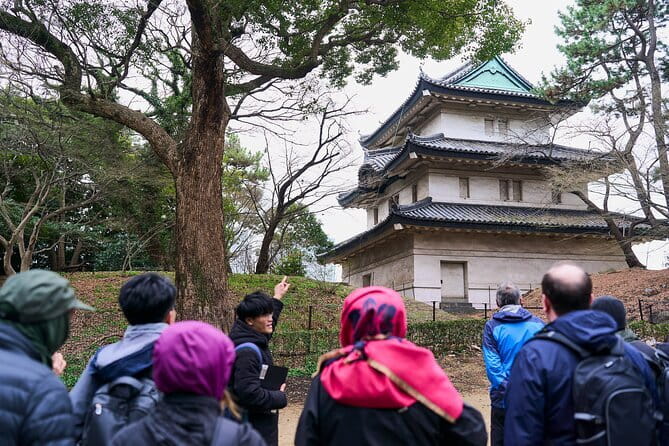
Tokyo can feel fast. This tour slows you down long enough to notice the structure underneath. Edo Castle was the largest castle in Japan, and even though the centuries have changed what’s standing, traces still show up across the city. The guide’s job is to help you see the logic: where power sat, how movement was controlled, and why layered defenses mattered.
What I like is that the story isn’t only about warriors. You also get a line that connects the shogun’s world to Japan’s long imperial system, which has continued for 2,600 years. That time span is easy to treat like trivia. Here, it becomes practical: you walk through spaces that were designed to last and to signal authority.
You can also read our reviews of more tours and experiences in Tokyo.
Meeting at Wadakura Fountain Park: start where your photos improve
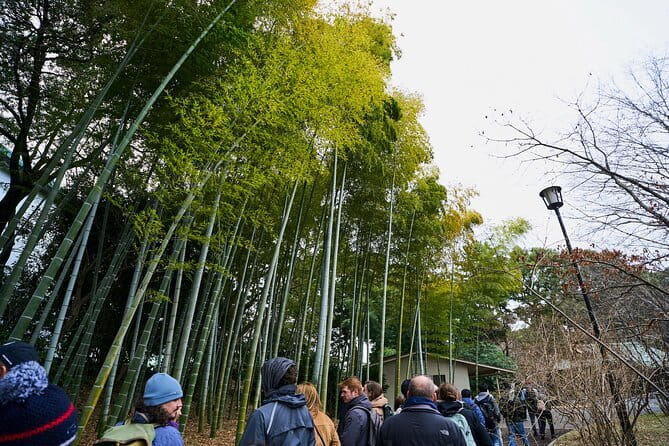
You meet in front of Starbucks Coffee Kōkyo Gaien Wadakura Fountain Park Store. The guide holds a sign that says Local Guide Stars. It’s a very Tokyo beginning: a bright, easy-to-find landmark near the palace grounds, so you don’t waste your first ten minutes hunting for the group.
From the start, you’ll notice how the tour is built for direction. Photo stops come early, then guided time follows, so you’re not just walking past things wondering what you’re looking at.
Practical tip: get there a few minutes early. Even in a small group, a delayed start can feel like someone turned down the fun dial.
Sakurada Tatsumi Yagura: the defense story starts with a view
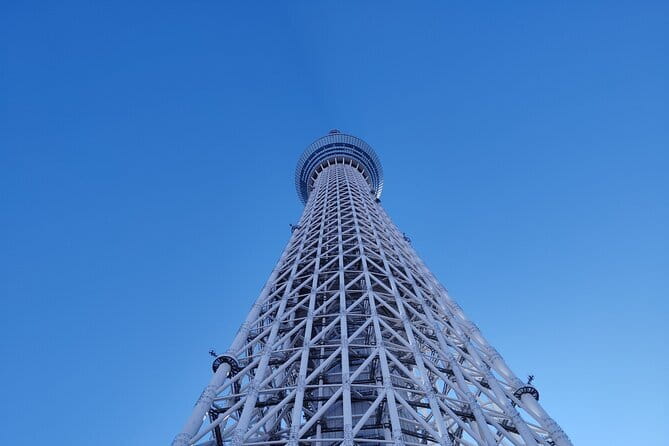
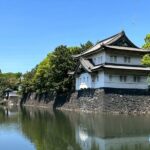
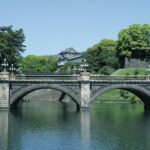
Your first proper stop is Sakurada Tatsumi Yagura. It’s listed as a short photo stop (around 5 minutes), plus guided explanation and a bit of walking. That brief format is smart because yagura are about function. They weren’t built just for looks.
This is where the guide’s explanations make the area click. You start understanding Edo Castle as a fortress system, with layered defense rather than a single wall-and-hope setup. The idea that the castle’s defenses made it nearly impenetrable becomes less abstract when you can relate it to what you see around you.
If you like history that connects to real geography, this early stop sets you up.
Ote-Mon Gate: where the story turns into a walkable timeline

Next comes Ote-Mon Gate (about 15 minutes including photo stop, guided tour, and sightseeing walking). Gates are always symbolic, but here they also act like an instruction manual. You’ll learn how entry points helped control who moved where, and why the castle’s design mattered for the peace of the 260-year samurai era.
This part is great for photos, but it’s more than postcard angles. As you stand there, the guide typically points out how the castle’s layout would have influenced daily life for the shogun’s retainers. It’s the difference between seeing a structure and understanding its job.
If you’re the type who loves asking questions, this is a good moment to do it. You’ll likely get answers tied to what you’re physically standing near.
Tokyo Imperial Palace grounds: samurai era meets today
The tour then shifts to the Tokyo Imperial Palace area, with a longer photo stop and guided time (around 20 minutes). This is where the Edo story becomes present-day reality. Today’s palace grounds function as the residence of Japan’s emperor, and that continuity is one of the tour’s strongest themes.
You’ll also hear how Japan’s imperial system survived across centuries. That doesn’t mean the country stayed unchanged. The explanation you get is more interesting than the timeline alone: the imperial tradition endured, while the political power around it evolved.
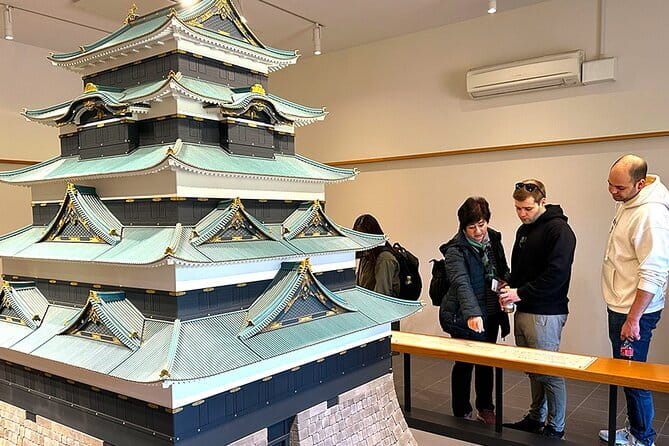
One small detail I really appreciate is that the tour includes a viewing of a miniature structure of the former palace. A model like this works because it helps your brain assemble the “before” version of what you’re seeing “now.” Without that, it’s easy to admire the grounds and miss the scale.
Security check matters here. You’ll go through an inspection when entering palace grounds, and the tour notes that you shouldn’t bring knives or alcohol. Keep your bag simple and you’ll avoid stress.


Ninomaru Garden: where you slow down and start noticing
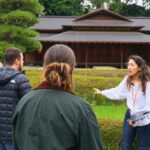
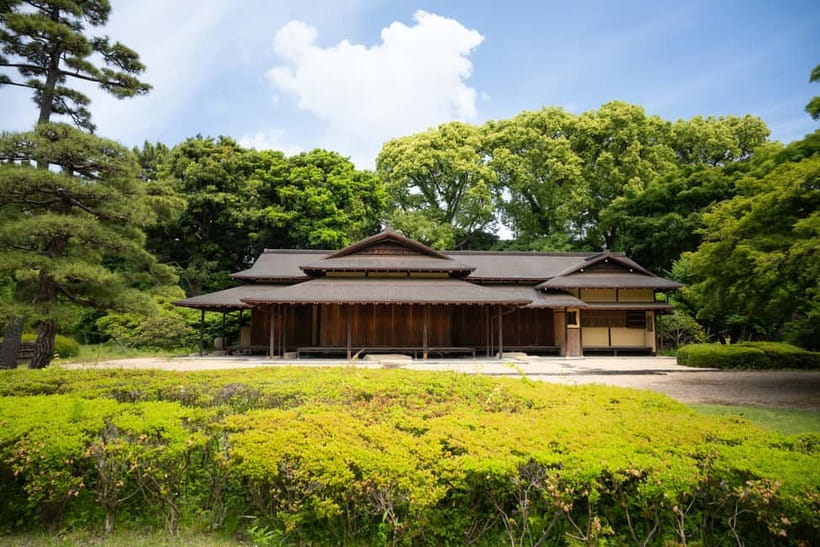
At Ninomaru Garden (about 15 minutes), the tour becomes less about fortress design and more about atmosphere. Gardens are part of power too. They signal taste, control, and time.
This garden stop connects with the highlight that mentions a Japanese garden admired by the emperor. Even if you’re not an expert plant nerd, a well-guided garden walk teaches you how to look: shapes, pacing, and details you’d normally walk past while rushing to the next photo.
From the reviews, the guide style here seems to matter a lot. Many people praised guides who pointed out small elements you might miss on your own. That’s the value of the “walk with someone” approach in a place where everything looks beautiful at first glance.
Edo Castle ruins: seeing what’s left of scale
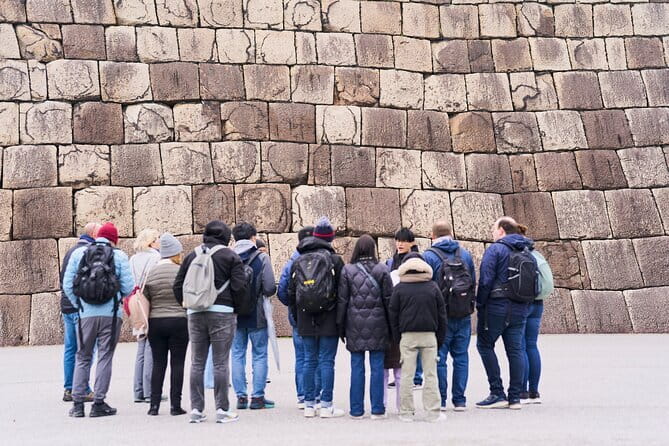
Next is Edo Castle Ruins (around 10 minutes). This is a shorter segment, but it can land hard because ruins are where scale becomes real. You’re standing near remnants that help you picture what used to dominate the area.
The guide’s job is to help you avoid a common mistake: treating ruins like leftovers. Here, you learn how what remains can still communicate the castle’s original logic—especially the layered nature of defenses.
If you’re a fan of the big storytelling themes from shows like Shōgun, this stop is a practical reality check. Instead of only watching characters move through imagined settings, you’re looking at physical proof of how the Edo world organized space.
Imperial Palace East Gardens: koi, trees, and a calm finish
The tour ends at Imperial Palace East Gardens (about 20 minutes), with photo stop, guided tour, and sightseeing walking. This portion feels like a reward. It also explains why the tour works so well in just two hours: you get the fortress and power narrative, then you get a gentler, slower environment.
Two inclusions stand out from the experience details. First, you’ll have encounters with special koi fish, which adds motion and color that gardens often lack. Second, you’ll see diverse trees from across Japan, which helps you understand the garden as a living showcase rather than a static decoration.
Reviews also hint that the pacing is often relaxed here. Many people mentioned that guides kept the walk smooth and didn’t rush. That matters if you want photos without feeling like you’re sprinting between checkpoints.
Price and time: why $23 can feel fair here
This tour is listed at $23 per person and runs 2 hours. On paper, it’s simple. In practice, the value comes from two things you rarely get together at this price point: a small-group limit and guided time in multiple high-interest areas.
You’re paying for an English-speaking guide to connect:
- Edo Castle as the foundation of Tokyo’s old power map
- the shogun and samurai era as social structure
- the Imperial Palace as the continuity thread
- gardens as both art and political space
If you were to visit these areas on your own, you’d get plenty of beauty. The guide adds the “why.” That’s what turns a scenic walk into a story you remember.
What to bring, how to dress, and how not to lose time
This tour is outdoors for much of the time, so dress for the weather. In hot months, choose breathable layers and bring water. In colder months, a warm outer layer helps because the pace isn’t constant stop-and-go like a city bus tour.
Photography is encouraged, so bring your camera or phone and be ready for photo stops at:
- Sakurada Tatsumi Yagura
- Ote-Mon Gate
- Tokyo Imperial Palace
- Ninomaru Garden
- Edo Castle Ruins
- Imperial Palace East Gardens
Also plan for the Imperial Palace security check. Keep away from anything that could cause trouble at inspection. And if you’re thinking about mobility needs, wheelchairs are available and can be used within palace grounds, but there are some slopes and areas where you’ll still need to walk or go down on foot.
Who this tour is best for
This is a smart match if you:
- love Japan’s Edo period and want it explained in the places where it shaped Tokyo
- want both samurai/shogun context and the emperor’s long institutional story
- enjoy gardens but don’t want a purely decorative walk
- prefer small groups where you can ask follow-up questions
It’s also good for first-time Tokyo visitors who want a “major site” experience without a full-day commitment.
A quick note on the guide experience (what people consistently praise)
One pattern shows up in the guide names and comments: guests repeatedly praised guides for clear explanations and a patient teaching style. You’ll see names like Anju, Yuuka, Fuma, Tomo, Yuki, Keiko, Ai, Kosei, Koyo, and Mai connected to stories about pacing, answering questions, and pointing out details you’d likely miss.
That matters because a place like the Imperial Palace grounds can feel overwhelming at first. When the guide can translate scale and layout into something you understand while you walk, the whole experience feels smoother.
Should you book this Tokyo Castle & Imperial Palace walk?
Yes, if you want a short, well-paced, English-only guided loop that links Edo Castle’s defenses to today’s Imperial Palace—and you care about understanding what you’re seeing.
I’d especially book it if you like history explained through walking. If you hate outdoor walking or know you’ll struggle with security checks, you might feel more comfortable choosing a different format.
In the end, this is $23 well spent when you want more than photos. You come away with a map in your head, not just a memory of pretty gates and gardens.