REVIEW · TOKYO
Private Tour – History, Art and Nature at the Imperial Palace
Book on Viator →Operated by OTOMO Travel Guide · Bookable on Viator
Tokyo’s palace grounds feel surprisingly personal. On this private 4.5-hour tour, I love that you get real, live context while you step into the Imperial Palace areas—plus a full day-feeling mix of art and nature without doing the planning math yourself. You’ll also hit places that are easy to miss on your own, like Wadakura Fountain Park and the open lawns around Kitanomaru Park.
What I like most is the guide attention: it’s not a lecture hall vibe, it’s you-and-your-guide pacing. Also, the seasonal garden focus matters—this route is set up so you’re outside at the best moments. The main drawback to keep in mind is that Imperial Palace garden access can shift on certain dates or when weather changes the plan, so you should be ready for a route tweak.
In This Review
- Key things that make this tour worth your time
- A private Imperial Palace day that doesn’t waste your energy
- Tokyo Station Marunouchi: the easiest start point in central Tokyo
- Wadakura Fountain Park: a commemorative pause inside the Palace grounds
- East Gardens of the Imperial Palace: seasonal gardens and Edo Castle ruins
- National Museum of Modern Art, Tokyo: when the art stop is more than just a ticket
- Kitanomaru Park: open lawns with a Palace-grounds ecosystem
- Chidorigafuchi: the iconic photo road, built for lingering
- CAFÉ 33 in Kitanomaru Park: a break with local ingredients
- Price and value: what you pay for, and what you should budget
- Guides make the difference: English-led context and smart adjustments
- Who this tour fits best
- Should you book this Imperial Palace history, art and nature tour?
- FAQ
- How long is the private tour?
- What are the start and end locations?
- Is this tour private?
- What’s included in the tour price?
- What is not included?
- Which major stops are part of the route?
- Is the National Museum of Modern Art ticket included?
- Does the tour include a mobile ticket?
- What happens if the weather is bad?
- Can I cancel for a full refund?
Key things that make this tour worth your time
- Private pacing inside Imperial Palace grounds with guided history as you walk
- Tokyo Station start that helps you get your bearings immediately
- Wadakura Fountain Park and East Gardens for calm space and seasonal garden details
- National Museum of Modern Art Tokyo stop focused on modern works (ticket not included)
- Kitanomaru Park plus Chidorigafuchi for open lawns and picture-worthy views
- Guides with strong English and a knack for adjusting to your interests (Keiko, Yumi, Fumi, Sonoko, Jinnosan are named in past tours)
A private Imperial Palace day that doesn’t waste your energy
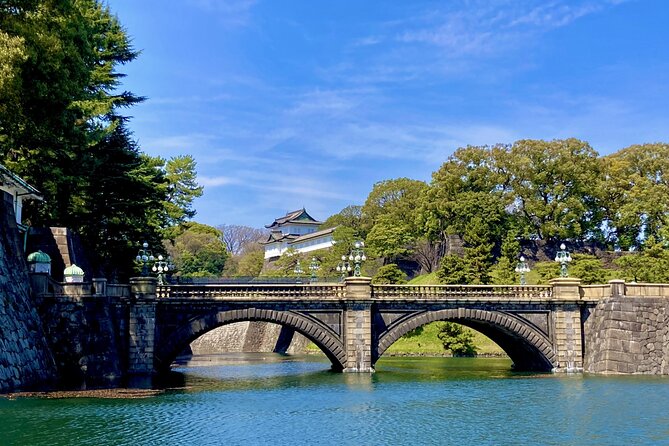
This is a private tour, meaning it’s only you and your group. That sounds obvious, but it changes the whole experience. You can ask questions, pause when something catches your eye, and move at a pace that fits your legs and your curiosity.
The tour runs about 4 hours 30 minutes, with a good chunk of walking. That’s not the fault of the tour—it’s the nature of Tokyo’s center and the Imperial Palace grounds. Bring comfortable shoes and expect to be outside most of the time.
Also, you get a mobile ticket, and the tour is confirmed at booking. The route is built to be efficient: you start at Tokyo Station and end near Hanzomon Station, so you can continue your day without backtracking too much.
You can also read our reviews of more tours and experiences in Tokyo.
Tokyo Station Marunouchi: the easiest start point in central Tokyo
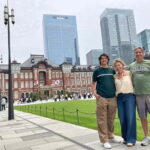
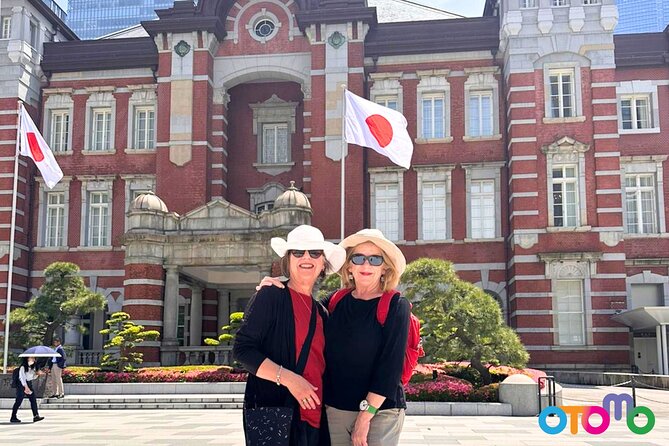
You kick off at Tokyo Station, at the Marunouchi area near the central exit. Even if you’ve only seen Tokyo Station from photos, seeing the building from the front in the station square gives you a quick sense of scale and direction.
It’s a small stop, but it matters. When your day begins here, you’re less likely to waste the first hour trying to figure out which way is north. You’re also already in a transit hub, so meeting the group is simpler.
The best part: this stop is free, and it doesn’t eat into your main attractions.
Wadakura Fountain Park: a commemorative pause inside the Palace grounds
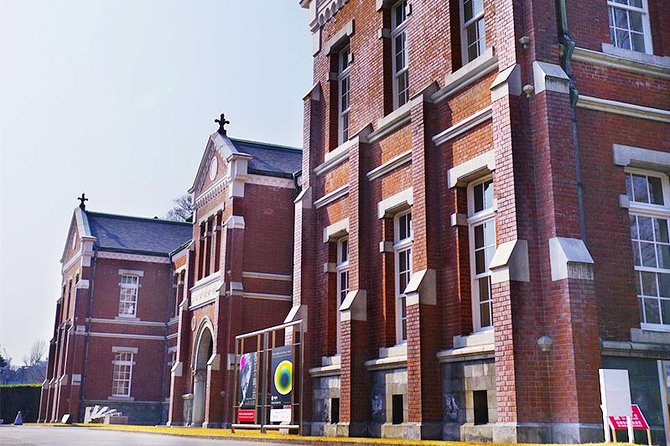
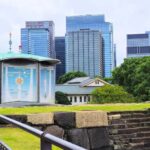
Next comes Wadakura Fountain Park, located within the Imperial Palace grounds. It’s built to commemorate the marriage of the Emperor Emeritus and Empress Emerita, and that purpose shows up in the calmer, reflective mood of the space.
You’ll spend a short visit here—enough time to take in the fountain area and settle into the Palace setting without feeling rushed. Since the admission here is listed as free, it’s also a nice “no-ticket-cost” moment that still feels meaningful.
If you like your Tokyo sightseeing with a little quiet, this is a good early win.
East Gardens of the Imperial Palace: seasonal gardens and Edo Castle ruins
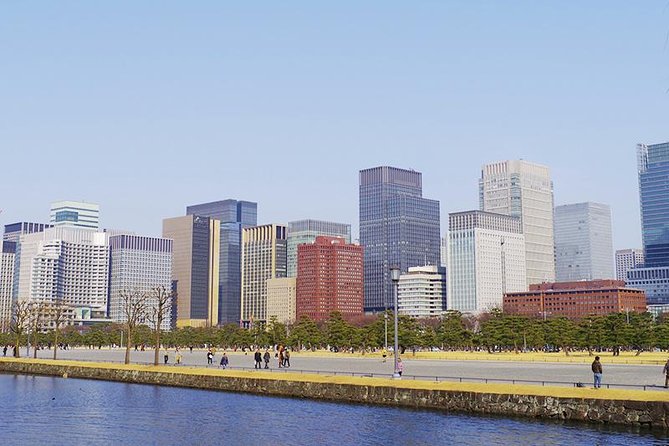
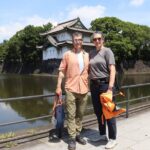
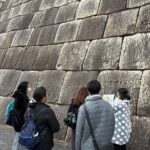
The heart of the morning is the East Gardens of the Imperial Palace, paired with historical points connected to the Edo Castle ruins. Think Japanese garden design plus layered history, all in one walking loop.
This stop is where the tour’s theme shows: nature and history are not separate on this route. You’re not just looking at grass and stones; you’re learning how the Imperial garden setting connects to older eras and older landscapes.
You’ll be there about 30 minutes, and admission is listed as free. That free access is a big value lever—lots of the “major feeling” sights on this day don’t come with extra gate fees.
One practical note: garden access can change due to closures, and you might have a different experience if the grounds aren’t available that day. It’s the kind of risk you accept with any Imperial-area itinerary, but a good guide can often adjust without ruining your day.
National Museum of Modern Art, Tokyo: when the art stop is more than just a ticket
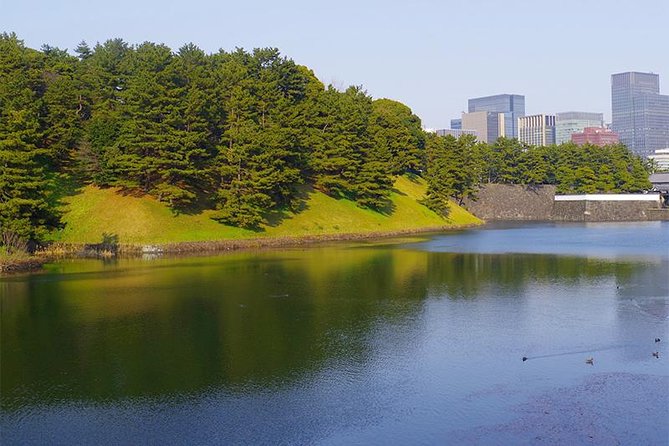
After the gardens, you shift gears to the National Museum of Modern Art, Tokyo (MOMAT). This is an important inclusion if you want Tokyo beyond temples and streets.
This stop is about the museum’s modern art focus, including works from the 20th century, both from Japan and overseas. You’ll typically get around 40 minutes, which is enough for a focused visit even if you don’t try to see everything in one go.
Here’s the catch: museum admission is not included in the tour price. It’s listed as “not included,” so you’ll want to budget for it as part of your overall day expenses.
Why this works on a Palace-focused tour: the contrast. Morning calm in the gardens, then modern art interpretation right after. If you’re the kind of person who likes connections, you’ll enjoy how your guide can tie the cultural vibe of the Palace era to what came later in Japan’s art world.


Kitanomaru Park: open lawns with a Palace-grounds ecosystem
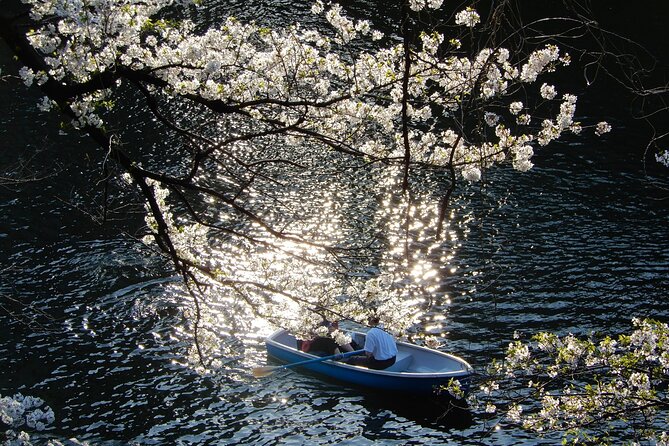
Then you head to Kita-no-maru Park (Kitanomaru Park). This area is known for its spacious lawn and the variety of trees and plants around it, creating an ecosystem within the Imperial Palace grounds.
This is one of those stops that can feel like relief. You’ve been walking through structured sights; now you’re getting a more open, breathing-space view. The tour keeps the time efficient—about 20 minutes—and admission is free.
If you’re visiting during peak seasons, this is also a strong photo area. Past guides have taken people to view points during cherry blossom timing, which makes sense here: lawns plus changing seasonal trees create the kind of background you can’t fake with a phone app.
Chidorigafuchi: the iconic photo road, built for lingering
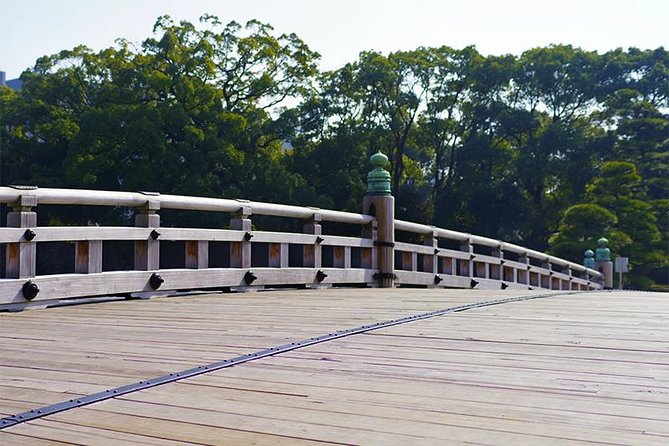
From Kitanomaru, the route moves to Chidorigafuchi. This is famous for its scenic views along the water and walkways, and the tour explicitly frames it as a chance to feel the nature that still exists in Tokyo.
You’ll have about 20 minutes, and admission is free. That’s short by walking-standards, but it’s enough time to take photos and catch the best light if you aren’t fighting a huge crowd.
One reason this stop is worth it: it gives you a “Tokyo nature” payoff without making your day feel like you’re escaping the city for half a day. You get that rare balance of being in central Tokyo and still seeing something that looks calm and timeless.
CAFÉ 33 in Kitanomaru Park: a break with local ingredients
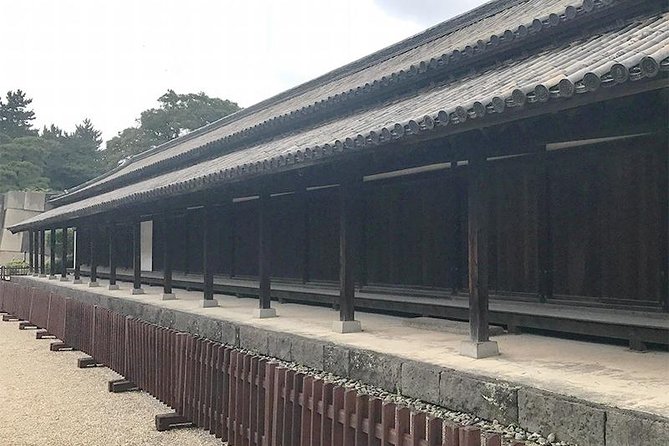
Between the park moments, you stop at CAFÉ 33, located in Kitanomaru Park. This is your built-in pause, and it matters because the day is otherwise “go, go, go.”
The café uses local fresh ingredients from the Tohoku area and Tokyo. Lunch isn’t included in the tour cost, so you’ll need to pay for what you order, but at least you’re eating in a setting that fits the route.
Expect about 40 minutes here. I like this style of break because it keeps you grounded in the scenery instead of hopping to a random restaurant in a business district.
In your planning, budget for meals—your own-day estimate puts meals at about 1000 JPY per person.
Price and value: what you pay for, and what you should budget
The tour costs $90.60 per person. That price includes the guide and the necessary expenses for the guide during the tour, and it’s private—so you’re paying for access to a person who can turn “sightseeing” into something you can actually remember.
Many of the stops listed for you have free admission, including the Imperial Palace garden areas and the parks like Wadakura Fountain Park and Kitanomaru Park. That’s a big deal for value. It means you’re not stacking entry fees on top of each other.
What’s not included:
- The National Museum of Modern Art admission
- Food and drink at CAFÉ 33
- Your personal extra spending at visited spots
Your day-budget estimate is 1500 JPY per person, with a breakdown of 500 JPY for admission fees and 1000 JPY for meal costs. Transport is listed as 0 JPY in the estimate, so you’re mostly budgeting for the museum and your lunch.
If you’re price-sensitive, compare this to a DIY day where you’d still want a museum visit plus multiple Imperial-area stops. Often, the guide cost becomes the “hidden savings” because you avoid wasting time and you get context fast—especially at places where you’d otherwise miss the point.
Guides make the difference: English-led context and smart adjustments
This route lives or dies on the guide. The best moments come from explanation timed to what you’re seeing.
Past guides named in this experience include Keiko, Yumi, Fumi, Sonoko, and Jinnosan. The common thread in the feedback is how well they connect Palace history, garden design, and what you’re looking at in the moment.
Some guides also show flexibility, including adjusting what you see based on your interests. And if you travel during special seasons, this matters even more. One guide story includes cherry blossom timing and finding places for the best views—exactly the kind of local pacing that turns a route into a real experience.
Practical tip: go in with a couple of interests. If you’re excited about garden design, modern art, or Imperial history, tell your guide early. You’ll get better flow, less wandering, and more “oh, that’s why this is here” moments.
Who this tour fits best
This tour is ideal if you:
- Want Imperial Palace gardens plus modern art in one efficient half-day
- Like understanding what you’re seeing as you walk
- Appreciate parks and seasonal views like Chidorigafuchi
- Prefer a private pace over group bus stops
It might be less ideal if you:
- Don’t want museum time and would rather spend all your effort outdoors
- Have mobility limits that make walking stressful
- Expect everything to be exactly the same every day, regardless of access changes or weather (that’s the real-world part of Imperial-area sightseeing)
Should you book this Imperial Palace history, art and nature tour?
I’d book it if you want a balanced Tokyo day: Palace grounds in the morning, art context in the middle, then parks and scenic photo spots to close. The value comes from how many meaningful stops you get with free admission at several locations and with a guide who can explain what you’d otherwise only partially understand.
Skip it if you’re already determined to do only free outdoor sightseeing and you don’t care about a museum stop. In that case, a simpler park-only day could be cheaper and feel more relaxing.
If you do book, do one thing that helps a lot: wear comfortable shoes and bring enough patience for weather and access changes. When the plan shifts, you’ll still have a strong route because the day is built around multiple locations, not one fragile itinerary.
FAQ
How long is the private tour?
It runs for about 4 hours 30 minutes.
What are the start and end locations?
It starts at Tokyo Station (Marunouchi, Chiyoda City) and ends near Hanzomon Station (Kōjimachi, Chiyoda City).
Is this tour private?
Yes. Only your group participates.
What’s included in the tour price?
The tour includes a guide, the private tour format, and the necessary expenses for the guide during the tour.
What is not included?
The estimate is that you’ll pay about 1500 JPY per person for your own admission costs (500 JPY) and meal costs (1000 JPY). National Museum of Modern Art admission and anything you buy at CAFÉ 33 are not included.
Which major stops are part of the route?
You’ll visit Tokyo Station Marunouchi Station Square, Wadakura Fountain Park, the East Gardens of the Imperial Palace, the National Museum of Modern Art (MOMAT), CAFÉ 33 in Kitanomaru Park, Kitanomaru Park, and Chidorigafuchi.
Is the National Museum of Modern Art ticket included?
No. Museum admission is listed as not included.
Does the tour include a mobile ticket?
Yes, the tour offers a mobile ticket.
What happens if the weather is bad?
If weather is bad, the destinations and routes may be changed.
Can I cancel for a full refund?
Yes. You can cancel up to 24 hours in advance for a full refund.