REVIEW · ISTANBUL
Dolmabahce Palace Tour in Istanbul
Book on Viator →Operated by Plan Tours · Bookable on Viator
Dolmabahçe Palace hits like a time machine: Ottoman grandeur meets European design right on the Bosphorus. I love how the tour doesn’t stop at the postcard exterior—it brings you into standout public rooms like the Medhal Hall and Crystal Staircase and connects them to Mustafa Atatürk’s story, including the palace’s famous 9:05am clock detail.
Big attention-grabber, one potential snag: you’re on a tight schedule, and photography isn’t allowed inside the palace. If your priority is slow wandering (or extra time for specific areas), this tour can feel fast because it also includes the Bosphorus Bridge crossing and a viewpoint stop afterward.
In This Review
- Key highlights at a glance
- Dolmabahçe Palace in a half-day: the rooms that matter most
- Medhal Hall: where the story lands
- Crystal Staircase: the red-carpet moment
- What it feels like inside: time, pace, and the reality of a tour route
- The European-Ottoman architecture lesson you’ll actually remember
- Bosphorus Bridge: the short trip that changes your perspective
- Çamlıca Hill viewpoint: wide water views that frame the city
- Monddays and Thursdays: Dolmabahçe swaps to Eyüp area
- Logistics that can make or break your experience
- Group size and comfort
- English and ticket format
- Food and drinks
- Who this tour fits best
- Should you book the Dolmabahçe + Bosphorus + Çamlıca Hill tour?
- FAQ
- What language is the Dolmabahçe Palace tour offered in?
- How long does the tour take?
- What’s included in the price?
- Is food included?
- Do I need a physical ticket?
- Is Dolmabahçe Palace open every day?
- Is photography allowed inside Dolmabahçe Palace?
Key highlights at a glance
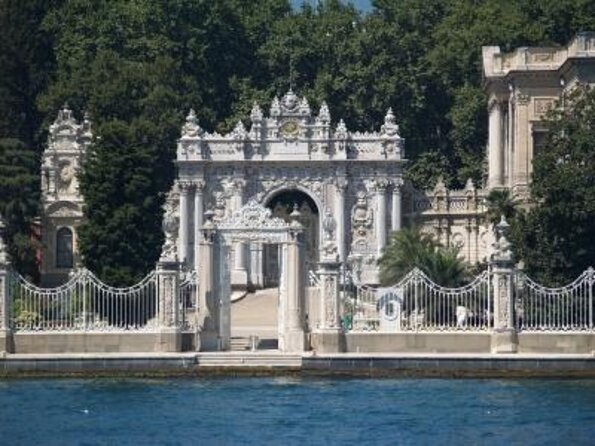
- Dolmabahçe’s European-Ottoman mix outside and in, with major palace room stops
- Medhal Hall + Atatürk timing detail (clocks set to 9:05am)
- Crystal Staircase and the feel of royal life through the palace layout
- Bosphorus Bridge crossing by coach, with quick Europe-to-Asia momentum
- Çamlıca Hill viewpoint time for wide city and water views
- Max 15 travelers and hotel pickup on an air-conditioned coach
Dolmabahçe Palace in a half-day: the rooms that matter most
This is a smooth, guided “see the key things” kind of tour. You’ll start with hotel pickup (the meeting spot can vary if your hotel is hard to access), then ride in an air-conditioned coach to Dolmabahçe Palace along the Bosphorus Strait.
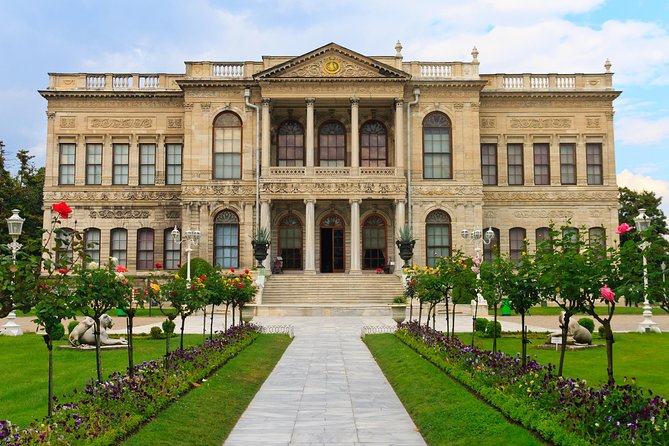
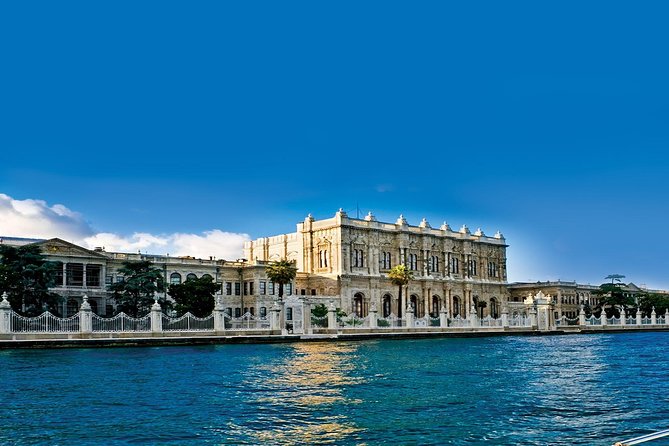
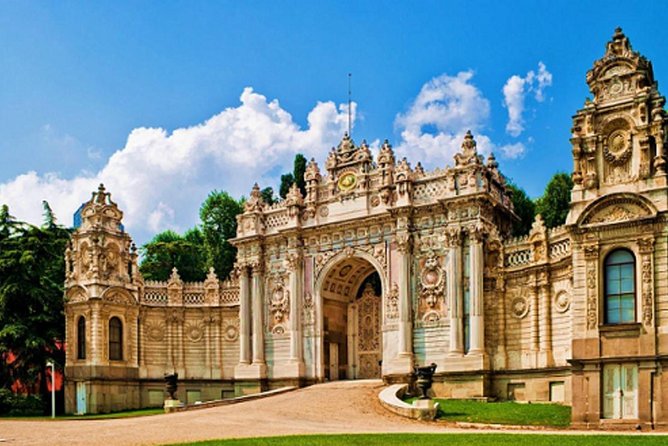
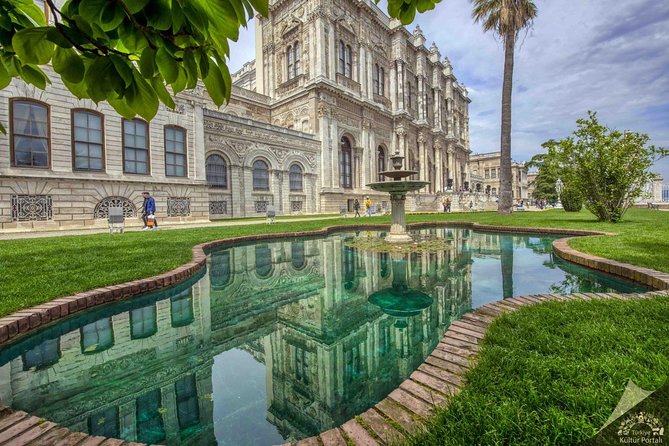
Dolmabahçe isn’t just pretty. It was a late Ottoman power center and one of the last palaces built by the empire, designed by Ottoman architects Karabet and Nikogos Balyan. The palace footprint is huge—about 110,000 m²—and it functioned as a major administrative hub. Even if you only see part of it on a tour, the scale helps you understand why this place felt like government in royal form, not just a residence.
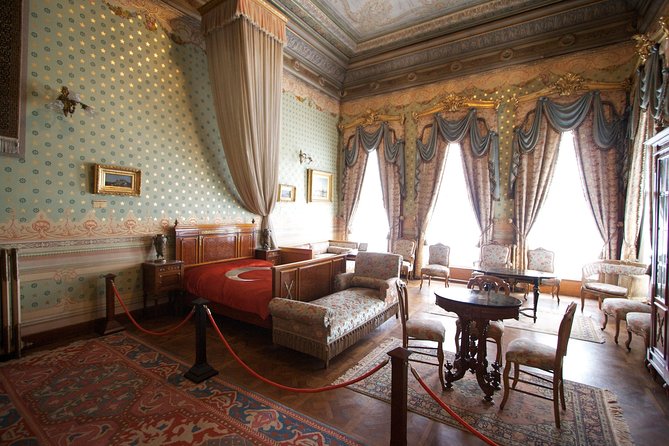
Once inside, the tour focuses on the palace’s public grandeur: marble floors and polished rooms that once hosted sultans and royal visitors. Two stops tend to anchor the experience: the Medhal Hall and the Crystal Staircase.
You can also read our reviews of more tours and experiences in Istanbul.
Medhal Hall: where the story lands
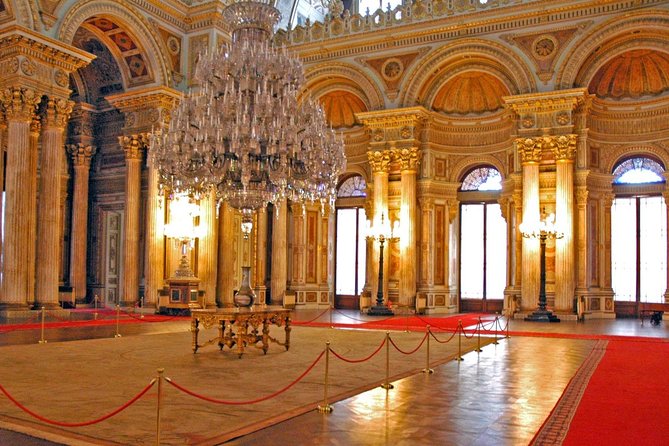
In the Medhal Hall, you’ll get the connection to Mustafa Atatürk, Turkey’s first president, who lived and died in the palace. The guide also points out the detail about all the clocks set to 9:05am—the approximate time of his passing. It’s one of those small, specific facts that turns a decorative space into something memorable and very human.
This is also where the tour does something useful: it stops you from treating the palace as just furniture and chandeliers. Instead, it gives you a timeline and a reason for what you’re looking at.
Crystal Staircase: the red-carpet moment
The Crystal Staircase is the kind of stop you’ll feel in your camera roll later. You’ll be guided to imagine the kind of aristocrats who would have walked it—down the carpet, up to the grand rooms—while the palace layout does the rest.
One practical note: no photos are allowed inside the palace. That means you should mentally switch modes—enjoy it, listen carefully, and take photos later from outside viewpoints.
What it feels like inside: time, pace, and the reality of a tour route
This isn’t a private, linger-at-every-door kind of plan. The tour includes a guided pass that’s designed to cover the most important rooms efficiently, and the palace itself is massive (about 285 rooms and 46 halls). Even with admission included, you’ll be moving with the group.
That’s great if you like structure. It can be disappointing if you want lots of unhurried wandering or a deep focus on one wing.
Here’s the balance I’d suggest you plan for: aim to understand the “big picture”—the way Ottoman authority and European-style taste show up together—rather than expecting every corner to get equal time. If you’re especially interested in a specific part of the palace layout, build in a backup option to visit again on a separate day with a self-guided approach.
The European-Ottoman architecture lesson you’ll actually remember
From the outside, Dolmabahçe reads as a statement—ornate, grand, and clearly designed to impress. Inside, the tour helps you connect that impression to details like:
- the blend of European and Ottoman architectural ideas
- the palace’s well-known wealth of European decorative items and furnishings
- and the scale of luxury, including the famous 4.5 tons chandelier
When I’m deciding whether a palace tour is worth it, I care about one thing: does it teach me how to look? Here, the guide’s job is to point out what’s decorative versus what’s symbolic, so the palace doesn’t become a blur of rooms. When the guide has a strong delivery, the palace becomes easier to place in your mind.
Some guides highlighted for good English and strong delivery include names like Bora, Osman, and Mr. Aykot. If you get someone in that style, expect clear pacing and explanations that help you connect rooms to the people and politics tied to them.


Bosphorus Bridge: the short trip that changes your perspective
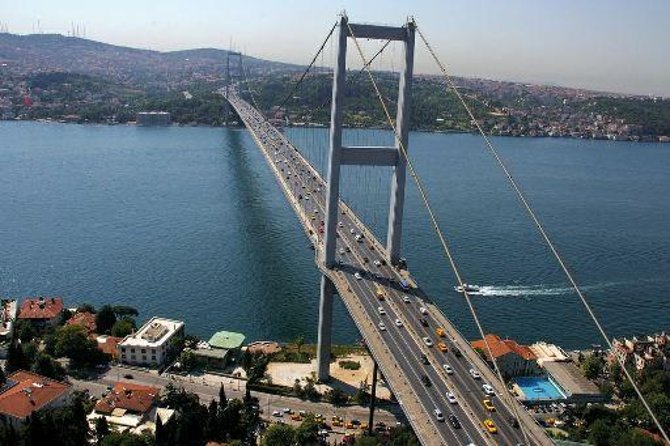
After the palace, you’ll head back to the coach and cross the Bosphorus Bridge, which links Europe to Asia. The tour frames it as a quick moment—about two minutes—to step from one continent to the other.
This part sounds simple, but it’s a smart add-on. Dolmabahçe is in the European side’s royal shoreline story. The bridge crossing shifts your view and your mental map right away, so the rest of the day feels like more than just one museum visit.
Also, the coach time is where you’ll feel the day’s rhythm. Istanbul traffic can be unpredictable, and your schedule may get reshuffled if the city runs slow. When that happens, the palace portion can feel more rushed. The upside: you still keep your viewpoints in the plan.
Çamlıca Hill viewpoint: wide water views that frame the city
Next comes the “reward” portion: after the bridge, you’ll head to either Çamlıca Hill or Yeditepe, depending on traffic that day. Since this route often emphasizes Çamlıca Hill, here’s what you can expect if that’s where you go.
Çamlıca Hill is known for wide panoramic views—on clear sightlines you can see across the city water edges and beyond. The tour route calls out the horizon range from the Marmara Sea to the Black Sea, and the ability to spot both the Bosphorus and the Golden Horn from a high vantage point.
You get about an hour at the viewpoint. That’s usually enough time to:
- orient yourself after the palace
- take the photos you missed inside
- and get the geography right in your head for the rest of your Istanbul time
Time here also helps if you want a calmer pace after walking in palace rooms. You’ll have a place to stop your brain, look out, and let Istanbul’s scale sink in.
Monddays and Thursdays: Dolmabahçe swaps to Eyüp area
One important planning wrinkle: Dolmabahçe Palace is closed on Mondays and Thursdays. On those days, your tour swaps Dolmabahçe for other sights, listed as Eyüp, Miniatürk, and the Pierre Loti Coffee House.
So before you lock in your dates, match your expectations to your calendar. If Dolmabahçe is the reason you’re going, aim for a day when it’s open. Otherwise, you’ll still get a structured program, just not the palace you came for.
Logistics that can make or break your experience
This tour is priced at $90.31 per person and runs about 3 hours. It’s booked about 20 days in advance on average, which hints at steady demand.
Is it good value? It can be, because it bundles several costs you’d otherwise handle separately:
- hotel pickup and an air-conditioned coach
- a local guide
- admission included for the palace and the viewpoint stop
But value depends on how you personally experience pacing. If you hate being rushed, you may feel the time pressure. If you prefer a guided route that prevents decision fatigue, you’ll likely feel satisfied.
Group size and comfort
The group cap is 15 travelers, which is on the better side for a tour like this. Smaller groups usually mean you spend more time hearing the guide and less time waiting.
English and ticket format
The tour is offered in English, and you’ll get a mobile ticket. If your hotel is hard to reach, you might be asked to use an alternative meeting point during reconfirmation—so re-check that message when it arrives.
Food and drinks
Food and drinks are not included. That matters because the itinerary has a palace portion plus a viewpoint stop, and Istanbul schedules can run tight. If you’re sensitive to hunger, plan a snack strategy before you leave your hotel. (There may be chances to buy something at the viewpoint area, but the tour itself doesn’t include meals.)
Who this tour fits best
This is a great fit if you:
- want a guided overview that connects architecture to specific stories
- like not waiting in lines and appreciate having admission handled
- enjoy viewpoints like Çamlıca Hill where you can re-map the city quickly
- prefer a small group experience with pickup and transportation sorted
It may not be your best match if you:
- want maximum time inside the palace to wander at your own pace
- plan to take lots of interior photos (since photography isn’t allowed inside)
- need lots of flexibility if traffic shifts the order or timing
Should you book the Dolmabahçe + Bosphorus + Çamlıca Hill tour?
If Dolmabahçe Palace is on your Istanbul must-see list, I’d say yes, book it—with one expectation set: this is a curated highlights route, not a slow museum day. You’ll leave understanding the palace’s key rooms, especially the Medhal Hall with the 9:05am Atatürk detail and the dramatic Crystal Staircase.
If you’re the type who wants to linger and soak in every gallery, consider balancing this with another visit later on a day you can move at your own speed. Otherwise, for most first-timers who want efficient planning and smart city framing, this tour earns its place.
FAQ
What language is the Dolmabahçe Palace tour offered in?
The tour is offered in English.
How long does the tour take?
The duration is about 3 hours.
What’s included in the price?
You get hotel pickup, an air-conditioned vehicle, a local guide, and admission tickets for the palace and the viewpoint stop.
Is food included?
No. Food and drinks are not included.
Do I need a physical ticket?
No. You’ll use a mobile ticket.
Is Dolmabahçe Palace open every day?
No. Dolmabahçe is closed on Mondays and Thursdays, and your tour is swapped with Eyüp, Miniatürk, and Pierre Loti Coffee House.
Is photography allowed inside Dolmabahçe Palace?
No. Photography isn’t allowed inside the palace.