REVIEW · TOKYO
Imperial Palace East Garden and Edo Castle Walking Tour in Tokyo
Book on Viator →Operated by Localized Walking & Food Tours · Bookable on Viator
Imperial history starts with a fountain view. This small-group walking tour pairs an easy meet-up near the Imperial Palace with guided stops in the East Gardens and Edo Castle ruins—without the hassle of trying to guess where everything used to be. You’re not here for museum rooms; you’re here for the layout, the stories, and the calm walk through key palace-era spaces. I like that it’s structured for photos and context, and it’s guided in clear English by people like Kenta, Glenda, Loc, and Kei.
What I like most is the tour’s balance: you get both the garden setting and the feudal backstory that makes the grounds make sense. The pacing also tends to work well in real-world conditions—guides such as Kaz and Kei are praised for keeping the group moving at a good speed, even when the weather is wet.
One possible drawback: you’ll want to set expectations that you don’t enter the Imperial Palace buildings (public entry isn’t allowed). And if you’re expecting a flower festival every season, the gardens can feel more about structure and seasonal color than big headline blooms.
In This Review
- Key things to know before you go
- A calm way to understand Tokyo’s biggest historic site
- Meeting point and timing: how to avoid getting stressed
- Stop 1: Wadakura Fountain Park and the quick history lesson
- Stop 2: Imperial Palace East Gardens and Edo Castle ruins
- What you’ll see (and why it matters)
- Photo opportunities you can plan for
- Guide quality is the whole game here
- What the walking feels like (and who should do it)
- Price and value: why $25 can make sense here
- Practical tips that make the tour smoother
- Should you book this Imperial Palace East Gardens walk?
- FAQ
- Is the Imperial Palace included inside the buildings?
- What’s the meeting point?
- Where does the tour end?
- How long is the tour?
- Is admission included?
- Do I need to bring snacks?
- What happens if the weather is bad?
- Can I cancel for a full refund?
Key things to know before you go
- Small-group size (max 12): easier questions and less crowd pressure as you walk.
- Free entries at both stops: you’re paying mainly for the guide and the storytelling.
- No inside-palace visit: you explore the East Gardens and Edo Castle ruins from the public areas.
- Guides with strong English and visuals: several guides (like Kenta, Miko, and Loc) are noted for clear explanations and helpful photo materials.
- Comfortable-shoes tip matters: expect some inclines on a walk-heavy route.
- Weather-dependent experience: if conditions are poor, you’ll get a reschedule or refund.
A calm way to understand Tokyo’s biggest historic site
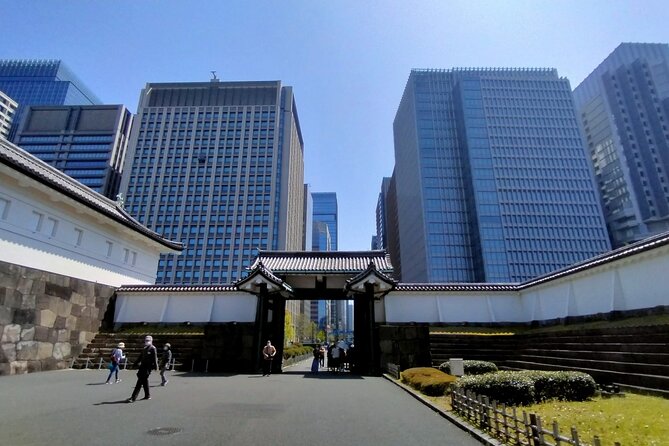
If Tokyo has a single symbol of order, power, and continuity, it’s the Imperial area. But the grounds are huge, and without help you can end up wandering and guessing: Where was the castle? What did this pond do? Why is that area shaped the way it is?
This tour is built to fix that problem. It takes you to two connected spaces near the Imperial Palace—first a serene public park, then the East Gardens and Edo Castle remnants—with an English-speaking local guide translating the meaning of what you see into plain talk.
Also, the group is intentionally small. A max of 12 people changes the vibe: you get more interaction, fewer distractions, and more chances to hear details that you might miss while walking on your own.
You can also read our reviews of more tours and experiences in Tokyo.
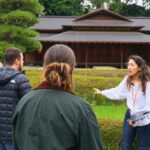
Meeting point and timing: how to avoid getting stressed
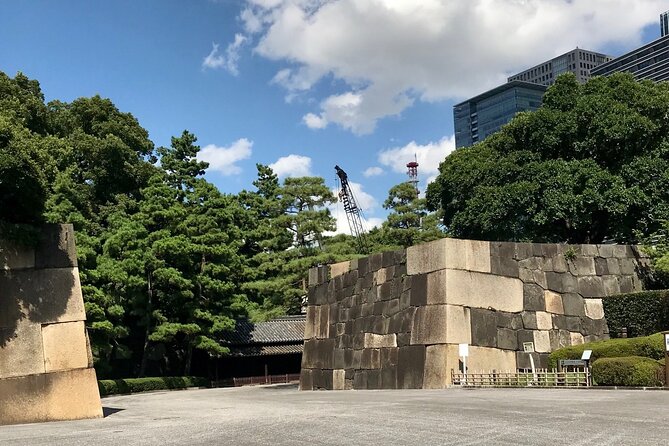
The meeting spot is straightforward: Starbucks Coffee – Kokyo Gaien Wadakura Fountain Park, 3-1 Kōkyogaien, Chiyoda City, Tokyo. The tour ends back at the meeting point, so you’re not stuck figuring out transport afterward.
Duration is listed at about 2 hours 30 minutes, and that matters more than you’d think. A walk tour of this kind can run closer to the full estimate, especially if your guide takes time for explanations, photos, and questions. If your day has tight connections right after, give yourself some breathing room.
Practical tip: bring comfortable walking shoes. Even with “no stairs” being mentioned in one note, hills and uneven garden paths still happen in this area.
Stop 1: Wadakura Fountain Park and the quick history lesson
You start at Wadakura Fountain Park, right near the Imperial Palace. This is a public park, so it’s easy to access and not an ordeal to find. It’s also a great warm-up stop: you get oriented, your guide sets the tone, and you learn how Tokyo treats ceremony, symbolism, and landscape design.
The park itself has a specific origin story. It was constructed in 1961 to commemorate the royal wedding of Emperor Akihito and Empress Michiko. Later, it was redesigned and reopened in 1995 for the wedding of the Crown Prince Naruhito and Crown Princess Masako.
Expect about 30 minutes here. The goal isn’t to spend all morning at the fountain—it’s to connect you to the Imperial Palace area’s modern ceremonial identity before you move into the older feudal map of the Edo period.
Why this stop is smart: it helps you read what comes next. When you understand how Japan links present-day institutions with older forms of authority, the East Gardens start to feel more purposeful than scenic.
Stop 2: Imperial Palace East Gardens and Edo Castle ruins
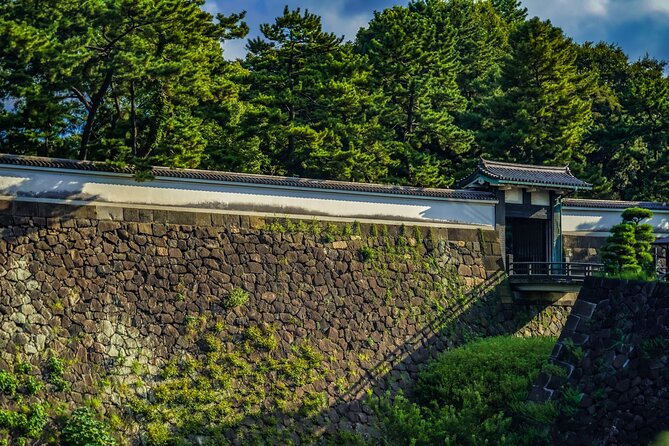
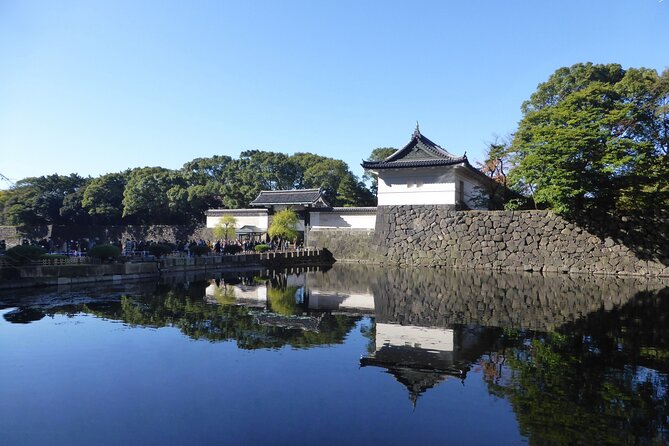
The second stop is the real draw: the Imperial Palace East Gardens, tied to what used to be Edo Castle. This is where the tour earns its value, because you’re not just looking at greenery—you’re walking through the kinds of areas that used to support defenses, administration, and life inside the castle complex.
You’ll spend about 2 hours here, and entry is free.
What you’ll see (and why it matters)
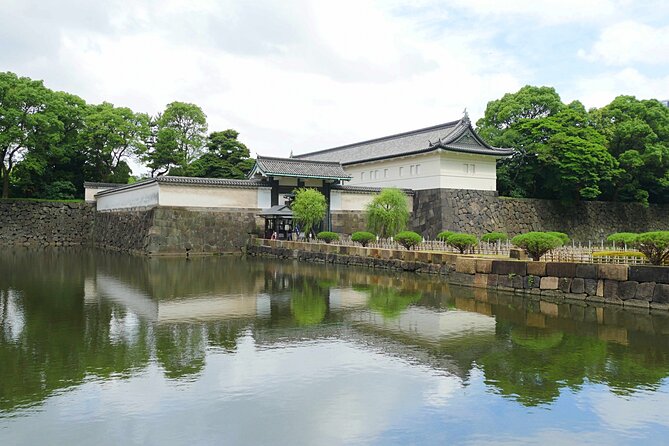
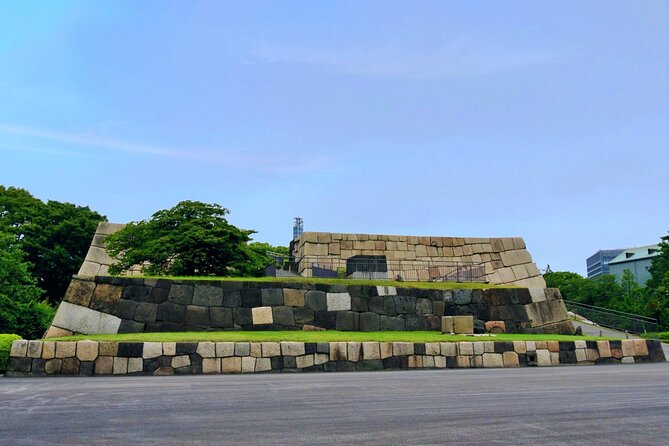
Your guide points out features and ruins, including the Honmaru area with castle remnants, and the Ninomaru Garden, which offers classic Japanese garden scenery. The “ruin” part is important: this isn’t a fantasy park. It’s the physical footprint of a power center, now refashioned into public space.
Seasonal effects are real here. In spring, you may catch cherry blossoms in the area; in autumn, you might find colorful foliage. But even in off-peak months, the appeal is that the grounds are well kept and designed for walking—so you can enjoy the atmosphere while still learning what each section used to do.

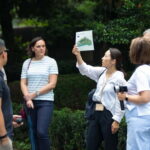
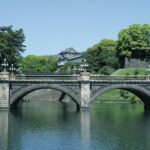

Photo opportunities you can plan for
Because you’re in gardens and garden-edge viewpoints, you’ll likely get multiple moments for photos. Guides with visual aids (people like Miko and Kenta are singled out for photo materials in notes) often help you aim at the right angles by explaining what the structures are and what to look for.
One reality check: this is not a tour where you’ll see full palace interiors. The tour stays in the public grounds, so you’re reading the architecture and layout from outside rather than touring rooms.
Guide quality is the whole game here

At $25, the price is low enough that you should treat the guide as the main product. And this tour delivers where it counts: the English explanations and the storytelling style.
Across the guide names mentioned, a few strengths show up again and again:
- Clear English and pacing that keeps you from feeling lost (Miko and Glenda are examples).
- Storytelling with structure, so you can connect Edo-era roles to what you’re standing near (Loc is a good example from the notes).
- Humor and energy that make the walk lighter, even when you’re moving through quiet spaces (Kenta and Kaz are mentioned this way).
- Practical adjustments when the weather turns, including keeping a nice pace in rain (Kei is referenced for this).
If you’re the type who gets bored with long history lectures, this tour’s approach matters. It uses the place itself as the lesson plan: you learn because you can look at the exact section being discussed.
What the walking feels like (and who should do it)
This tour is a walking experience, so it suits people who enjoy spending time outdoors and learning through landmarks.
Good fit if:
- You want first-time-friendly context for Tokyo’s Imperial area.
- You like gentle walking and want history that points to real locations, not just dates.
- You’re traveling with mixed interests—garden lovers and history fans can both get value.
Less ideal if:
- You’re expecting access into the palace buildings. This tour explicitly does not include inside entry.
- You want a guaranteed flower spectacle on any random date. Seasonal conditions can affect how “wow” the gardens feel.
Also, the route is usually described as manageable without stairs, but you should still plan for some steep paths at times (noted by one experience). If you’re sensitive to inclines, wear shoes with grip and take it slow.
Price and value: why $25 can make sense here
At $25 per person, this tour is priced like a simple add-on—until you look at what’s included.
You’re getting:
- An English speaking local guide
- All fees and taxes
- Free admission (since the park and garden entry are listed as free)
- A mobile ticket
- A small group capped at 12
You’re not paying for attractions that you’d already enter alone. Instead, you’re paying for translation, timing, and the ability to understand what you’re looking at while you walk.
The only extra cost you might realistically deal with is snacks, since snacks aren’t included. If you’re doing this morning and want to keep energy up, bring a small snack from a convenience store beforehand.
Practical tips that make the tour smoother
A few small things can make a big difference in Tokyo’s big historic areas:
- Start with a full water bottle. The tour doesn’t mention water, and you’ll be walking.
- Wear shoes you trust. Even if it’s not a “stairs” route, garden paths can still be uneven.
- Bring a rain layer. The tour is described as requiring good weather, and rain has happened while guides still kept the pace.
- Ask questions early. With a max of 12, it’s easier to get your guide to slow down for specifics like locations and old layout features.
- Use the season to your advantage. If you’re in spring or autumn, ask your guide what they expect you to notice most. Seasonal color is part of the experience.
Should you book this Imperial Palace East Gardens walk?
Yes—if your goal is to understand Tokyo’s Imperial area without rushing and without trying to decode the grounds alone. This tour is a strong choice for first-timers, history lovers who like clear context, and anyone who wants a calm morning walk with a guide doing the explaining.
Skip it (or consider expectations carefully) if you mainly want inside-palace access or you’re chasing a guaranteed “big flower show” on any date. The gardens can be stunning, but the real promise here is interpretation: you’ll leave knowing what the Edo Castle remnants and East Gardens represent.
If you like your history with pictures, storytelling, and a walking pace that keeps things light, this one fits.
FAQ
Is the Imperial Palace included inside the buildings?
No. The tour does not go inside the Imperial Palace buildings because public entry is not permitted. You’ll explore the East Gardens and surrounding grounds with historical context.
What’s the meeting point?
The tour starts at Starbucks Coffee – Kokyo Gaien Wadakura Fountain Park, 3-1 Kōkyogaien, Chiyoda City, Tokyo 100-0002, Japan.
Where does the tour end?
The tour ends back at the same meeting point.
How long is the tour?
It runs about 2 hours 30 minutes (approx.), with two main stops: Wadakura Fountain Park (about 30 minutes) and the East Gardens of the Imperial Palace (about 2 hours).
Is admission included?
Yes. Admission tickets for both stops are listed as free.
Do I need to bring snacks?
Snacks aren’t included. If you want something to eat, plan to bring your own.
What happens if the weather is bad?
This experience requires good weather. If it’s canceled due to poor weather, you’ll be offered a different date or a full refund.
Can I cancel for a full refund?
Yes. You can cancel up to 24 hours in advance for a full refund. If you cancel less than 24 hours before the start time, the amount paid won’t be refunded.