REVIEW · TOKYO
Tokyo: Imperial Palace Japanese History Walking Tour
Book on GetYourGuide →Operated by Sunrise Adventure · Bookable on GetYourGuide
Shogun politics starts with a short walk. This Tokyo Imperial Palace Japanese history tour turns the Eastern Gardens into a clear story of how power shifted from Shogun rule to the Emperor, with an upbeat guide and lots of real-looking scenery. I especially like the way the tour explains what you’re seeing, not just where you’re standing, and the fact that guides such as Mika and Natsumi keep things interactive and easy to follow.
Two other things I really liked: you get specific, memorable highlights (bamboo forest, royal koi fish, and standout garden photo spots), and the tour connects details to bigger ideas like the old ranking ladder: farmer, samurai, daimyo, shogun. One consideration before you go: you cannot access the Inner Palace, which stays off-limits to the public.
In This Review
- Key Highlights You’ll Actually Care About
- Meeting at Wadakuramon Fountain Park and Finding Your Guide
- Otemon Gate to the Shogun-to-Emperor Story (Without the Inner Palace)
- Eastern Gardens Highlights: Bamboo, Royal Koi, and Gifted Trees
- Bamboo forest
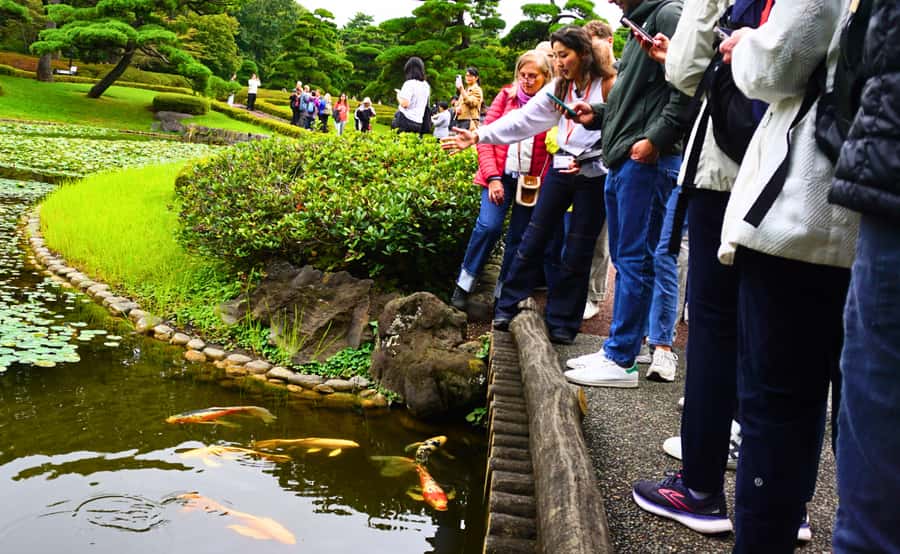
- Royal koi fish moment
- Trees gifted to the emperor
- Old samurai house and garden ruins feel
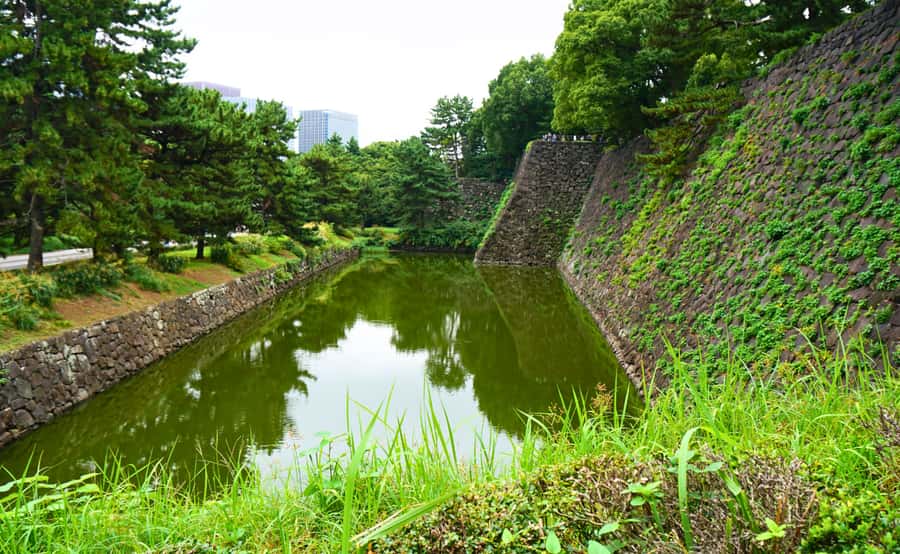
- Edo Castle Over 350 Years Ago: How the Site Explains Japan’s Power
- Pace, Shade, Photo Stops, and Rain-or-Shine Comfort
- Price and Value: Is $32 Fair for This Imperial Palace Walk?
- Who This Tour Fits Best (and Who Should Skip It)
- Should You Book This Imperial Palace History Walking Tour?
- FAQ
- Where is the meeting point for the tour?
- How do I get to the meeting point from Tokyo Station or Otemachi Station?
- Is the Inner Palace included?
- What languages is the tour offered in?
- Does the tour run in bad weather?
- What is included in the tour price?
- What items are not allowed during the tour?
- Is this tour suitable for wheelchair users?
Key Highlights You’ll Actually Care About
- Friendly English (and French) guides who hold a clear meeting sign and answer questions well
- Otemon Gate walk that sets up the Shogun-to-Emperor transformation with a miniature model
- Bamboo forest + garden photo spots that make the walk feel like more than a lecture
- Royal koi fish moment that turns a calm garden stop into a standout memory
- Edo Castle site stories that help you picture what stood here before
- Social ranking explanation (farmer to shogun) that gives context to Japan’s power structure
Meeting at Wadakuramon Fountain Park and Finding Your Guide
You’ll start near the Imperial Palace area, meeting your guide at Starbucks in the Wadakuramon Fountain Park zone. The practical part is good here: if you’re using Otemachi Station, it’s just about a 5–10 minute walk, and it’s similarly easy from Tokyo Station.
When you arrive, look for your guide holding a sign with the Sunrise Adventure logo, so you can get moving without guesswork. This matters more than people think. In Tokyo, saving even 10 minutes on confusion makes the whole morning feel smoother—especially since the tour happens rain or shine.
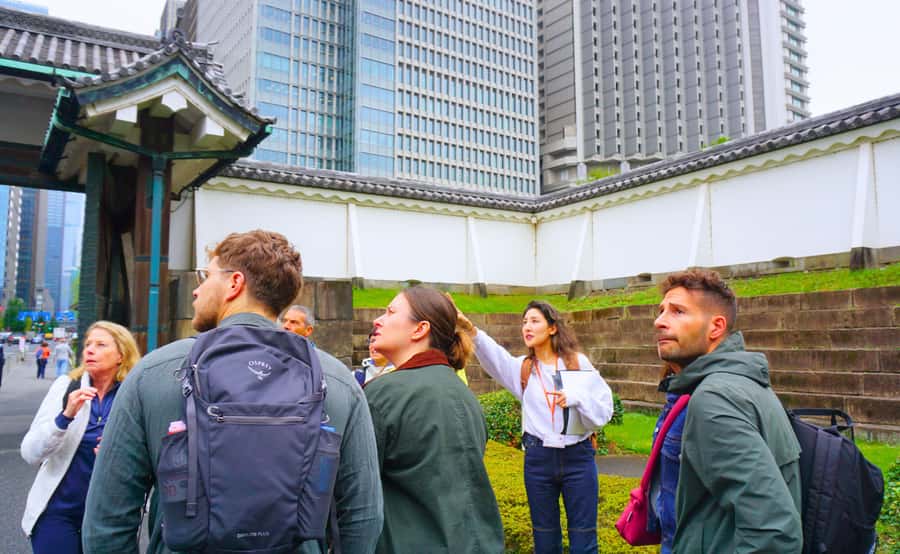
The tour runs with small-group energy, and you’ll feel that right away in how the guide communicates. In guides like Mika, Laki, and Alexandre, the pattern is consistent: clear explanations, good volume, and a willingness to help with practical travel questions if you ask.
You can also read our reviews of more tours and experiences in Tokyo.
Otemon Gate to the Shogun-to-Emperor Story (Without the Inner Palace)
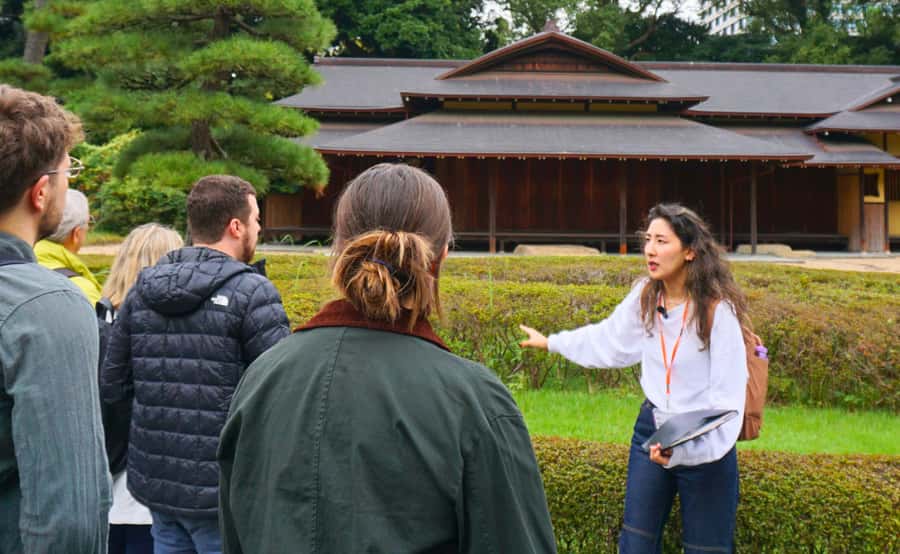
The tour heads toward the Otemon Gate first, which is where the story snaps into focus. You’ll step into the palace grounds and get a guided explanation of how the old castle world relates to what you’re seeing today.
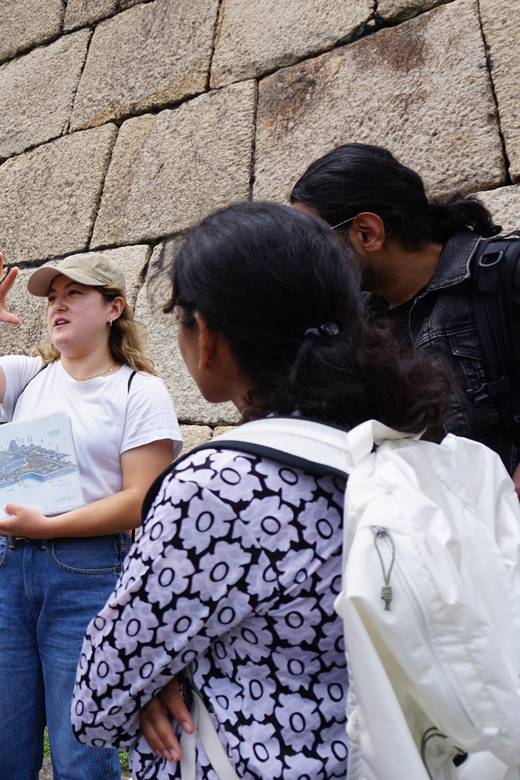
Here’s the key idea the tour teaches: the original castle isn’t standing anymore, but the site still carries that history. Your guide will describe how the Shogun’s seat of power connects to the later transformation into the Emperor’s palace. There’s also a miniature model shown during the walk, which helps your brain build the timeline instead of guessing from empty space.
This is also the moment where you’ll understand why the tour is called history-focused rather than just “garden stroll.” You learn to read what’s around you—gate locations, pathways, and garden zones—as pieces of a bigger power story.
One important limitation: you’re not visiting the Inner Palace, since it isn’t open to the public. That’s the biggest “don’t expect this” point. You’ll still see plenty of grounds and perspective, but if your dream is to go inside restricted areas, you’ll want a different plan for that.
Eastern Gardens Highlights: Bamboo, Royal Koi, and Gifted Trees
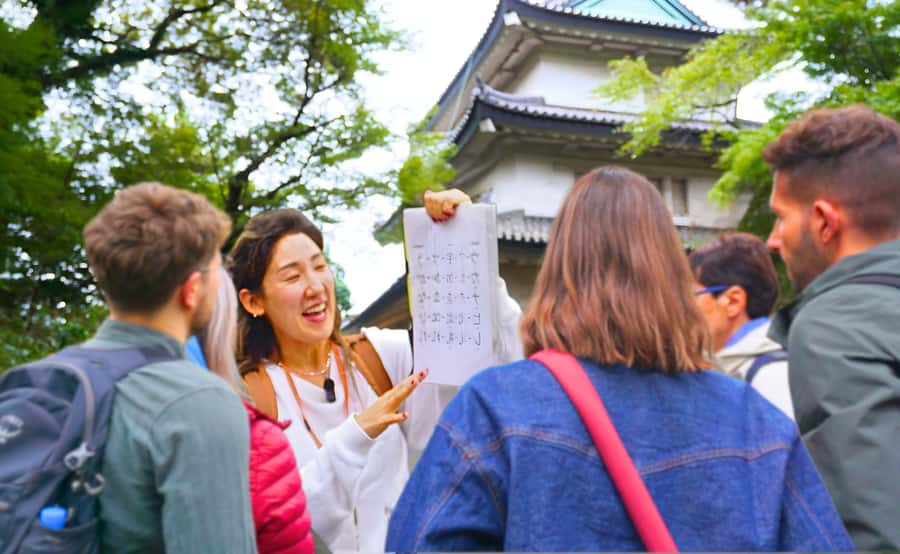
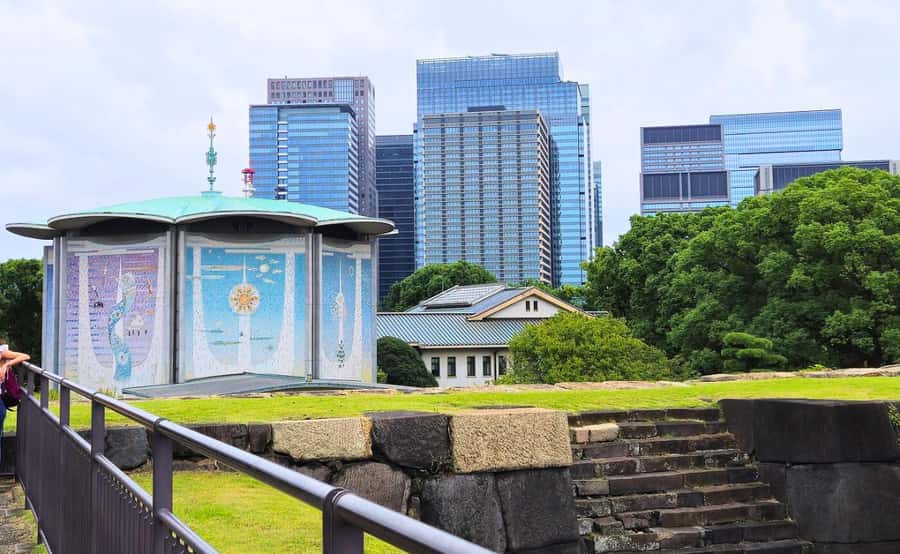
Once you’re past the initial gate area, the tour shifts into the part people remember: the grounds. The Eastern Gardens are peaceful, and the scenery does the heavy lifting—especially with stops that feel visual, not just verbal.
Bamboo forest
You’ll include a bamboo forest stop, which gives you that classic Tokyo stillness. It also works as a mental reset. After the political history talk, the bamboo area gives you a breather and a chance to take photos without feeling like you’re “on duty.”
Royal koi fish moment
The royal koi fish scene is a true highlight. Koi aren’t just decoration here; they’re part of the palace-garden atmosphere, and the guide will help you understand why they show up in this setting. It’s one of those moments where the tour becomes more than history because it’s simply beautiful to watch.


Trees gifted to the emperor
Another standout stop is the look at trees from different parts of Japan, reportedly gifted to the emperor over many years. This connects the palace to the wider country rather than treating it like an isolated place of power. You’ll get the meaning behind the variety, which makes the gardens feel like a system—not a random collection of pretty spots.
Old samurai house and garden ruins feel
You’ll also spot elements like an old samurai house along the way, plus the “this used to be something else” feeling around Edo Castle’s presence. Even when structures are gone or changed, the guide’s explanations help you picture the former layout and purpose.
Edo Castle Over 350 Years Ago: How the Site Explains Japan’s Power
A major reason this tour is worth it is that it doesn’t treat Edo-era history like a distant textbook chapter. It uses the actual palace grounds to explain what happened here.
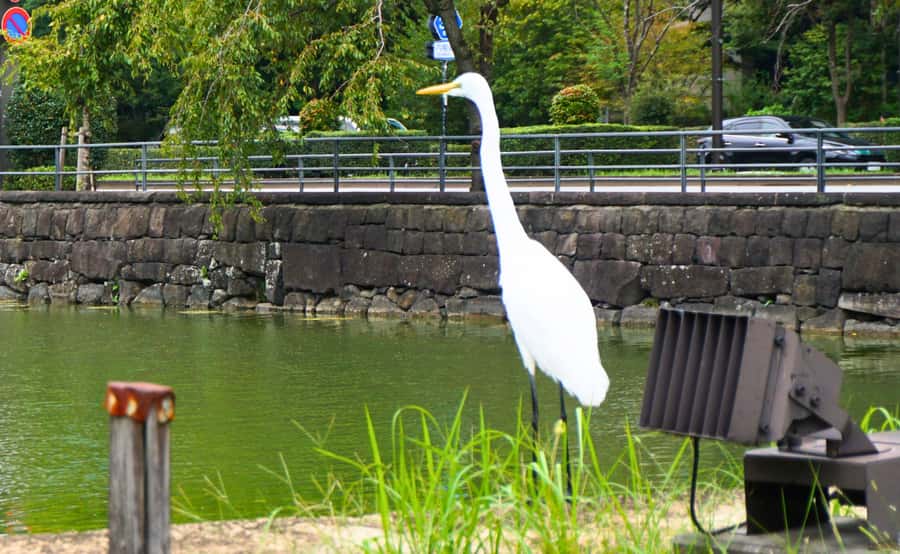
The tour highlights the fact that Edo Castle once stood on this site for more than 350 years, and your guide ties that to the bigger story of how Japan changed from shogun-led governance to imperial symbolism and authority. You’ll hear this as you walk, so the place becomes a timeline you can physically track.
You also learn about the old ranking system—farmer, samurai, daimyo, shogun—and how that ladder shaped daily life and power relationships. This is where the tour becomes practical for your future Tokyo sightseeing. If you later visit temples, shrines, samurai-themed exhibits, or even certain neighborhoods, you’ll have a framework for understanding what mattered and why.
And yes, it’s explained in a way that sticks. Guides like Natsumi and Nico are especially praised for storytelling that answers questions without turning the tour into a one-way lecture.
Pace, Shade, Photo Stops, and Rain-or-Shine Comfort
This is a walking tour in rain or shine, so plan for Tokyo weather. Wear clothes that match the day—light layers for heat, a rain shell for wet weather. The tour’s rules also help you pack smarter: no weapons or sharp objects, no smoking, no drones, no alcohol or drugs, no skateboards, and no making fire.
In hot weather, the most helpful thing is shade. Some guides are praised for being mindful of the heat, pausing where trees and covered areas allow, and even giving small helpful items for warm conditions. You’ll also find stories about mosquito spray being provided inside the palace gardens area, which is sensible since the grounds include lots of nature.
In terms of pace, the repeated praise is that it’s not rushed. Guides such as Mika, Lakki, and Alexandre are described as thoughtful with timing, asking questions, and answering follow-ups. If you like a tour where you can ask things and not get brushed aside, this fits.
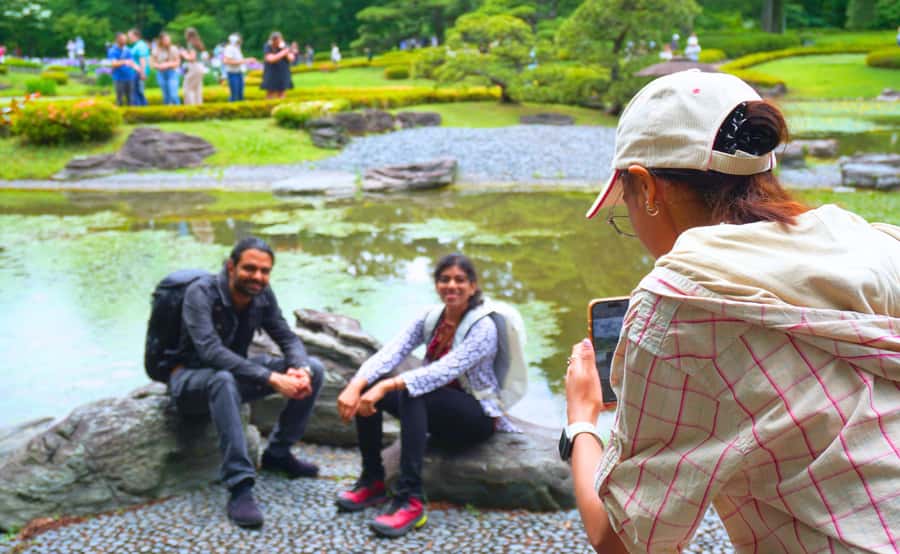
Photo spots are part of the experience, not an afterthought. Bamboo, koi, gate views, and garden corners give you multiple angles, and the guide knows where the best views are—so you spend less time wandering and more time composing.
Price and Value: Is $32 Fair for This Imperial Palace Walk?
At $32 per person, the value comes from three things working together: a guided history narrative, multiple garden highlights, and a guide who can help you keep your trip moving.
A standalone garden visit can be pleasant, but it won’t explain the Shogun-to-Emperor shift, the Edo Castle site, or the ranking system you learn on this tour. Here, the guide turns scenery into meaning. That’s the core value.
Then you add practical perks: great photo stops, a beautiful garden sequence, bamboo forest, and the royal koi fish moment. And since guides may share additional travel tips, you can treat the tour as a first-day orientation for Tokyo—especially helpful if you want ideas for lunch or nearby sights. Several reviews specifically highlight how guides provided food and sightseeing recommendations, and that’s the kind of service that can save you time later.
So yes, it’s a budget-friendly price for a high-context experience. The best part is that you don’t have to be a Japan-history expert to benefit. The tour is built for people who want to understand what they’re seeing.
Who This Tour Fits Best (and Who Should Skip It)

This one is a great pick if you want:
- a guided walk through Imperial Palace Eastern Gardens with clear historical storytelling
- a shortcut to understanding Edo-era power and how it connects to modern Japan
- photo-friendly stops (bamboo and koi) paired with explanations you can actually use
It’s also a good match for first-time Tokyo visitors. Starting your trip with a place like this helps everything else feel less random.
But you should skip it if you fall into the listed “not suitable” groups. It’s not suitable for pregnant women, people with back problems, those with mobility impairments, wheelchair users, people with heart problems, those with recent surgeries, and people with low level of fitness. It’s also just a standard walking experience, and the grounds include nature and paths that aren’t described as step-free.
If you’re unsure about your stamina, it’s worth thinking of this as an active history walk, not a sit-down museum tour.
Should You Book This Imperial Palace History Walking Tour?
I’d book it if you want a morning that feels calm but teaches you real context. You’ll see the Eastern Gardens, hit the bamboo forest and royal koi fish moments, and come away understanding the Shogun’s world—plus how the site’s Edo Castle past connects to the later Imperial setting. The guide quality is a major strength, with many comments praising guides such as Mika, Natsumi, Laki, Alexandre, and Nico for clarity, humor, and answering questions.
Skip it (or plan differently) if your top priority is access to restricted areas, because the Inner Palace isn’t included. Also be honest about your fitness and mobility needs, since the tour isn’t listed as suitable for several groups.
If you’re good with that, this is one of the better value ways to make Tokyo’s Imperial Palace grounds feel alive and understandable.
FAQ
Where is the meeting point for the tour?
You meet your guide at a Starbucks near the Wadakuramon Fountain Park, in the Imperial Palace area.
How do I get to the meeting point from Tokyo Station or Otemachi Station?
You can take the train to Tokyo Station or Otemachi Station, then walk about 5–10 minutes to the Wadakuramon Fountain Park area.
Is the Inner Palace included?
No. The tour does not include access to the Inner Palace, since it is not open to the public.
What languages is the tour offered in?
The tour is offered in English and French.
Does the tour run in bad weather?
Yes. It takes place rain or shine.
What is included in the tour price?
The price includes a guided walking tour and highlights such as photo spots, the garden, bamboo forest, and royal koi fish, plus a guide who can help with other travel tips.
What items are not allowed during the tour?
Weapons or sharp objects, smoking, drones, alcohol and drugs, skateboards, and making fire are not allowed.
Is this tour suitable for wheelchair users?
No. It is not suitable for wheelchair users and several other mobility-related situations.
If you want, tell me your travel dates and your fitness level, and I’ll suggest the best time of day to do it and what to pair it with nearby.