REVIEW · TOKYO
Tokyo: Imperial Palace East Gardens and Tokyo Station Tour
Book on GetYourGuide →Operated by Reelu inc · Bookable on GetYourGuide
Imperial Tokyo has a secret walk. You’ll follow a simple route from the Imperial Palace East Gardens to Marunouchi and end at the restored Tokyo Station, with stops that explain how Japan’s castle-city and imperial life were laid out. I especially like how the guide’s talk makes Edo-era details feel clear, including the kind of visuals you can carry in your head as you walk toward the Nijubashi views. The main catch is the pace: it’s a moderate walking route, and you’ll want comfortable shoes since you can’t bring backpacks.
What makes this tour work is the mix of calm and city energy. You start near the Wadakura Fountain Park area, then spend time in garden paths and historic ruins, before shifting into Marunouchi’s modern architecture and art. If you’re sensitive to time outdoors or sun, plan your clothing and bring water so you’re not dealing with heat mid-route.
I’d also think about your photo habits. Flash photography is not allowed, and that can affect how you shoot inside or around viewpoints, so you’ll rely on daylight and patience instead. The good news is the tour is guided in multiple languages, and the route is wheelchair accessible.
In This Review
- Key highlights worth planning around
- A 150-minute route from Imperial Palace to Tokyo Station
- Starting at Wadakura Fountain Park: get your bearings fast
- Ninomaru Garden: Edo Castle design cues you can see
- Imperial Palace East Gardens: gates, guardhouse details, and Nijubashi views
- Honmaru and Kokyo Gaien National Garden: where the grounds become a map
- Marunouchi on foot: modern architecture with imperial context
- Tokyo Station finale: red brick, restored character, easy next steps
- Yuki’s guiding approach: humor, clarity, and visuals
- Price and value: about $38 for 150 minutes
- What to bring (and what to avoid) for a smooth walk
- Who should book this tour
- Should you book this Imperial Palace East Gardens and Tokyo Station Tour?
- FAQ
- How long is the Tokyo: Imperial Palace East Gardens and Tokyo Station Tour?
- Where does the tour start?
- Where does the tour finish?
- Do I need to pay an admission fee for the Imperial Palace East Gardens?
- What are some of the key places you visit?
- Is the tour guided in English?
- Is the tour wheelchair accessible?
- What should I bring?
- Is flash photography allowed?
- Is there free cancellation?
Key highlights worth planning around
- Yuki’s storytelling style that keeps Edo Castle details easy to picture
- Ninomaru Garden visit with palace-era layout cues you can actually see
- Nijubashi scenic viewpoints tied to how the castle functioned
- Edo ruins and scale model moments that translate big history into small, understandable facts
- Marunouchi modern stops that connect the palace grounds to today’s Tokyo
- Tokyo Station exterior finish at a restored, red-brick landmark
A 150-minute route from Imperial Palace to Tokyo Station
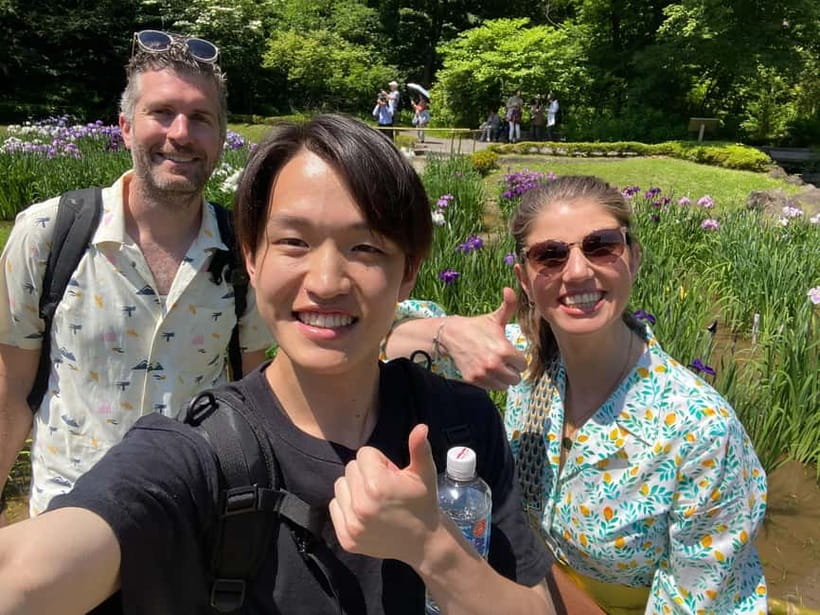
This is the kind of Tokyo walk that feels efficient without feeling rushed. In about 150 minutes, you get palace-garden calm, castle-city history, and then a clear shift into central Tokyo’s business-and-streetlife zone.
The real value here is the way the guide connects spaces. It’s not just where to stand for photos. You learn why each area mattered, from the moats and garden design to the way watchtowers and gates fit into Edo-era defense and control.
You can also read our reviews of more tours and experiences in Tokyo.
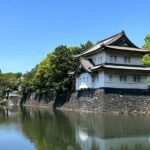
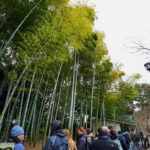
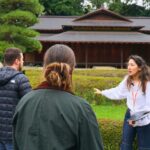
Starting at Wadakura Fountain Park: get your bearings fast
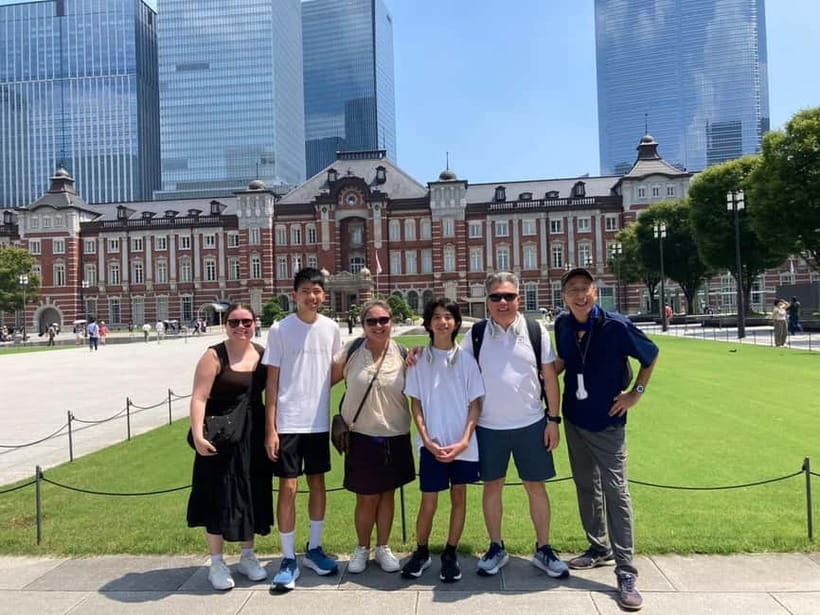
You meet at スターバックス コーヒー 皇居外苑 和田倉噴水公園店, a convenient landmark right by the Imperial Palace Outer area. For first-time visitors, that matters, because it helps you orient quickly before you step into the quieter palace grounds.
From that start point, you’re not dropped into confusing side streets. You’re basically guided into the story, with the early moments setting the tone: water, stone, and garden design that echoes the Tokugawa shogunate era. Bring a hat and sunscreen if the day is bright, since you’ll be outdoors for parts of the route.
Ninomaru Garden: Edo Castle design cues you can see
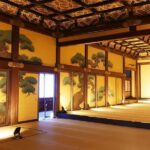
Ninomaru Garden is one of those stops that rewards slow attention. Even if you’ve seen photos of the Imperial Palace area, the garden layout and surrounding palace logic can feel more concrete when you walk it with a guide.
Here’s what I like most: the tour doesn’t treat the garden as decorative only. You get context for how palace spaces were organized, how sightlines and movement worked, and how the Edo Castle world shaped what you see today. It’s history you can track with your feet.
Imperial Palace East Gardens: gates, guardhouse details, and Nijubashi views
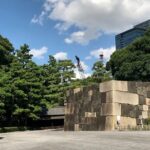
The guided time in the East Gardens is around 30 minutes, and it focuses on specific, named landmarks rather than vague “pretty spots.” You’ll look for and learn about places like the Ote-mon Gate and the Hyakunin Bansho guardhouse, with explanations tied to how the castle city operated.
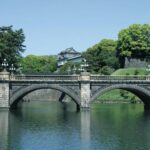
One moment that stands out is the scenic viewing connected to Nijubashi Bridge. The tour helps you connect that viewpoint to the bigger story of Edo Castle’s main keep and defensive layout. Even if you’re not an architecture nerd, you’ll start to understand why these locations were chosen and how they controlled movement and visibility.
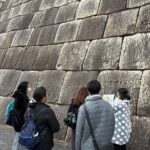
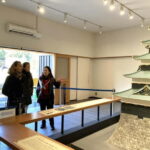
A big bonus is that you’re shown how parts of the old Edo Castle remain visible as ruins and references. You’ll also hear about the Edo Castle main keep scale model and elements like the Fujimi-yagura watchtower. The scale model angle matters because it bridges the gap between what’s gone and what used to be there.
Honmaru and Kokyo Gaien National Garden: where the grounds become a map
After the named viewpoints and structures, you move through areas tied to the palace core, including the Honmaru area and Kokyo Gaien National Garden. This portion helps you stitch together what you saw earlier, turning isolated landmarks into a clearer mental map.
This is also where the guide’s approach really helps. If you’ve ever walked a historic site and felt like you were collecting trivia, this tour aims to do the opposite. You’ll leave with a “why this place” feeling, not just a “what was here” list.


Marunouchi on foot: modern architecture with imperial context
Once you step into Marunouchi, the tone changes fast. The streets bring you to a district known for modern building design and public art, and it’s an interesting contrast after the palace gardens.
What I like about this transition is that it isn’t random. The guide keeps tying the urban space back to what came before. So instead of feeling like you suddenly entered an office district with nowhere to put your historical curiosity, you get a thread between past planning and present-day Tokyo.
You’ll also have a guided segment here, plus short walking stretches that keep the energy moving. It’s a good balance: enough city time to feel Tokyo, but not so much that you lose the palace story.
Tokyo Station finale: red brick, restored character, easy next steps
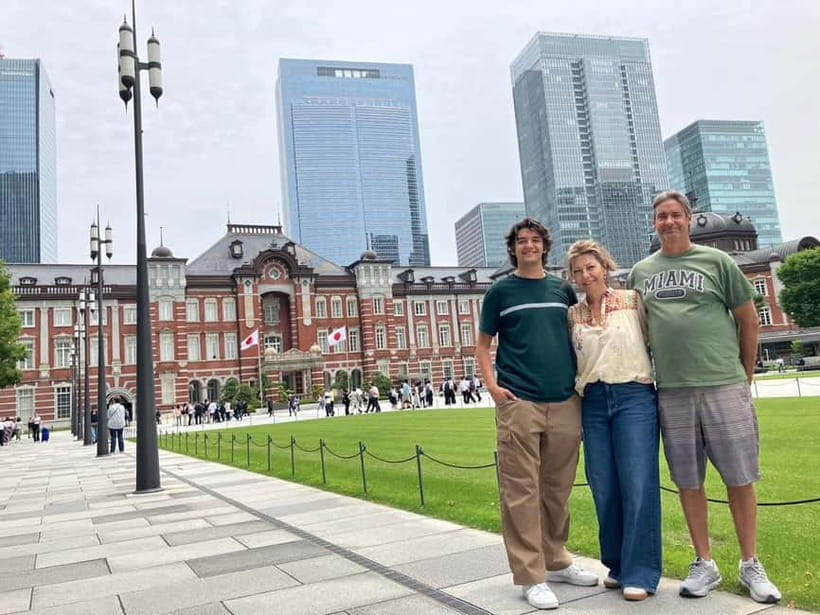
The tour ends at 東京駅 (Tokyo Station), with a guided look at the exterior and time to soak in the atmosphere. Tokyo Station is one of those spots where architecture becomes part of how you navigate the city, so ending there is smart.
This ending point is practical for your day planning too. If you’re heading to the Shinkansen later, you’re already positioned in the right place. If you’re continuing sightseeing, Tokyo Station is also a major transit hub, so you won’t feel stranded.
And because the tour finishes after the palace-and-city contrast, the station feels like a natural landing. You go from quiet gardens and moats to the pulse of central Tokyo, without having to switch gears on your own.
Yuki’s guiding approach: humor, clarity, and visuals
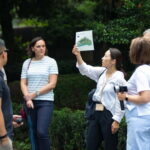
The standout element from the guide experience is Yuki. In every positive account, the common thread is how clearly Yuki explains the area around the Imperial Palace, and how she does it in an easy-to-follow way with humor.
That matters more than people think. The Imperial Palace grounds can feel abstract if you only get general explanations. But when someone can describe the Edo-era world in a way that you can picture, the whole walk becomes more than sightseeing. You start to feel how the space was used.
It also helps that Yuki blends today’s Tokyo with the past. So you’re not just hearing about 400 years ago in a vacuum. You’re seeing how the city layers itself, and you understand where the gaps are.
Price and value: about $38 for 150 minutes
At $38 per person for roughly 150 minutes, this tour sits in a reasonable range for a guided walk that includes a structured garden component. The other value piece is that the Imperial Palace East Gardens entry is handled without you paying a separate admission fee as part of this tour.
What you’re paying for is the guide’s work: connecting the landmarks (gates, guardhouses, garden areas) to the Edo Castle logic, plus helping you navigate Marunouchi efficiently. If you like history but don’t want to spend hours piecing together self-guided context, this price-to-time ratio makes sense.
If you’re traveling with a tight schedule and want one high-impact route that covers both imperial grounds and Tokyo Station, you’ll likely feel the value quickly.
What to bring (and what to avoid) for a smooth walk
The tour is straightforward, but small choices make it easier.
Bring:
- Comfortable shoes (you’ll be on foot for a moderate amount)
- Hat, sunscreen, and water
- Camera
- Weather-appropriate clothing
Skip:
- Backpacks (not allowed)
- Flash photography (not allowed)
- Smoking (not allowed)
If you rely on a phone camera, turn off flash before you forget. It’s the kind of rule that’s easy to accidentally break without realizing it.
Who should book this tour
You’ll be happiest if you’re one of these kinds of travelers:
- You like imperial and shogunate-era context, and you want it explained clearly while you walk
- You want a guided bridge between a quiet historic site and central Tokyo
- You’re trying to see major highlights in a short window without building your own route
It’s also a good fit if you want a calm, guided pace rather than a fast stamp-collecting plan. The biggest mismatch would be if you dislike any outdoor walking in sun or if you require carrying a backpack.
Should you book this Imperial Palace East Gardens and Tokyo Station Tour?
Yes, if you want a guided, explanation-heavy route that turns palace grounds into something you can visualize. This one earns its keep through specific stops, including gates and guardhouse references, and through Yuki’s humor and clarity.
No, if you prefer totally self-directed wandering with no structured narrative. Also skip it if you won’t manage a moderate walking route or you rely on flash photography or backpacks during your day.
FAQ
How long is the Tokyo: Imperial Palace East Gardens and Tokyo Station Tour?
It lasts about 150 minutes.
Where does the tour start?
You start at スターバックス コーヒー 皇居外苑 和田倉噴水公園店.
Where does the tour finish?
The tour finishes at 東京駅 (Tokyo Station).
Do I need to pay an admission fee for the Imperial Palace East Gardens?
No. The tour includes entry to the Imperial Palace East Gardens with no admission fee required.
What are some of the key places you visit?
You’ll visit Ninomaru Garden and the Imperial Palace East Gardens, and you’ll also see key landmarks such as Ote-mon Gate and the Hyakunin Bansho Guardhouse, along with other historic-site viewpoints connected to the Edo Castle area.
Is the tour guided in English?
Yes. The live guide is available in English, along with Japanese, Spanish, Chinese, and French.
Is the tour wheelchair accessible?
Yes, it is wheelchair accessible.
What should I bring?
Wear comfortable shoes, and bring a hat, camera, sunscreen, and water. Dress for the weather.
Is flash photography allowed?
No, flash photography is not allowed.
Is there free cancellation?
Yes. You can cancel up to 24 hours in advance for a full refund.