REVIEW · NOVI SAD
Novi Sad: Walking Tour city center and Petrovaradin Fortress
Book on GetYourGuide →Operated by Serbia with Love · Bookable on GetYourGuide
Novi Sad has two worlds in one walk. This route pairs the culture of Matica Srpska with the big, postcard view from Petrovaradin Fortress, all tied together with real street-level Novi Sad along the way. You’ll hit Orthodox, Catholic, and Jewish landmarks, then end up staring over the Danube like the city is one giant model.
I love that the guide connects what you see to how people lived here, not just what buildings look like. One possible drawback: the whole thing is on foot, and once you’re headed for the fortress you’ll want solid footing and comfort with steps.
I also like the small-group feel. I’ve toured with Vladimir in this part of Serbia, and his English (and sometimes Russian) makes the stops easy to follow. You’ll get the pace to match your group, not a rushed conveyor belt.
In This Review
- Key things I’d plan around
- From Trg Slobode through churches and the Synagogue
- Matica Srpska: the stop that makes everything else click
- Danube Park and the river: a green pause before the fortress climb
- Crossing Varadin Bridge into Petrovaradin Fortress
- Clock Tower views, tunnels, and a guide who adapts
- Price and logistics: why $41 can work (or not) for you
- What to wear and how to time your day
- Who this tour suits best
- Should you book this Novi Sad and Petrovaradin walk?
- FAQ
- Where does the tour start?
- How long is the walking tour?
- What are the main stops during the tour?
- What languages are available for the live guide?
- Is pickup available?
- Is this tour suitable for people with mobility impairments?
Key things I’d plan around
- Matica Srpska’s inside access: a cultural institution built around books, manuscripts, and artwork.
- A rare stop at the Novi Sad Synagogue: one of four still standing in Serbia, with a WWII-era history shift.
- Danube Park break + river photo time: 20 minutes of green space, then 10 minutes by the water for photos.
- Varadin Bridge to Petrovaradin Fortress: the walk “moves” from town to stronghold fast.
- Clock Tower panoramas and tunnels: views over the city, plus stories that go underground.
From Trg Slobode through churches and the Synagogue
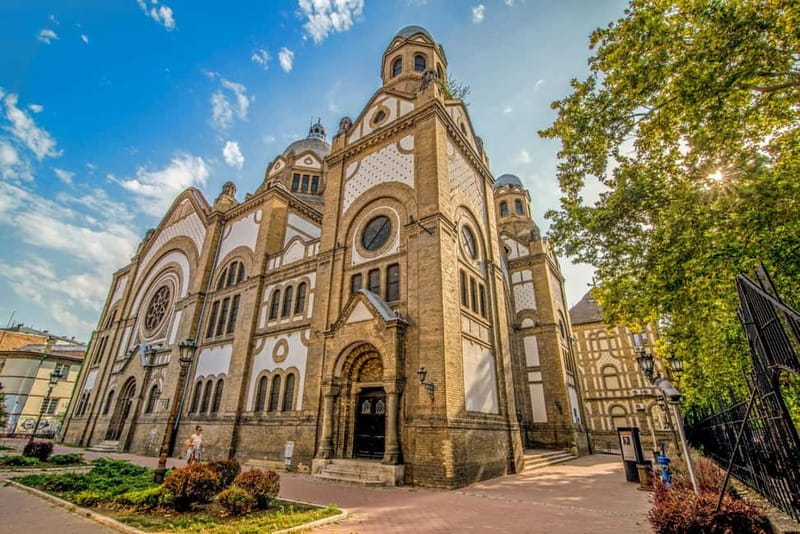
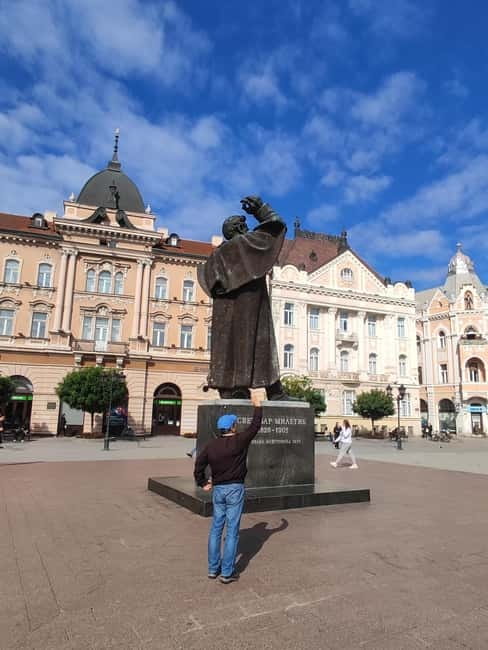
The tour starts at Trg Slobode, a square that quickly gives you the shape of central Novi Sad. From there, you’ll begin with the Serbian Orthodox Cathedral nearby, then work your way along Futoška Street toward the city’s key historic stops. This is a smart opening because it sets the tone: Novi Sad isn’t one single-era city. It’s layers—religious, cultural, and architectural—stacked in a way you feel as you walk.
One highlight is the stop at the Novi Sad Synagogue. The guide takes you through a short guided visit (about 10 minutes) and explains why this building matters. It’s one of the four remaining synagogues in Serbia, and it served the Ashkenazi rite until the Second World War. After that, it shifted roles and now hosts cultural events and music concerts. Even if you’re not a history nerd, you’ll probably notice how a place can change without losing its sense of importance.
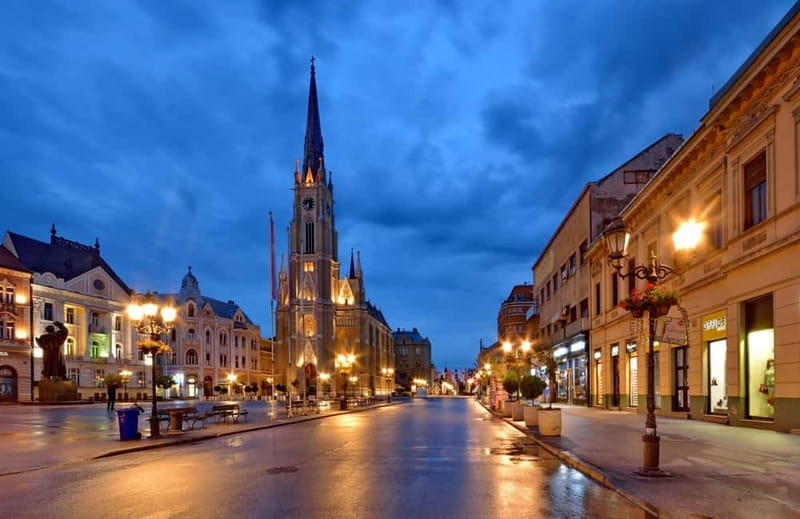
You’ll also see major Christian landmarks that help stitch the story together. Expect guided visits at the Dormition Church and the Roman Catholic Church of the Name of Mary, each about 10 minutes. The Serbian National Theatre is in the mix too (another guided stop at around 10 minutes). The theatre stop is useful for perspective: it shows that Novi Sad isn’t only churches and fortress walls. It’s also performance, public life, and civic identity.
What I like for first-timers: you don’t just check a box at each site. The route is structured so the guide can explain how these communities fit into the city’s bigger timeline.
What to consider: since you’re moving on foot between landmarks, this part can feel fast if you’re hoping to linger at one location. If you want more time in a single church or courtyard, tell the guide early and keep your group’s rhythm in mind.
Matica Srpska: the stop that makes everything else click
Matica Srpska is the anchor of the walk. After touring around the cultural landmarks in the center, you’ll head to Matica Srpska, one of Serbia’s oldest and most important cultural institutions. The visit focuses on its collections: books, manuscripts, and artwork.
Why this matters for your trip: forts and river views are easy to photograph, but Matica Srpska gives you context. It helps you understand why this region takes culture seriously—why people preserve texts, art, and history in a place shaped by many influences over time. When the guide shares background here, the later fortress stories and city symbolism make more sense, because you’ve got the “why” before the “wow.”
You’ll spend time here with a guided explanation, and the setting itself is a change of pace from streets and churches. It’s also a good midday mental reset: a quieter, more focused visit before you head back out for the green space and the Danube.
My practical tip: if you’re the type who likes to take a few notes while walking, consider slowing down a touch during Matica Srpska. The guide’s explanations tend to connect several parts of Novi Sad. A quick moment to capture those links helps later when you’re on the fortress viewpoints.
Danube Park and the river: a green pause before the fortress climb
After the cultural stops, you’ll move toward Danube Park (Dunavski Park) for about 20 minutes. This is the breathing room part of the tour. The park brings in the greenery, plus the fountain you’ll see mentioned in the tour plan. It’s a very “Novi Sad” kind of intermission: you step out of the stone-and-spirit mood of the earlier churches, then you’re back to everyday city life around a public space.
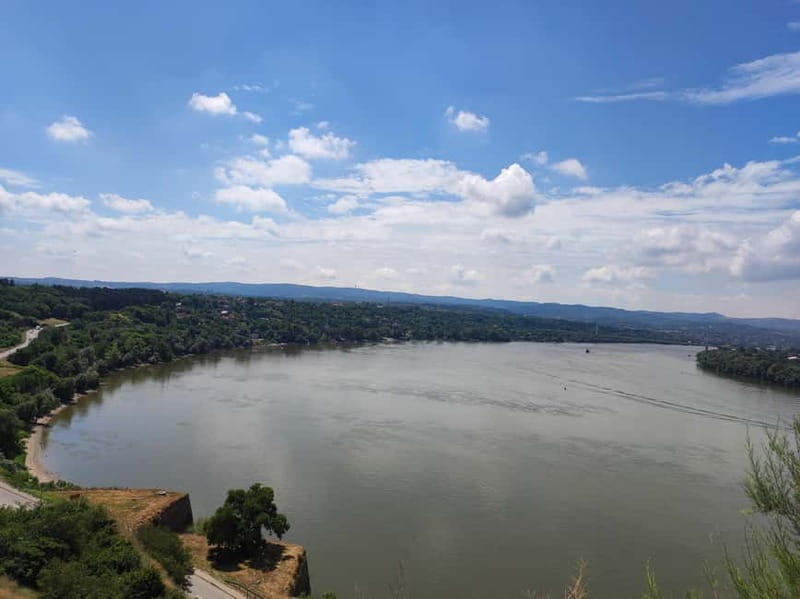
From the park, you’ll reach the Danube River for a short photo stop—around 10 minutes. This is timed well. You don’t get stuck too long taking photos at the waterline. You get your views of the river, you see how the skyline lines up, and then you’re ready for the fortress.
What I like about this structure: it turns the Danube from a postcard idea into a real, lived-in geography. You can actually “see” how the fortress looks down over the river corridor, which makes the next section feel less like a separate attraction and more like the natural next chapter.
Quick caution: the river area can be breezy, especially near open water. If you tend to get cold easily, plan for that without turning the trip into a clothing drama.
Crossing Varadin Bridge into Petrovaradin Fortress
Then comes the big shift: crossing the Varadin Bridge and heading into Petrovaradin Fortress. You’ll enter the fortress and get a guided tour that lasts about 30 minutes, with the guide covering history and architecture along the way.
This part is where you feel why Petrovaradin matters. Outside, the city is “city.” Inside the fortress, you’re in a defensive world. The buildings, walls, and vantage points change your sense of scale. You also start to understand how the Danube functioned as both a boundary and a corridor.
One of the most exciting moments is the stop at the clock tower area. You can take in panoramic views of the city and the surrounding countryside from there. If you’re traveling with someone who likes photos, this is the moment that usually makes everyone agree without negotiation.
The tour also includes stories connected to the tunnels beneath the fortress. In my experience, these kinds of underground features make the fortress feel less like a museum and more like a living machine built for survival and control. It also gives the guide an opening to explain the logic behind the fortress layout, not just list dates.
Why this is good value for a short tour: you’re not spending all day hiking. You get the fortress highlights in a focused timeframe: architecture, viewpoints, and a couple of “how did they think this through” moments.
Clock Tower views, tunnels, and a guide who adapts
The experience is strongly shaped by the guide. In particular, I’ve heard (and seen in action) how Vladimir works with small groups and adjusts the plan when needed. For example, in one case he drove participants to the fortress instead of walking the full way when someone wasn’t well. In another, a slower-paced group reached the fortress after dark, and the timing shifted what could be seen—yet the city view at night became part of the experience rather than a loss.
That adaptability matters, because Novi Sad is a walking city and the fortress section can stretch your legs. The guide also accommodates different group dynamics. If you have a mix of ages, or if you want a slower pace with more questions, the tour is built for conversation, not silence.
You’ll likely notice a consistent style in how the guide tells the story:
- short explanations at each stop
- questions answered in plain language
- extra local context that doesn’t feel like a lecture
I also like that the information isn’t only “here’s a building.” It’s tied to how people relate to the city today. One guide even shared personal anecdotes as a way to make the setting feel real instead of theoretical.
A small planning tip: if you have to pick your energy level, keep the last 30 minutes of the walk in mind. The fortress viewpoints and clock tower area are where you’ll want your eyes and phone camera ready.
Price and logistics: why $41 can work (or not) for you
At about $41 per person for a 2–3 hour private walking tour, the value comes from concentration. You’re not paying for one single sight. You’re covering a compact “greatest hits” path that includes:
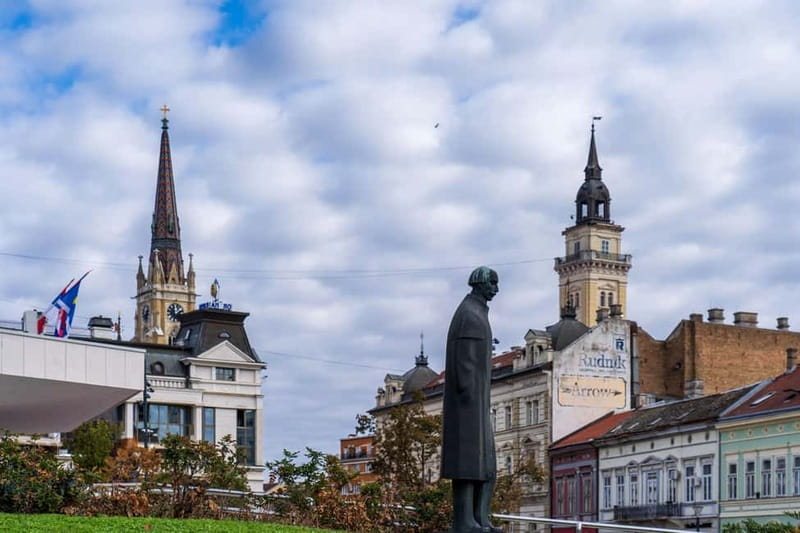
- central landmarks in the city core
- a guided stop at Matica Srpska
- a guided visit at the Novi Sad Synagogue
- Danube Park plus a river photo stop
- entry into Petrovaradin Fortress with a clock tower viewpoint
That’s a lot of guided time for the price, especially in a city where it’s easy to walk past important buildings without understanding why they matter. A local guide turns scattered architecture into a coherent story.
Also, the tour is offered as private or small groups. When it’s just your group, you’re more likely to get pace flexibility—like time for photos or pausing to ask questions.
Where the price may not feel right: if you already know Novi Sad deeply and you’re only interested in the fortress viewpoints, you could skip the cultural center stops and do it on your own. But if you want the connection between city landmarks and river/fortress context, the guide-led structure is the point.
If you’re the type who likes flexibility, there’s also free cancellation up to 24 hours in advance and a reserve now, pay later option.
What to wear and how to time your day
This is a fully walking tour. That sounds simple, but for this specific route it matters. The fortress section includes stairs and uneven surfaces, and the route moves from the city center toward a viewpoint-heavy area. Comfortable shoes are essential.
Beyond footwear, think about timing with your energy:
- If you want better light for photos, aim for a departure time that gives you enough daylight for the fortress viewpoints.
- If you walk slowly, tell the guide early. The guide can adjust pacing and manage the route when groups move differently.
One more practical thought: you’ll be visiting religious sites. Dress codes are usually important in places like this, even if the visit is short. When in doubt, keep your shoulders and knees covered enough to be respectful.
Who this tour suits best
You’ll probably love this tour if:
- you’re visiting Novi Sad for the first time and want an orientation that goes beyond a map
- you enjoy history told through streets, churches, and architecture
- you like seeing a city’s “identity” from both ground level and a fortress viewpoint
- you want a focused 2–3 hour plan without committing to a full day
It may not fit if you:
- need step-free routes or have mobility limitations
- hate walking or prefer private car-based sightseeing only
Should you book this Novi Sad and Petrovaradin walk?
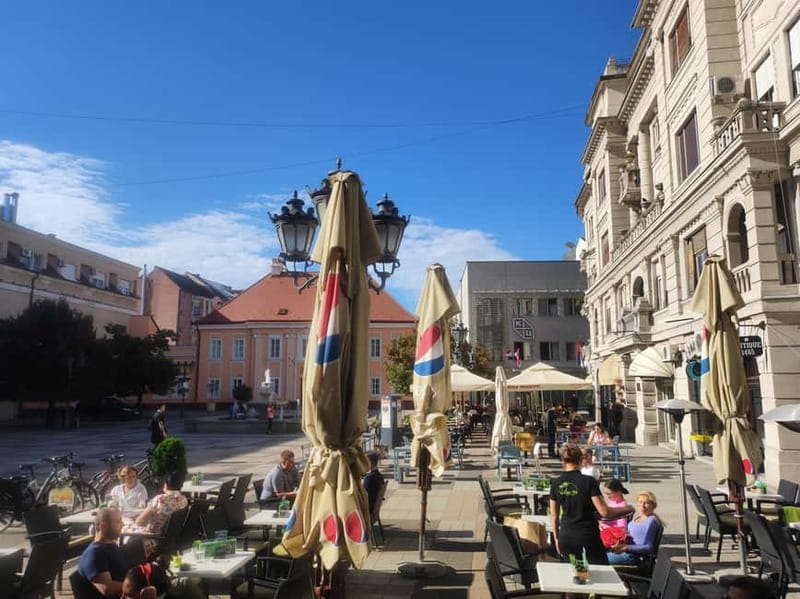
If you want a smart, compact way to understand Novi Sad, I’d book it. The tour hits the key cultural stops in the center (including Matica Srpska and the Synagogue), gives you Danube Park breathing space, and then delivers the main payoff: Petrovaradin Fortress with clock tower panoramas and tunnel stories. For the price, you’re paying for a guide to connect the dots quickly.
I’d only skip it if your focus is purely the fortress and you’re confident navigating and interpreting the rest on your own. Otherwise, this is the kind of tour that turns a short visit into a real sense of place.
FAQ
Where does the tour start?
The guide meets at Sinagoga in Novi Sad, waiting with a GetYourGuide sign in front of the synagogue.
How long is the walking tour?
It lasts about 2 to 3 hours.
What are the main stops during the tour?
You’ll visit the Serbian Orthodox Cathedral area at the start, then go past sites including the Dormition Church, the Roman Catholic Church of the Name of Mary, the Serbian National Theatre, Matica Srpska, the Synagogue, Danube Park, a Danube River photo stop, and Petrovaradin Fortress.
What languages are available for the live guide?
The tour is offered with a live guide in English and Russian.
Is pickup available?
Pickup is optional. If you choose hotel pickup, wait in the lobby. If you select Pozorišni trg as the pickup place, the guide waits near the main entrance to the National Theatre at the stairs, with a GetYourGuide sign.
Is this tour suitable for people with mobility impairments?
No. The tour is not suitable for people with mobility impairments, since it is fully provided by foot.