REVIEW · SEOUL
Day Trip to UNESCO: Suwon Fortress Adventure from Seoul
Book on Viator →Operated by I Love Seoul Tour · Bookable on Viator
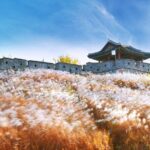
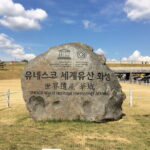
Suwon’s fortress walls feel close enough to touch. This half-day trip takes you out of Seoul for a UNESCO World Heritage morning focused on Hwaseong Fortress and the Joseon-era Haenggung Palace. You get context that turns simple stonework into a story you can actually picture.
What I like most is the way the guide connects the sites to the people behind them. You’ll also appreciate the practical pacing: it’s short enough to leave you energy for Seoul after lunch, but long enough to walk key sections and see the palace up close.
One real catch: a lot of the experience is outdoors. If the weather is rough, the wall sections and walking time can feel cut short, even when the guide tries to keep things moving.
In This Review
- Why this Suwon Fortress adventure earns near-perfect scores
- Getting to Suwon: Myeong-dong pickup and a calm start
- Hwaseong Fortress walk: Joseon defense and a father-son story
- Directional gates and photo stops: where the guide earns their keep
- Hwaseong Haenggung Palace: war-time refuge with royal purpose
- Timing and group size: why 4 hours feels right
- Weather reality: when the outdoors steals the schedule
- Price and value: is $48 a fair deal?
- What to bring so the day goes smoothly
- Who should book this Suwon Fortress tour
- Should you book this UNESCO Suwon Fortress tour?
- FAQ
- How long is the Suwon Fortress half-day tour?
- What does the tour cost and what’s included?
- Where do I meet the group in Seoul?
- Where do you drop us off at the end?
- Is hotel pickup included?
- Are meals included?
- Can I cancel for a full refund?
- Is this tour suitable for most people?
Why this Suwon Fortress adventure earns near-perfect scores
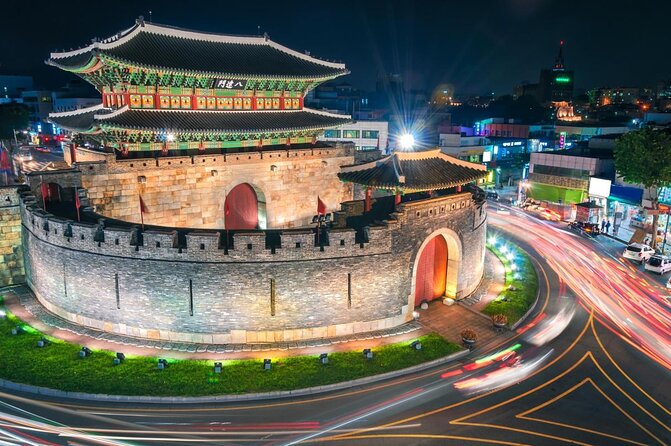
- UNESCO value in half a day: you hit Hwaseong Fortress and Hwaseong Haenggung Palace without losing the whole morning.
- Round-trip air-conditioned transport from Seoul: you’re not stuck figuring out buses or trains.
- Guide-led Joseon context: the story of King Jeongjo and why the fortress exists is part of the plan, not an afterthought.
- Admission included: tickets are covered for both stops, so you’re not juggling extra payments mid-day.
- A photo-friendly fortress walk: people consistently mention the best angles and willingness to help with photos.
- You get time back in Seoul: the schedule is built so you can keep sightseeing or shopping in the afternoon.
Getting to Suwon: Myeong-dong pickup and a calm start
This tour is built around one main convenience: you meet in Myeong-dong and head out from there. The start time is 8:20 am, and the meeting point is Myeongdong Station Exit 1061-7 (Chungmuro 2(i)-ga, Jung District). The return drop-off is back in Myeong-dong.
Transport is by air-conditioned coach or minivan, with a professional guide traveling with you. That matters because it keeps the day smooth. You’re not relying on your own navigation once you leave Seoul, and you can focus on the fortress instead of the route.
One small logistics note: hotel pickup is limited to centrally located hotels. If your place is outside that zone, the guide meets you in front of a nearest central hotel or a nearby subway station. Also, the tour does not stop at shopping centers, so this feels more like sightseeing than a shopping bus with history pasted on.
You can also read our reviews of more tours and experiences in Seoul.


Hwaseong Fortress walk: Joseon defense and a father-son story
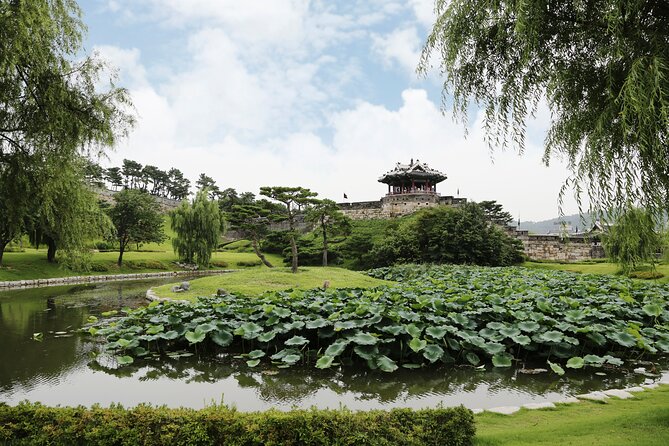
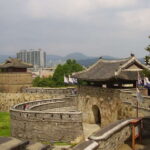
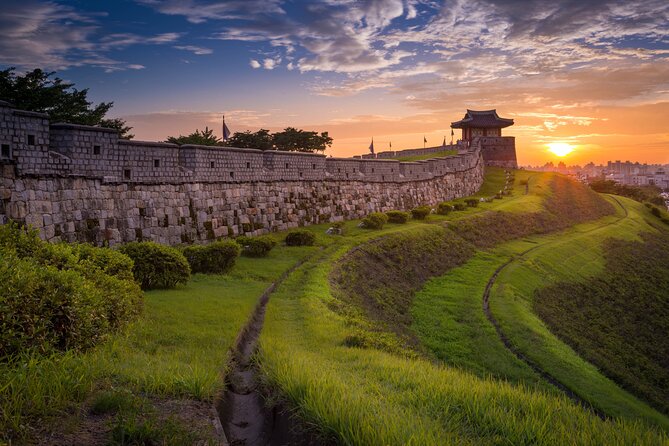
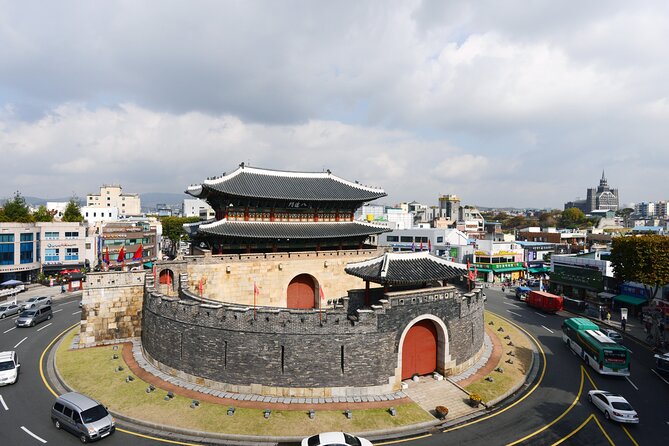
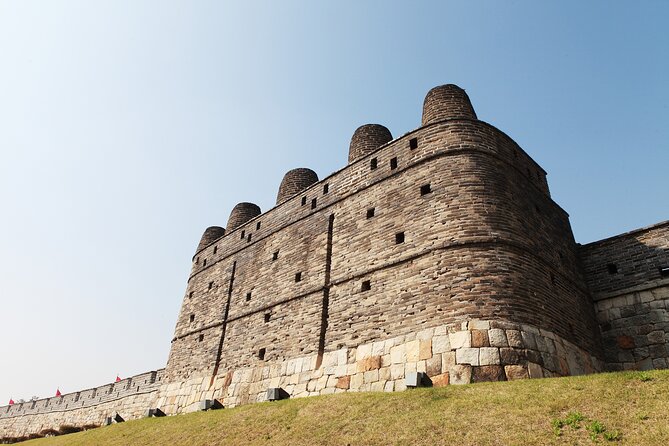
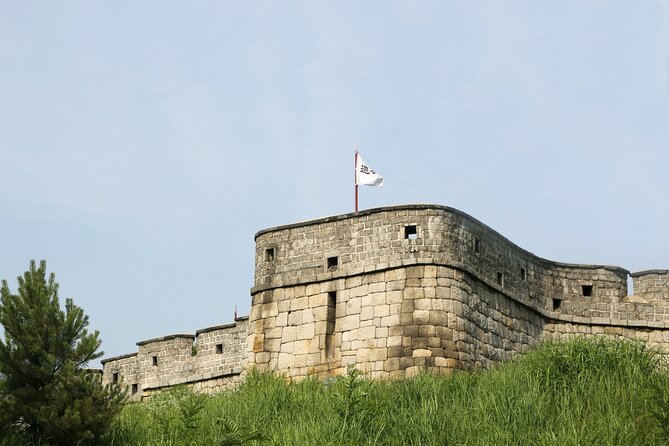
Hwaseong Fortress is the first big stop, with about 1 hour 30 minutes on-site and admission included. This is a late Joseon-era structure (1392–1910) tied to King Jeongjo and his father—specifically, the fortress was built to show filial piety.
That theme is more than trivia. It changes how you look at the walls. Instead of seeing only stone and gates, you start noticing the intent: the fortress is a monument, a defensive system, and a cultural statement all at once. A good guide will point out how the different parts of the fortress connect to symbolism and design choices, including the significance of directional gates.
What you’ll actually do is walk and explore the fortress areas that are most meaningful for orientation and photos. Most people find half a day just long enough to get the scale—without turning the trip into a marathon. The fortress walls can feel huge, and timing helps: you’re not stuck for hours when you’d rather enjoy the rest of your day in Seoul.
Directional gates and photo stops: where the guide earns their keep
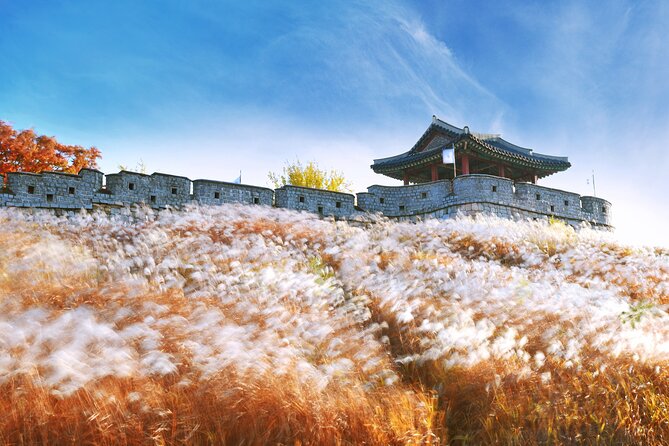
The tour description emphasizes understanding the significance of each directional gate, and that’s a big deal for a first-time visit. Gates aren’t just entrances; they help organize movement and communicate how the fortress was meant to function. When a guide explains this clearly, you stop wandering randomly and start appreciating the logic of the layout.
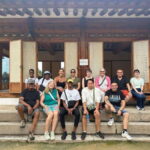
In the feedback, one consistent pattern shows up: guides help with the best picture angles and even step in to take photos. Names that came up include Sophie, JL, Shin, Henry, Stella Kim, Thomas, Chloe, Park, and Leo—people praised their friendly approach and clear English.
I’d take that as a signal: this isn’t a sit-there-and-read-a-brochure kind of tour. It’s the kind where you can ask questions and get answers that make the walk feel purposeful.
Hwaseong Haenggung Palace: war-time refuge with royal purpose
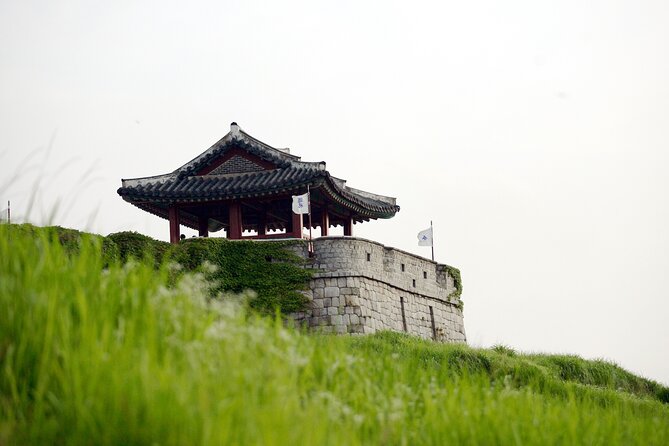
After the fortress, you head to Hwaseong Haenggung Palace, with about 30 minutes on-site and admission included. This palace is described as a temporary retreat during war, used by the king and royal family.
It’s also tied to King Jeongjo’s personal habits. You learn that Haenggung wasn’t only a war shelter; it was used during trips tied to worship at his father’s tomb. That blend—practical survival space plus ritual and family duty—gives the palace a deeper meaning than a typical “pretty buildings” stop.
Architecturally, the palace is noted for its significance, and that’s where the guide’s explanation matters. You may not have time to read every sign yourself, so you’ll want a guide to point out what makes Haenggung distinct and why it fits its historical role.
The time here is short, so keep your expectations realistic. You’ll see the main features, but this is not a full palace museum marathon. If you love palace architecture, consider using this stop to get your bearings, then plan an optional follow-up later using what you learn on the tour.
Timing and group size: why 4 hours feels right
The tour is listed at about 4 hours total, including transport. The format keeps the day tight: fortress first, palace second, then return to Myeong-dong.
Group size max is 100 travelers, though many people describe it as small enough to feel more personal. That balance can be the difference between enjoying explanations and feeling like you’re part of a moving crowd.
Even if your group is larger, the structure is still designed to prevent over-stretching. You get guided time where it counts—fortress context and palace meaning—then you’re released with enough afternoon freedom to keep exploring on your own.

Weather reality: when the outdoors steals the schedule
There’s one drawback that pops up in the experience details: weather can change what you can do. Hwaseong Fortress involves walking on outdoor paths and around walls, so rain or cold winds can impact comfort and pacing.
One piece of feedback pointed out a situation where planned elements were reduced due to bad weather. The key takeaway for you is simple: pack for the conditions. Wear comfortable shoes and bring a layer you can handle outdoors.
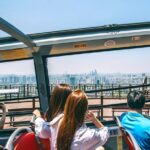
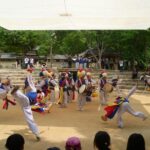
Also, some tours can include an optional trolley component or end-of-tour performance timing, depending on the day. On one noted case, a Monday didn’t include performances. So if you’re traveling with strict expectations about shows, understand that your exact day can shift.
Price and value: is $48 a fair deal?
At $48 per person, the pricing makes sense when you look at what’s included. You’re paying for:
- professional guide
- air-conditioned transport (coach or minivan)
- admission for both Hwaseong Fortress and Hwaseong Haenggung Palace
- mobile ticket convenience
The big value here is not just the sites—it’s the explanation. Admission is included, so you’re not adding surprise costs at the gate. And the guide saves you time by giving you a story thread. With fortress walking, that context turns “I saw walls” into “I understand why those walls were built.”
Is it a perfect value for everyone? If you’re the kind of traveler who wants to roam slowly for hours and linger in museums, the half-day format might feel tight. But if you want a structured UNESCO morning with transport and ticket handling, this is priced like a practical sightseeing solution rather than a luxury splurge.
What to bring so the day goes smoothly
Since meals and drinks are not included, plan ahead. Bring a bottle of water and consider a snack, especially if you’re the type who gets hungry while walking.
Comfort items matter here:
- walking shoes (fortress paths can be uneven)
- a light rain layer or umbrella if the forecast looks iffy
- a small bag for water and a layer
If you’re going for photos, plan to arrive ready. The fortress walk offers plenty of angles, and guides may help with picture spots and taking photos, but you’ll still do best if you’re dressed for moving.
Who should book this Suwon Fortress tour
This tour is a strong fit if you want:
- UNESCO sites without spending the whole day on logistics
- a guide-led Joseon narrative tied directly to what you’re seeing
- enough time to explore, but not so much that you lose your afternoon in Seoul
It’s also good for history-focused travelers who like meaning behind the architecture. Hwaseong Fortress and Haenggung Palace each have a distinct role, and the best part is how the tour links them into a single story.
If you hate group schedules or you need lots of free time to wander, you might feel slightly boxed in by the half-day structure. But for most people, the schedule lands well: one morning out, then you’re back in Seoul with options.
Should you book this UNESCO Suwon Fortress tour?
If you want a well-structured UNESCO morning with transport, admissions handled, and a guide who can explain the Joseon-era story in a way that makes the walls and palace feel connected, I think you should book it.
Book it especially if you like tours that help you understand what you’re looking at without turning your day into a classroom. And if the forecast looks decent, this becomes an easy win.
Skip it or plan extra time on your own afterward if you’re expecting a slow, deeply detailed palace-and-wall day. This is a focused half-day. It’s meant to give you the essentials with excellent guidance, then hand you Seoul back for the afternoon.
FAQ
How long is the Suwon Fortress half-day tour?
It’s listed at about 4 hours total.
What does the tour cost and what’s included?
The price is $48.00 per person, and the tour includes a professional guide, air-conditioned transport, and admission tickets.
Where do I meet the group in Seoul?
You meet at Myeongdong Station Exit 1061-7, Chungmuro 2(i)-ga, Jung District. The tour starts at 8:20 am.
Where do you drop us off at the end?
The tour ends with drop-off at Myeong-dong (Jung District).
Is hotel pickup included?
Hotel pickup is only available for centrally-located Seoul hotels. If your hotel is elsewhere, the English-speaking guide meets you in front of the nearest central hotel or nearest subway station.
Are meals included?
No. Meals and drinks are not included.
Can I cancel for a full refund?
Yes. You can cancel up to 24 hours in advance for a full refund.
Is this tour suitable for most people?
Most travelers can participate, and the tour is limited to a maximum of 100 travelers.