REVIEW · SEOUL
Korean Palace and Temple Tour in Seoul: Gyeongbokgung Palace and Jogyesa Temple
Book on Viator →Operated by KOREA TOUR (DMZ TOUR) · Bookable on Viator
Seoul can feel like a lot at once. This half-day mix of palace life, old-school everyday Korea, and Zen temple calm helps you get your bearings fast.
I especially liked Gyeongbokgung Palace for how much you can read into the layout and details, and I liked Jogyesa Temple for the way Buddhism shows up in daily practice, even in the center of the city. You also get a guided route that strings the stops together with transport, instead of bouncing around on your own.
One possible drawback: the tour includes a ginseng center stop, and some people feel it turns into sales pressure more than sightseeing. Also, it’s a fast, 3.5-hour window—so rain, crowds, or schedule tweaks can make it feel tight.
In This Review
- Key things to know before you go
- Morning Pickup and the Smart Route Into Old Seoul
- Gyeongbokgung Palace: Where Joseon Royal Life Comes Into Focus
- National Folk Museum of Korea: How People Lived Before Seoul Speed
- Jogyesa Temple: Zen Buddhism in the Middle of the City
- The Ginseng Center and Seoul City Hall: Useful Stops or a Time Trade
- Guides, Pace, and What to Wear for a 3.5-Hour Hit
- Price and Value: Is $40 a Good Deal for This Route?
- Who This Tour Suits Best (and Who Should Skip It)
- Should You Book This Gyeongbokgung and Jogyesa Tour?
- FAQ
- FAQ
- What time does the tour start?
- How long is the tour?
- Is hotel pickup included?
- Are food and drinks included?
- What admission fees are included?
- Is there moderate walking?
- Do you visit a ginseng center?
- Can I cancel for free?
Key things to know before you go
- Hotel pickup and air-conditioned transport: less stress, more time looking around
- Gyeongbokgung Palace first: a big anchor stop for Joseon-era history
- National Folk Museum included: you get context for daily life, not just royal drama
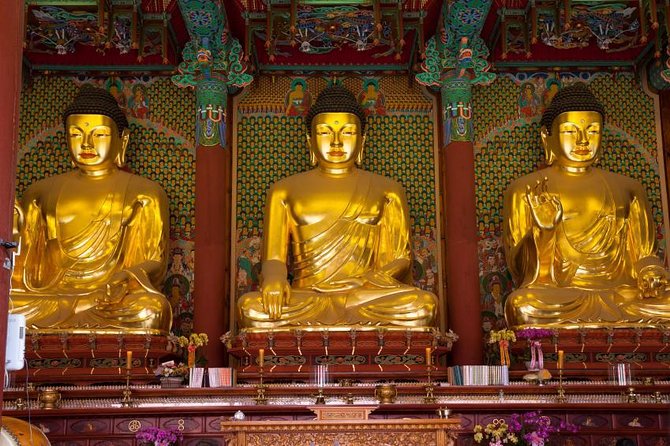
- Jogyesa Temple and Zen Buddhism: a calmer counterpoint to palace crowds
- A ginseng center shopping stop: plan your expectations before the end
- Moderate walking with a 3.5-hour pace: wear shoes you trust
Morning Pickup and the Smart Route Into Old Seoul
This is built for a smooth start. You’re picked up in the morning from your Seoul hotel and whisked around in an air-conditioned vehicle with a local guide. The group size is kept to a maximum of 20, which matters here—big tours can turn a palace visit into a shuffle. With a smaller group, you’re more likely to hear the guide and stay together without constant herding.
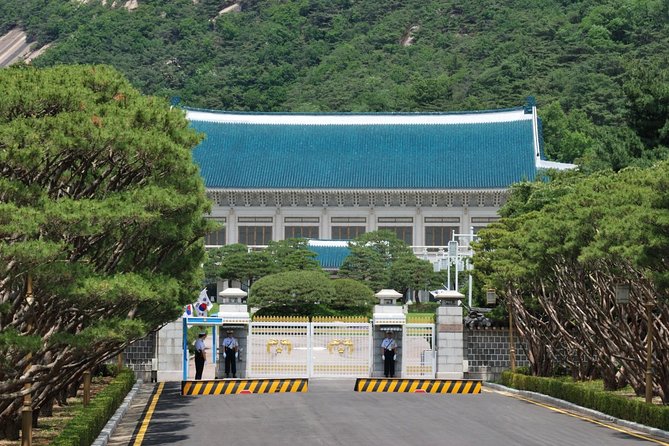
The day also gives you a nice “Seoul starter pack” feeling. You get a quick pass by the Blue House (Cheongwadae) area, then you head straight into Gyeongbokgung. That order helps, because palace time is the kind that works best when your brain is still fresh and you’re not already tired from travel.
If you’re traveling in light rain (or heavy rain), you’ll want a small umbrella or a rain shell. One guide was noted as keeping spirits up during pouring rain, but weather can still slow entrances, lines, and walking.
You can also read our reviews of more tours and experiences in Seoul.

Gyeongbokgung Palace: Where Joseon Royal Life Comes Into Focus
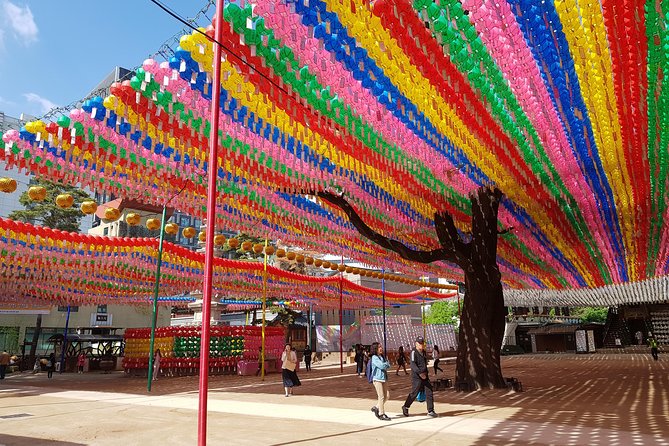
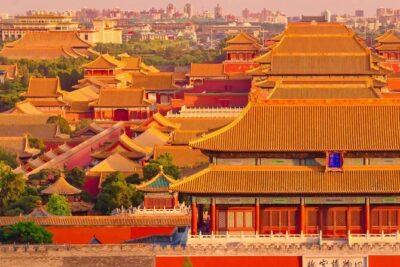
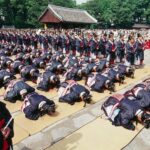
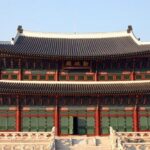
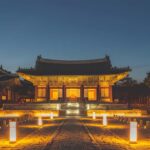
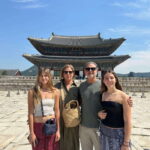
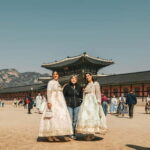
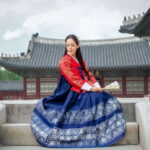
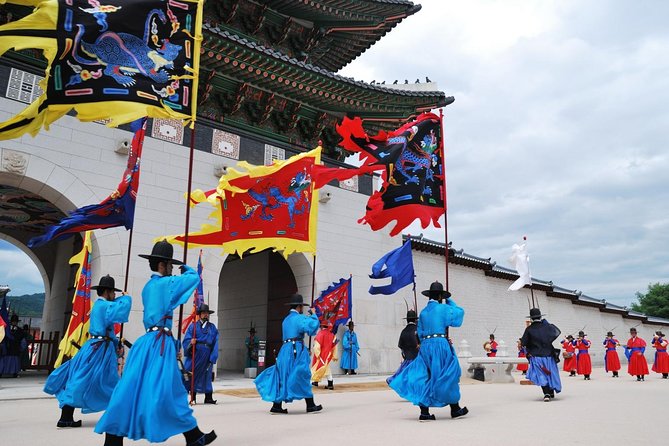
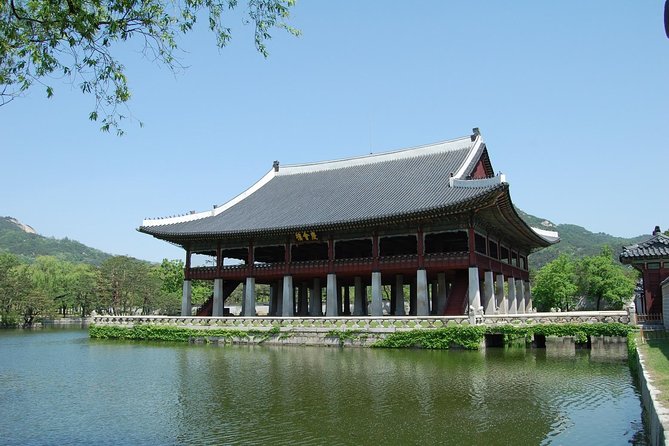
Gyeongbokgung Palace is the star. It’s the primary residence of the royal family during the Joseon Dynasty, and the site still reads as grand and deliberate. Even if you’ve seen other palaces, this one tends to land differently because the scale and layout are so tied to power, ceremony, and everyday movement inside the compound.
You’ll spend about an hour here with admission included. That sounds short, but it’s the kind of stop where a guide’s pacing makes a big difference. A good moment is when you get to connect details—like gate positions, courtyards, and how spaces funnel movement—with what life likely felt like for officials and royalty.
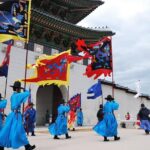
Practical tip: aim to arrive with comfortable walking shoes and a plan for photos. It’s not just one building; you’re touring a compound. If timing is right, you might even catch the changing of the guard at the front gate, since that’s something a few groups managed to see when the schedule lined up.
Also note: the tour order can shift depending on how the guide manages time. One person described the temple coming first on their day, which cut into palace time. If you’re specifically chasing a ceremony moment at the palace entrance, ask your guide how they’re planning the order when you start.
National Folk Museum of Korea: How People Lived Before Seoul Speed
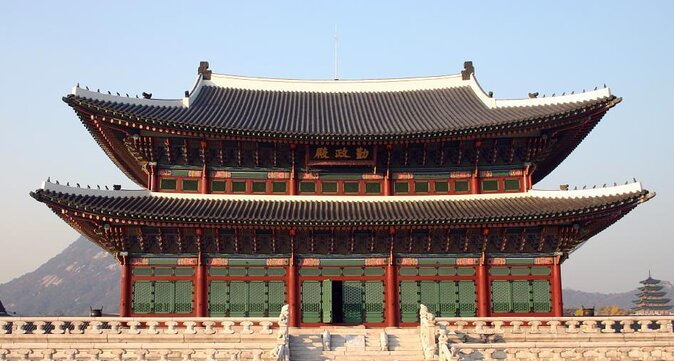
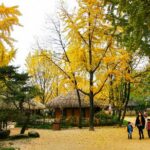
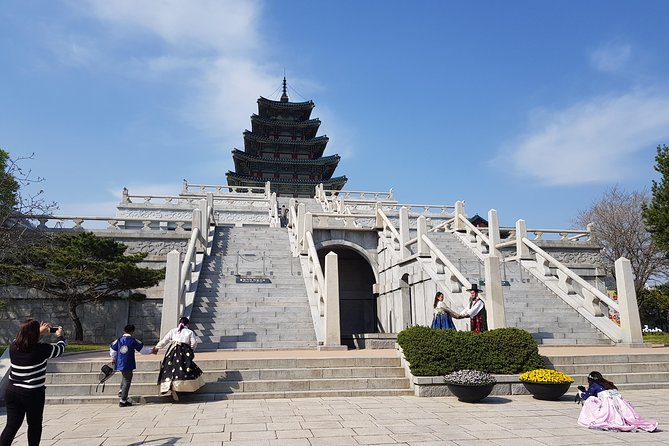
Right after the palace, you’ll head into the National Folk Museum of Korea inside the same broader area. This stop is short—about 20 minutes—and admission is free. The goal is simple: help you connect what you saw at the palace to the lives of regular people.
In real terms, that means you get a clearer picture of daily customs across time—food habits, housing patterns, and the rhythms of ordinary life before Korea’s rapid modernization. Without this kind of context, palaces can feel like beautiful sets. With the museum, it turns into a story about society: what people valued, what they wore, and how they lived their days.
Because the museum visit is brief, you’ll get more value if you’re willing to skim with a purpose. Let your guide point out what matters most and focus on the big categories they mention, rather than trying to read every label.
If you’re the type who loves history but hates museum overwhelm, this is a good compromise. It’s not a marathon, and it’s not just “look at artifacts.” It’s about understanding what came before the modern city you’re walking around now.
Jogyesa Temple: Zen Buddhism in the Middle of the City
Then comes the temple stop: Jogyesa Temple, a leading center for Zen Buddhism in Korea. Your time here is about 20 minutes and admission is free.
What I like about this stop is the contrast. Gyeongbokgung gives you order, hierarchy, and ceremony. Jogyesa gives you a different texture—prayer, quiet corners, and a sense that belief is practiced, not just displayed.
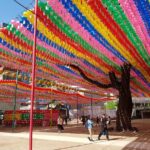
Some groups have had especially memorable moments here, like being there when a prayer leader was present and people were participating. You might notice floral offerings in the garden as well, which can make the area feel visually alive while still staying calm.
Because the stop is short, the biggest “success factor” is staying present. Don’t rush for photos like a checklist. Give yourself a minute to slow down, then follow your guide’s explanation of Buddhism’s role during the Joseon Dynasty and how that history still shows up in the temple’s function today.
One more practical note: if your day’s itinerary swaps the order (palace vs temple), that can change the feel. Temple-first can feel smoother if the palace crowds are heavy. Palace-first can feel more dramatic as a setup. Either way, you’ll get the spiritual context, just in a different emotional order.
The Ginseng Center and Seoul City Hall: Useful Stops or a Time Trade
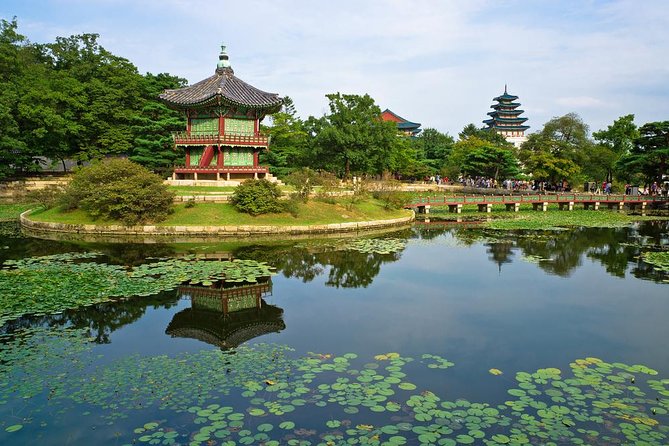
After the core culture sites, you’ll visit one shopping center—specifically a ginseng center—then you’ll also stop at Seoul City Hall.
The ginseng stop is about 30 minutes. Here’s the honest take: it can be interesting if you want to learn the basics of ginseng as a cultural product, but it’s also the one part where expectations can clash. Multiple people felt the visit became a hard sell, and they weren’t thrilled because it felt like shopping more than education. If you’re not interested in product demonstrations, mentally prepare for this being more of a timed detour than a must-see.
Still, it does serve a practical purpose for some visitors: it’s a structured break in the morning when you’re already moving quickly between major sites. The guide may explain ginseng’s cultural importance, but your best move is to treat it as an add-on, not the highlight.
Then you’ll be taken to Seoul City Hall and given about 30 minutes there. Admission isn’t listed here because it’s more of a city landmark and photo stop type moment. It’s a decent way to end the tour feeling like you’ve seen both heritage and a modern Seoul reference point.
Guides, Pace, and What to Wear for a 3.5-Hour Hit
This is a 3 hours 30 minutes tour, give or take. That’s enough time to get a real taste, but it’s not enough time to wander freely. The guide keeps the group moving and ties everything together with explanations.
One of the most praised parts is the guiding itself. You’ll hear English and you may get a guide like AJ, Katie, Chloe, Sadie, Grace, Charles, Eden, Jun, David, Yeoni, Rebecca, or Lizzy—names that show up with consistent notes about humor, energy, and clear storytelling. Some guides also actively help with photos, which is underrated when you’re traveling as a pair or small group.
For your part, keep the logistics simple:
- Wear comfortable walking shoes (moderate walking is part of the plan)
- Bring an umbrella if rain is possible
- Keep water handy even though food and drinks aren’t included
- Avoid overpacking, because you’ll be moving on foot through palace and temple areas
If you’re the type who wants slow museum time and long photo sessions, you may feel the squeeze. But if you want a structured morning that covers three major cultural anchors, this pace is the point.
Price and Value: Is $40 a Good Deal for This Route?
At $40 per person, this tour is positioned as a value culture package. Here’s why that price can work well for you.
You’re getting:
- Hotel pickup (big deal in a city where transfers can eat time)
- Air-conditioned transport between widely separated stops
- A local guide tying the story together
- Admission fees included where listed (notably at Gyeongbokgung)
- Free admission at the National Folk Museum and Jogyesa Temple
If you tried to stitch this together on your own, you’d spend time figuring out transportation, buying tickets, and coordinating the order. You’d also lose the guided explanations that help you interpret what you’re seeing—especially at palace spaces where layout can be more meaningful than any single object.
The one cost trade-off is time spent at the ginseng center. If you’re not interested, that portion can feel like a tax on your morning. If that’s you, go into it with low expectations, focus on the cultural stories you do get, and treat the rest of the tour as the real win.
Who This Tour Suits Best (and Who Should Skip It)
This tour is a strong fit if you:
- Want a quick intro to Korea’s cultural backbone: royal Joseon, everyday traditions, and Zen Buddhism
- Like having a guide keep you moving so you don’t waste half a day planning
- Are okay with moderate walking and a tight schedule
- Prefer a small group up to 20 people
I’d think twice if you:
- Hate shopping stops or don’t want any sales pressure in your day
- Need long, slow time at each site (this is built for coverage, not wandering)
- Are very timing-sensitive about palace ceremonies, since order can be adjusted based on the day’s schedule
Should You Book This Gyeongbokgung and Jogyesa Tour?
If your goal is a smart morning culture sampler, I think it’s worth booking. The combination of Gyeongbokgung Palace, the National Folk Museum context, and Jogyesa’s Zen presence gives you a balanced Korea snapshot in 3.5 hours—without you needing to plan routes or jump between ticket rules.
Just be honest with yourself about the ginseng center. If you know you’ll feel irritated by product demos or sales pressure, you’ll still likely enjoy the palace and temple sections, but you may count the minutes during the last stop. If that doesn’t bother you, this is a cost-effective way to see real landmarks with guided explanations and less transit stress.
FAQ
FAQ
What time does the tour start?
The tour starts at 8:30 am.
How long is the tour?
The duration is about 3 hours 30 minutes.
Is hotel pickup included?
Yes. Hotel pickup is included, and you’ll use an air-conditioned vehicle for transportation.
Are food and drinks included?
No. Food and drinks are not included.
What admission fees are included?
Admission fees are included in the tour price, with Gyeongbokgung Palace admission included. The National Folk Museum and Jogyesa Temple admissions are listed as free.
Is there moderate walking?
Yes. There is a moderate amount of walking, so comfortable walking shoes are recommended.
Do you visit a ginseng center?
Yes. The tour includes one shopping center stop at a ginseng center.
Can I cancel for free?
Yes. You can cancel for free up to 24 hours in advance for a full refund.