REVIEW · SEOUL
Seoul: Palace, Temple and Market Guided Foodie Tour at Night
Book on GetYourGuide →Operated by TRIPPER · Bookable on GetYourGuide
One night in Seoul can teach you more than a whole day. This guided palace-and-temple night walk mixes history with serious street-food eating. You start in the Jongno area, watch Changgyeonggung Palace light up, then finish with lanterns at Jogyesa Temple and a food crawl through Gwangjang Market.
What I like most is the pairing: Changgyeonggung Palace at night and the food stop that actually feeds you well at Gwangjang Market. The guide keeps the route moving at a human pace, so you get both photos and explanations without feeling like you’re sprinting.
One consideration: it’s a moderate walking tour, and it’s at night. If you’re sensitive to cold (or rain), plan for layers and grippy shoes, and remember you choose whether to try the chopped live octopus.
In This Review
- Key highlights worth planning for
- The big idea: history first, then you eat your way through Jongno
- Meeting at Hyehwa Station and the walking reality
- Changgyeonggung Palace after dark: Joseon-era grandness under lights
- Daehak-ro pass-by: a quick taste of Seoul’s nightlife lanes
- Gwangjang Market at night: Makgeolli, jeon, and the octopus question
- What’s included (so you’re not guessing)
- The live octopus: courage optional
- Kkwabaegi and the skip-the-line sweet move
- How to get the most out of the market hour
- Jongno 3-ga Pocha Street: short stop, strong night-street energy
- Ikseon-dong Hanok Village: a quick photo pause in traditional lanes
- Jogyesa Temple: lantern quiet when the crowds thin out
- Price and value: what $60 buys you in 4 hours
- Who this tour suits best
- Should you book this Seoul palace and market night tour?
- FAQ
- How long is the tour?
- Where do I meet the guide?
- Is hotel pickup and drop-off included?
- What food and drinks are included at the market?
- Do I have to eat the live octopus?
- Is there any way to handle dietary needs like vegetarian or halal?
- Are entrance fees included?
- Does the tour skip ticket lines?
- Is the tour wheelchair accessible?
Key highlights worth planning for
- Changgyeonggung Palace after dark: illuminated architecture and a full guided visit.
- Jogyesa Temple lanterns: a calm counterpoint to the market noise, with a guide-led stop.
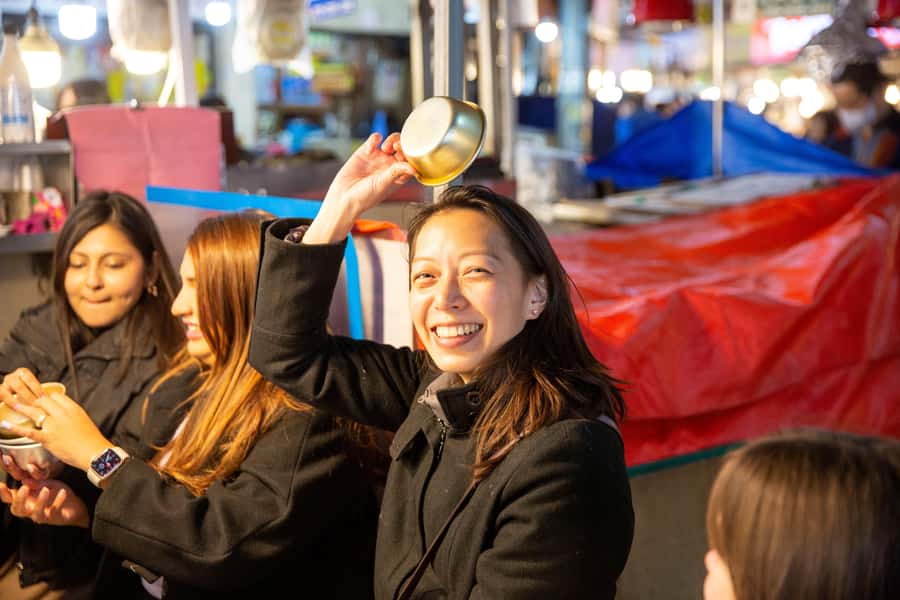
- Gwangjang Market tastings: Makgeolli plus multiple jeon styles, not just one snack.
- Live octopus choice: you can pass, but the tour includes it as an option.
- Kkwabaegi without the queue: you’ll get help skipping the line for the sweet twisted donut.
- Night streets beyond the big sights: short looks at Daehak-ro, Jongno 3-ga Pocha Street, and Ikseon-dong Hanok Village.
The big idea: history first, then you eat your way through Jongno
This tour works because it’s not only about food, and it’s not only about sightseeing either. You get a real sequence: royal palace glow, Buddhist temple quiet, then Seoul’s night-market appetite. That contrast matters. It’s what makes the night feel like Seoul, not just a checklist.
You also get a guide who knows how to keep a group together on a route like this. Several people in the feedback specifically praised guides such as Mia and Kim for clear explanations and a smooth group vibe. One highlight: Mia was mentioned for even adding extra time to explain Buddhism at Jogyesa. That’s the kind of thoughtful pacing that makes the whole experience feel intentional.
You can also read our reviews of more tours and experiences in Seoul.

Meeting at Hyehwa Station and the walking reality
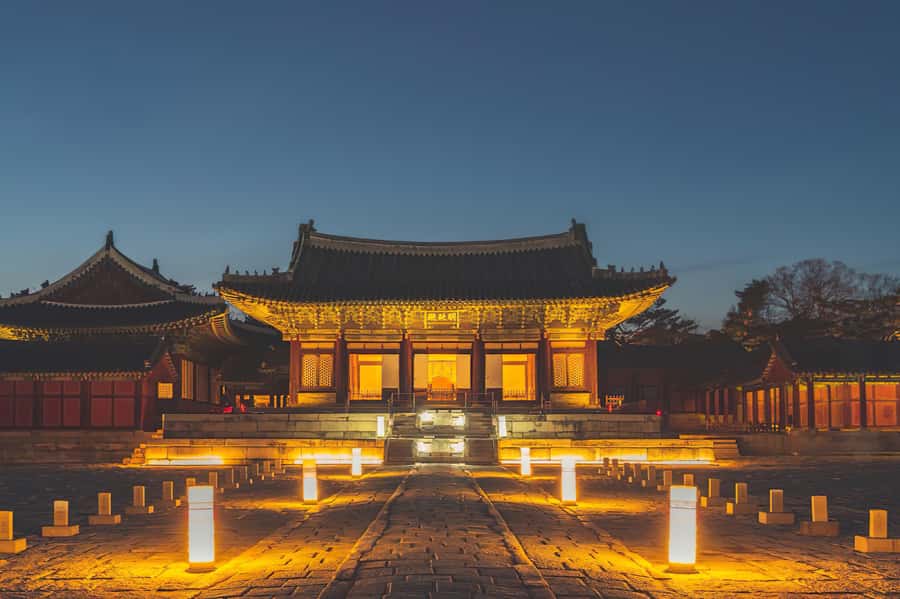
You meet outside Hyehwa Station Exit 4, where the guide holds a sign that reads Tripper. There’s no hotel pickup, so show up on time at the station and start with a clean slate.
Plan on walking between stops. The route includes short on-foot segments (around 10 minutes and then about 15 minutes between areas). It’s not a long hike, but it’s enough movement that you’ll want comfortable shoes and warm layers. Night in Seoul can cool down fast, and one group noted it was cold and rainy during their tour—so pack like weather is in charge.
Changgyeonggung Palace after dark: Joseon-era grandness under lights
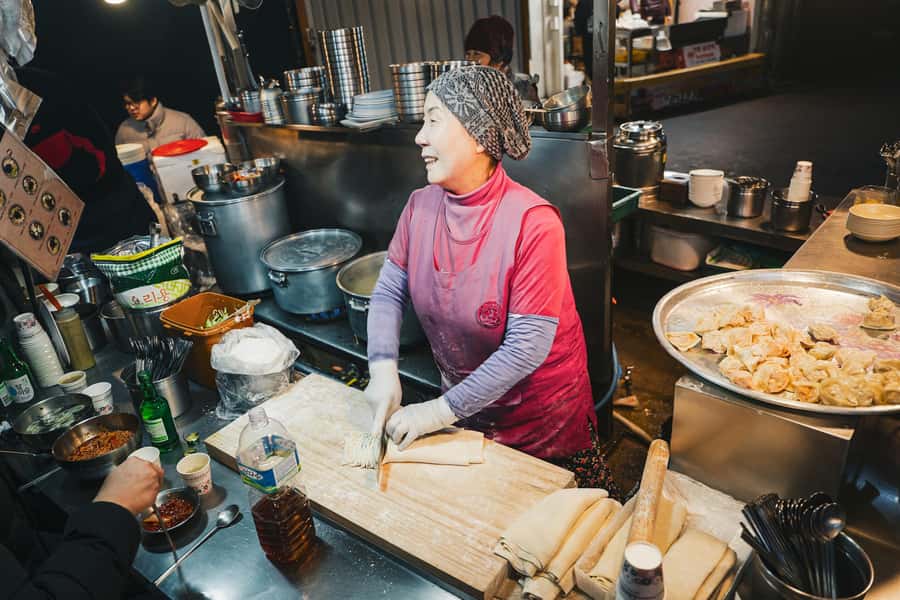
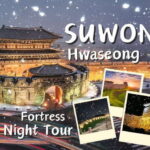
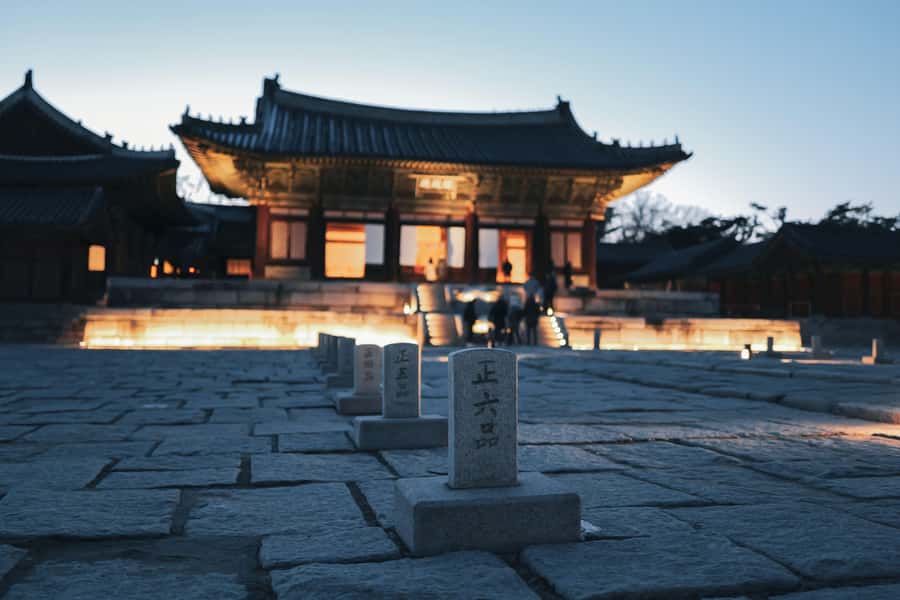
Your first major stop is Changgyeonggung Palace, with both a photo moment and a guided visit that lasts about one hour. At night, palaces feel different. Daytime is about seeing details. At night, it becomes about scale—how the buildings sit in the garden layout, and how the light pulls your eye to the main spaces.
What’s especially valuable here is the guided context. The palace is part of the Joseon Dynasty story, and the guide connects what you’re looking at to why it mattered. Several people singled out guides like Mia and Kim for making history feel clear instead of like a lecture. You’ll get explanations tied to what’s right in front of you, which is the best way to learn in a short time.
Practical tip: bring your camera settings gear if you like night photos. You’ll want steady hands, because palace lights can create glare. If your phone tends to overexpose, try lowering exposure a bit and shoot a few test frames before you commit.
Daehak-ro pass-by: a quick taste of Seoul’s nightlife lanes
Between the bigger stops, the route passes by Daehak-ro. You’re not stuck in a long viewpoint here, but you get the sense of where people go after dark—this is the neighborhood energy that makes Jongno feel alive.
This matters because the tour later hits food streets and night markets. A quick pass by Daehak-ro gives you a transition from palace quiet into the city’s evening rhythm.
Gwangjang Market at night: Makgeolli, jeon, and the octopus question
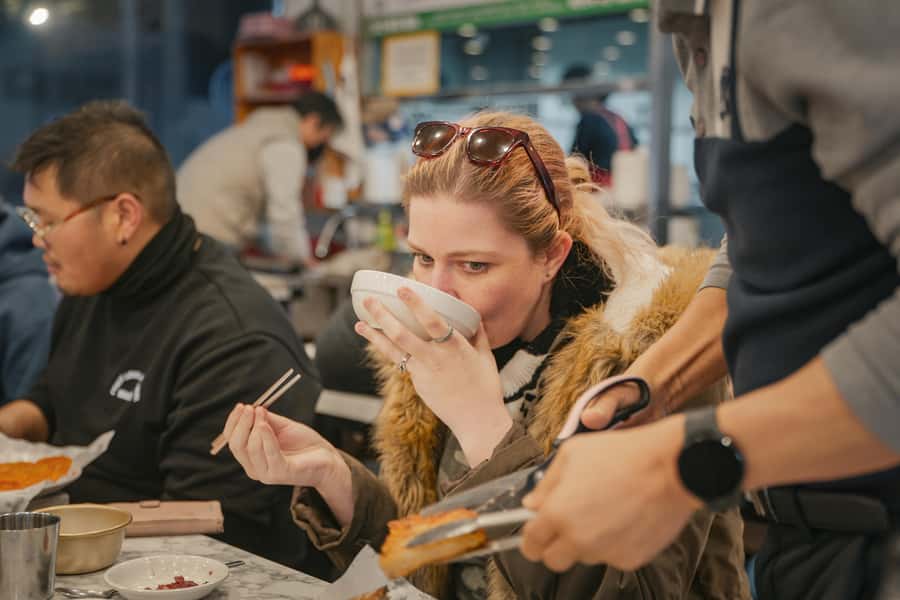
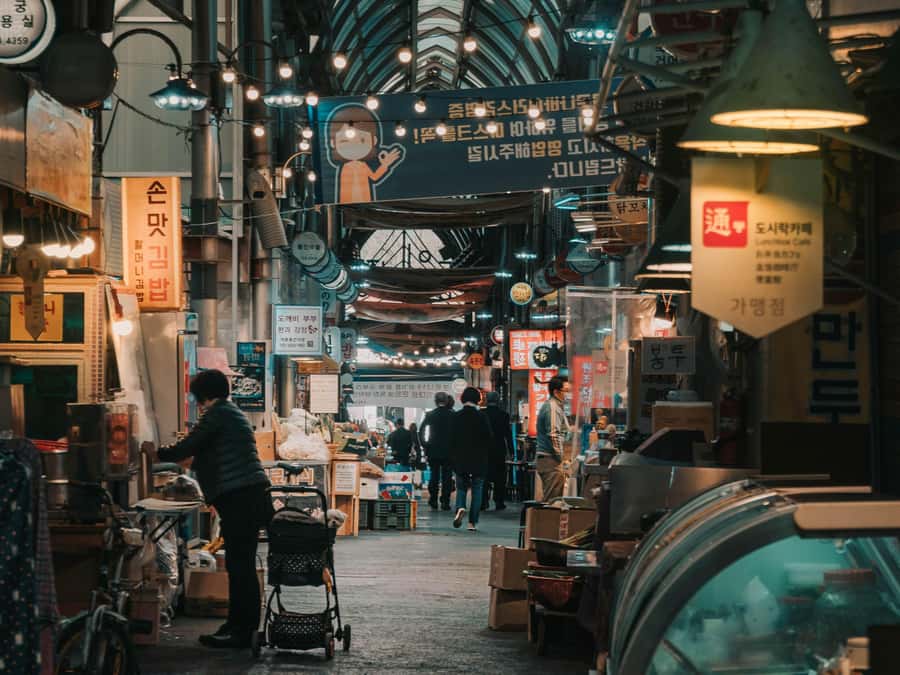
Then comes the part most people book for: Gwangjang Market. You’ll spend about one hour here for dinner and street-food tasting with the guide.

What’s included (so you’re not guessing)
The tastings include:
- Makgeolli (Korean rice wine)
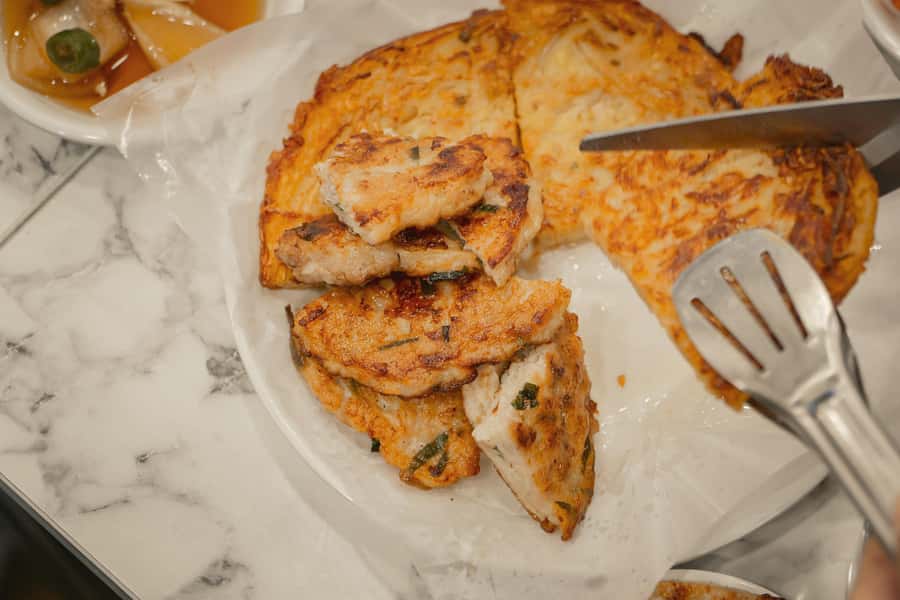
- Assorted jeon fritters, such as kimchi jeon, tofu jeon, and meat jeon
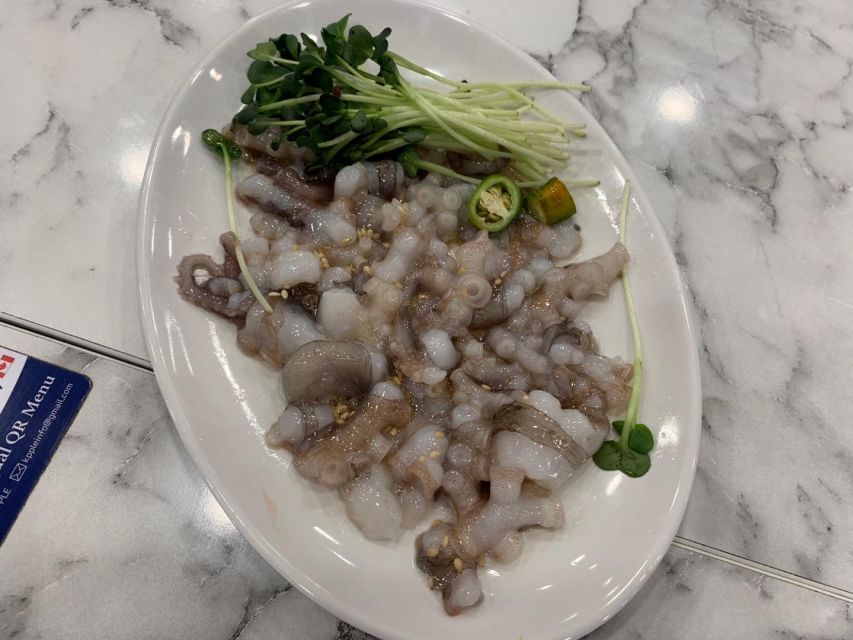
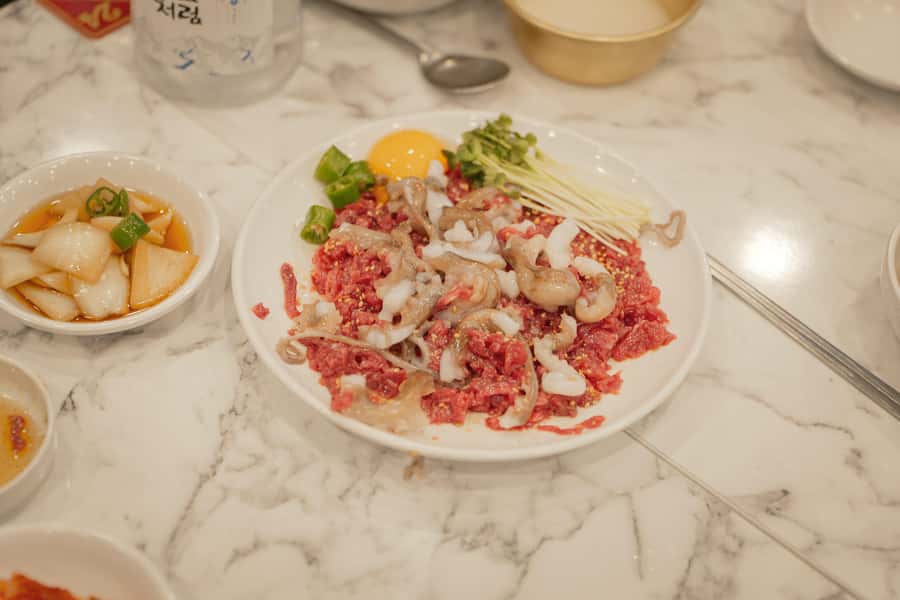
- Chopped live octopus (optional to eat)
This is a big value piece. You’re not just paying for access; you’re paying for guided tasting choices plus multiple food types. One of the most repeated comments in the feedback was that the food-and-drink portion felt worth it, especially because the guide handled ordering and timing.
The live octopus: courage optional
About the live octopus: you get it offered, but you decide. The tour specifically notes it’s your personal choice. That’s smart, because trying it with context (and a guide who can help you decide how to approach it) is better than hearing about it secondhand.
Several people said it wasn’t as bad as expected if you go in with an open mind. Translation: if you’re curious, you can try a small portion and move on. If you’d rather not, you won’t be pressured into it.
Kkwabaegi and the skip-the-line sweet move
The tour also includes help skipping the line for Kkwabaegi, the twisted Korean donut that’s a market favorite. Even if you’re full from jeon and Makgeolli, this is one of those foods that works as a dessert-and-walk snack. It’s also an easy way to enjoy something distinctly street-market without committing to a heavy second meal.
How to get the most out of the market hour
Here’s how to make the hour feel less rushed:
- Go in ready to eat slowly. Jeon and savory snacks are best in bites, not gulps.
- Sip Makgeolli between items, not only at the end.
- If you’re doing multiple tastings, take one photo early, then focus on eating.
Also note: vegetarian and halal options are available if you specify when booking. If that’s you, say it up front so the guide can plan the best substitutions for you.
Jongno 3-ga Pocha Street: short stop, strong night-street energy
After the market, you walk about 15 minutes to Jongro 3-ga Pocha Street for about 15 minutes of guided sightseeing. This is one of those streets where the food culture is the show.
The short time slot is the point. It gives you a feeling for the atmosphere—signs, stalls, the evening crowd—without turning the tour into an hour-long detour. And because the guide is talking through what you’re seeing, it stays more meaningful than a random stroll.
Ikseon-dong Hanok Village: a quick photo pause in traditional lanes
Next you get Ikseon-dong Hanok Village for a short 15-minute photo stop and guided pass-by. Hanok areas are great for a first look, especially at night when the mood shifts from daytime tourism to a softer lantern-lit vibe.
This stop is brief on purpose. You’re not here to do a full neighborhood exploration; you’re here to round out the night with the architecture flavor that contrasts with the modern food streets.
Jogyesa Temple: lantern quiet when the crowds thin out
The last major cultural stop is Jogyesa Temple, with about 30 minutes for photo moments and a guided visit.
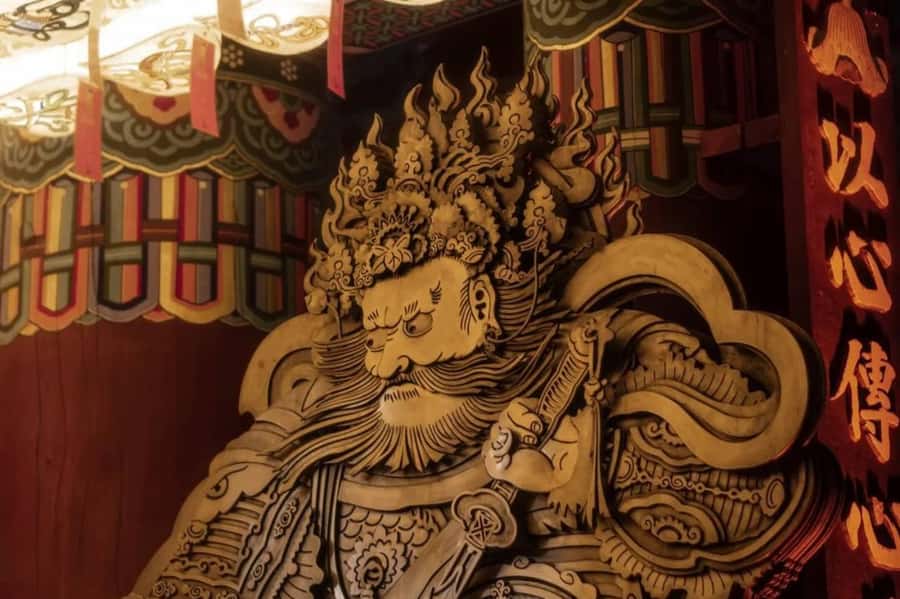
This is the tour’s emotional reset. After the market energy and night street sights, Jogyesa gives you a slower pace: a calmer setting where lantern light and temple spaces feel different than commercial streets. Several comments praised guides for clarity here, including the way Mia was noted for additional time explaining Buddhism.
If you’re someone who likes your temple visits more than just looking at buildings, this stop is a highlight. It gives the religion and practice context in plain language, tied to what you can actually see.
Practical tip: keep your voice down and move slowly. This is a place where you’ll get more out of the experience by giving it a bit of respect and time.
Price and value: what $60 buys you in 4 hours
At about $60 per person for roughly 4 hours, this tour is basically paying for three things:
- Guided history at two major sites (palace and temple) plus entrance fees
- A structured food program at Gwangjang Market: Makgeolli and multiple jeon types
- Logistics help: meeting point coordination, route planning, and ticket-line skipping where noted
If you try to DIY this route, you’ll likely spend time figuring out how to order at the market, and you might miss the historical links that make the palace and temple stops click. The guide also handles timing, so you don’t lose your place or end up hunting for the next stall while the group keeps moving.
Wheelchair accessibility is listed, and that matters for planning. The tour still involves walking, but the provider indicates it’s wheelchair accessible, which suggests route planning takes mobility into account.
Who this tour suits best
I think this fits best if you want:
- A night version of Seoul that mixes culture with food
- A guided plan so you’re not stuck guessing where to eat
- Multiple tastings in a short time, including jeon and Makgeolli
- The option to try the chopped live octopus without pressure
It’s also a good choice if you’re traveling with limited time and you want a route that hits several famous areas in one evening: Changgyeonggung Palace, Gwangjang Market, Jongno 3-ga Pocha Street, Ikseon-dong, and Jogyesa Temple.
If you hate walking at night or you don’t want any adventurous foods, you may prefer a shorter, single-neighborhood tour. But if you’re okay with moderate walking and you’re curious about Korean street eating, this is a strong match.
Should you book this Seoul palace and market night tour?
Yes, I’d book it if your goal is a well-fed night with context. The best part is the balance: you’re not stuck choosing between history and food—you get both, and the food isn’t just a token bite. With guides like Mia and Kim repeatedly praised for making the stories clear and the pacing thoughtful, you’re likely to come away feeling like you actually understood what you saw and ate.
Book it with warm clothes in mind, and keep your octopus decision firmly in your own hands. If you do that, you’ll get a fun evening where lanterns, temples, and market snacks all make sense together.
FAQ
How long is the tour?
The tour duration is about 4 hours.
Where do I meet the guide?
You meet outside Hyehwa Station Exit 4, and the guide holds a sign that reads Tripper.
Is hotel pickup and drop-off included?
No. Hotel pickup and drop-off are not included.
What food and drinks are included at the market?
The tour includes Gwangjang Market street food, Makgeolli, assorted jeon fritters (including options like kimchi jeon, tofu jeon, and meat jeon), and chopped live octopus.
Do I have to eat the live octopus?
No. Tasting the live octopus is a personal choice. You are welcome to eat or not eat.
Is there any way to handle dietary needs like vegetarian or halal?
Yes. Vegetarian and halal options are available if you specify when booking.
Are entrance fees included?
Yes. All entrance fees are included.
Does the tour skip ticket lines?
Yes, it includes a skip-the-ticket-line experience.
Is the tour wheelchair accessible?
Wheelchair accessibility is listed as available.