REVIEW · SEOUL
Seoul Royal Palace,Bukchon Hanok Village & Gwangjang Market Feast
Book on Viator →Operated by VIP TRAVEL Co.Ltd · Bookable on Viator
Seoul’s past and your stomach in one tight route. This guided loop stacks Bukchon Hanok Village, a palace (with changing of the guard when it runs), and then finishes with food at Gwangjang Market.
I especially like the “one afternoon, multiple moods” pacing. You get photo-friendly traditional alleys first, then you shift into royal-era power scenes, then you end with hands-on snacking at a market that’s been serving Seoul since 1905.
One thing to consider: the itinerary can change on Tuesdays, and there can be day-of substitutions tied to what’s open or free. If you hate retail stops, keep an eye on optional purchases at the ginseng center.
In This Review
- Key highlights to know before you go
- A value-packed Seoul day: palace, tradition, and market bites
- Bukchon Hanok Village: 60 minutes in 600-year-old alley magic
- Passing Gwanghwamun Gate and the Changing of the Guard (most days)
- Gyeongbokgung Palace: 1 included hour in royal-era grandeur
- Blue House views: quick snapshots of a landmark with serious history
- Tuesday route: Changdeokgung Palace and Insadong instead of the Gyeongbokgung guard scene
- Cheongha Korea Ginseng Center: cultural intro with an optional sales edge
- Gwangjang Market: where your last hour becomes the meal
- Route logistics that actually matter: meet points, timing, and group size
- The guide makes or breaks it: what the best versions feel like
- What can go wrong (and how to protect your time)
- 1) Palace choices can change
- 2) The ginseng stop can feel like a shopping test
- Who should book this tour (and who should skip it)
- Should you book? My call on this Seoul royal-palace + market loop
- FAQ
- How long is the tour?
- Where do I meet the guide?
- Is admission included in the price?
- What happens on Tuesdays?
- Are meals included?
- Where does the tour end?
Key highlights to know before you go
- Bukchon Hanok Village: 600-year-old Joseon-era neighborhood vibe, with an hour on foot
- Gyeongbokgung Palace (most days): Changing of the Guard moments at Gwanghwamun Gate
- Tuesday switch: Changdeokgung Palace + Insadong replace Gyeongbokgung + the guard ceremony route
- Blue House photo stop: quick passing views of Korea’s former presidential residence
- Ginseng center stop: a 30-minute education block that can feel sales-adjacent
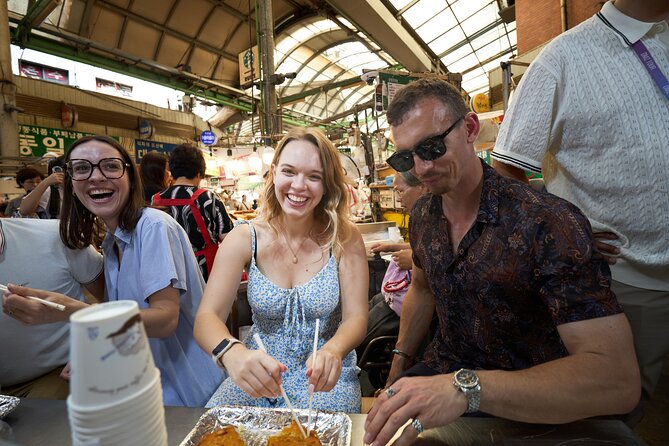
- Gwangjang Market: about an hour to try classic bites like bindaetteok and mayak gimbap
A value-packed Seoul day: palace, tradition, and market bites
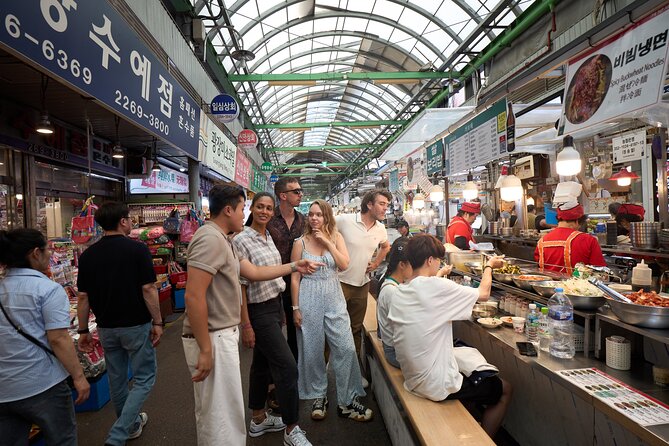
For first-time Seoul visits, this tour hits a smart mix. You start in a traditional neighborhood, move into the royal-palace zone, and then end where locals actually eat and snack—no long, boring backtracking.
At $29 per person for roughly 3.5 hours, you’re paying for an English-speaking guide, air-conditioned transport, and included admission for the palace segment on most days. Meals aren’t included, which is a plus if you want to choose your own street-food intensity at the end rather than being locked into a set meal.
My advice: treat the market hour like your tasting hour. If you go in hungry and pace yourself, you’ll feel like you got your money’s worth.
You can also read our reviews of more tours and experiences in Seoul.

Bukchon Hanok Village: 60 minutes in 600-year-old alley magic
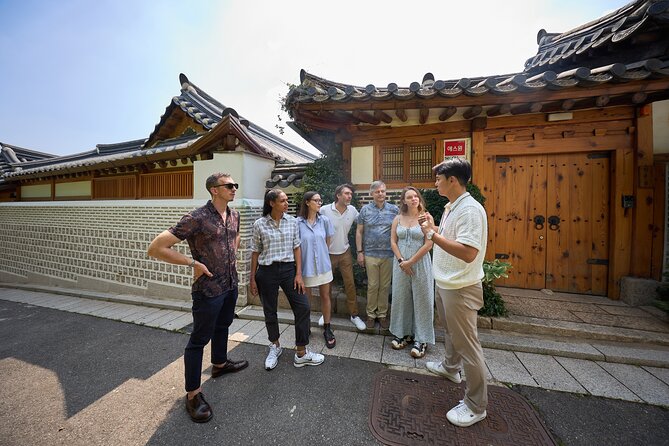
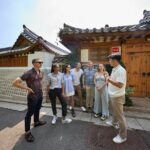
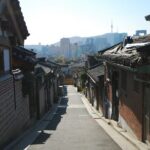
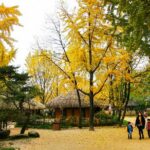
Bukchon Hanok Village is the tour’s “wow, I’m in a movie” start. You’re looking at hundreds of hanok houses associated with the Joseon Dynasty era, and the streets are the kind where you’ll want to stop often just to frame a shot.
Why it works on a guided tour: the guide helps you interpret what you’re seeing instead of just walking through pretty scenery. You also get a full hour, which is long enough to wander without feeling rushed.
What to watch for:
- This is a walking-and-looking stop, not a sit-and-learn museum. Wear shoes you can stand in.
- If the weather is rough, narrow alleys can feel slower, so plan for a steadier pace.
The payoff is real: you’re not just viewing Korea’s traditional architecture—you’re getting the rhythm of a neighborhood built around it.
Passing Gwanghwamun Gate and the Changing of the Guard (most days)
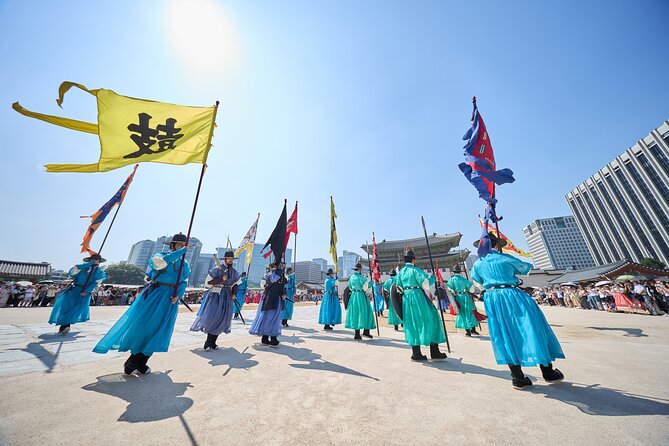
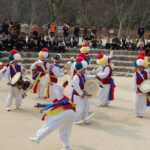
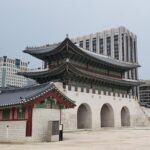
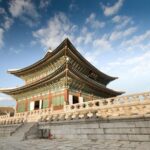
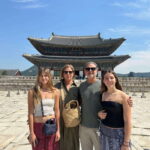
On days when the tour runs this version, you pass through the palace area around Gwanghwamun Gate, which is the main entrance to Gyeongbokgung Palace. The highlight is the Changing of the Guard ceremony, described as a reenactment from the time when royal guards handled ceremonial duties.
This is one of those moments where timing and crowd flow matter. Even if you’re not there for hours, you want to be ready to move with the group and take your photos quickly when your guide tells you where to stand.
A small but important detail: the itinerary notes the changing-of-the-guard route is not on Tuesdays. So if you’re traveling on a Tuesday, don’t expect this exact palace segment.
Gyeongbokgung Palace: 1 included hour in royal-era grandeur
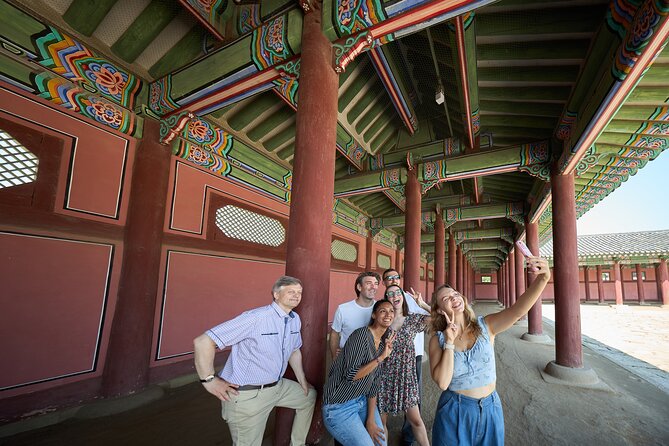
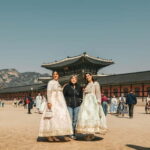
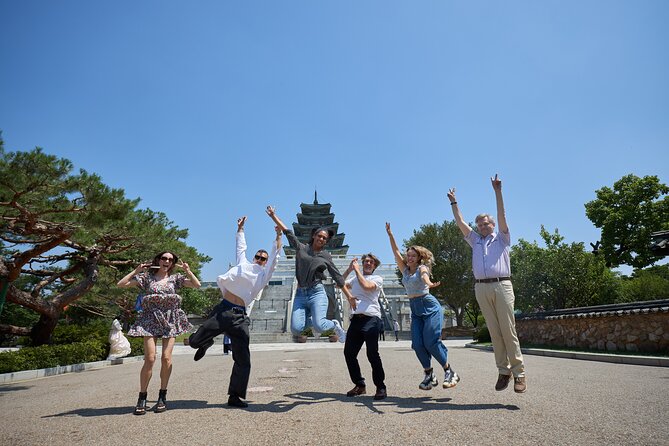
On most days, the tour includes admission to Gyeongbokgung Palace for about an hour. This matters because it turns the palace from a quick exterior stop into an actual visit.
What you’ll likely get out of this hour:
- A guided sense of how the palace was organized and why it became the “grand jewel” Joseon-era visitors associate with Seoul
- Enough time to see major areas without turning the experience into a checklist
How to make the most of the time:
- When you enter, don’t immediately treat it like a photoshoot. Listen for what your guide points out first. You’ll remember the places better later, even if your photos aren’t perfect.
- If you care about architecture details, you’ll have less time than a self-guided full day—but you’ll still come away with context.
Blue House views: quick snapshots of a landmark with serious history
Between the palace sites, you’ll pass by the Blue House, Korea’s former Presidential residence, for scenic views and photo stops.
This is a “blink and you’ll miss it” kind of part of the route. But it’s still worth it because it connects modern Seoul to the political story behind the peninsula.
My tip: keep your camera ready, but don’t block the flow of the group. These passing stops are meant for quick documentation, not long standstills.

Tuesday route: Changdeokgung Palace and Insadong instead of the Gyeongbokgung guard scene
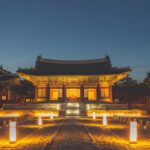
If you’re on a Tuesday, the tour swaps the palace program. Instead of Gyeongbokgung and the changing-of-the-guard focus, you go to Changdeokgung Palace, a UNESCO World Heritage site, and then to Insadong.
Changdeokgung Palace is presented as built in 1405, and the highlight here is walking through an elegant complex designed to blend with nature. If you prefer palaces that feel more “garden-and-harmony” than “ceremony-and-power,” this swap can feel like a better match.
Then Insadong adds a very different flavor: traditional crafts, art galleries, and street-food energy around the main old Seoul shopping street. It’s a good change of pace after hanoks and palace grounds because you get more human-scale browsing.
If you’re comparing days: Tuesdays are less about the Gwanghwamun ceremony moment and more about the overall old- Seoul craft-and-palace combo.
Cheongha Korea Ginseng Center: cultural intro with an optional sales edge
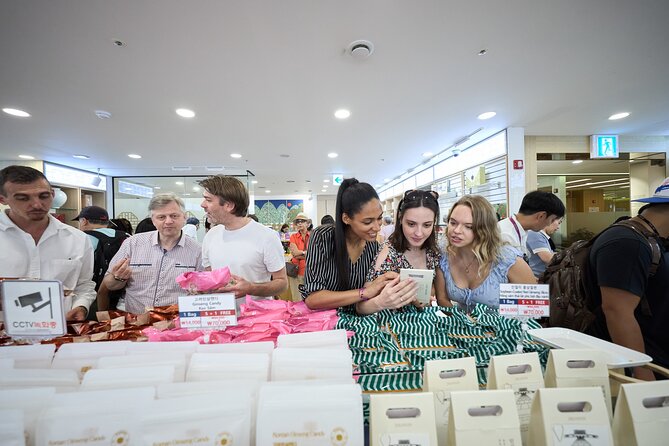
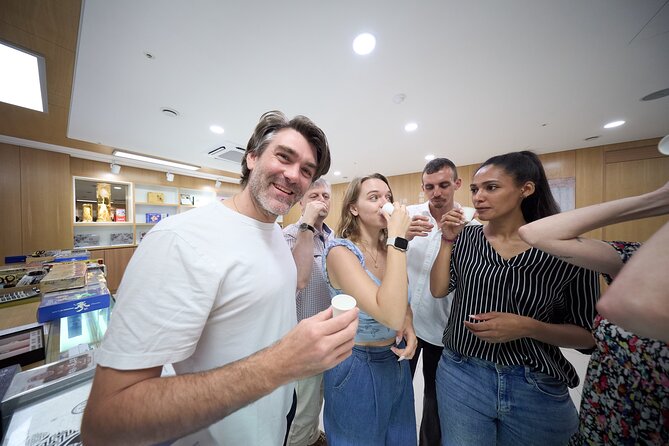
The tour includes a 30-minute stop at the Cheongha Korean Ginseng Center where you learn about Korea’s famous ginseng and its health reputation (the tour description mentions benefits and calls the root “insam”).
This part is the one that can split people.
- The best-case scenario is you get a quick, guided cultural lesson and leave with a better sense of why ginseng appears everywhere in Korea’s product world.
- The risk is the center can feel like a retail showroom, and you may get pressured to buy.
A balanced way to handle it:
- Treat it as an information stop, not a shopping assignment.
- If you’re curious, look around and ask questions.
- If you hate sales energy, you can still learn a lot in 30 minutes and skip purchases.
There’s also an important nuance: one review criticized the ginseng stop as a hoax-like experience and warned against buying. So if you’re value-focused, go in firm with your boundaries.
Gwangjang Market: where your last hour becomes the meal
The tour ends at Gwangjang Market, Seoul’s oldest market since 1905. You get about one hour here, and this is where the tour earns its “feast” nickname.
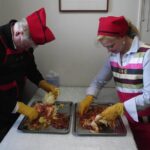
You’re guided to classic street foods like:
- bindaetteok (crispy mung bean pancakes)
- mayak gimbap (bite-sized rolls that people snack on repeatedly)
This is also a good place to slow down a little. Market food isn’t like museum food. You want to smell, compare, and decide what you feel like eating right now.
One practical note: the tour doesn’t include meals, so you should budget extra for food and drinks. The good news is the market gives you choice. If you only try two items, you’re still likely to have a fun experience.
Route logistics that actually matter: meet points, timing, and group size
You have two starting options, which helps if you’re staying near either subway hub:
- Myeong-dong Subway Station Exit 8
- Seoul City Hall Subway Station Exit 6
The tour includes an air-conditioned vehicle, and the group size is capped at 100. That’s big enough for logistics, small enough that you’ll still hear your guide at most moments.
You’ll also receive a mobile ticket, which is convenient if you don’t want paper tickets in your daypack.
When you’re planning your day:
- Build in a little buffer before the meeting point. Seoul can move fast, and you’ll want time to reach the correct exit.
- Keep your last hour flexible. The tour ends with a chance to spend more time at the market or get dropped back toward central shopping areas.
The guide makes or breaks it: what the best versions feel like
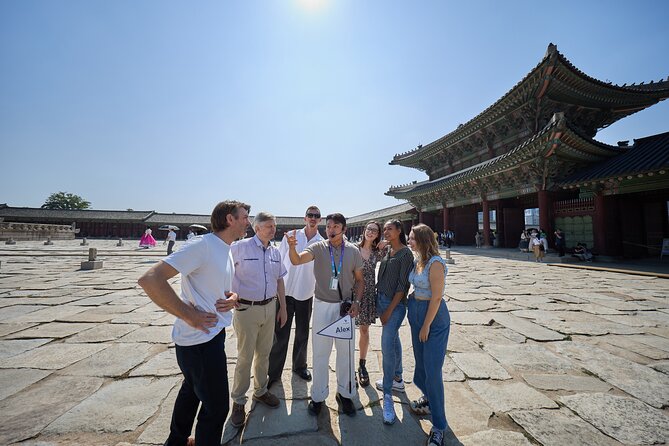
The most praised part of the experience is the guiding. Multiple reviews highlight guides who tell stories well, explain what you’re seeing, and keep the tour flowing smoothly even if plans shift.
Names that came up repeatedly include:
- Eva, praised for being upbeat, personable, and great at teaching about the places you visit
- Gabby, noted for detailed explanations and making visitors feel welcomed
- Kelly, singled out for strong communication and flexible group handling
- Sunny, praised for taking care of a group of six women and even extending time to help everyone get the most from the tour
- Moon, mentioned in a critical review about itinerary execution and shopping pressure
If you get a guide who works like that, you’ll feel like the tour is more than sightseeing. You’ll leave with a mental map of how the sites connect and why they mattered.
If your goal is maximum value, watch for the guide cues. When they tell you where to stand or when to look, it usually means they’ve learned what’s best for crowds and timing.
What can go wrong (and how to protect your time)
This tour is strong when everything runs as planned. But there are two predictable “watch-outs,” based on the information you’re given and real-world variability:
1) Palace choices can change
The Tuesday swap is official. But one review also complained about a different palace being substituted on a day when free admission rules were in play. Translation: day-of changes can happen.
How you protect yourself:
- Don’t book this tour expecting a single palace no matter what day you visit.
- If changing palaces would upset you, keep that risk in mind before you choose a date.
2) The ginseng stop can feel like a shopping test
The Cheongha center is free to enter as part of the tour. Still, ginseng content and retail sales often go together. If you’re not interested in buying, you can still treat it like a cultural explainer and move on.
If you’re the kind of traveler who hates sales:
- Go in expecting optional purchase pressure.
- Decide in advance what you won’t spend money on.
Who should book this tour (and who should skip it)
This tour is a good fit if you:
- Want a first-time Seoul overview that mixes traditional neighborhoods, a palace visit, and market food in one afternoon
- Like guided context—someone explaining what you see beats solo wandering for most people on a tight schedule
- Prefer having someone manage the route while you focus on photos and food decisions at each stop
You might skip it if you:
- Want a long, slow palace day with deep museum time
- Hate retail stops and would rather spend your whole 3.5 hours purely sightseeing
- Have very specific expectations about one exact palace ceremony on one exact day (because Tuesday shifts the plan, and day-of substitutions can occur)
Should you book? My call on this Seoul royal-palace + market loop
I’d book it for most first-timers who want efficiency and energy. The price is low enough that you’re not taking a financial gamble, and the included palace admission (on most days) helps it feel fair.
What makes it especially worth considering is the structure: hanok neighborhood first, palace ceremonial zone next, then a guided cultural stop, and then the market where your food payoff lands. If you can handle a short ginseng center visit and you show up ready to eat at Gwangjang, you’ll probably come away happy with the mix.
If you’re picky about ceremonies or dislike any sales feel, choose your day carefully (especially Tuesdays) and go in with a shopping plan—or a no-shopping plan.
FAQ
How long is the tour?
The tour lasts about 3 hours 30 minutes.
Where do I meet the guide?
You meet at Myeong-dong Subway Station Exit 8 or Seoul City Hall Subway Station Exit 6.
Is admission included in the price?
Yes for the palace portion on most days, and the other listed stops include free admission: Bukchon Hanok Village, the ginseng center, and Gwangjang Market.
What happens on Tuesdays?
On Tuesdays, the tour goes to Changdeokgung Palace and then Insadong instead of Gyeongbokgung Palace and the changing-of-the-guard focus.
Are meals included?
No. Meals are not included, so you’ll want to budget for food at Gwangjang Market.
Where does the tour end?
The tour ends back in the Myeong-dong area, with options to finish at Gwangjang Market for more time or to hop off around Myeong-dong.