REVIEW · SPLIT
YOUR BEST PRIVATE TOUR – amazing Split and Diocletian’s palace
Book on Viator →Operated by Private Tour Guides Split, Hvar, Dubrovnik - Olynta Phos · Bookable on Viator
Roman streets feel close at 9 a.m.
This private walking tour in Split is built for prime timing and real context: you start on the Riva before the day gets busy, then you move through Diocletian’s Palace in a logical order that makes the whole warren of streets and buildings click. I especially like that the itinerary is flexible, so your guide can slow down, reroute, or swap stops based on what you care about most.
My second favorite part is how the tour mixes big-name sights with the quieter layers that explain how Split became what you see today: the 1700-year-old Palace substructures and the medieval squares afterward. One thing to plan for is walking and heat, because you’re on foot through Old Split for about two hours, so mornings (and water) really matter.
In This Review
- Key highlights you’ll actually notice
- Why a Private Morning Walk Beats Split’s Crowds
- Starting at the Riva: Your Easy Orientation Point
- Entering Diocletian’s Palace: Gates, Peristyle, and That Cathedral Moment
- Substructures Underfoot: The Palace’s 1700-Year-Old Basements
- The Medieval Split Route: Golden Gate to Fruit’s Square
- Prokurative, Grgur Ninski, and the Split Synagogue Ghetto
- Chocolate, Sweet Treats, and Klapa Singing Timing
- How Long You’ll Be Walking and What That Means for Your Day
- Price and Value for a Two-Hour Private Guide
- What Guides Do Best Here (And Who You’ll Hear About)
- Should You Book This Private Split & Diocletian’s Palace Tour?
- FAQ
- How long is the Split and Diocletian’s Palace private tour?
- Is this tour private or shared?
- Is the tour offered in English?
- Where does the tour start?
- Do you offer pickup?
- Are entrance fees included?
- What sights are included inside Diocletian’s Palace?
- Is the chocolate stop included?
- Can I cancel for free?
- Are kids allowed?
Key highlights you’ll actually notice
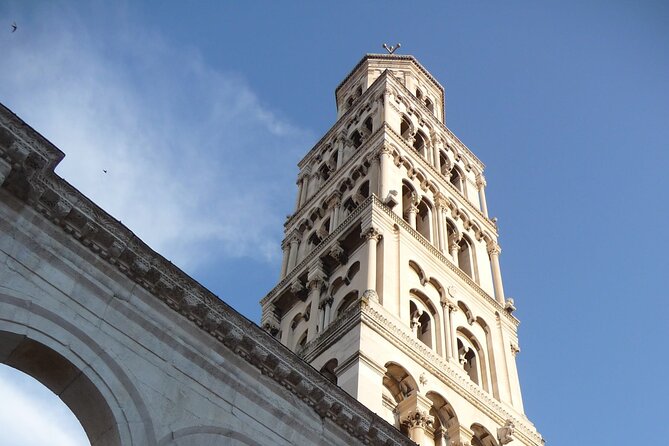
- Early start from the Riva for views before the crowd pressure hits
- Diocletian’s Palace entry through different gates so you understand the layout, not just the sights
- Substructures under the Palace where Diocletian’s life and the Palace’s “Roman-to-medieval” shift come alive
- Peristyle and Vestibulum—the central square plus the circular emperor’s lounge area (with occasional Klapa-style singing)
- Old Town walk that links palace spaces to medieval Split squares like Narodni Trg and Vocni trg
- A included chocolate stop at Nadalina cokolada (but it’s closed on Sundays)
Why a Private Morning Walk Beats Split’s Crowds
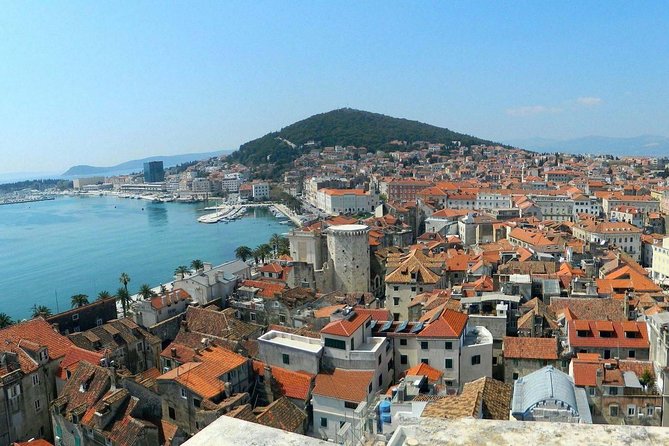
Split’s Old Town can go from manageable to chaotic fast. The best part of this tour is the timing: you’re heading into the palace zone early, when shadows are longer and people are still deciding what day they want to have. Starting on the Riva also helps because you get your orientation before you start slipping into narrow lanes and passageways.
Because it’s private, the pacing works for real humans. If you’re into architecture, your guide can linger at specific points. If you just want the highlights without feeling rushed, you can steer the stops to fit your energy level. The “whole itinerary is flexible” detail matters, because Diocletian’s Palace rewards patience. The place is layered: Roman structures absorbed by medieval life, plus later additions around the edges.
One practical note: even with a private guide, you are walking. This isn’t a drive-by photo tour. If you’re sensitive to heat or long stretches on uneven stone, plan your day around it and bring water. (Old Split can be sunny even when it feels like you should be in shade.)
You can also read our reviews of more tours and experiences in Split.
Starting at the Riva: Your Easy Orientation Point
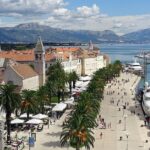
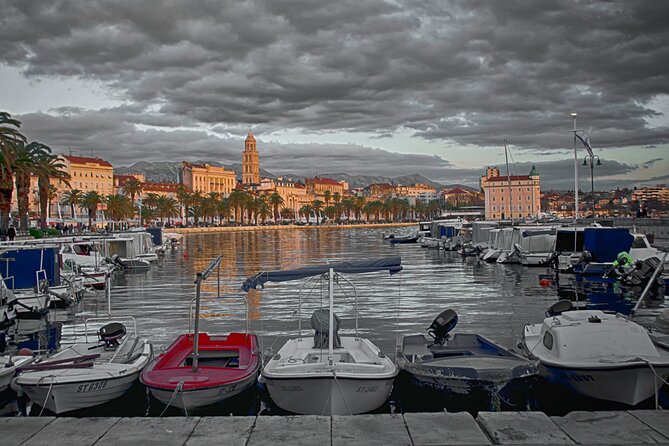
You meet around the Riva area, Split’s famous coastal promenade—often described as the city’s living room. That’s not just romantic branding. It’s smart logistics. The Riva is flat-ish compared with the deeper Old Town streets, so you can get the basics before your feet start working hard.
From the start, the guide sets context: Croatia, Split, and how the walking route connects the palace to the medieval town outside it. You’ll also get introduced to the itinerary in plain language—no need to carry a guidebook and play archaeologist on your own. This is one of those tours where you can focus on the place, not the reading.
Also, you’re in the right mood for the day. The morning light makes the textures pop: stone, doorways, and the contrast between Roman scale and later medieval street life. If you’re arriving by cruise ship, pickup happens at the port, and that timing can make the difference between a smooth morning and a day that starts stressed.
Entering Diocletian’s Palace: Gates, Peristyle, and That Cathedral Moment
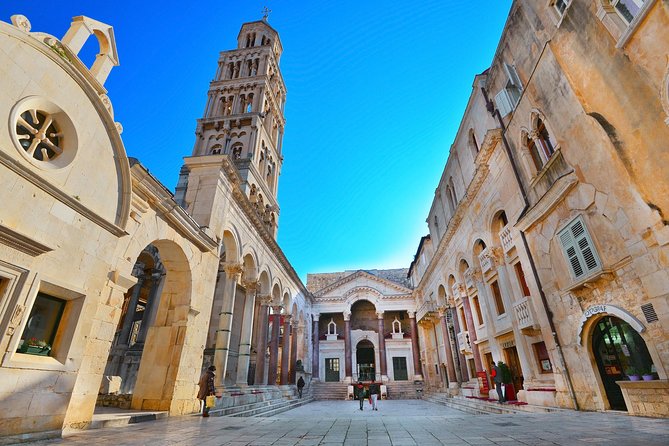
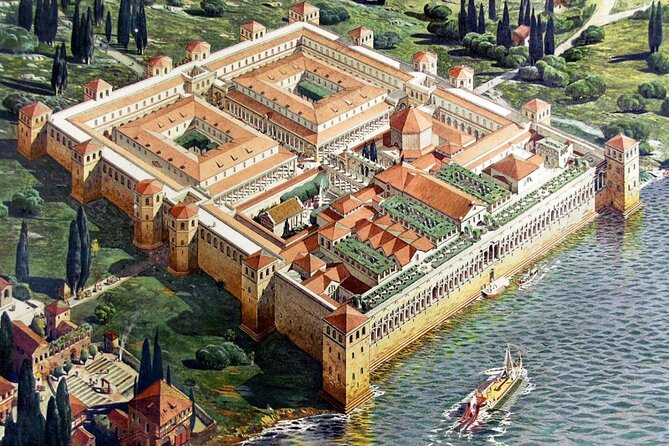
Diocletian’s Palace is the main event, and this tour gives it structure. You don’t just wander until you get “palace fatigue.” You enter through the Southern gate, then work through the central components in a way that helps you understand what you’re looking at.
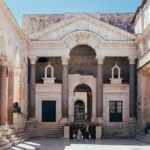
The Peristyle is the heartbeat of the complex. It’s the central square surrounded by multiple architectural styles across centuries. You’ll see how the original Roman engineering holds the frame, while later periods add their own features—cathedral bell tower, noble palaces, and more. It’s a visual map of how the site changed, not a single frozen moment in time.
The highlight also calls out the world’s oldest cathedral, and the way this tour is set up helps you spot the “big deal” element without needing to hunt for it. Instead of feeling lost in a pile of churches, you get the context for why the cathedral exists in this particular palace environment. That’s the kind of detail that makes the walk feel meaningful, not just scenic.
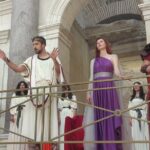
Then there’s the Vestibulum, a circular building tied to Diocletian’s private spaces. Depending on timing, you might even get a chance to hear Dalmatian Klapa singing there. Even if that doesn’t happen for your exact group, knowing it’s possible adds a nice sense of place: this isn’t only Roman stone. It’s a living performance venue in an ancient wrapper.
Substructures Underfoot: The Palace’s 1700-Year-Old Basements
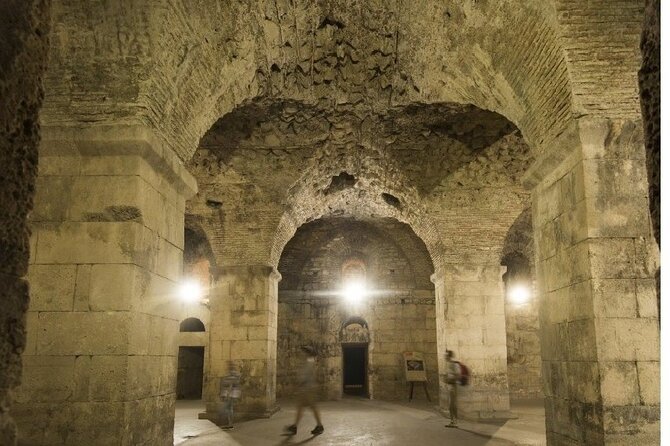
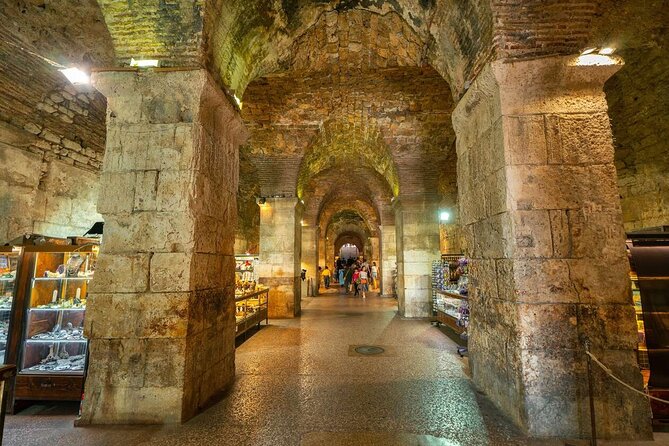
If the palace above ground is the show, the substructures are the backstory. After the Riva intro, you go through the Bronze gate and visit the most remarkably preserved basements and substructures—nearly 1700 years old.
This is where the tour earns its value, because it explains life inside the system, not just the system’s walls. You learn how Diocletian became emperor, how he ruled, and what “retirement” meant for him when he abdicated. The substructures also give you a real sense of the Palace’s construction logic and the materials used, including precious stone from the island of Brac.
Another smart angle: you connect this Roman capital story to later events. Salona—an important Roman capital town—helped shape the later development of Split. Then invaders from the north destroyed Salona and “helped” shift the Palace into a medieval town layout. You’re essentially walking through cause and effect: empire decisions, destruction, and urban survival.
Practical tip for you: in these underground spaces, it can feel cooler than the street, but stone can be slick. Wear shoes you trust.
The Medieval Split Route: Golden Gate to Fruit’s Square
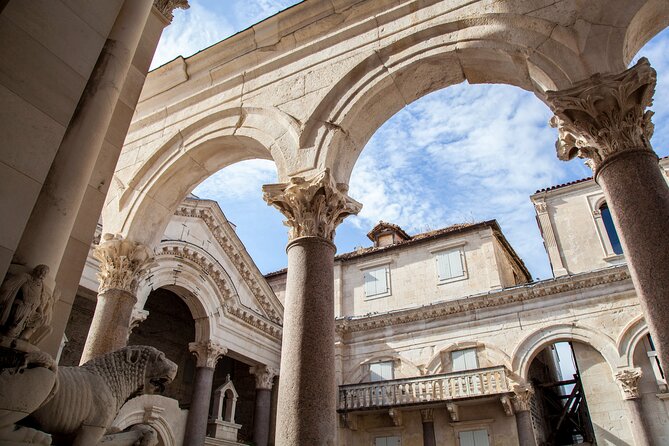
After the palace core, you step back into the medieval city and the mood changes—still historic, but more lived-in. You’ll move past the Golden Gate, the palace’s main entrance. The guide frames it as a Roman street system—how the Cardo and Decumanus work, plus the road link to Salona. That road context matters because Split’s medieval layout doesn’t come out of nowhere. It’s part of a bigger routing logic.
Then you walk into Narodni Trg, the main medieval square. The big City Hall building and surrounding palaces provide the “how did people live here after the Romans” feeling. It’s a good place to pause mentally. You’ve been in emperor-scale spaces. Now you’re in public town space.
Next is Fruit’s Square (Vocni trg / Trg Brace Radic). The center statue of Marko Marulić, a 15th-century Croatian poet and humanist often called the Father of Croatian literature, is more than decoration. It’s a reminder that Split isn’t only ancient. Cultural identity keeps layering on.
If you like photo stops, these squares are where your pictures stop looking like random alley snapshots and start looking like intentional scenes. Also, this section helps you understand why Diocletian’s Palace didn’t disappear. It became a foundation for the city around it.


Prokurative, Grgur Ninski, and the Split Synagogue Ghetto
The walk continues with a few landmarks that keep the tour from feeling too Rome-only.
You’ll see the huge Grgur Ninski Statue, the big figure of the 10th-century Croatian archbishop by sculptor Ivan Mestrovic. This is one of those civic sculptures that works as a geography marker too: it helps you anchor where you are in Old Split’s flow.
Then comes the Split Synagogue, located in the 16th-century Jewish ghetto area. The tour keeps it simple and meaningful: you learn the historical context without turning it into a lecture marathon. The synagogue’s age is also a nice detail—there’s mention that it’s the third oldest operating synagogue in Europe in this setting—so you understand why the site matters beyond local curiosity.
Finally, there’s Prokurative Square, a wide open space framed by neo-Renaissance buildings. It’s often compared to Venice’s St. Mark’s Square, and even if you’ve never been to Venice, you’ll get the idea: a ceremonial square feel with practical street life around it. If you want a short breath of air before heading onward, Prokurative is a good place for it.
Chocolate, Sweet Treats, and Klapa Singing Timing
Not every tour gives you something you can actually snack on. This one does. You stop at Nadalina cokolada, and the tour includes sweet treats with Mediterranean fruit and herbal flavors.
The timing matters for you. Nadalina cokolada is unfortunately closed on Sundays, and the tour notes you’ll have to skip that visit. If you’re traveling on a Sunday, plan to treat the chocolate stop as a bonus, not a guarantee. Your guide can still keep the route moving and cover the palace and squares portion fully.
The Vestubilum note about Klapa singing also adds flavor in a different way. Sometimes you might get the chance to enjoy Dalmatian choirs there. That possibility makes the tour feel more like attending a performance in an ancient room rather than just checking boxes on a list.
If you’re the type who likes small local rituals—sweet shops, spoken music, and a pause that isn’t just for photos—these parts are worth showing up for.
How Long You’ll Be Walking and What That Means for Your Day
The tour runs about 1 hour 50 minutes to 2 hours 10 minutes, and it’s built as a walking route through Old Split and the Diocletian’s Palace complex. That time range isn’t arbitrary. It reflects the way the palace site takes effort: stone corridors, changing levels, and enough time to understand what you see.
This duration also means you can pair it with other plans. You’re not losing half your day. If you’re on a cruise or have one main sightseeing block, this fits well as an anchor experience.
Heat is the real variable. Old Town walking plus midday sun can feel rough. One review mentions heat as the worst part, suggesting doing the route later or planning breaks. My take: if you can choose, keep this as your morning option. You’ll get better comfort and better light, and the “before the crowds” advantage holds.
Wear comfortable walking shoes. Bring water. And if your schedule is tight, tell your guide what you want to protect: extra time in substructures, more street-level wandering, or skipping a stop to stay on pace.
Price and Value for a Two-Hour Private Guide
At $124.34 per person, this isn’t the cheapest way to see Split’s biggest attractions. But it is priced like a true private, licensed-guide experience with a structured route and flexibility.
Here’s what you’re paying for:
- A private guide who can tailor pacing to your interests
- A guided flow through Diocletian’s Palace and then medieval Split, so you don’t waste time wandering without context
- Entry into the right internal spaces, including the substructures, which are usually the part people miss when they self-tour
- Local additions like the chocolate stop and the synagogue/ghetto area framing
One more value detail: the tour includes a flexible top-level licensed guide and a custom program. In practice, that means you can ask follow-up questions and get practical tips, not only dates and names.
Also consider that entrance fees aren’t included. Many core viewpoints are open-air, but any ticketed entrances you choose can add cost. If you want maximum value, ask your guide what’s free versus ticketed for your exact stops so you can plan ahead.
If you’re traveling with family or a small group, the private format can feel smarter. One review specifically highlights a private tour for a group of six, and the overall theme across feedback is that the guide approach scales well when you want real interaction.
What Guides Do Best Here (And Who You’ll Hear About)
The guide quality is the standout factor in the experience. In the feedback, names come up repeatedly: Matt gets praise for making the layered development of Diocletian’s Palace click, Mirjana is praised for passionate, engaging storytelling in Old Split, and Stella is highlighted for guiding through time periods with a pace that works for both adults and a middle-schooler.
Other guide names show up too, including Gita, Lily, Peter, and Boran. The common thread is simple: these guides connect the ancient structures to daily life in Split and provide practical recommendations afterward, like where to eat or where to shop.
That practical side matters. Split is full of choices. A good guide helps you avoid the tourist trap version of a day and steer you toward places that feel local and workable.
One odd note: there’s at least one complaint claiming the tour ended early. The way to protect yourself from a mismatch is to communicate early. If you want every major stop, say so at the start. If you’re feeling tired, ask for adjustments. A private tour should feel like it’s serving your day, not forcing a script.
Should You Book This Private Split & Diocletian’s Palace Tour?
Book it if you want a focused, two-hour way to understand Split’s signature site. This tour is strong when you want the big Roman landmark (including the substructures) plus the medieval squares that explain how the city grew on top of it.
You’ll especially like it if:
- You prefer morning timing for comfort and views
- You want a private guide who can tailor pacing
- You care about how and why Split changed over time, not only what buildings look like
I’d think twice if:
- You hate walking on uneven stone
- You’re only interested in taking photos fast, without context
- You’re visiting on a Sunday and the chocolate stop matters to you (it’s listed as closed then)
If you match the tour style—curious, comfortable with a good walk, and interested in how layers of history become a living city—this is a solid choice for Split.
FAQ
How long is the Split and Diocletian’s Palace private tour?
It lasts about 1 hour 50 minutes to 2 hours 10 minutes.
Is this tour private or shared?
It’s private. Only your group participates.
Is the tour offered in English?
Yes, it’s offered in English.
Where does the tour start?
The start point is Luka Split, Obala kneza Domagoja 7, Split.
Do you offer pickup?
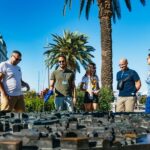
Pickup is offered only if you are staying in Old Town Split. If you’re coming by cruise ship, pickup is at the cruise port dock exit gate. If you’re staying away from the city center, you meet at the Old Town meeting point by the bronze model near the Riva.
Are entrance fees included?
Entrance fees are not included. Some stops may be free to visit, but any ticketed entrances are your responsibility.
What sights are included inside Diocletian’s Palace?
You’ll visit key palace spaces such as the main palace areas around the Peristyle, the Vestibulum, and the Diocletian’s Palace substructures under the palace.
Is the chocolate stop included?
Yes. You’ll get sweet treats at Nadalina cokolada, and admission is listed as included for that stop. It’s closed on Sundays, so you’ll skip it then.
Can I cancel for free?
Yes. You can cancel up to 24 hours in advance for a full refund.
Are kids allowed?
Children must be accompanied by an adult. Children under 11 tour free of charge.