REVIEW · SPLIT
Private Split: Visit Diocletian Palace & Taste Food at the Market
Book on Viator →Operated by Intrepid Urban Adventures - Croatia · Bookable on Viator
Old stones and good food in one easy loop. That mix is why this 2-hour Split tour feels so satisfying: Diocletian’s Palace tells the Roman-to-modern story of the city, and the market stop keeps it grounded with real local eating. You meet on the Riva, walk through UNESCO-listed spaces that still function as part of daily life, then end with a seasonal Dalmatian snack that makes the whole trip taste like Split.
I especially love how the palace walk is organized around the place itself: Golden Gates, Peristil/Peristyle space, and the private section and Vestibule focus your eyes on what matters instead of sending you hunting on your own. I also love the food portion, because it is not just samples on a plate—it comes with guidance on how locals buy and what to look for at the market.
One thing to consider: if you want lots of inside ticketed sights (cathedral, underground, Bell Tower, and museums), this tour does not cover those, so you’ll likely want a second visit or an add-on later.
In This Review
- Key highlights worth planning for
- Start at the Riva: why this timing works in Split
- Diocletian’s Palace: Peristil, Vestibule, and the Golden Gates
- What you’ll focus on inside the palace walls
- Game of Thrones notes, but keep your eyes on the architecture
- How the guide makes 1700 years feel practical
- The Green Market and Peskarija: how locals buy food
- Your Dalmatian snack: pršut, sheep’s cheese, octopus salad, and wine
- Why the snack works better than a full meal
- Price and value: what $148.72 buys you (and what it doesn’t)
- What you’ll be doing, step by step
- Who should book this tour
- Should you book this Split Palace and Market tour?
- FAQ
- How long is the tour?
- Where do we meet and where does the tour end?
- What language is the tour offered in?
- What do I do at Diocletian’s Palace?
- Is food included?
- Is the tour suitable for children?
- What’s not included in the price?
Key highlights worth planning for
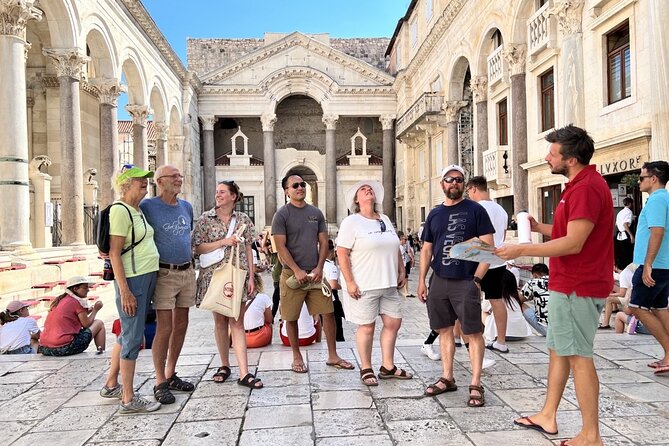
- Diocletian’s Palace with the right stops: Peristil/Peristyle, Golden Gates, plus the tour’s access to a private section and Vestibule
- Local context that sticks: your guide connects Roman decisions to what you see today in the city’s street layout
- Green Market shopping style: you learn how vendors sell daily goods and how locals pace their purchases
- Peskarija fish-market atmosphere: you get that right-off-the-coast seafood energy near Split’s waterfront
- Seasonal Dalmatian snack setup: examples include pršut, sheep’s milk cheese, octopus salad, anchovies, olives, and locally made wine
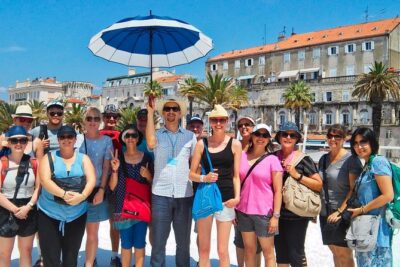
- Small group format: capped at 12 travelers, and the experience can feel personal when the group is small
Start at the Riva: why this timing works in Split
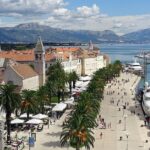
You start on Split’s main promenade along the coast, the Riva, at 9:00 am. That choice matters. You begin where the city’s energy is visible but still easy to navigate, then you move into the Old Town with clear context for what you’re about to see.
The walk format is also practical. This is a tight 2-hour experience, so you’re not stuck in half-day logistics, and you’re not wandering aimlessly with a phone map while the best sites quietly fill up.
Also worth noting: the tour is described as carbon neutral and run by a B Corp certified company using travel as a force for good. You’re still paying for a focused, human-led walk—this isn’t green-washing fluff. It’s just part of the operating approach.
You can also read our reviews of more tours and experiences in Split.

Diocletian’s Palace: Peristil, Vestibule, and the Golden Gates
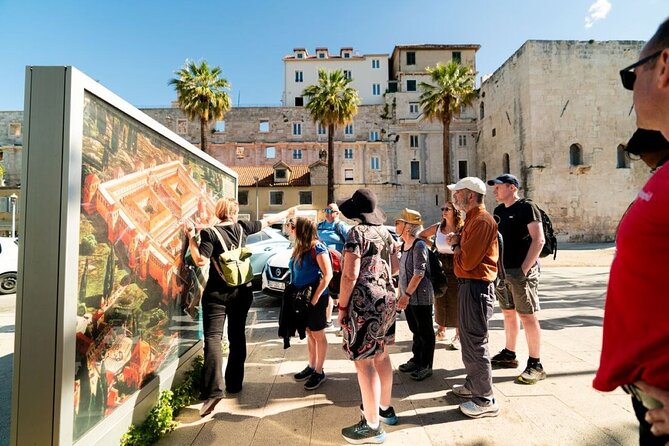
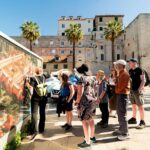
The Diocletian’s Palace is one of those places where your first reaction is, wait—this is still a functioning part of a city. That’s exactly what makes it work on a guided route. You’re not just viewing ruins. You’re walking through a layout that people have built life around for centuries.
Your first stop centers on the palace’s UNESCO-listed core, built by Emperor Diocletian in the 4th century. The guide helps you see the palace as an engine that shaped Split’s streets, neighborhoods, and movement patterns. Even if you’ve visited other Roman sites, this one feels different because it did not simply get abandoned—it got reused.
What you’ll focus on inside the palace walls
You’ll hit several named highlights that help you orient quickly:
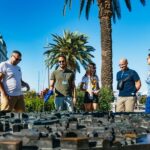
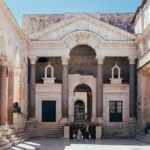
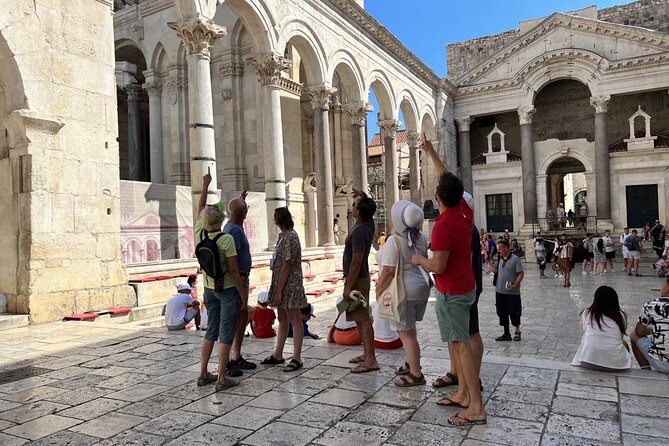
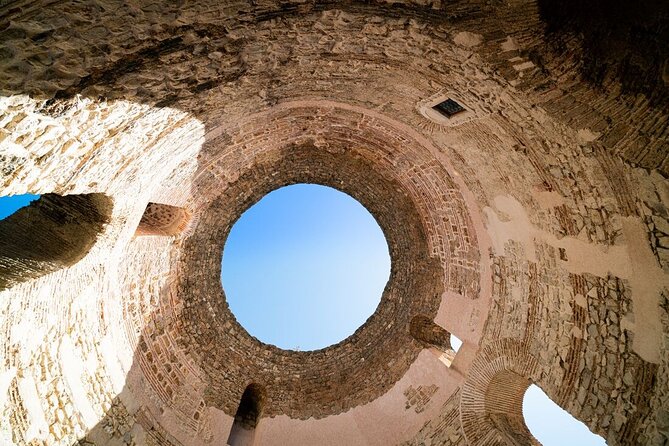
- Peristil/Peristyle space (the main square-like interior area). This is the kind of spot where you can suddenly understand scale—where the palace community gathered and how rooms connected.
- Vestibule and a private section that adds perspective beyond the most photographed corners.
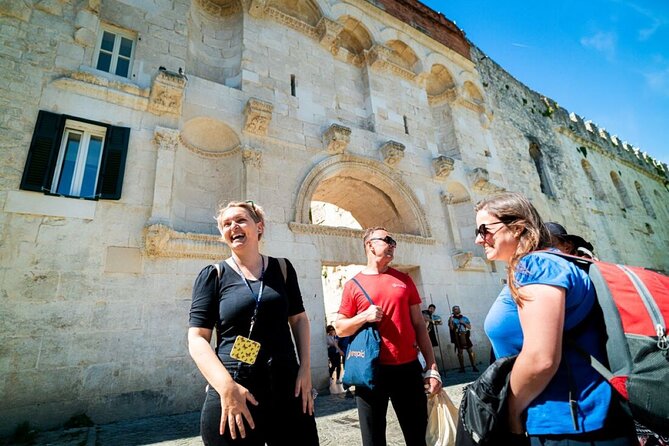
- Golden Gates, a signature entry point that ties the whole palace story together visually.
You’ll also get the “why” behind what you see. The palace didn’t become Split overnight. Starting in later centuries, the decaying palace structure became a place for shops, homes, and daily commerce—so the architecture shifted roles. That’s the big idea your guide keeps pointing back to: Roman power gave the city its shell, and generations of locals filled it in.
Game of Thrones notes, but keep your eyes on the architecture
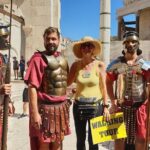
If you’re a Game of Thrones fan, you might recognize some locations tied to production in Split. But the smarter move here is to treat those references as a bonus. The main value is learning what makes the palace “feel right” even if you didn’t come for TV.
Your guide points out how the palace’s layout makes filming and wandering natural. More importantly, you learn how Roman design choices translate into modern street life—doors, corridors, and openings that still guide where you walk.
How the guide makes 1700 years feel practical
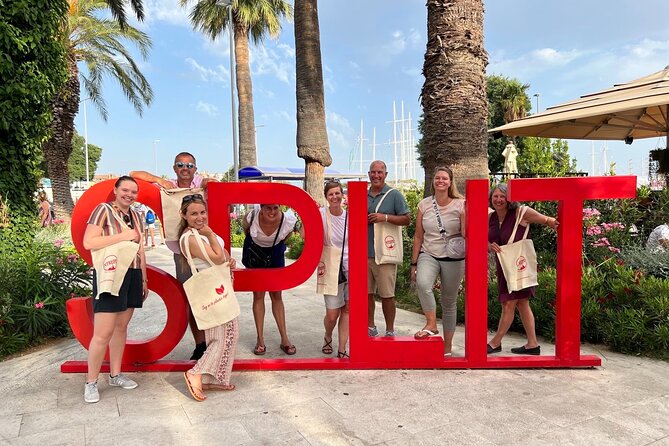
This tour shines when the guide connects details into a simple story you can remember. Many guides on this route are described as having deep backgrounds, including archaeologists. One name that shows up repeatedly is Maja (also spelled Maya in a few accounts), including a guide who worked on uncovering and restoration tied to the actual sites visited. Even when you don’t get that exact background, you still get the effect: you’re not hearing random dates. You’re getting context.
Here’s what that context changes for you:
- You stop treating the palace like a photo stop.
- You start noticing how the streets channel movement like the palace once did.
- You learn how Split’s identity layers Roman, medieval, and modern life in the same space.
And yes, you’ll probably get a few fun nods along the way. One guide example in accounts mentions Game of Thrones references, but the useful part is always the connection back to what you’re looking at.



The Green Market and Peskarija: how locals buy food
After the palace, the tour shifts to the food side of Split. This is where you get the market logic that brochures often skip.
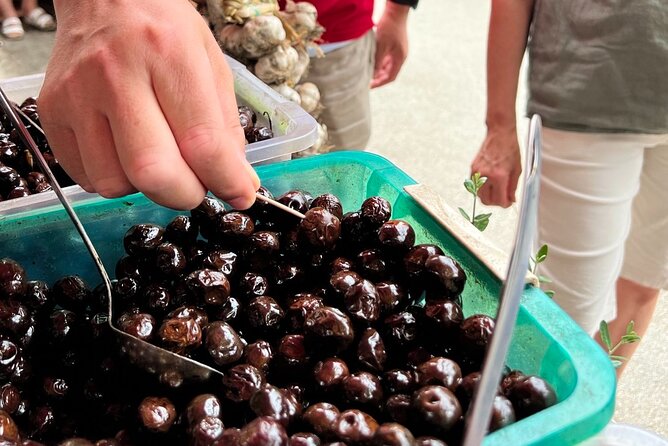
You’ll go to Green Market (Greenmarket of Split) and meet local vendors. The guide explains not just what foods are popular, but how locals choose them—what they ask for, how daily stock matters, and why market buying is part of local rhythm, not a tourist detour.
The market area is also connected to the seafood world, including Peskarija, the fish market near the coast. You’re meant to absorb the atmosphere: fishmongers calling out the day’s catch, the sense that food here arrives fast and gets eaten soon.
This matters because it changes how you interpret the snack later. If you understand the market pace, you understand why certain items show up repeatedly in Dalmatian plates.
Your Dalmatian snack: pršut, sheep’s cheese, octopus salad, and wine
Once you’ve walked enough stone corridors, you’ll want something salty and satisfying. The tour’s food stop is a seasonal traditional Dalmatian snack built around local staples. The exact menu can change, but you should plan on a lineup like:
- pršut (Dalmatian prosciutto)
- sheep’s milk cheese
- octopus salad (often mentioned as a standout)
- anchovies
- olives
- fruits, olive oil
- rakija
- dry figs
- locally made wine
This is a good “taste of Split” setup because it samples flavors across the Dalmatian pantry rather than focusing on one dish. One of the most practical parts is that you get guidance on what you’re eating. Instead of just chewing and nodding, you learn what local terms mean and why these foods belong together.
Why the snack works better than a full meal
For a 2-hour tour, this food format is smart. You’re not locked into a long restaurant service window. You get enough to feel fed and happy, and you still have energy to keep exploring afterward—either on foot or with a plan for what to eat next.
Several guide and food details show up repeatedly in accounts:
- octopus salad is frequently singled out as excellent
- wine is part of the pairing experience, not an afterthought
- the snack can be substantial enough to feel like more than a tiny sampler
If you’re the type who hates feeling overfed on sightseeing days, you’ll still be in good shape. If you’re the type who loves eating your way through a destination, this stop gives you enough momentum to make the rest of the day delicious.
Price and value: what $148.72 buys you (and what it doesn’t)
At $148.72 per person for about 2 hours, this tour is priced like a guided Old Town experience with a paid-guide component plus market food. The value is strongest if you care about:
- understanding Diocletian’s Palace beyond basic sightseeing
- getting market context you can’t easily replicate on your own in a short time
- eating local specialties with guidance on what matters
A key value point: the palace stop includes the admission ticket free portion for the tour’s palace time. You still won’t get everything inside the wider palace complex—entrance fees to some add-on sites are not included, such as the cathedral, underground, Bell Tower, museums, and the Temple of Jupiter.
So here’s the practical math. If your main goal is the palace walk plus a market snack, the price feels fair. If your main goal is to check off multiple ticketed structures inside the palace complex, you might consider doing this tour first for orientation, then booking separate entrances for the inside sights you care about most.
What you’ll be doing, step by step
Here’s the flow in plain language:
1) Diocletian’s Palace
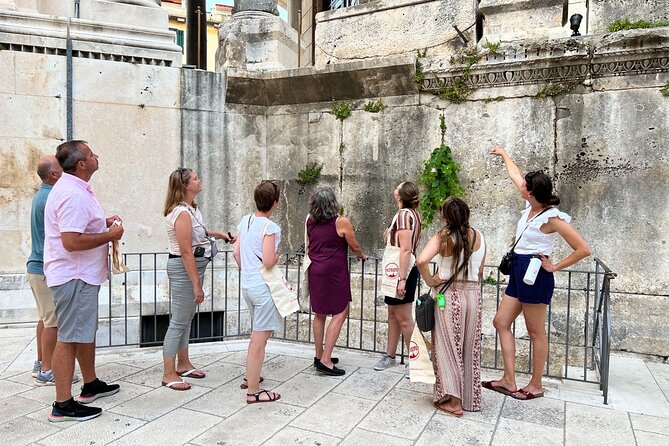
You start walking through UNESCO-listed palace spaces with stop points like Golden Gates and Peristil/Peristyle. You also get access to areas identified as part of the private section and Vestibule. Expect a guided explanation that connects Roman design to the way Split works today.
2) Green Market and nearby seafood atmosphere
You move to the market to meet vendors and learn how locals shop. You may also encounter the energy of the fish market area near the coast, especially with Peskarija’s daily-catch feel.
3) Traditional Dalmatian snack
You finish with a seasonal platter-style snack featuring local staples—plus wine, and other items depending on what’s in season.
4) Back to the Riva
When you’re done, you head back toward the promenade. Your guide can point you toward what to do next, and you can either continue exploring on your own or settle into a cafe for coffee or something sweet.
Who should book this tour
This is a good fit if you:
- want a short, high-impact walking plan in Split
- like history that connects to everyday city life (not just museum walls)
- enjoy markets and want to taste local specialties without guessing
- prefer a guide-led route with a small group cap (maximum 12)
It’s also child-friendly, with children under 6 permitted to join free of charge (with notification when booking).
If you’re the kind of traveler who wants a long list of optional entrances inside the palace complex, you might pair this with a second plan. But as a first pass that helps you understand what you’ll see later, it’s excellent.
Should you book this Split Palace and Market tour?
Yes—if your goal is to get your bearings fast in Split Old Town and leave with both meaning and flavor. I’d especially recommend it if Diocletian’s Palace is a top priority and you want someone to translate it into a story you can actually use while walking around.
Skip it or rethink it if you specifically want multiple ticketed interiors and attractions inside the palace complex in one go. This tour is designed to be focused: palace essentials plus a market snack, then you’re free to build the rest of your day.
If you book, do one smart thing before you go: wear comfortable shoes and come hungry. The best part of Split isn’t just what you see. It’s how quickly you start tasting the city while the stones are still in your head.
FAQ
How long is the tour?
It’s listed as about 2 hours.
Where do we meet and where does the tour end?
You meet at Obala Hrvatskog narodnog preporoda 23, Split, and the tour ends back at Split Riva.
What language is the tour offered in?
It’s offered in English.
What do I do at Diocletian’s Palace?
You explore UNESCO-listed areas inside Diocletian’s Palace, including Peristil, the Golden Gates, and the tour’s access to a private section and Vestibule.
Is food included?
Yes. You’ll taste local seasonal foods at the market, and the snack can include items like pršut, sheep’s milk cheese, octopus salad, anchovies, olives, and locally made wines (menu may change by season).
Is the tour suitable for children?
Yes. Children under 6 can join free of charge. Please inform the operator if you’re bringing a child under 6.
What’s not included in the price?
Entrance fees for the cathedral, underground of the palace, Bell Tower, museums, and the Temple of Jupiter are not included. Tips and additional food and drinks are also not included.