REVIEW · SPLIT
Split: Private Walking Tour with Diocletian’s Palace
Book on GetYourGuide →Operated by www.splitwalkingtour.com · Bookable on GetYourGuide
Split’s palace walls tell a story. This private walk connects Diocletian’s Palace to Split’s medieval streets, using a guide who can shape the route to what you care about.
I love two things most: the private guide who talks at your speed, and the way the stops are tied to real landmarks you can point at right away, from Golden Gate all the way to Cathedral of Saint Domnius.
One consideration: this tour isn’t suitable for wheelchair users, and it involves walking on historic stone streets. Bring comfortable shoes and plan for uneven surfaces.
In This Review
- Key highlights worth planning around
- Entering Split through Golden Gate and the Roman walls
- People’s Square, Fruit Square, and Riva Harbor: the city’s everyday rhythm
- Diocletian’s Cellars: seeing the palace beneath the palace
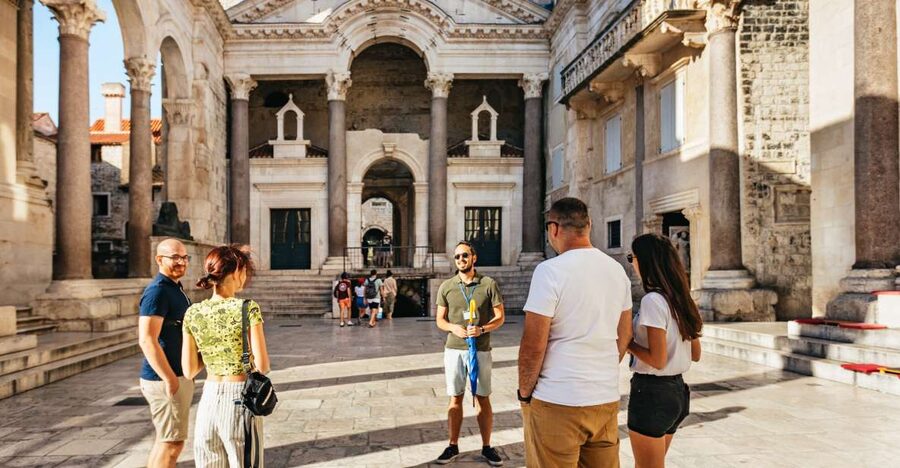
- Peristil: the palace courtyard that explains everything
- Cathedral of Saint Domnius (St Duje): 5th-century meaning, 311 AD connection
- Vestibul and the return to Golden Gate: finishing where you began
- What makes the guides matter on this private tour
- Price and value: $117 per group up to 2
- Who should book this Split private walking tour
- Should you book this tour?
- FAQ
- Where do we meet for the tour?
- How long is the Split private walking tour?
- Is this tour private or shared?
- Is the tour wheelchair accessible?
- What landmarks are included?
- What languages does the guide speak?
- What should I bring?
- What’s included in the price?
- Is free cancellation available?
- Is there a reserve now, pay later option?
Key highlights worth planning around
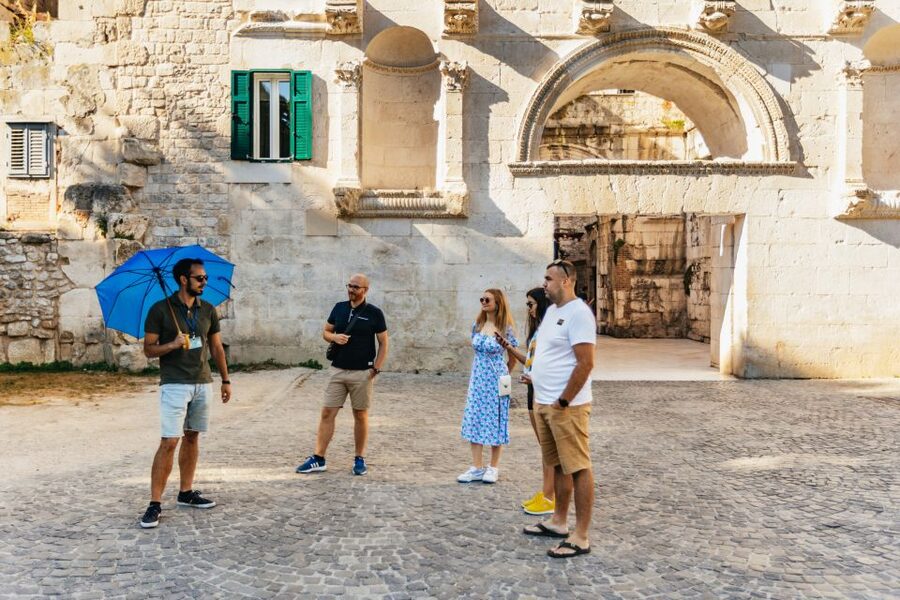
- Golden Gate start, North Gate of Diocletian Palace: easy to find, and it instantly sets the Roman context.
- Diocletian’s Cellars + Peristil: you see the palace layout without getting lost in big-group chaos.
- Cathedral of Saint Domnius (St Duje): the 5th-century building on the burial site tied to 311 AD.
- Medieval squares and harbor promenade: People’s Square, Fruit Square, and Riva Harbor help you understand daily Split life.
- A truly private pace: you can linger for questions or move faster if you want.
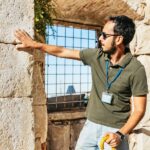
- Guide names you may meet: Antonia, Slavko, and Vinka are examples of the kind of professional, local-feeling storytelling you can hope for.
Entering Split through Golden Gate and the Roman walls
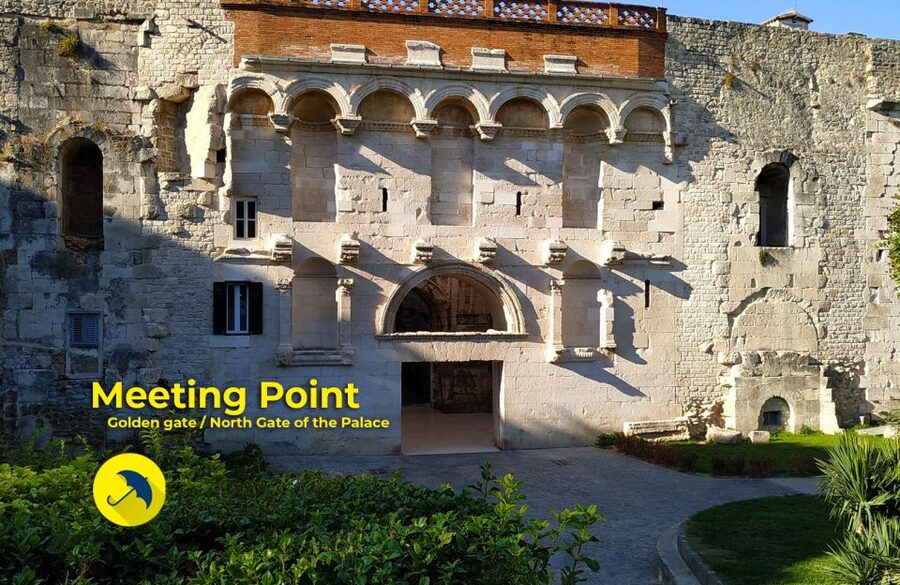
Your walk starts at Golden Gate, the North Gate of Diocletian Palace. That matters more than it sounds. When you begin at the edge of the palace complex, Split stops being a random cluster of buildings and becomes a city built on top of a Roman power center.
From this point, you’ll get your bearings fast. Golden Gate isn’t just a gate you pass through; it’s a visual anchor. It also connects you to the medieval story layer, including references like the tower-clock that has kept time since the 15th century.
The tour then moves you along a short chain of stops that feel like stepping stones into different eras. One stop is a brief look around the Game of Thrones Museum area, which works as a quick reference point if you enjoy seeing how modern pop culture gets placed onto older locations. Next, you shift to the local-sounding squares.
Along the way, you’ll also pass churches from the 12th and 13th centuries, medieval fortifications, and palace styles ranging from Gothic to Renaissance and Baroque. You won’t just get names. The value here is in how your guide ties each style to who controlled Split at that time, and why the city looks the way it does today.
You can also read our reviews of more tours and experiences in Split.
People’s Square, Fruit Square, and Riva Harbor: the city’s everyday rhythm
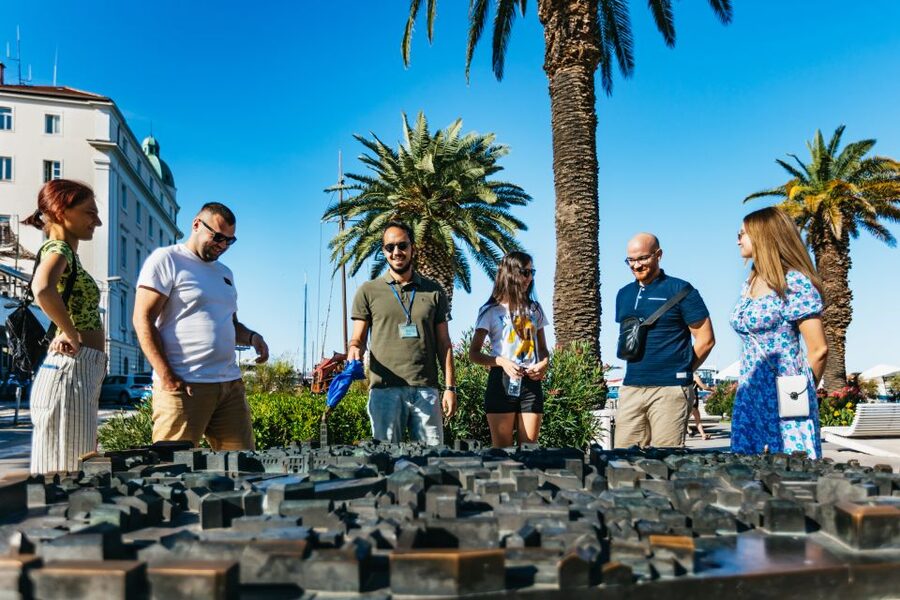
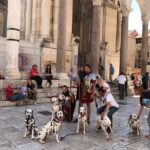
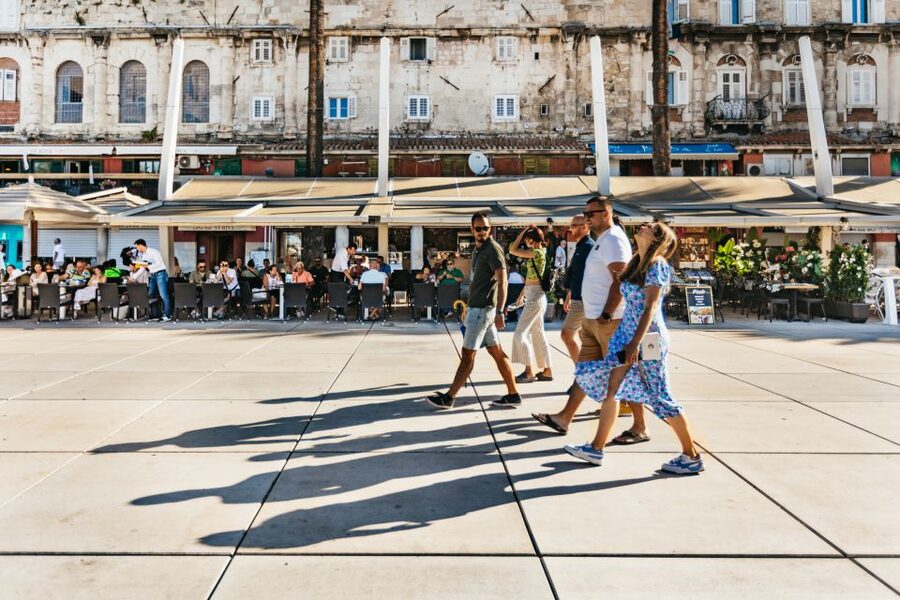
One reason this tour feels more satisfying than a pure monument list is that it includes the public “rooms” where Split people actually move through the day. That’s what People’s Square and Fruit Square help you notice. These are the kinds of places where you can read the city’s habits just by watching: where conversations happen, where errands happen, and where the sidewalks feel wide enough for life to flow.
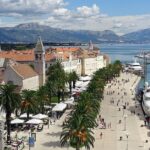
Then you reach Riva Harbor. Even if you already know the word promenade, this section helps you understand why the harbor area matters historically and socially. You’ll get a view of how the Roman-era shell of the city connects to the later port culture—where trade, travel, and daily routines kept shaping what got built next.
A good guide makes this portion feel like orientation, not detour. If you’re traveling with teens or family, this part often lands well because it’s easier to picture modern life in between the older architectural stops.
And if you want photos without getting stuck behind a wall of tour groups, private pacing helps. The tour is designed to keep your experience smooth, and some guides are especially careful about timing and avoiding big crowds.
Diocletian’s Cellars: seeing the palace beneath the palace
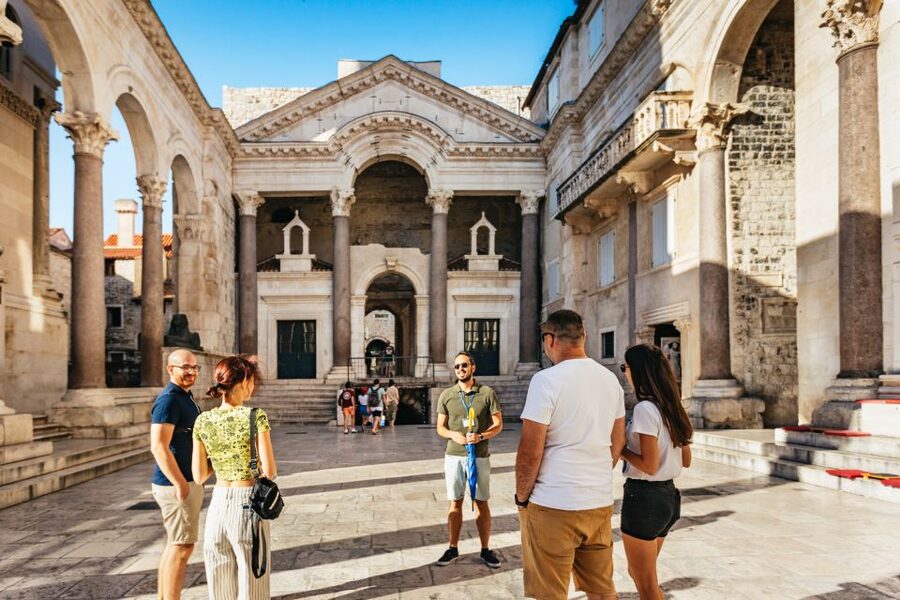
Next come the Diocletian’s Cellars. The name alone tells you what makes this stop useful: it brings your eyes to the spaces under the main palace areas. In many cities, you can walk past historic buildings and never feel how the city was organized. Here, the cellars help you grasp that the palace wasn’t just an outdoor showpiece—it had a working life underneath it.
Your guide’s job is to help you connect what you’re seeing to the broader idea: Split’s old streets aren’t random alleys. They’re built through and around the Roman structure. When you understand that, you start noticing patterns everywhere—street angles, entry points, and why certain corridors feel built-in.
If you like architecture but don’t want an all-day lecture, this is a good middle ground. You’ll get enough context to understand what the palace is, and you’ll also get time to look at details at your own tempo.
Peristil: the palace courtyard that explains everything
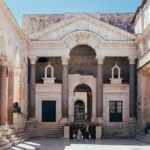
Then you’re at Peristil. Think of this as the moment where the palace starts making sense spatially. Courtyards are where human-scale logic clicks. You can imagine how movement worked, where people would have gathered, and how different functions might have been arranged around open space.
This is also a turning point in the tour’s feel. Earlier stops are about orienting you in eras. Peristil is about helping you see the palace layout as a system. If you’ve ever toured historic sites and felt like you were collecting facts instead of building understanding, this is where the tour tends to feel rewarding.
Short stops at major spaces like this also benefit families. Kids (and adults) usually do better when they can visually connect one place to the next. Peristil helps you do that without needing a long, exhaustive museum-style visit.
Cathedral of Saint Domnius (St Duje): 5th-century meaning, 311 AD connection
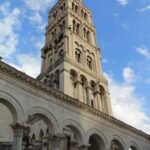
The highlight stop for many people is the Cathedral of Saint Domnius, known locally as St Duje. This is one of the best-preserved ancient Roman buildings standing today, built in the 5th Century on the site where Diocletian was interred in 311 AD.
That detail alone gives you a powerful lens for what you’re seeing. Diocletian is described here as the last famous persecutor of Christians, and the fact that a major Christian site was built on his burial ground adds emotional weight. Your guide can help you connect the dots between Roman authority and the shifting religious climate that followed.
This isn’t just a photo stop. It’s a place where your guide’s explanations can change how you experience the architecture. You’ll look at the building as a survival story—Roman materials and Roman legacy carried forward into later centuries.
The cathedral stop also helps you understand why Split became more than a Roman relic. It became a living city where the old foundations kept getting reused and reinterpreted.


Vestibul and the return to Golden Gate: finishing where you began
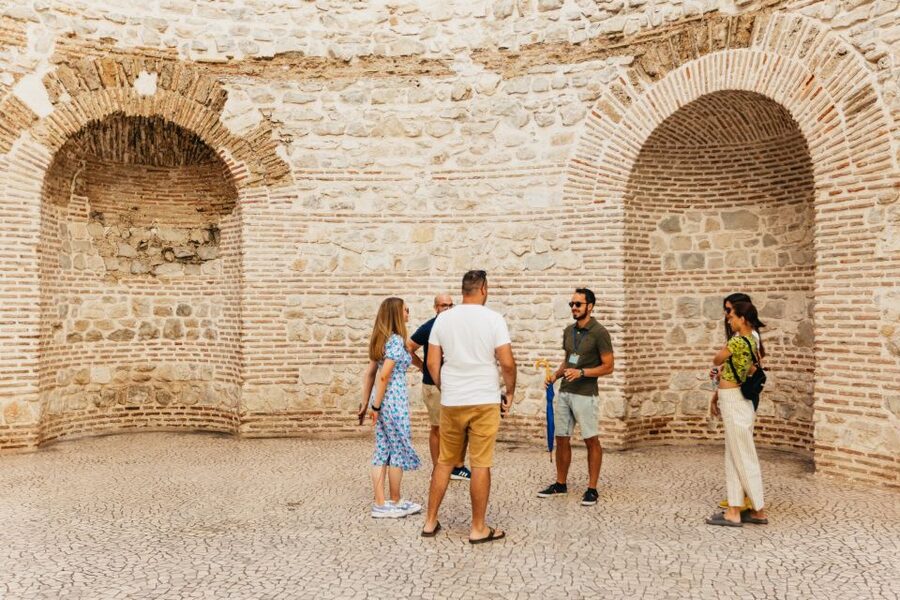
After Saint Domnius, you’ll visit the Vestibul. The tour keeps you focused on the palace’s internal sequence—moving from sacred space back toward the areas that connect to street-level life around the complex.
Then you arrive back at Golden Gate, which makes the tour feel complete. Returning to the same landmark you started with is underrated. It helps you mentally map where you were and how the Roman structure sits under modern Split.
As you walk back, you’ll likely notice things you missed earlier—small shifts in street direction, building edges that line up with what you saw inside the palace complex, and little reminders of the medieval quarter. That is one of the smartest parts of private guiding: the pacing supports pattern-spotting.
What makes the guides matter on this private tour
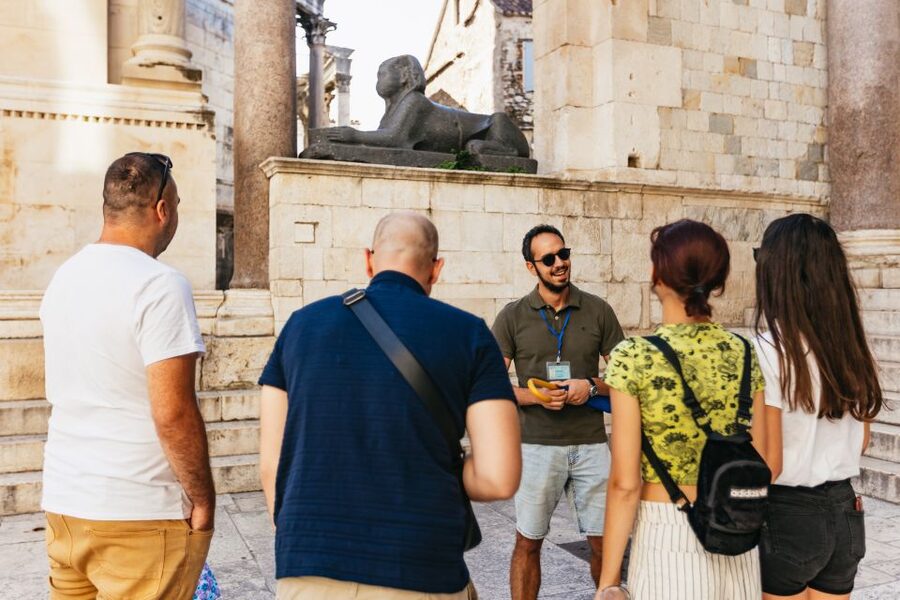
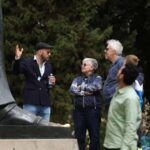
This is a private tour, so your guide isn’t performing to a schedule for a large group. The guide can answer your questions even if it takes extra time, and that changes the feel fast.
Names that come up in guide feedback include Antonia, Slavko, and Vinka. Slavko is described as animated with a strong intro and a local, born-and-raised perspective on Split. That kind of local framing helps you understand more than dates; it helps you understand why people still talk about the same places and stories today.
Antonia is noted for taking care with questions and matching the pace, even when visitors need a bit more time. Vinka is mentioned in feedback as professional, which matters because this tour covers a lot of eras in a short range of time.
Even better, some guides are careful about avoiding the worst times for big crowds. Since your group is private, that flexibility can mean you spend less time waiting and more time looking.
Price and value: $117 per group up to 2
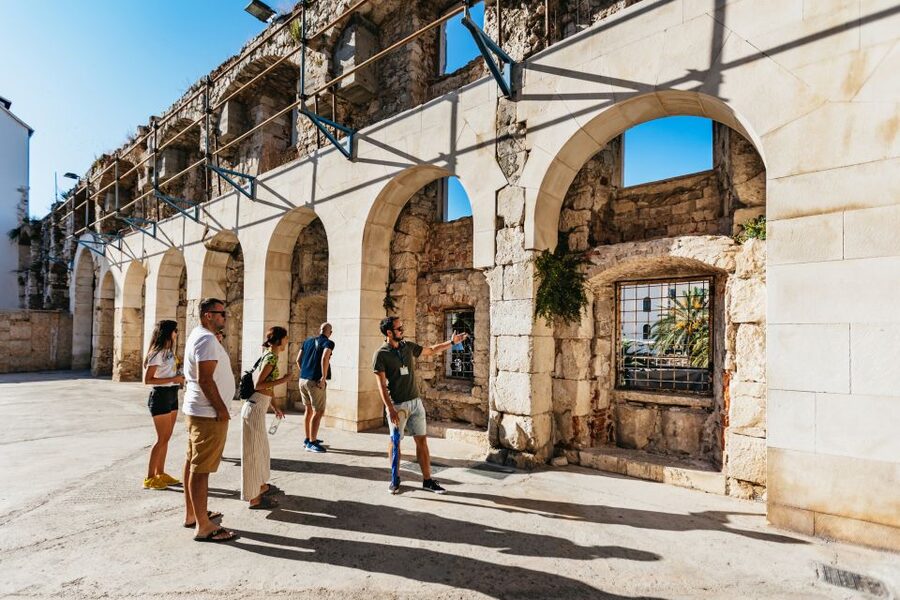
At $117 per group up to 2, this is priced for couples, small families, and friend pairs—not big groups. The value is in the private structure: you’re paying for a guide who can slow down, adjust the route, and keep the tour personal.
The duration can run from 90 minutes up to 5 hours depending on availability. That range gives you flexibility. If you want the core highlights, you can keep it shorter. If you like architecture and stories, you can stretch the time and let your guide add more explanation around the 1700-year-old palace and Split’s layered churches, fortifications, and palaces.
This is especially good value if you’d otherwise split time between multiple tours or end up paying for separate museum-style visits. Here, the logic is geographical: you’re walking through the city’s Roman core and medieval city center in one connected loop.
Who should book this Split private walking tour
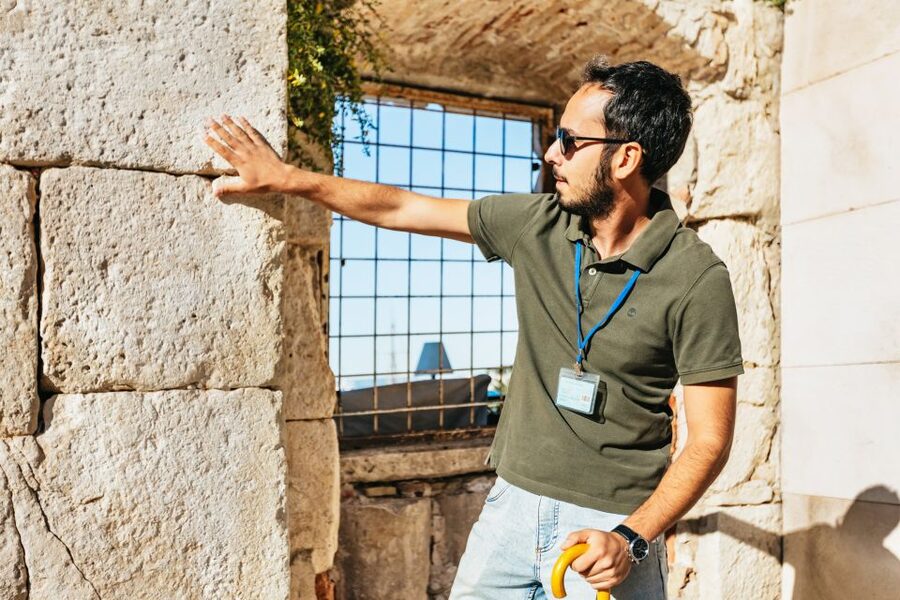
You’ll likely enjoy it most if:
- You want a private guide through Diocletian’s Palace rather than a quick, rushed stop.
- You like understanding how eras stack on top of each other, from Roman spaces to medieval squares and beyond.
- You’re traveling with family and want a plan that can flex to different attention spans.
- You care about city context, like why Golden Gate and the cathedral matter, not just what they look like.
It may not be the best fit if:
- You need wheelchair access, since it’s listed as not suitable for wheelchair users.
- You prefer very long seated museum time. This is a walking tour built around outdoor and historic interior stops.
Should you book this tour?
If your goal is to get a real sense of how Split grew out of Diocletian’s Palace—and you want it explained by a guide who can match your pace—this is a strong pick. The route hits the core landmarks without turning into a chaotic big-group sprint, and the Cathedral of Saint Domnius stop gives you serious meaning through the 311 AD connection.
Book it if you’re the type who likes architecture, stories, and walking between eras. Skip it if mobility is a major concern or if you want a fully museum-only experience.
Either way, start at Golden Gate with good shoes—and let the city’s layers do the talking.
FAQ
Where do we meet for the tour?
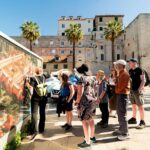
You meet at Golden Gate, the North Gate of Diocletian Palace in Split. Look for a guide with a blue umbrella.
How long is the Split private walking tour?
The duration ranges from 90 minutes up to 5 hours, depending on the starting time you choose.
Is this tour private or shared?
It’s a private group tour.
Is the tour wheelchair accessible?
No. The activity is not suitable for wheelchair users.
What landmarks are included?
You’ll visit Golden Gate, Diocletian’s Cellars, Peristil, the Cathedral of Saint Domnius (St Duje), and the Vestibul, plus stops such as People’s Square, Fruit Square, Riva, and a quick stop around the Game of Thrones Museum area.
What languages does the guide speak?
The live guide is available in English, German, Spanish, and French.
What should I bring?
Wear comfortable shoes. It’s also recommended to bring sunglasses and a sun hat.
What’s included in the price?
The tour includes a professional and personal local guide, a private sightseeing tour, and all taxes, fees, and handling charges.
Is free cancellation available?
Yes. You can cancel up to 24 hours in advance for a full refund.
Is there a reserve now, pay later option?
Yes. You can reserve now and pay later to keep your plans flexible.