REVIEW · ROME
Colosseum Arena tour with Roman Forum and Cesar’s Palace
Book on Viator →Operated by Atlas Tours · Bookable on Viator
Three ancient power spots in one guided walk.
This Colosseum arena experience appeals to me because you’re led through the arena levels with stories behind gladiator fights and executions, not just a quick look around. I also like that it pairs that drama with Palatine Hill (officially Caesar’s Palace area), where you can see how Rome’s most famous leaders lived alongside later eras—from very early buildings through Renaissance work and on to structures associated with Benito Mussolini. The main drawback to weigh is operational risk: there have been reports of last-minute cancellations, no-show meeting problems, or guide issues that left people stuck outside when they expected skip-the-line entry.
In a time-crunched city like Rome, the schedule is the point. You get a total of about 2 hours 30 minutes, with a small-group limit of 24 people, and the tour is offered in English. You’ll also want to take the entry requirements seriously: you must provide full names when booking, and you’ll need a valid passport or ID that matches those names, or entry can be denied.
If you’re paying $89.87, I’d think of it as paying for timing, guidance, and reserved access—not just sightseeing. The Colosseum and Palatine Hill admission tickets are included in the price, while the Roman Forum part lists admission as free, so the guide and the “keep moving” structure are the real value driver.
In This Review
- Key things I’d circle before you book
- Start at the Arch of Constantine, finish in the Roman Forum center
- Entering the Colosseum arena: first and second levels with gladiator stories
- Palatine Hill and Caesar’s Palace: where emperors lived, and later regimes built too
- Roman Forum in one guided hour: temples, the Senate House, Vestal Virgins, Julius Caesar
- Guide performance: when it works, it’s a standout; when it doesn’t, it hurts
- Price and value: $89.87 is reasonable if the experience matches what you expect
- Timing, security, and the hot-day reality in Rome
- Who should book this Colosseum arena, Palatine Hill, and Forum combo
- Should you book this tour?
- FAQ
- How long is the Colosseum arena tour with Palatine Hill and the Roman Forum?
- What language is the tour offered in?
- Where do I meet the tour, and where does it end?
- What does the ticket price include?
- What do I need for entry to the Colosseum and Roman Forum?
- Can I cancel for a full refund?
Key things I’d circle before you book
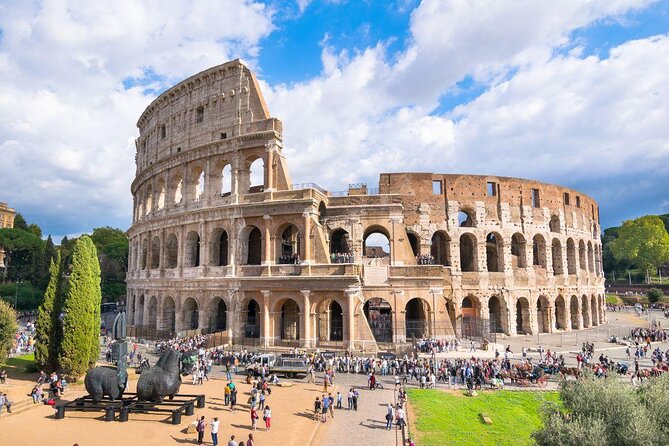
- Colosseum arena access on the first and second levels with guided commentary
- Palatine Hill as Caesar’s Palace with remains spanning B.C. times, Renaissance, and Mussolini-era buildings
- Roman Forum stops that focus on governance and religion (Senate House, Vestal Virgins’ house, key tombs and temples)
- Small-group size (max 24) which generally makes it easier to hear the guide and keep pace
- ID and exact name matching matter for Colosseum and Roman Forum entry
- Skip-the-line expectations can clash with real security lines depending on the day
Start at the Arch of Constantine, finish in the Roman Forum center
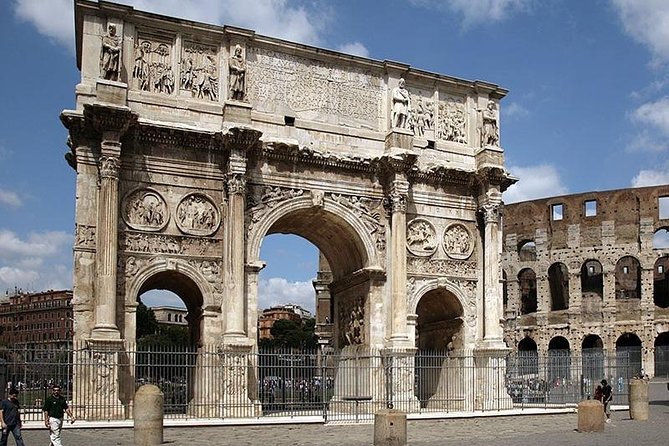
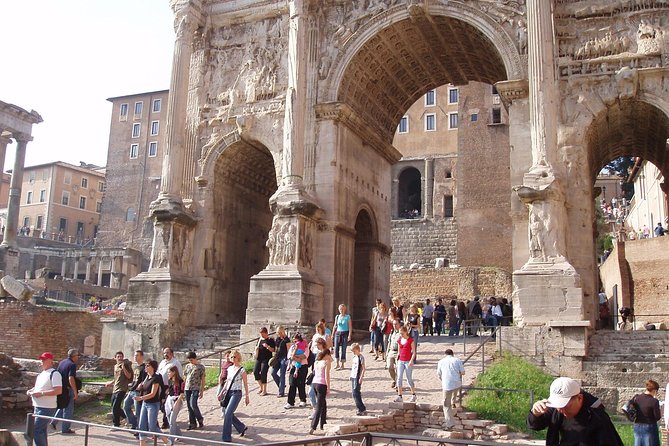
The meeting point is at the Arch of Constantine, in the Piazza del Colosseo area. That’s convenient because it places you right where most first-time Rome days begin, and it keeps the walking logic simple.
The tour ends in the center of the Ancient City, at the Roman Forum. This matters more than it sounds: you’re not left crossing half the city afterward. From that ending point, you’re closer to public transportation, shopping, and places to eat, with less “what do we do now?” stress.
This experience lists a moderate physical fitness level requirement. The pace is based on walking between three major sites, so if you’re prone to getting winded, plan your day so you’re not also climbing stairs later in the afternoon.
You can also read our reviews of more tours and experiences in Rome.


Entering the Colosseum arena: first and second levels with gladiator stories
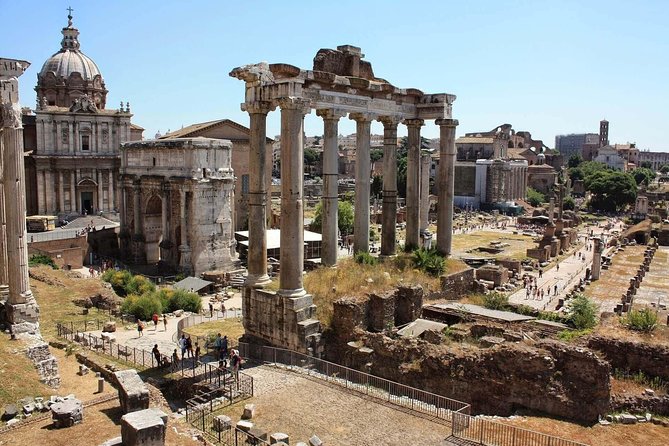
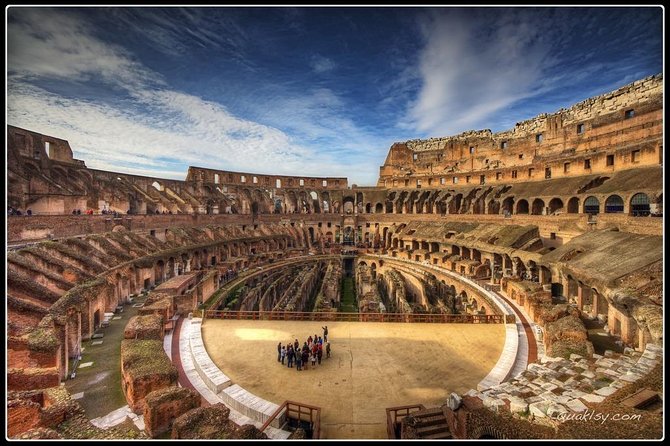
The heart of this tour is your time inside the Colosseum, where you visit the first and second levels. The Colosseum could once hold about 70,000 Romans, and that scale is hard to fully grasp until you’re standing in the space and looking at the tiers. Your guide’s job is to turn that geometry into human stories.
Here’s what you should expect your guide to focus on: the violent spectacle. You’ll get explanations tied to gladiator fights and public executions, with details framed around the kinds of deadly entertainment Rome staged. The tour description specifically calls out exotic animal hunts, beheadings, and gladiator battles, which is helpful because it tells you the narration isn’t going to be only “dates and emperors.” You’ll be walking the same kind of path that many past fighters, and their captors, would have understood in their world.
One practical tip: the Colosseum can be busy and security lines can take longer than you expect. Even if you’re booking for faster entry, Rome doesn’t run on your schedule. Go in with the mindset that the first part of the tour can be slightly weather- and crowd-dependent, then enjoy the fact that once you’re inside, the guide time is focused.
Palatine Hill and Caesar’s Palace: where emperors lived, and later regimes built too
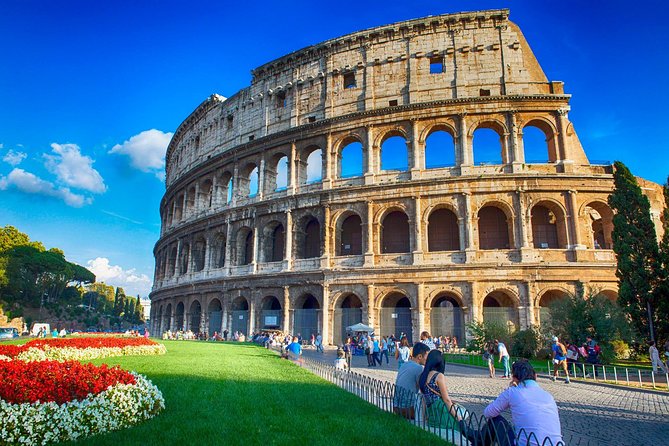
After the Colosseum, you head to Palatine Hill, described as Caesar’s Palace (its official framing is Palatine Hill). This is the Roman spot that often feels less like a “single monument” and more like a layered city. You’re walking in the footsteps of Rome’s rulers, but you’re also seeing how the place kept getting reused and reshaped.
The tour emphasizes that Palatine Hill is where Rome was founded nearly 3,000 years ago. From there, the remains and structures show a long timeline: B.C. periods, then Renaissance-era building activity, and most recently buildings associated with Benito Mussolini. That last point is worth sitting with. It turns Palatine Hill from a pure ancient-history stop into a place where you can literally see how later politics and modern identity co-opt ancient sites.
In my opinion, this part is where a guided tour can really pay off. The ruins can feel like scattered stones if you arrive cold. With a good guide, you start connecting names to locations and understanding why people cared so intensely about this specific hill.
Roman Forum in one guided hour: temples, the Senate House, Vestal Virgins, Julius Caesar
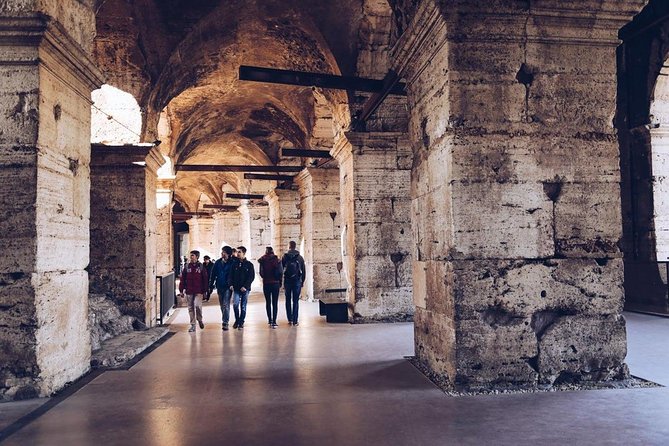
Then you transition to the Roman Forum for about an hour. The Forum is where Rome’s political decisions were made, and that framing helps you understand why the ruins feel like more than a sightseeing stop. This is where power showed up in public form—religion, law, and leadership all in the same space.
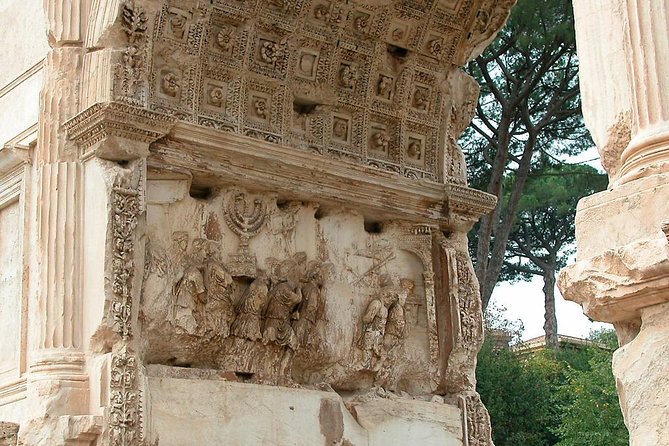
Your guide leads you past the Forum’s key elements, including important pagan temples and tombs. You’ll also see the house of the Vestal Virgins, which is a smart inclusion because it shifts the story beyond emperors and battlefield politics into the religious machinery Rome depended on. On the political side, you’ll visit the Senate House and Julius Cesare’s tomb.
This hour is a lot to absorb, so don’t treat it like a museum crawl where you memorize every stone. Treat it like a guided map. If you come away understanding what each area was for—temple space versus civic space versus elite tombs—you’ll get far more satisfaction from the photos and the rest of your day.
Also, the Roman Forum admission portion is listed as free. That’s good value because it means you’re not paying extra on top of the tour price for the Forum segment—you’re mainly paying for how the guide stitches the sites into a coherent story.
Guide performance: when it works, it’s a standout; when it doesn’t, it hurts
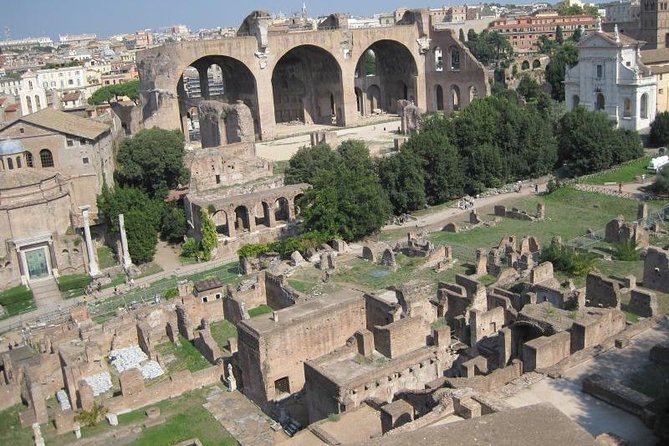
A guided Colosseum tour rises or falls on the guide. When things go well, the difference is obvious: you stop thinking in lists and start thinking in stories.
One guide named Natasha is highlighted as informative with a great sense of humor. That’s a big deal here because the subject matter can get grim fast. Humor doesn’t make it lighter—it helps you stay present and remember what you heard.
On the other side, there are multiple reports of operational problems that can seriously disrupt the day. Some people described situations where the tour was canceled on short notice, or where nobody met them at the meeting spot. Others reported entry issues tied to licensing of the guide, which delayed or prevented access after long waits. There were also complaints about poor communication when plans changed.
I don’t say that to scare you. I say it because you’re paying for an experience that depends on timing and personnel showing up correctly. If you book, take a simple, practical approach: keep your confirmation details handy, arrive at the meeting point early, and have a way to contact the operator without hunting for it on the spot.
Price and value: $89.87 is reasonable if the experience matches what you expect
Let’s talk value in plain terms. You’re paying $89.87 for a roughly 2.5-hour guided loop through the Colosseum, Palatine Hill, and Roman Forum area. The price includes admission tickets for the Colosseum and Palatine Hill, while the Roman Forum admission is listed as free.
So the value isn’t just “I get into a place.” It’s:
- you’re getting guided time where it’s easy to feel lost,
- you get the convenience of a coordinated route,
- and you’re not doing three separate ticketing and orientation tasks.
Where value gets shaky is when the day-of experience doesn’t match the promise—especially if skip-the-line timing fails, or if extra features mentioned at purchase don’t show up. Some people also raised concerns about reseller pricing compared with official ticket costs. I can’t verify pricing relationships here, but it’s fair to be smart: before you buy, check what’s included in the final product you’re actually purchasing, not just what sounds good in marketing copy.
Timing, security, and the hot-day reality in Rome
Rome’s crowds and security checks don’t care that it’s your vacation schedule. Even on a day with good planning, you may spend time in lines before you’re inside.
One caution that stands out from real-world stories is how quickly delays stack up when entry doesn’t go smoothly: waiting in the sun, security processing that moves, then stopping at the gate, and then losing your appointment window. If you can choose your day, I’d aim for a cooler morning and plan this tour as one of the earlier commitments of your trip.
Bring the essentials you always need for major sites: your ID/passport (matching the names on your booking), water, and whatever you use to stay comfortable in heat. The tour itself is about walking, so don’t schedule it on top of a heavy museum day unless you’re sure your energy holds.
Who should book this Colosseum arena, Palatine Hill, and Forum combo
This is a good fit if you want:
- a guided explanation for gladiator-era violence and imperial power,
- a tight route that hits three of Rome’s biggest ancient anchors,
- English commentary,
- and a group size that stays small enough for the guide to keep moving at a human pace.
It may be less ideal if you:
- have limited flexibility and can’t risk any day-of disruption,
- hate waiting in lines under the sun,
- or are very sensitive to any mismatch between advertised add-ons and what’s delivered on the day.
Should you book this tour?
I’d book only if you’re comfortable with the reality that timed entry at the Colosseum is never purely controllable. The attraction itself is worth the effort, and the tour’s structure makes sense: Colosseum first, then Palatine Hill as Caesar’s Palace, then a Forum hour that ties the political and religious threads together.
If you do book, be proactive. Arrive early at the Arch of Constantine meeting point, double-check that the names on your booking match your passport or ID exactly, and be ready for the possibility that the day depends on guide logistics working smoothly.
If that kind of uncertainty would stress you out, a safer approach can be building your day around official tickets and a backup plan for when guided entry doesn’t go as expected.
FAQ
How long is the Colosseum arena tour with Palatine Hill and the Roman Forum?
It runs for about 2 hours 30 minutes.
What language is the tour offered in?
The tour is offered in English.
Where do I meet the tour, and where does it end?
You start at the Arch of Constantine in the Piazza del Colosseo area, and the tour ends at the Roman Forum in the center of the Ancient City.
What does the ticket price include?
The admission ticket is included for the Colosseum and for Palatine Hill. The Roman Forum part lists admission as free.
What do I need for entry to the Colosseum and Roman Forum?
You need to provide the full names of everyone in your booking. At entry, each person must present a valid passport or ID document that matches the name used during booking, and a voucher with the full names may be required at the ticket office.
Can I cancel for a full refund?
Yes. You can cancel up to 10 days in advance of the experience start time for a full refund, as long as you cancel at least 10 full days before the start time.