REVIEW · ROME
City walk through Spanish steps, Trevi fountain, Pantheon, Navona, Angel Castle
Book on Viator →Operated by Cris Roman Guide by Cristina Giannicchi · Bookable on Viator
Rome clicks into place on this guided walk. In just about three hours, you get a guided route through Rome’s big-ticket landmarks without feeling stuck in a rigid bus tour, thanks to a private walking tour for up to 3 people and an English guide who explains what you’re actually looking at. I love the way the stops connect city storytelling, so the scenery feels like it means something, not just a photo back wall. I also like the relaxed, flexible pace, so you can move through the classics and still catch the details that make each spot different.
One thing to plan for: this is a hit-the-highlights stroll, not a slow, sit-and-read day. If you prefer long stays at one monument, you may wish you had more time than the tour’s 3-hour window.
In This Review
- Key takeaways before you go
- From Spanish Steps to Castel Sant’Angelo: the value of a focused 3-hour route
- Meeting at Babington’s Tea Room and starting with the right orientation
- Spanish Steps: more than a famous staircase scene
- Trevi Fountain: hearing the story behind the most photographed landmark
- Piazza Colonna: where old Rome meets modern power
- Pantheon: architecture plus on-the-ground storytelling
- Church of St. Louis of the French: Caravaggio art in a small-space pause
- Piazza Navona: reading Rome’s layers in one square
- Fiume Tevere and bridges: the city’s living backdrop
- Castel Sant’Angelo from the outside: why this fortress matters
- Guides make the difference: what Chris and Gigi are known for
- Morning or afternoon: how to choose your time slot
- Who should book this tour, and who might want something else
- Should you book this Rome walking tour?
- FAQ
- How long is the tour?
- Is this tour private?
- What language is the tour offered in?
- Where does the tour start and end?
- Is admission included for the stops?
- What sights are included?
- Is there a cancellation deadline?
Key takeaways before you go
- Private group of up to 3: You’re not competing with strangers for the guide’s attention.
- Big names, smart sequencing: Spanish Steps, Trevi Fountain, Pantheon, Piazza Navona, and Castel Sant’Angelo, in a clean flow.
- Free-entry stops: The scheduled admission is free at each main stop.
- Stories that connect places: Expect explanations that tie architecture, politics, and art to what you see on the street.
- A strong guide makes the difference: Guides like Chris and Gigi are praised for keeping focus and clarifying the meaning behind landmarks.
From Spanish Steps to Castel Sant’Angelo: the value of a focused 3-hour route
This tour works because it helps you understand Rome quickly. You start on the way to Piazza di Spagna and walk through a chain of landmark zones that give you a real sense of how the city layers itself over time. In a short window, you get multiple “chapters” of Rome: grand views, famous art, major architecture, civic life, and the river that ties it all together.
You’ll also like the group size. It’s private, limited to your group (up to 3). That matters more than you’d think, because you can ask practical questions as you go, instead of waiting your turn. And since the tour is offered in English, the guide’s explanations land clearly.
As for cost, $524.97 is per group, not per person. That means the value depends on who you travel with. If you’re 1 traveler, it’s pricier. If you’re 2–3 people, it’s a way to turn your time into something efficient and guided without the cost pain of larger group tours.
You can also read our reviews of more tours and experiences in Rome.


Meeting at Babington’s Tea Room and starting with the right orientation
You meet at Babington’s tea room on Piazza di Spagna, at Piazza di Spagna, 23. That’s a practical start point because it places you right in the neighborhood that anchors the morning’s first landmark. You’ll end near Castel Sant’Angelo, which is convenient if you’d like to keep exploring the area after the tour.
You get a mobile ticket, which simplifies check-in. And the tour is described as near public transportation, so you’re not locked into a complicated “get here by taxi” situation.
Quick tip for your day: arrive a few minutes early and do a small mental plan. Choose what you care about most—architecture, art, civic Rome, or the feel of river life—then let the guide steer you toward the details you’ll enjoy most.
Spanish Steps: more than a famous staircase scene
The tour begins with Spanish Steps, with time set aside for the history and architecture of the square and nearby area. This is a good first stop because it’s scenic but also a launchpad. The guide can help you read the space: why this kind of prominent urban stair-zone exists, how it functions as a meeting place, and how the surrounding setting supports the monument’s role in the city.
Even if you’ve seen photos for years, you’ll likely notice things you missed online once you’re standing in the square. The point of a guided start is not to memorize facts—it’s to train your eye for what to notice next.
If you’re hoping for lots of time for your own photos, give yourself a little extra buffer. The tour segment here is about 30 minutes, so you’ll want to work quickly once you’re ready to shoot.
Trevi Fountain: hearing the story behind the most photographed landmark
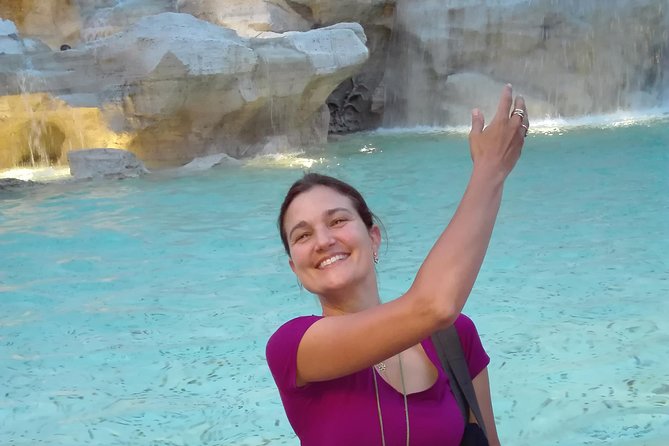
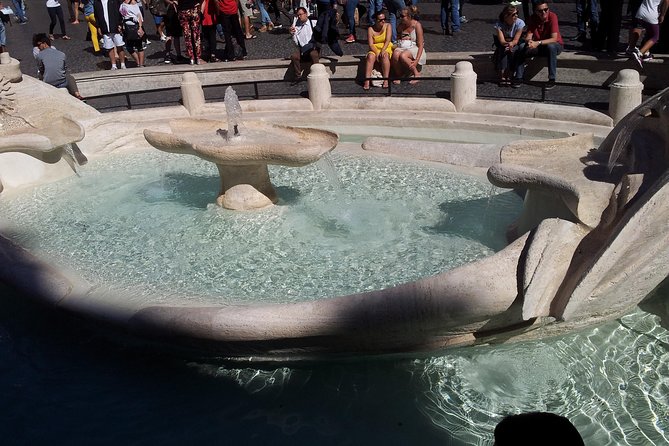
Next comes Fontana di Trevi, where the guide focuses on the fountain’s history and architecture. Trevi can feel like a swirl of tourists if you show up cold. With a guide, it becomes more than a checklist stop. You’ll learn what the fountain’s design communicates and how the landmark fits into the story of Rome’s public spaces.
This stop is around 25 minutes. That’s enough time to get oriented, understand what you’re seeing, and still have a moment to simply take it in. If your goal is only a quick postcard snapshot, you can rush. If your goal is to understand why Trevi became the symbol it is, linger with the guide’s explanations.
Piazza Colonna: where old Rome meets modern power
Piazza Colonna is a clever mid-tour switch. It’s not just another view. The guide covers the square’s history and its modern political role. That contrast is exactly why this stop is valuable: you see how Rome isn’t locked in the past. Public space keeps evolving, and politics plays out in streets and plazas, not just in government offices.
You’ll get about 20 minutes here. This short slot keeps the tour moving while still giving you a “context stop” between the heavyweight art and architecture moments.
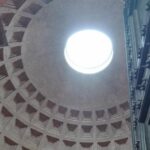
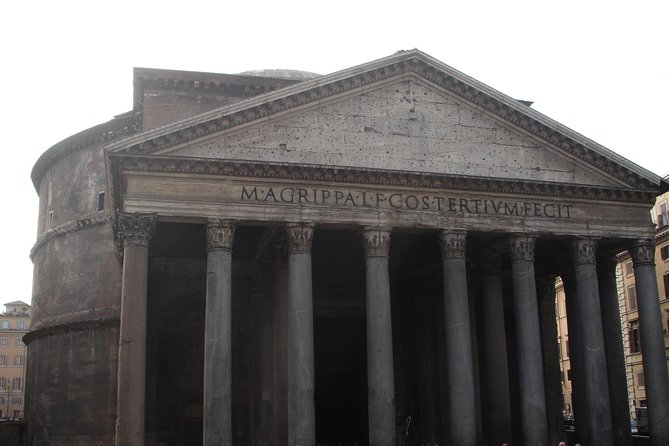
Pantheon: architecture plus on-the-ground storytelling
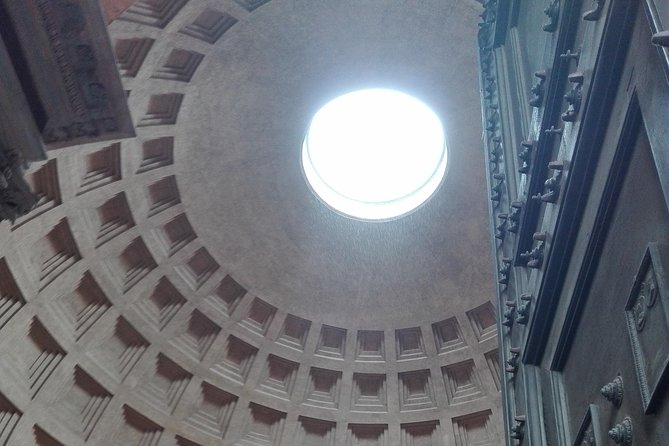
The Pantheon is the kind of stop where a guide changes everything. The time here is about 30 minutes, and the focus is on architecture plus tales about the Pantheon from both outside and inside. Even if you know the basics, explanations can help you understand why the building feels so powerful in person—what the structure communicates and how it shaped the way people think about Rome’s architectural identity.
What I like about adding Pantheon after Piazza Colonna is pacing. You go from civic context to architectural icon. That sequence helps your brain stay engaged. It’s also a relief to know that the tour includes both outside and inside time, rather than treating it like a quick photo-and-run.
If you’re the type who wants to ask questions while you’re inside, this is one of the best places to do it.
Church of St. Louis of the French: Caravaggio art in a small-space pause
Then you’ll head to the Church of St. Louis of the French, specifically the Chapel of Saint Matthew, with Caravaggio paintings. This is one of the more interesting “art stop” moments because it’s not just about what’s famous in the street. It’s about stepping into a focused chapel space where the art has a direct emotional punch.
The time here is about 20 minutes. It’s short, but that’s actually ideal for a walking tour. You get a guided orientation to the paintings and the chapel setting, without turning it into a half-day museum project.
Practical thought: indoor churches can vary in temperature. Bring a light layer you can manage so you don’t spend the visit thinking about comfort instead of art.
Piazza Navona: reading Rome’s layers in one square
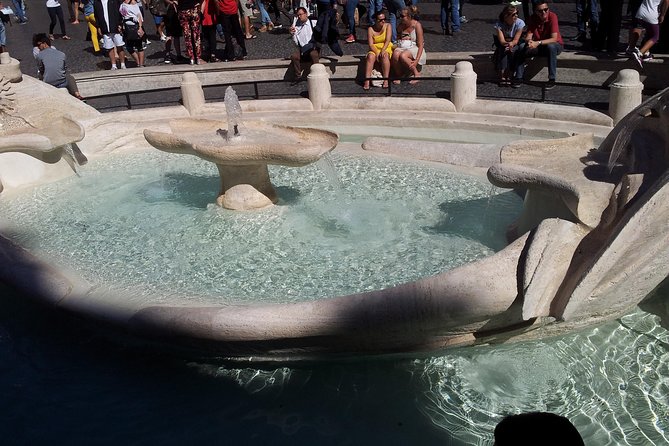
Piazza Navona brings the tour to another iconic public square, with history tied to the central fountain. This stop is about 25 minutes, and the guide highlights the way the square carries multiple eras—layers that range from an ancient stadium setting to a later Baroque square.
That “layers” idea is the whole point of a Rome walking experience. You’re not just seeing one monument. You’re seeing how the city repurposed space over time and kept the energy of gatherings alive.
The central fountain is part of what makes Navona memorable, but the guide’s storytelling helps you understand why the square is shaped and used the way it is. You’ll likely leave with a clearer sense of how Rome keeps rewriting itself instead of simply preserving monuments behind glass.
Fiume Tevere and bridges: the city’s living backdrop
One of the smartest segments is the Fiume Tevere, where the tour spends about 10 minutes on river life and the bridges. This is short by design, but it gives you a breath of “ordinary Rome,” not only the postcard stuff. The river is a constant reference point in the city’s geography and daily movement.
I like that this stop is included because it connects the big landmarks. You start to see how the city’s layout makes sense, and how water and crossings shape where people go and how neighborhoods develop.
If you want a few extra minutes here, it’s easy to step away after the guide’s explanation and watch the river scene for yourself.
Castel Sant’Angelo from the outside: why this fortress matters
The tour ends at the Museo Nazionale di Castel Sant’Angelo, with history discussed through the centuries, focusing on what you can see from outside. You get about 20 minutes here, finishing in front of Saint Angel Castle.
Even without going inside, Castel Sant’Angelo still works as a final note. It’s a visual anchor that helps you connect Rome’s architectural power to its defensive and strategic past. The outside viewing time is also practical. It gives you closure at a major location without stretching the tour past its 3-hour target.
Guides make the difference: what Chris and Gigi are known for
The strongest praise on this tour centers on the guides’ ability to keep you with them. Chris is singled out for explaining the city and the meaning of what you see. Gigi is praised for being very knowledgeable and holding attention for the full time.
That’s exactly what you should look for on a short Rome tour. When you only have a few hours, the guide can’t treat landmarks like a checklist. You want stories that help you place each site in your mental map.
This is also why the private format matters. In a small group, you’re more likely to get the kind of explanation that fits your pace and questions.
Morning or afternoon: how to choose your time slot
You can pick a morning or afternoon tour time, and you’ll feel the difference based on light and energy. If you want a smoother start, go earlier and use the rest of the day for museums, neighborhoods, or long coffee breaks.
If you prefer a later start, afternoon can give you softer light for walking between landmarks and a calmer rhythm for your own sightseeing after the tour finishes near Castel Sant’Angelo.
Either way, this tour is about getting your bearings quickly. Treat it like Rome orientation, not a replacement for slower exploration later.
Who should book this tour, and who might want something else
This is a great fit if you want:
- A guided overview of major sights in only a few hours
- A private experience for up to 3 people
- Clear explanations in English
- A route that includes both famous monuments and a focused art chapel
It may not be ideal if you want:
- Long, museum-style time at a single site
- A heavy emphasis on only one theme (like only art, only ancient Rome, or only churches)
If you’re in Rome for a first trip and you want to avoid the feeling of wandering without a plan, this tour is a strong starting move.
Should you book this Rome walking tour?
If your goal is to see the highlights and actually understand them, I’d book it. The combination of major landmarks, quick but meaningful stops (including Caravaggio in the Chapel of Saint Matthew), and a private, guide-led format gives you a lot of value for a short time.
I’d especially lean toward booking if you’re traveling with one or two people and can split the group cost. You’ll come away with a clearer mental map of Rome, and you’ll know what you’re looking at the next time you pass one of these places on your own.
FAQ
How long is the tour?
It runs for about 3 hours.
Is this tour private?
Yes. Only your group participates, and it’s for up to 3 people.
What language is the tour offered in?
The tour is offered in English.
Where does the tour start and end?
It starts at Babington’s tea room on Piazza di Spagna, 23. It ends in front of Saint Angel Castle near P.Za Pia/Castel S. Angelo.
Is admission included for the stops?
Admission is free for the scheduled stops.
What sights are included?
You’ll cover Spanish Steps, Fontana di Trevi, Piazza Colonna, the Pantheon, the Church of St. Louis of the French (Chapel of Saint Matthew with Caravaggio paintings), Piazza Navona, the Fiume Tevere area, and Castel Sant’Angelo (outside).
Is there a cancellation deadline?
You can cancel up to 24 hours in advance for a full refund.