REVIEW · ROME
Rome: Colonna Palace Entry Ticket
Book on GetYourGuide →Operated by GetYourGuide Tours & Tickets GmbH · Bookable on GetYourGuide
Palazzo Colonna is the kind of Rome visit that feels calm fast. I like how easy ticket entry helps you get inside without the usual purchase-on-arrival scramble, and the Galleria Colonna delivers serious Roman Baroque drama in a quieter setting than the headline museums. One thing to keep in mind: this is a residence, so expect real walking and stairs as you move from rooms to gardens and, if you upgrade, into the apartments.
What I really love is how the art and the setting work together. You’ll see major names of Italian painting, plus ornate interiors with mirrors, tapestries, and fine furnishings, then step outside into gardens with sculptures and payoff views over central Rome.
The only drawback is simple: you’re choosing self-paced entry, not a guided tour. If you want someone to explain every ceiling detail, you’ll have to plan for that separately, and you should also watch your start time because the ticket is valid for one day with starting slots.
In This Review
- Key things to know before you go
- Palazzo Colonna: a rare private-palace feel in Rome
- The Galleria Colonna: where Roman Baroque does the heavy lifting
- Interiors you can’t fake: mirrors, tapestries, and royal-level details
- Gardens at the base of Quirinal Hill: sculpture + breathing room + views
- Upgrade to the apartments used by Princess Isabelle: is it worth it?
- What your day feels like: pacing, timing, and not rushing the art
- The staff and the smooth entry process: a quiet advantage
- Price and value: what $23 buys in real experience
- Who should choose Palazzo Colonna?
- Should you book this Palazzo Colonna ticket?
- FAQ
- What does the Rome: Colonna Palace Entry Ticket include?
- How long is the experience?
- Does the ticket include access to the Princess Isabelle apartments?
- What kind of artwork will I see inside Palazzo Colonna?
- Is a guided tour included with the ticket?
- What’s the price?
- Is this ticket refundable?
- What should I know about arrival time?
Key things to know before you go
- Skip-the-line style entry: ticket use is quick, so you can start seeing things sooner.
- Roman Baroque Galleria Colonna: commissioned in the mid-1600s and built for visual impact.
- Art by big-name painters: Bronzino, Guercino, Salvator Rosa, Francesco Salviati, Guido Reni, and more.
- Gardens by Quirinal Hill: sculptures, a breather from the streets, and terrace views.
- Optional Princess Isabelle apartments: worth considering if you want to see the residence at lived-in depth.
- Staff help matters: reviews note friendly, professional assistance when you’re on site.
Palazzo Colonna: a rare private-palace feel in Rome
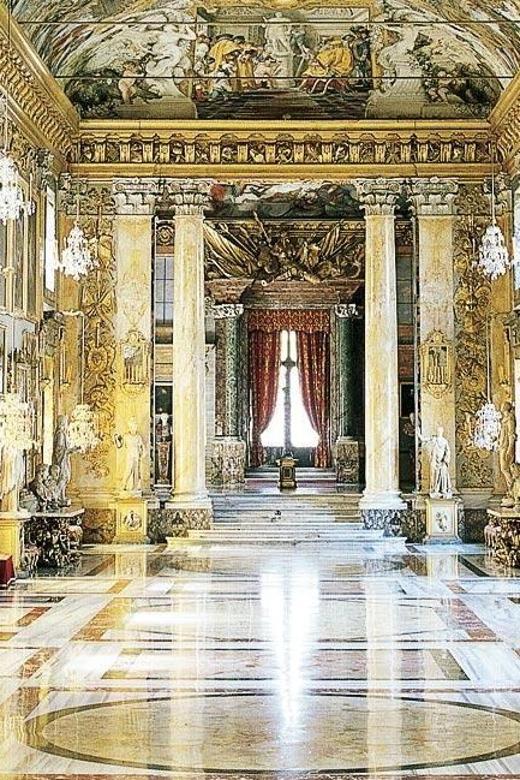
Most Rome sights feel like museums built for crowds. Palazzo Colonna feels more like a family residence that happens to share its art. The ticket takes you into a 14th-century palace that’s described as one of Rome’s oldest and largest private palaces, and that alone changes the vibe. The rooms don’t feel like they’re trying to outshout you. They let the art and architecture do the talking.
You’ll also be in the right pocket of town for an easy sightseeing flow. The palace sits by the Quirinal Hill, and the gardens sit at its base. That location matters on a practical level: it’s close enough to link with other central stops, but it also gives you a “step out of the main current” feeling once you’re inside the grounds.
One more plus that comes through in reviews: the process to use your ticket tends to be smooth. People specifically call out that it’s easy to find where to use the entry and that there’s no long waiting just to buy tickets at the door. That’s not a small detail in Rome, where time is usually the thing you run out of.
You can also read our reviews of more tours and experiences in Rome.
The Galleria Colonna: where Roman Baroque does the heavy lifting
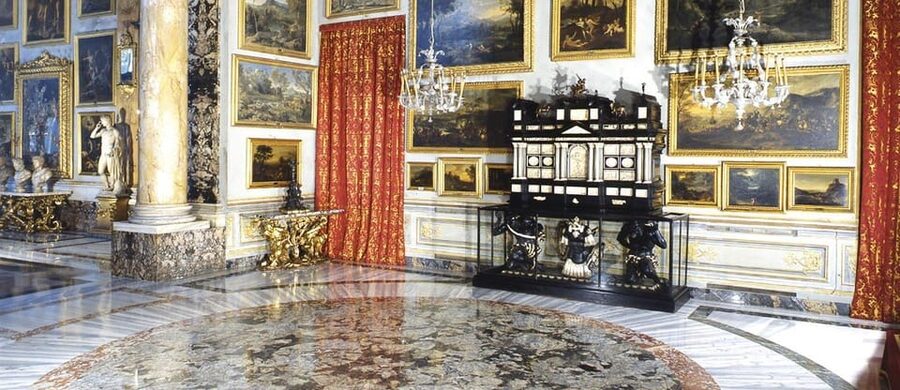
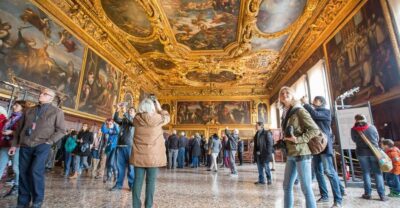
If you do just one priority thing, make it the Galleria Colonna. This is described as a true jewel of Roman Baroque, commissioned in the mid-1600s by Cardinal Girolamo I Colonna and his nephew Lorenzo Onofrio Colonna. You don’t need a lecture to understand why people get emotional in spaces like this. The design wants you to keep moving, looking up, and then re-looking when your eyes adjust.
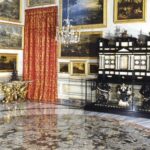
Inside, you’re not stuck with modern “paintings behind glass” expectations. You’re seeing artworks and decoration that were meant to live in a palace environment. Reviews mention painted ceilings and ornate interiors, and the gallery experience ties directly into that: you’re walking through a visual program.
Here’s what makes the art list especially fun for real-life art lovers: you get multiple schools and personalities, not just one style. You can expect names including:
- Bronzino
- Guercino
- Salvator Rosa
- Jacopo Tintoretto
- Francesco Salviati
- Guido Reni
- Giovanni Lanfranco
…and others.
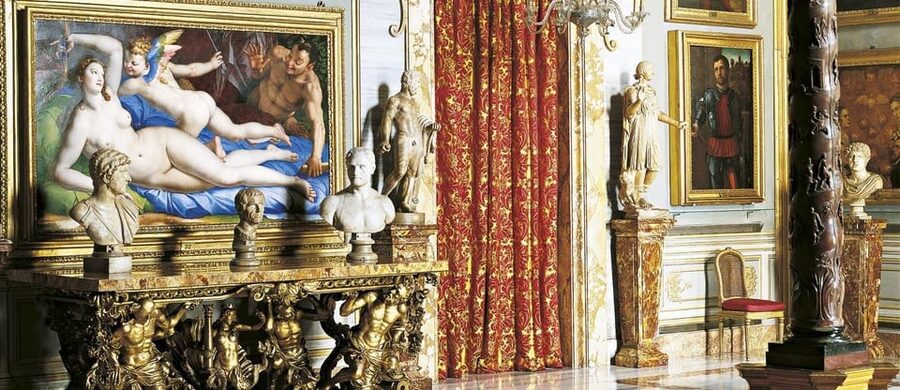
Even if you don’t know these painters by sight, you’ll likely recognize the “power” they had—these are artists who shaped how dramatic religious and mythological scenes felt in later centuries. The palace setting amplifies that. It’s one thing to see a Baroque work in a modern hall. It’s another when the walls, mirrors, and furnishings are part of the original stage design.
If you’re the type who likes to pause and take notes, this is your stop. If you’re more of a “look quickly and enjoy the mood” person, it still works. You can pick your pace without feeling like you’re missing the main event, as long as you don’t rush straight through the gallery.
Interiors you can’t fake: mirrors, tapestries, and royal-level details
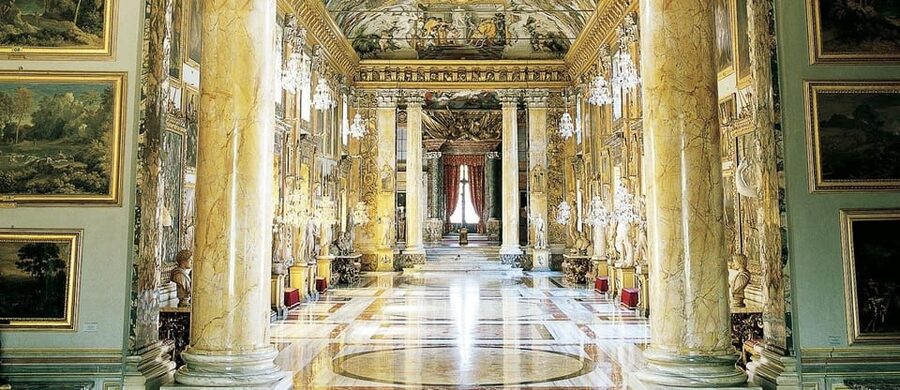
Beyond the gallery, the palace interior is where the experience becomes something you’ll talk about later. The ticket covers the Colonna Gallery and Gardens, and it may include the apartments if you choose that upgrade.
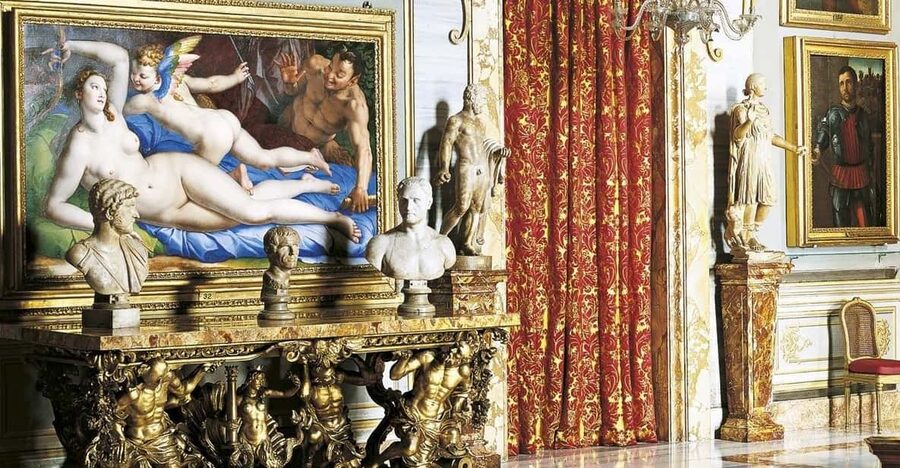
Inside the residence areas, the description focuses on the kind of details that are hard to replicate in a typical museum display. Expect splendid mirrors, intricate tapestries, and precious furnishings, plus paintings and sculpture collection highlights. This matters because the Colonna experience isn’t just about a list of artworks. It’s about how art, wealth, and taste were arranged as a complete environment.
This is also where you’ll get the “Rome in layers” feeling. The palace itself reflects centuries of ownership and artistic decisions, and the art collection reflects the long-term habit of collecting and commissioning. For you, that translates into a visit that feels coherent: you’re not jumping between totally unrelated exhibits all day. The building and the collections reinforce each other.
One practical tip from how the experience is described and reviewed: take a moment to slow down when you’re in the most decorated rooms. Mirrors and ceiling paintings can look overwhelming if you keep walking, and the visual payoff is better if you let your eyes adjust.
Gardens at the base of Quirinal Hill: sculpture + breathing room + views
Then you step outside, and the pace changes. The gardens are part of the ticket, and they’re positioned at the base of the Quirinal Hill—a location that naturally helps it feel calmer than the street-level noise.
The gardens aren’t described as tiny. Reviews specifically call them huge, and they mention sculpture and an “oasis” feeling inside a busy city. In practical terms, that means you get time to reset between indoor viewing sessions. Rome days often compress everything. This gives you a different kind of sightseeing: slower, greener (even if you don’t count on lush landscaping), and more about seeing how the residence interacts with the city outside it.
The terrace and vantage points are one of the best reasons to budget time here. One review notes panoramic views that include the Vittorio Emanuele II Monument and the dome of St Peter’s Basilica. If you’re the kind of person who always tries to find the best skyline angles, this will likely feel like a worthwhile payoff rather than a quick walk-through.
Even if you skip the upgrade apartments, the gardens alone can make the ticket feel “complete” because they break the day into two distinct moods: indoor art intensity, then outdoor Rome perspective.
Upgrade to the apartments used by Princess Isabelle: is it worth it?
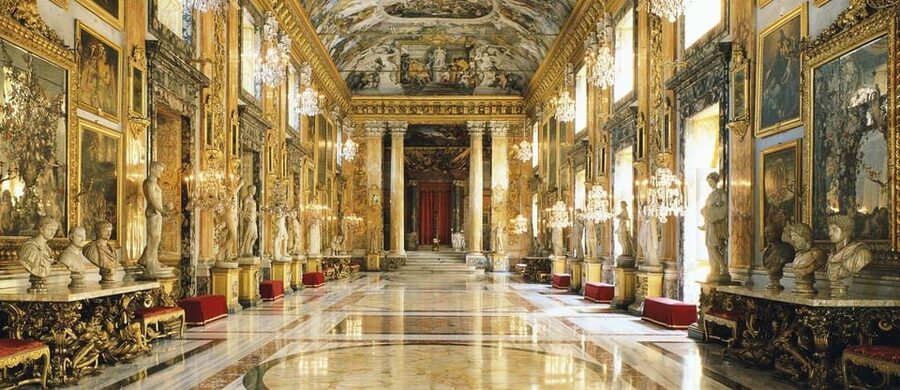
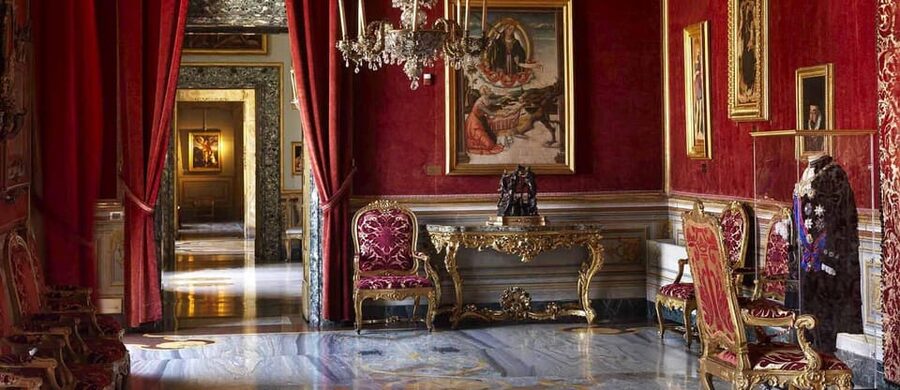
The ticket includes the Colonna Gallery and Gardens, and there’s an option to upgrade for access to the apartments once used by Princess Isabelle. If you’re asking whether this is “extra money for extra rooms,” my answer is: it’s an extra window into how the palace worked as a home, not just as a gallery.
People who upgraded describe specific highlights like seeing the Princess’s bedrooms and call out the sense of residence-level detail. That’s important. Palaces can become one long corridor of “pretty rooms.” The apartments are the part that tends to feel most personal because it’s not only art on walls; it’s the rhythm of rooms meant for daily life.
A couple details show up in reviews that are worth knowing so you don’t miss them:
- You might be offered water when you go down to the Princess Isabelle apartment area.
- There’s mention of a secret passage that you can ask about and use.
I can’t guarantee every visit will include the same experience, but the fact that staff are described as helpful suggests it’s a place where asking can improve what you see.
One drawback if you’re deciding on the upgrade: the more areas you add, the more walking and time you’ll spend on-site. That matters if you’re short on time or if your legs aren’t thrilled about stairs and transitions. A review specifically warns that doing the full itinerary takes physical effort and advises people with movement limitations to avoid the tour.
What your day feels like: pacing, timing, and not rushing the art
This is a 1-day ticket with starting times. That means you’ll want to plan your Rome day around it, not try to treat it as a “whenever we feel like it” stop. Arriving on time (or early) makes a difference because palace visits are a flow: you enter, orient yourself, see the main interior rooms, then move to gardens, and possibly end in apartments.
Reviews also note that the palace tends to avoid the worst crowd pressure. People mention not having to queue for entry and describe the experience as relaxed. That doesn’t mean the palace is empty. It means you’re less likely to lose half your trip to line chaos, which is what you want when your Rome schedule is tight.
How long should you plan? The experience is listed as 1 day, but your real duration depends on how thoroughly you move through the gallery, pause for ceilings and mirrors, and whether you upgrade. As a rule of thumb, I’d give yourself enough time that you don’t sprint through rooms just to “fit in everything.” The palace is at its best when you stop more than you think you need to.
If you’re doing other central sights that day, schedule it early enough that you’re not exhausted. Indoors you’ll be looking up and moving through multiple decorated spaces; it’s better earlier when your eyes and feet still feel fresh.
The staff and the smooth entry process: a quiet advantage
One of the most practical value points here is human: reviews repeatedly mention kind, welcoming staff and helpful guidance on-site. That matters because palace signage and meeting-point instructions can be confusing in Rome. When staff are responsive, you spend less time recalibrating and more time looking at art.
There’s also a mention of a measurement of crowd control: one review says the palace keeps crowds down and treats tourists as guests. Even if you discount the poetic wording, the underlying idea is useful for you: it’s not set up like an overcrowded cattle system.
One caution from a less-than-perfect review: someone noted that the meeting point description could be confusing and suggested that the true entrance should be given rather than an exit at Piazza Apostoli. So here’s my advice: read the location notes carefully before you go, and don’t be embarrassed to ask for clarification once you arrive. A couple minutes spent verifying the entrance can save you a frustrating detour.
Price and value: what $23 buys in real experience
At $23 per person, this ticket sits in the “serious value” category for Rome, mainly because you’re not buying just one room. You’re buying access to a full palace experience that includes:
- Galleria Colonna
- Gardens
- Optional apartments (if you choose that add-on)
That combination is where the value comes from. Many Rome ticket prices get you one museum room and a quick exit. Here, you get multiple moods—Baroque interiors, decorative residential spaces, and outdoor gardens with sculpture and city views.
Also, skipping the queue aspect (as described in reviews) reduces the hidden costs of travel: wasted time and stress. If you’ve ever stood in a line while Rome cooks your patience, you already understand why that matters.
The only cost is the one you control: if you want the apartments and decide last-minute, you’ll either pay the upgrade or miss that portion. Planning ahead is the move.
Who should choose Palazzo Colonna?
This ticket is a good fit if you:
- Love Baroque art and palace interiors and want a setting that feels like a residence.
- Prefer quieter, more “walk-and-look” pacing rather than a giant group tour.
- Want both art and an outdoor break, with viewpoints over central Rome.
It might be less ideal if you:
- Strongly prefer a guided tour included in the price (since the ticket doesn’t include a guided tour).
- Have limited mobility, because reviews warn the full itinerary takes physical effort.
If you’re a “ceiling-to-ceiling” art person, the Galleria Colonna and decorated interiors are your main event. If you’re also curious about the way elite rooms were lived in, the Princess Isabelle apartments upgrade can turn it from impressive to memorable.
Should you book this Palazzo Colonna ticket?
Yes, I’d book it if you want an authentic-feeling palace visit that’s focused on art, interiors, and gardens, without making you fight Rome’s usual ticket-line chaos. The price-to-experience ratio is strong because you’re getting multiple areas and some big-name artworks in a setting that feels intentionally “kept.”
Book the upgrade if you care about the residence side of the story, not just the art walls. And if you’re not great with stairs or you know you’ll feel rushed by a full itinerary, stick with what you can comfortably cover and don’t try to “see everything at once.”
If you like your Rome days structured around one high-quality stop that pays you back with both art and views, Palazzo Colonna belongs on your list.
FAQ
What does the Rome: Colonna Palace Entry Ticket include?
The ticket includes entry to the Colonna Gallery and Gardens. If you choose the upgrade option, it also includes entry to the apartments.
How long is the experience?
It’s listed as valid for 1 day. You’ll select from available starting times.
Does the ticket include access to the Princess Isabelle apartments?
Yes, you can add an option to include access to the apartments once used by Princess Isabelle.
What kind of artwork will I see inside Palazzo Colonna?
You can expect paintings and artworks by artists such as Bronzino, Guercino, Salvator Rosa, Jacopo Tintoretto, Francesco Salviati, Guido Reni, Giovanni Lanfranco, and others, plus ornate decorative elements like mirrors and tapestries.
Is a guided tour included with the ticket?
No. A guided tour is not included.
What’s the price?
The price is $23 per person.
Is this ticket refundable?
No. The activity is non-refundable.
What should I know about arrival time?
Your ticket is valid for one day with starting times, so you should plan to arrive on time or early to match your entry slot.