REVIEW · ROME
Rome: Colonna Palace Guided Tour
Book on GetYourGuide →Operated by GetYourGuide Tours & Tickets GmbH · Bookable on GetYourGuide
Palazzo Colonna feels like a real-life set from old Rome. You’ll walk through Galleria Colonna and other opulent rooms tied to Pope Martin V, with major art names like Tintoretto and Bronzino—and the palace’s trompe l’oeil paintings are a real head-turner. I also love that you can add time in the gardens and Princess Isabelle’s Apartments, so it’s not just paintings behind glass; it’s daily-life details in a former aristocratic home.
One thing to plan around: this palace is only open to the public Friday and Saturday morning, and the guided option runs about 2 hours, so it’s not ideal if you want a long, flexible afternoon.
In This Review
- Key things that make this tour worth your time
- Where Palazzo Colonna fits into Rome (and why it feels different)
- Choosing the guided tour or entry ticket: what you gain and what you trade
- Galleria Colonna: the art corridor that sets the tone
- A palace linked to Pope Martin V (and why the rooms feel purposeful)
- Artists, film, and the surprise connections you’ll actually care about
- Princess Isabelle’s Apartments: the daily-life angle
- Gardens and courtyard time: where the visit slows down
- What the guide actually adds (and how to pick the right language)
- Timing and duration: a practical plan for your Rome day
- Price and value: does $49.31 make sense?
- Who this tour suits best (and who might prefer something else)
- Simple tips to get more out of every room
- Should you book the Rome: Colonna Palace Guided Tour?
- FAQ
- FAQ
- What’s the duration of the Rome: Colonna Palace Guided Tour?
- What languages are available for the guided tour?
- Is there an option besides a guided tour?
- What’s included with the guided tour option?
- Can I see the gardens and apartments during the visit?
- Are food and drinks included?
- Does this experience include skip-the-ticket-line access?
- When is Palazzo Colonna open to the public for this experience?
- Is the palace wheelchair accessible?
- How much does it cost?
- Is the activity refundable?
Key things that make this tour worth your time
- Renaissance-to-Baroque art in the Galleria Colonna, with artists including Tintoretto, Pinturicchio, Guido Reni, Bronzino, and Guercino
- Trompe l’oeil paintings that play tricks with perspective—exactly the kind of thing you’ll notice more with a guide
- Pope Martin V’s palace story, plus rooms that reflect centuries of changing architecture
- Princess Isabelle’s Apartments, where you get a more personal look at aristocratic routines and furnishings
- Garden time with an entry-ticket option, if you’d rather slow down outside the tour format
- Professional live guides (people like Fabiana, Alessandro, and Erica are named in the feedback) who make the art easier to read
Where Palazzo Colonna fits into Rome (and why it feels different)
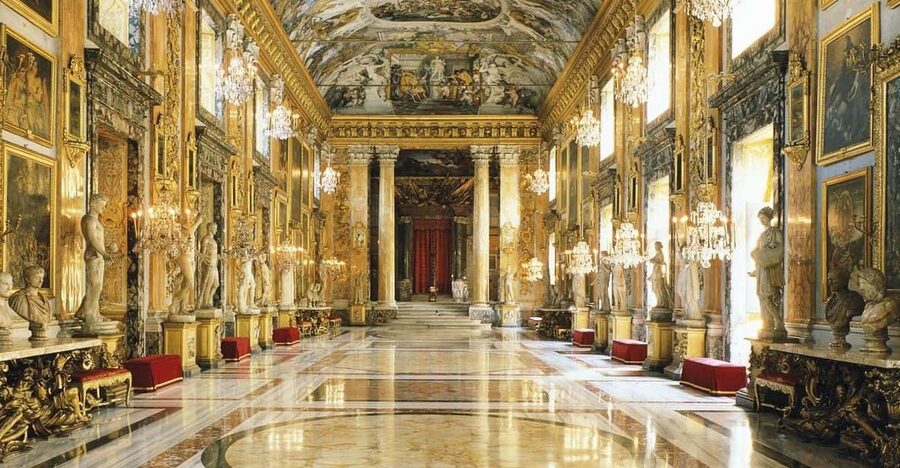
Rome has plenty of big-ticket monuments. Palazzo Colonna is a different kind of wow: a palace that teaches you how wealth, art, and power lived together. Dating back to the 14th century, it carries layers of aristocratic life across five centuries, so you’re not just looking at one style—you’re watching Rome’s tastes change room by room.
The palace is also tied to papal residence, including the residence of Pope Martin V. That matters because it changes how you interpret the grandeur. Instead of treating the rooms as “pretty rooms,” you can see them as spaces built for serious status and public influence.
You can also read our reviews of more tours and experiences in Rome.
Choosing the guided tour or entry ticket: what you gain and what you trade
You can go two ways: a guided tour (in English, French, or Italian) or an entry ticket to explore at your own pace. The guided option is best if you want someone to connect the art to what you’re seeing—especially the late Renaissance and Baroque works and the trick-perspective paintings.
If you pick the entry ticket option, you’ll still get access to the gardens and Princess Isabelle’s Apartments, but the pace is yours. That’s ideal if you like stopping to stare a little longer, taking photos without checking the group’s timing, or simply wandering until something catches your eye.
The one trade-off: the entry ticket mode is more self-guided, so you’ll be doing more of the “figuring out what I’m looking at” yourself.
Galleria Colonna: the art corridor that sets the tone
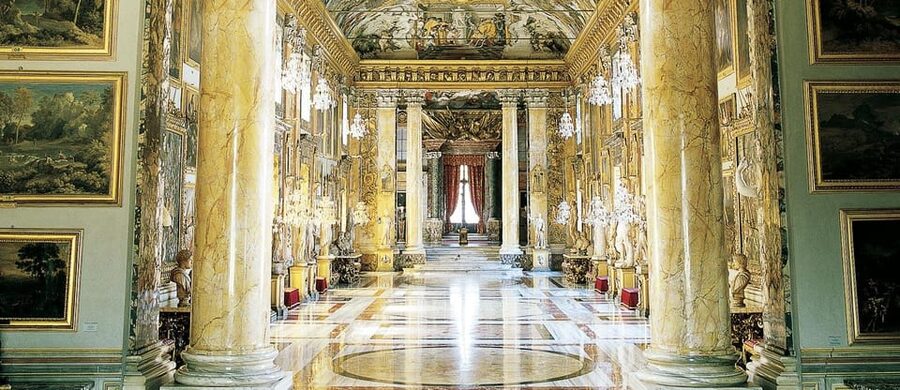
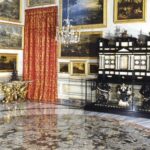
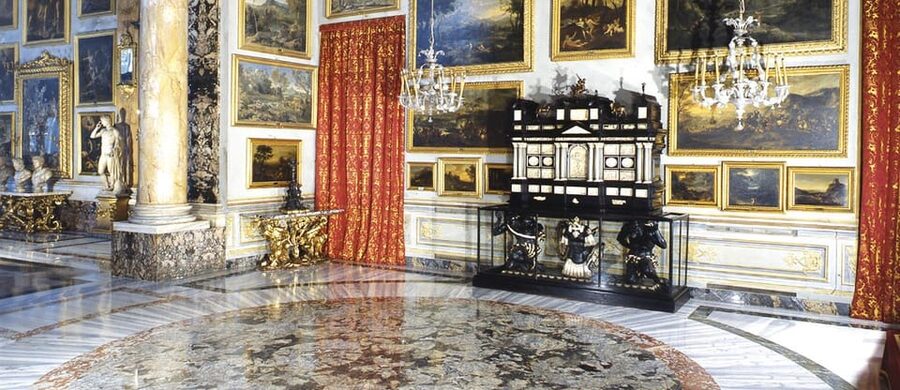
Your visit typically starts in the Galleria Colonna, where the palace immediately shows you what it’s about: paintings installed like a message. Expect wall-to-wall artworks from late Renaissance and Baroque periods, and don’t be surprised if you spend extra time here. The guide’s job is to help you read what you’re seeing—style, symbolism, and why these works belong together in this room.
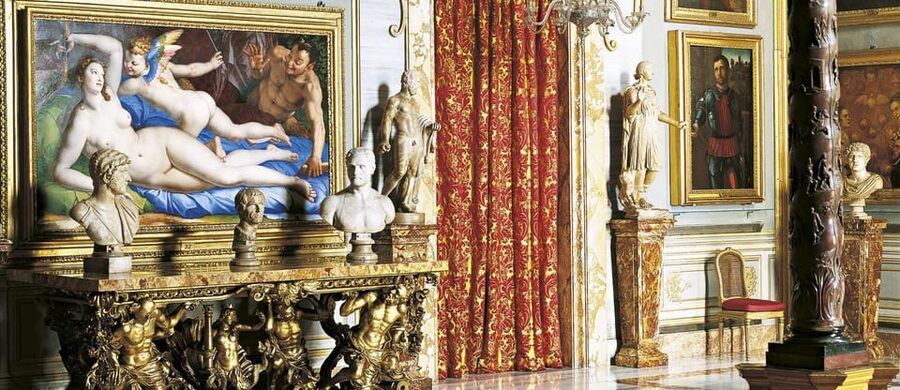
This is where names like Tintoretto, Pinturicchio, Guido Reni, Bronzino, and Guercino come in. If you’re an art lover, it’s a concentrated hit of European painting history, not a scattered collection. If you’re less confident with art terms, you’ll still benefit because the guide can point out what to look for: composition choices, techniques, and the way the palace frames the viewer.
One detail that really stands out is the presence of trompe l’oeil paintings—works designed to trick the eye. A guide helps because they can explain what’s illusion and what’s intention. You end up “seeing” more than you would walking in cold.
A palace linked to Pope Martin V (and why the rooms feel purposeful)
As you move through the palace, you’ll connect the building to its papal chapter. The palace has been associated with the residence of Pope Martin V, and that context changes how the rooms read. You’ll start to look for signs of ceremonial function: how rooms are laid out, how space works for viewing, and why certain areas feel more formal.
You’ll also notice architectural variety. The palace reflects changing tastes over a long span—over five centuries worth of styles. That’s not just a trivia fact. It helps you understand why some corners feel more dramatic or more intimate than others. The building isn’t pretending to be one era; it’s a record of how power and art preferences shifted.
Artists, film, and the surprise connections you’ll actually care about
Art in Palazzo Colonna isn’t floating in time. Some pieces and spaces have appeared in cultural memory too. One example from the information you’ll hear on-site is that the art is connected to the classic film Roman Holiday. Even if you only know the movie casually, that reference is useful. It turns a palace visit into something you can connect to pop culture—without losing the real historical details.
For me, that’s one of the smartest parts of a guided format: it gives you permission to enjoy. You’re not just counting artists; you’re learning why the palace’s visuals became memorable.
Princess Isabelle’s Apartments: the daily-life angle
The standout shift comes when you reach Princess Isabelle’s Apartments. This is where the palace stops feeling like a museum gallery and starts feeling like a home built for routines, display, and privacy.
These apartments are presented with intimate detail—so you’ll see how aristocratic daily life was organized, not only how the family wanted to look. The practical value here is that it adds variety to what you’re seeing. You get painting, then you get rooms meant for living.
One more reason this section works: it helps you understand the palace as a whole. Grand halls and painting rooms can feel remote. Apartments bring you back to the human scale: how space would be used, where people would pause, and how the setting supported both comfort and status.
Gardens and courtyard time: where the visit slows down
Depending on which option you choose, you’ll either spend less time outside or you’ll linger longer in the lush gardens. The gardens are part of what makes Palazzo Colonna feel more like an experience than a quick indoor loop.
You’ll also finish with the palace courtyard, which is a smart landing point. Courtyards give your eyes a break from art and ornament. They also help you mentally map the palace: where you’ve been, how the rooms connect, and how open space fits into the layout of power and daily life.
If you’re doing the guided tour version, think of the courtyard as your moment to consolidate what the guide explained. If you’re on the entry ticket route, it’s still a good place to pause because it gives you a natural perspective check.
What the guide actually adds (and how to pick the right language)
The guides here are clearly a big part of the value. Names like Fabiana, Alessandro, and Erica show up in the feedback, and the common theme is clear: guides make the art and rooms easier to follow.
You can choose your language: English, French, or Italian. If you’re deciding between languages, I’d use this rule: pick the one where you can comfortably catch explanations at a normal pace. You don’t need to be fluent, but you do want to hear the connections—between painting styles, room purpose, and the palace’s long timeline.
If you tend to get bored when you’re only looking at objects, go guided. If you’re good at museum self-direction and want time at your own pace, the entry ticket option can feel better.
Timing and duration: a practical plan for your Rome day
This experience is about 2 hours for the guided tour, and you’ll want to check available starting times. More important, the palace is open to the public Friday and Saturday morning, so you’re working within a narrow window.
That narrow schedule is the biggest logistical consideration. If your Rome trip is packed with other major sites, plan to schedule this earlier in the day. A morning visit also often means less fatigue while you’re absorbing art and room details.
Wheelchair access is available, so if that’s relevant for you, you can feel comfortable planning the visit. For everyone else, just remember: it’s a palace, meaning there’s plenty of walking indoors plus outdoor garden paths if you choose access.
Price and value: does $49.31 make sense?
At $49.31 per person for the guided option, you’re paying for three things at once: entry to Palazzo Colonna, the live guide, and the skip-the-ticket-line benefit. You’re also buying time: about two hours that are structured so you don’t waste it hunting for what matters.
Is it expensive? In central Rome, $49-ish often sits in the midrange. But what makes the value feel stronger here is the pairing of art and interpretation. You’re not just reading labels; you’re getting help with major artists, trick-perspective works, and the palace’s papal and aristocratic context.
If you’re mainly chasing gardens or you prefer quiet browsing, the entry ticket option may feel more cost-effective for your style. If you want the art to “click,” the guided tour is where your money tends to show up.
Who this tour suits best (and who might prefer something else)
This experience is a great match if you:
- love Italian art and want to see major painting names in a real palace setting
- enjoy architectural variety across long time periods
- like the idea of pop culture connections, including the Roman Holiday reference
- want a more personal look at aristocratic life in Princess Isabelle’s Apartments
It may be less ideal if you:
- can only travel on weekdays or afternoons (since it opens Friday and Saturday morning)
- prefer free-roaming sightseeing with minimal structure, where you don’t want to follow a group schedule
- want more than two hours of uninterrupted time in one zone (the guided tour is designed to fit that timeframe)
Simple tips to get more out of every room
A palace visit can feel like a lot at once, so I suggest you give your attention in the right order:
- Spend extra time in the Galleria Colonna before you rush onward; that’s where the strongest art lineup is.
- When you see the trompe l’oeil, slow down. These are made to be noticed, and they look different as you shift position.
- In Princess Isabelle’s Apartments, look for signs of daily use, not only decoration. That’s where the emotional “this was a real home” feeling comes from.
- Save your best questions for the guide in the first half; after that, you’ll be better at connecting answers to what’s around you.
Should you book the Rome: Colonna Palace Guided Tour?
I’d book it if you want a structured, art-focused visit that connects paintings to the rooms that frame them. With live guides in English, French, or Italian, plus access that includes the palace experience and skip-the-line entry, it’s a solid use of a narrow Friday/Saturday morning slot.
I’d think twice if your schedule doesn’t fit those mornings or if you’re the type who prefers wandering with no explanations. In that case, the entry ticket route can be the better fit, especially if you want extra time in the gardens and Princess Isabelle’s Apartments on your own terms.
FAQ
FAQ
What’s the duration of the Rome: Colonna Palace Guided Tour?
The guided experience is listed as 2 hours.
What languages are available for the guided tour?
The live guide is available in English, French, and Italian.
Is there an option besides a guided tour?
Yes. You can choose an entry ticket option to explore the gardens and Princess Isabelle’s Apartments at your own pace.
What’s included with the guided tour option?
Entry to Palazzo Colonna is included, along with a guided tour, and access to the gardens and apartments if that option is selected.
Can I see the gardens and apartments during the visit?
Yes. Access to the gardens and Princess Isabelle’s Apartments is available, depending on the option you select.
Are food and drinks included?
No. Food and drinks are not included.
Does this experience include skip-the-ticket-line access?
Yes, it includes skip-the-ticket-line access.
When is Palazzo Colonna open to the public for this experience?
It’s open every Friday and Saturday morning.
Is the palace wheelchair accessible?
Yes, it’s listed as wheelchair accessible.
How much does it cost?
The price is listed as $49.31 per person.
Is the activity refundable?
No. The activity is non-refundable.