REVIEW · CHATEAU DU CLOS LUCE
Amboise: Clos Lucé Castle, Da Vinci Park and Museum Ticket
Book on GetYourGuide →Operated by Chateau du Clos Lucé - Da vinci Park · Bookable on GetYourGuide
Leonardo’s workplace is waiting in Amboise. At Château du Clos Lucé, you get more than a pretty house: it’s Leonardo’s last work space in France, where the château lets you step into his private world and restored workshops tied to his final years.
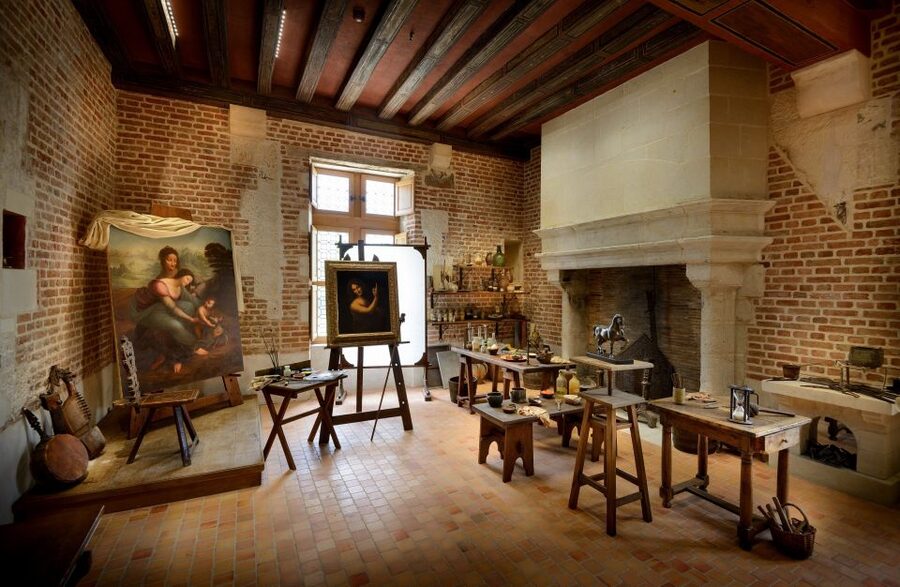
I especially like two things: the way the Renaissance rooms and workshops are arranged like a working studio, and the fact that the ticket connects “life here” with “ideas at work,” not just museum facts.
One thing to keep in mind: the visit is a lot of walking, and if you need frequent places to sit, you’ll want to plan for limited bench options along the route.
In This Review
- Key things that make Clos Lucé worth your time
- Why Clos Lucé feels different from other Loire stops
- Planning your 1-day ticket: what’s actually included
- Entering the château: Leonardo’s private rooms, workshops, and exhibitions
- A quick watch-out for your expectations
- Da Vinci Park: 20 interactive machines, 8 audio stops, and translucent canvases
- Why the park works for different travel styles
- The 40 invention models: how to read them without overthinking
- The immersive experience: Leonardo through painting and architecture
- Timing your visit: when to arrive and how to keep it from feeling rushed
- Morning vs. late afternoon
- Parking and getting to the entrance
- Breaks, food, and photo pauses in the gardens
- If you need seating
- Value check: is $23 a fair deal for Clos Lucé?
- Who will enjoy this ticket most
- Should you book the Clos Lucé, Da Vinci Park and Museum ticket?
- FAQ
- What does the ticket include?
- Is a guided tour included?
- How long should I plan for?
- What time does the château close in summer?
- Is Clos Lucé open all year?
- Is the ticket valid for any day I choose?
- Where do I park if I’m driving?
- Is it wheelchair accessible?
- Can I cancel and get a full refund?
- Does the visit offer reserve now, pay later?
Key things that make Clos Lucé worth your time
- Leonardo’s last home in France: the château covers the final stretch of his life in Amboise, invited by King Francis I.
- Da Vinci Park is a real walking science stop: 20 giant interactive machines, 8 audio stations, and 40 translucent canvases along a landscaped path.
- You’ll see 40 models of inventions: small and large builds that explain the thinking behind the sketches.
- A self-guided flow that works: you can control your pace across château rooms and outdoor displays without waiting for a guide.
- Newer immersive storytelling: the château experience highlights Leonardo through painting and architecture.
- Good day structure: plan it as a half-day to a full-day depending on how long you linger in the gardens.
Why Clos Lucé feels different from other Loire stops
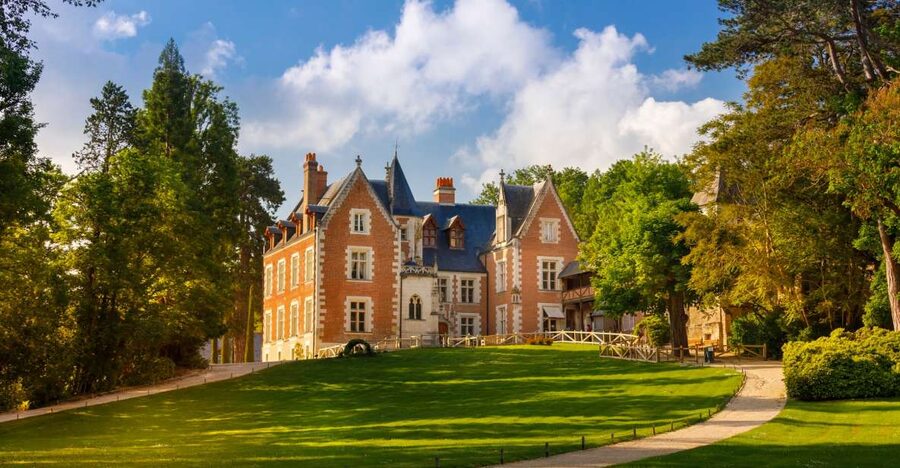
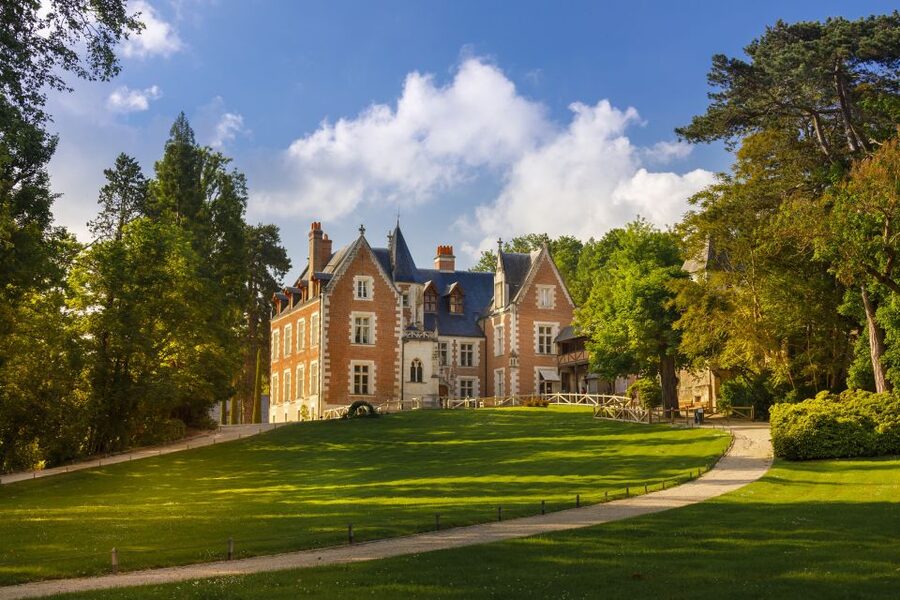
The big Loire Valley castles tend to shout. Clos Lucé whispers—and then shows you the mind behind the art. Leonardo da Vinci spent the last three years of his life here, invited by King Francis I, and he died on May 2, 1519. That timeline matters, because the site isn’t just a backdrop. It’s built to help you understand what he may have been doing in these exact spaces.
This is also an easier sell than you might expect if you’re not a hardcore “science museum” person. The park and château keep switching modes—rooms, models, outdoor machines, audio stops—so you don’t get stuck in one type of exhibit for hours. If you like learning in short bursts, it’s a strong match.
Planning your 1-day ticket: what’s actually included
Your ticket covers access to the Château du Clos Lucé and the park, plus entry to exhibitions and interactive installations. There’s no guided tour included, so you’ll be your own tour leader. That can be a plus: you can linger at the models that catch your attention and skip anything that doesn’t.
Duration is listed as 1 day. In practice, you can shape that day:
- If you’re a fast reader and move steadily, you can likely cover the main route in a couple of hours.
- If you stop often for the interactive elements and time in the gardens, it’s more like a half-day to longer—especially when the weather behaves.
The site is open year-round except December 25 and January 1, so you don’t have to “time it” to fit a seasonal schedule. In July and August, the château closes earlier—8:00 PM—and the park stays open an hour longer. If you’re visiting mid-summer, make sure you’re not planning to finish the château at the last minute.
Entering the château: Leonardo’s private rooms, workshops, and exhibitions
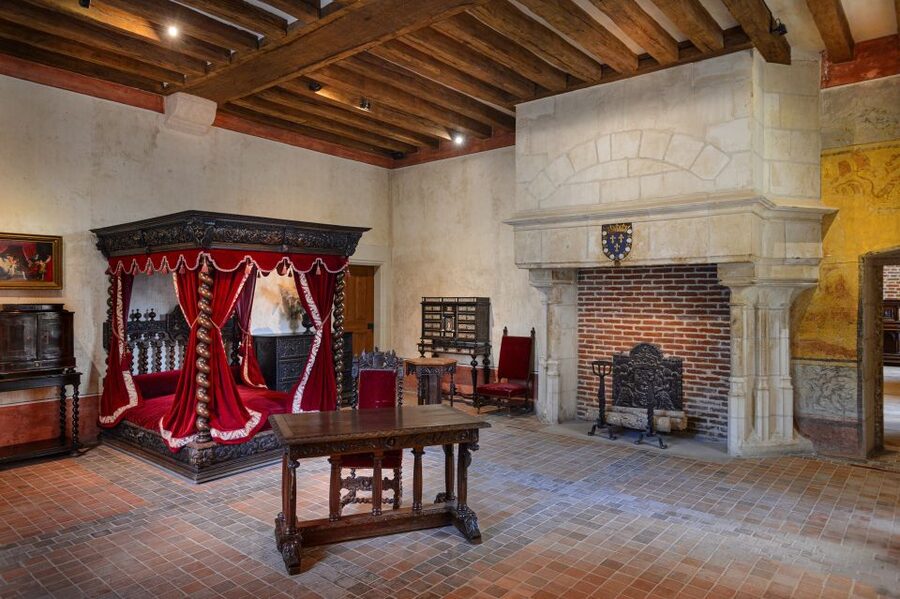
The château is the heart of the experience, and it’s organized around the idea of Leonardo as a working person, not a distant legend. You can explore his apartments, Renaissance rooms, and newly restored workshops. Even if you don’t read every label, the layout gives you a sense of movement: home space, work space, then an exhibition focus that connects his concepts to real-world categories.
One of the strongest points here is that the exhibition of inventions isn’t random. It concentrates on areas like military engineering, urban planning, mechanics, flying machines, and hydraulics. That grouping helps you see Leonardo’s interests as a system. You’re not just looking at gadget sketches; you’re seeing how one mind was bouncing between practical problems and big imagination.
A quick watch-out for your expectations
Some exhibits are recreations and interpretations, and the models you see are not meant to behave like working machines you can operate. If you’re expecting moving parts you can trigger, you’ll likely want to treat the displays as “built explanations,” not hands-on controls.
Da Vinci Park: 20 interactive machines, 8 audio stops, and translucent canvases
If the château gives context, Da Vinci Park gives your feet a job. The park retraces Leonardo’s passions through a landscaped path dedicated to his way of studying nature. The big payoff is that the park is designed like an outdoor learning trail rather than a stroll past static statues.
Here’s what you’ll encounter:
- 20 giant interactive machines
- 8 audio stations
- 40 translucent canvases
The “interactive” part is important for your planning. Even when you’re not touching every display, the park uses scale, placement, and audio to turn observation into something closer to participation. It’s also a nice break from indoor museum light—shaded spots and outdoor pace help if you’re visiting in warmer months.
Why the park works for different travel styles
This is one of the few museums where I think both types of people are happy:
- If you love ideas and design, you’ll enjoy watching concepts laid out in physical form.
- If you’re traveling with kids, the park’s scale and science-meets-art approach tends to keep attention without feeling like homework.
The 40 invention models: how to read them without overthinking
You’ll see 40 models of inventions tied to Leonardo da Vinci. The key isn’t to memorize what every one does. The key is to let them teach you a way of thinking.
Here’s a practical way to handle them:
- Pick 5 to 8 models that interest you most.
- Read the short explanation, then look at the structure and ask what problem it seems to solve.
- When you move on, notice repeated themes—mechanics, flow, movement, balance, and materials.
That small shift makes the whole visit feel smarter. The models aren’t just objects; they’re a map of curiosity. And since the château and park are connected thematically, you’ll often feel the same idea pop up again in a different form.
The immersive experience: Leonardo through painting and architecture
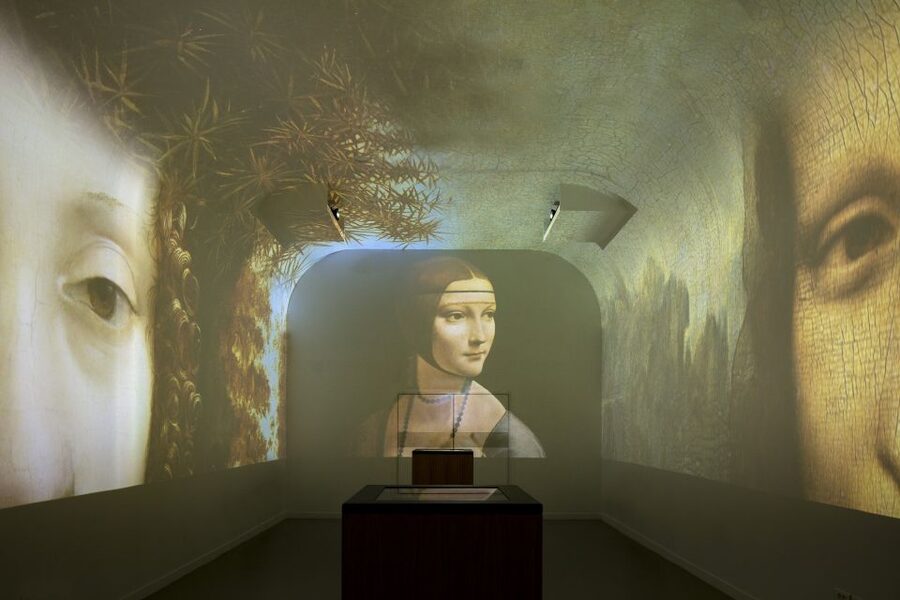
Clos Lucé also includes a newer cultural and museum space that recreates Leonardo’s world in an immersive, interactive format. The emphasis here is on two major facets of Leonardo’s expertise: painting and architecture.
If you’ve only heard Leonardo as a painter, this part can broaden your view quickly. Leonardo wasn’t only chasing beauty on canvas—he was also building ideas about space, structure, and how humans move through designed environments. The experience is meant to make that connection feel natural rather than academic.
There’s also mention of a virtual show that helps you experience Leonardo’s work. In a place like this, the best use of those high-tech elements is as a change of pace. When you’re tired from reading, it can be a reset.
Timing your visit: when to arrive and how to keep it from feeling rushed
With a 1-day ticket, you’ll feel the difference between a good plan and a chaotic plan. Here’s what I’d do based on how the site is built.
Morning vs. late afternoon
Arriving earlier tends to make everything easier:
- You can spend unhurried time in the château rooms and workshops.
- You’ll likely have an easier go of it in the park interactive areas.
- You avoid feeling like you must speed-run the gardens just to beat closing time.
In July and August, remember the château’s 8:00 PM close. The park stays open an hour longer, so you can use the park as your backup plan if the château takes longer than expected.
Parking and getting to the entrance
The meeting point is simply the château itself: go to Château du Clos Lucé. Paid private car parking is available on Rue du Clos Lucé, about 300 meters from the visitor entrance. That’s walkable, but it’s still a short stroll uphill at times—plan sensible shoes.
If you’re coming from Amboise by train, one practical note from the experience: it can be a scenic walk, around 25 minutes in good weather. SatNav helps because the exact turn and approach aren’t always obvious at first glance.
Breaks, food, and photo pauses in the gardens
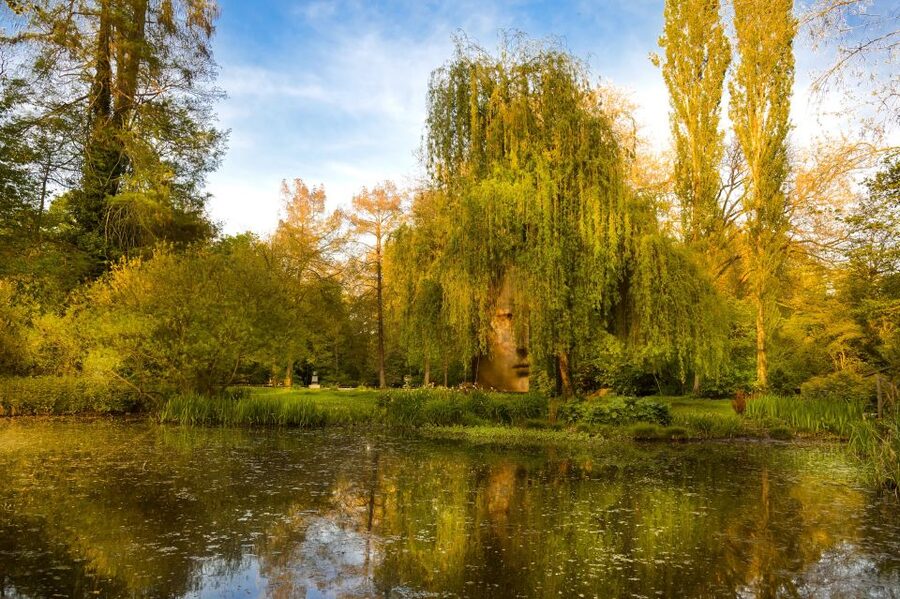
One of the underrated values of Clos Lucé is that it’s not only “look and go.” The grounds are set up for long pauses. You’ll likely find spots where the whole site slows down—time to watch the park displays, take photos from paths and bridges, and just sit for a minute.
There are cafes and concessions on site, and the property includes a restaurant described as Renaissance-style. That matters because it lets you keep your day flowing without hunting for a meal off-site after you’ve already put in the effort to get to the château.
If you need seating
There can be limited bench seating between buildings. If you’re sensitive to long stretches, I’d pace yourself and plan short rests rather than assuming there will be a bench right when you need it. It won’t ruin the day, but it can change your comfort level.
Value check: is $23 a fair deal for Clos Lucé?
At about $23 per person, the value is strongest when you use the full ticket—château plus park plus exhibitions and interactive installations. This is not a “single room and done” attraction. You’re paying for a day where the museum is split into multiple modes: indoor exhibits, outdoor machines, audio stations, and interactive displays.
Yes, it can feel expensive if you compare it to free sights around France. But you’re buying a specific package: Leonardo’s late-life connection to this exact place, plus a science-and-art presentation that’s more structured than a casual walk through gardens alone. If your goal is a meaningful Loire Valley stop without hiring a guide, the self-guided format makes that price feel easier to justify.
Where the value can drop is when expectations are mismatched—especially if you expect fully hands-on operation of machines. The displays are mostly there to explain and show, not to let you run the experiments.
Who will enjoy this ticket most
This is a good booking if:
- You want a Loire Valley day that’s more ideas than politics.
- You like science framed through design and art.
- You want an attraction that can work for adults and kids without turning into a cartoon theme park.
It might be less satisfying if:
- You dislike outdoor walking and long routes.
- You want a guided tour with a person leading every stop.
- You’re only interested in paintings and don’t care about inventions or engineering themes.
Should you book the Clos Lucé, Da Vinci Park and Museum ticket?
Book it if you want a compact, high-impact Leonardo experience in the Loire Valley. The ticket price makes sense because it covers both the château and the park, and the park’s invention models and interactive machines are a big part of the “wow” factor. If you’re choosing between this and a purely scenic château visit, Clos Lucé wins for the way it connects the man to the work.
Skip it only if you already know you’ll hate lots of walking or if you specifically want a guided commentary throughout. Otherwise, this is one of the more focused, memorable stops around Amboise—equal parts art education and idea playground.
FAQ
What does the ticket include?
The ticket includes access to the Château du Clos Lucé and the park, plus entry to exhibitions and interactive installations.
Is a guided tour included?
No. A guided tour is not included.
How long should I plan for?
The experience is listed as 1 day. Many people cover it in a couple of hours, but it can stretch to a half-day or more if you spend extra time in the gardens and interactive areas.
What time does the château close in summer?
From July to August, the château closes at 8:00 PM, one hour before the park.
Is Clos Lucé open all year?
Yes, the castle and park are open all year round except December 25 and January 1.
Is the ticket valid for any day I choose?
No. The ticket is valid on the booked date.
Where do I park if I’m driving?
Paid private car parking is available in Rue du Clos Lucé, about 300 meters from the visitors’ entrance.
Is it wheelchair accessible?
Yes, the experience is wheelchair accessible.
Can I cancel and get a full refund?
Yes, free cancellation is available up to 24 hours in advance for a full refund.
Does the visit offer reserve now, pay later?
Yes. You can reserve now and pay later, keeping plans flexible.