REVIEW · AMSTERDAM
Amsterdam: Royal Palace Entry Ticket and Audio Guide
Book on GetYourGuide →Operated by Royal Palace Amsterdam · Bookable on GetYourGuide
Royal rooms, serious art, and a self-paced tour. The Royal Palace is still a working seat of state, so you’re not just looking at old stuff—you’re walking through rooms used for ceremonies and receptions. I like that the visit combines grand interiors with an audio guide that gives you context as you move from space to space.
My second big win is the way the palace feels like a real highlight reel: you see major artworks and signature architectural moments without needing a tour group’s pace. The Atlas statue in the marble Citizens’ Hall is the kind of detail you notice fast once you know what you’re looking for. One possible drawback: this palace is busy and there are limited places to pause, so if you’re traveling with small kids or you need frequent seating breaks, plan extra patience.
In This Review
- Key Highlights You’ll Care About
- What the Royal Palace Visit Feels Like From Start to Finish
- Getting There: Trams to the Dam Square Area and Metro 52 at Rokin
- Entering Smoothly With Smartphone Tickets and the Priority Lane
- Inside the Palace: Citizens’ Hall, Atlas, and the Marble Moment
- State Rooms Still in Use: Why This Isn’t Just Decor
- Dutch Golden Age Paintings and Sculpture You’ll Want to Stop For
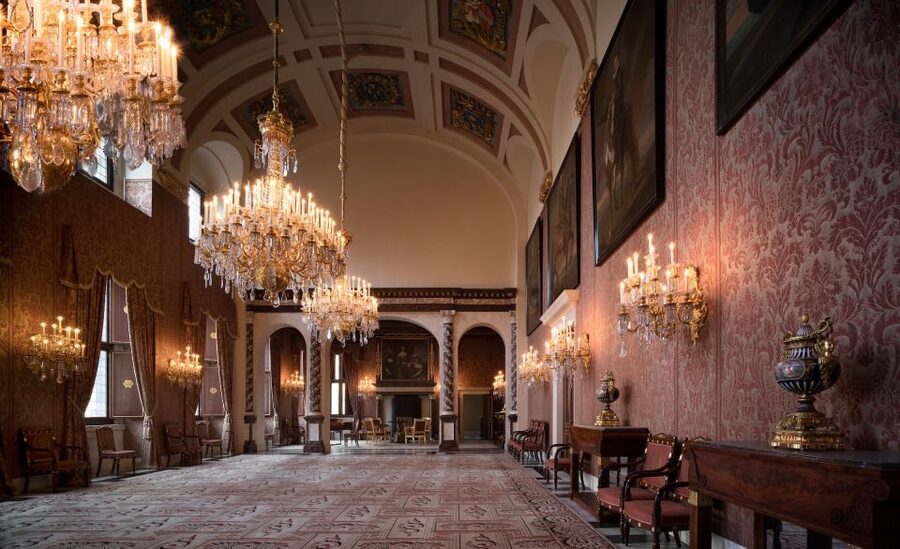
- Louis Napoleon-Era Furniture, Clocks, and Chandeliers: The Details That Matter
- How the Audio Guide Helps You Control the Visit
- Timing, Crowds, and the Last Entry at 5:15 PM
- Value for About $15: When This Ticket Makes Sense
- Who Should Book This and Who Might Skip It
- Should You Book This Royal Palace Entry With Audio Guide?
- FAQ
- How long is the Royal Palace ticket valid?
- What audio guide languages are available?
- What is the last entry time?
- Where do I meet for the Royal Palace visit?
- Are children allowed in for free?
- Can I use a smartphone ticket at the entrance?
- Is the Royal Palace wheelchair accessible?
Key Highlights You’ll Care About
- A working palace, not just a museum: state visits and ceremonial events still happen here.
- Citizens’ Hall scale: a vast marble room with a standout Atlas detail.
- Dutch Golden Age art in real rooms: paintings and sculpture you can connect to Amsterdam’s rise.
- Louis Napoleon-era furnishings: chandeliers, clocks, and Empire-style interiors from that period.
- Audio that supports short or long visits: you can pace it room-by-room at your comfort level.
What the Royal Palace Visit Feels Like From Start to Finish
This is Amsterdam with a royal filter. You enter the Royal Palace of Amsterdam and explore major rooms in your chosen language via an included audio guide, with the story tied to the 17th-century monument and the Dutch Golden Age. The effect is simple: you get meaning for what you’re seeing, instead of just staring at ornate walls.
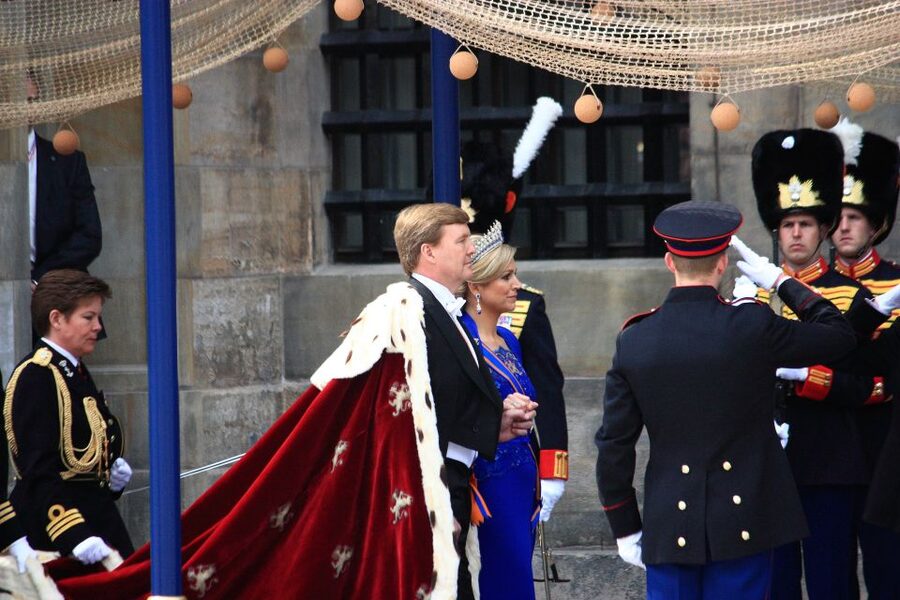
I also like how “state” is part of the experience. The palace is still used for award ceremonies, state visits, and other royal receptions, which makes the interiors feel current, not dusty. Even if you’re not a monarchy superfan, it changes your angle—you look at rooms with purpose.
If you’re short on time, this works well because you’re not forced into one group route. You can focus on the big rooms and signature art, then stop without feeling like you missed the point. Still, it’s not a quiet stroll. The palace gets crowded, and some areas offer fewer places to sit and reset.
You can also read our reviews of more tours and experiences in Amsterdam.


Getting There: Trams to the Dam Square Area and Metro 52 at Rokin
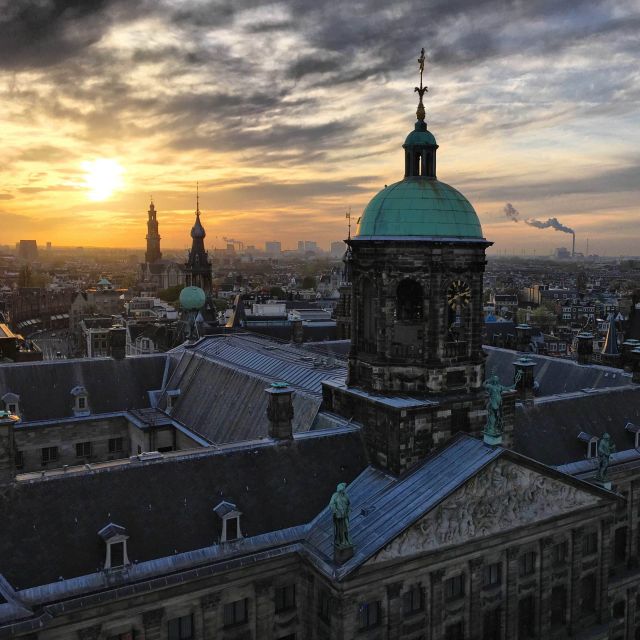
The meeting point is straightforward and very central. You reach the Royal Palace with tram numbers 2, 4, 12, 13, 14, 17, and 24. If you prefer the metro, take Metro 52 and exit at station Rokin.
The nearest tram stop is Dam Square, which is helpful if you’re already walking around the canal-and-square core. Plan to arrive a bit early, because once you’re at the palace you’ll want time to scan in and pick up whatever device/ticket steps you need before the rooms get packed.
Bottom line: getting here is easy enough that you can fit the palace into a day without building your whole schedule around transit.
Entering Smoothly With Smartphone Tickets and the Priority Lane
You’ll enter the Royal Palace by using the priority lane and showing your smartphone ticket at the scan desk. That matters in Amsterdam, where a line can eat up your energy fast.
If you’re using the adult entrance ticket, just be ready to scan and then move inside. There’s no need to hunt for extra guided services because the audio guide is included. Once you’re in, you can go room-by-room at your own pace.
One small practical note: don’t underestimate how long the audio can keep you in “listen mode.” The palace is designed as a sequence of rooms and details, so once your audio starts making you look closely, you may naturally spend longer than you planned.
Inside the Palace: Citizens’ Hall, Atlas, and the Marble Moment
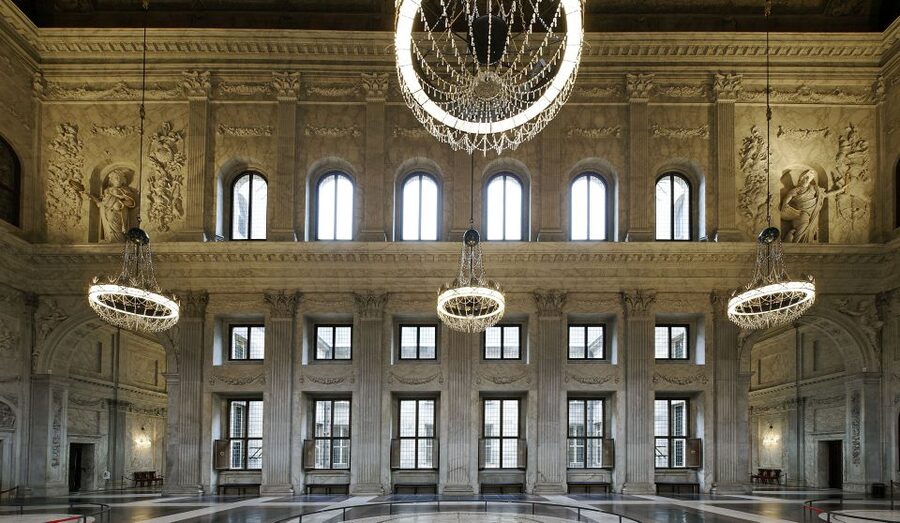
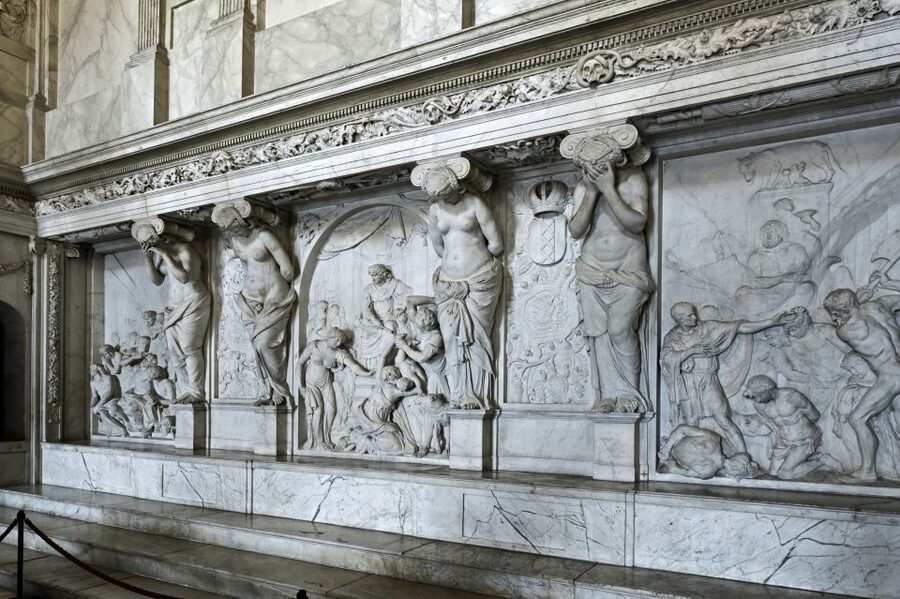
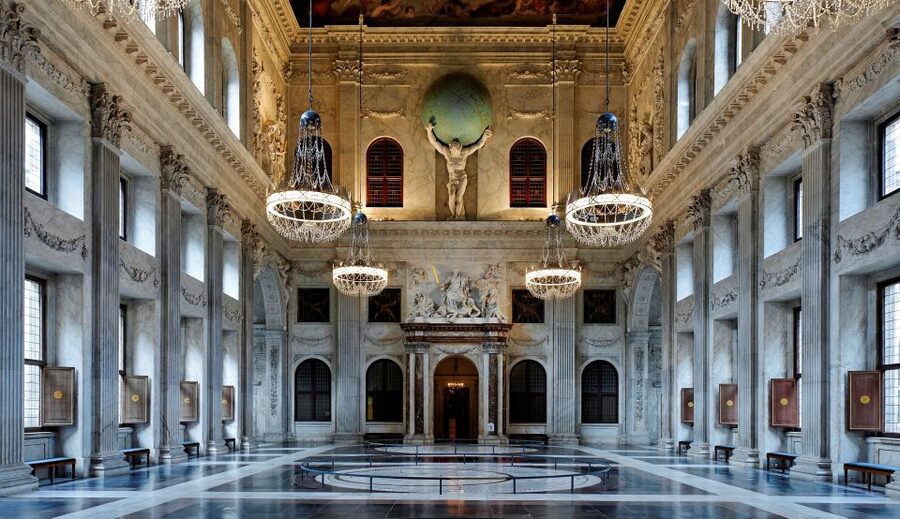
The palace’s scale hits you early, especially in the marble Citizens’ Hall. This is the kind of room that makes you look up, then look closer, then look again, because it’s not just one decoration—it’s a whole environment of craftsmanship.
A standout feature is the Atlas statue with the sky on his shoulders. It’s a strong visual anchor, and the audio helps you connect why that detail sits where it does. If you’re the type who likes “what’s this actually mean?” moments, this is where the audio guide pays off quickly.
In practice, this hall can be crowded. The good news is that it’s a major highlight, so it’s worth prioritizing even if you have to wait briefly for a clear view. The trick is timing your look—arrive, scan the room, then start listening and moving through the adjacent spaces rather than trying to stay in one spot for everything.
State Rooms Still in Use: Why This Isn’t Just Decor
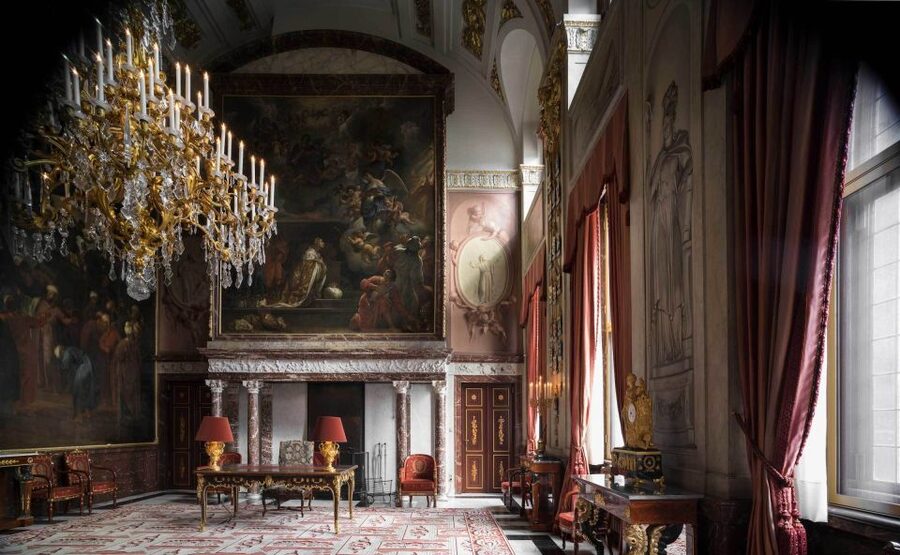
You’ll hear (via the audio) that the Royal Palace is still used for state visits, award ceremonies, and royal receptions. That info changes the “feel” of the rooms as you walk through them. You start seeing the palace not as a set, but as a venue with real standards.
This is one of the most compelling parts for visitors who like places with roles. In most museums, you can assume the space is finished. Here, you’re in a building designed to host major moments.
You also get a sense of how ceremonial function and art direction work together. The palace interiors are structured to impress—from the way rooms open up to how decorative themes support the grand atmosphere. If you enjoy connecting art and architecture to real life, this section is a good payoff.
Dutch Golden Age Paintings and Sculpture You’ll Want to Stop For
The palace is loaded with art from the Dutch Golden Age, and it’s not random. You’re seeing masterpieces in rooms that match their status, with sculpture by artists including Ferdinand Bol and Govert Flinck.
Here’s the practical benefit: the audio guide doesn’t just name works. It gives you context so you know what to notice. That’s important in a palace setting, because the visual field can be busy. With the guide on, you get cues that help you separate “pretty” from “important detail.”
One note for pacing: reviews and visitor experience suggest that some rooms can feel similar, especially if you’re rushing. So if you start feeling that repetitive feeling, slow down and switch your focus. Pick a specific artist, a specific furniture style, or a specific architectural detail and let the audio guide “zoom in” for you.
Louis Napoleon-Era Furniture, Clocks, and Chandeliers: The Details That Matter
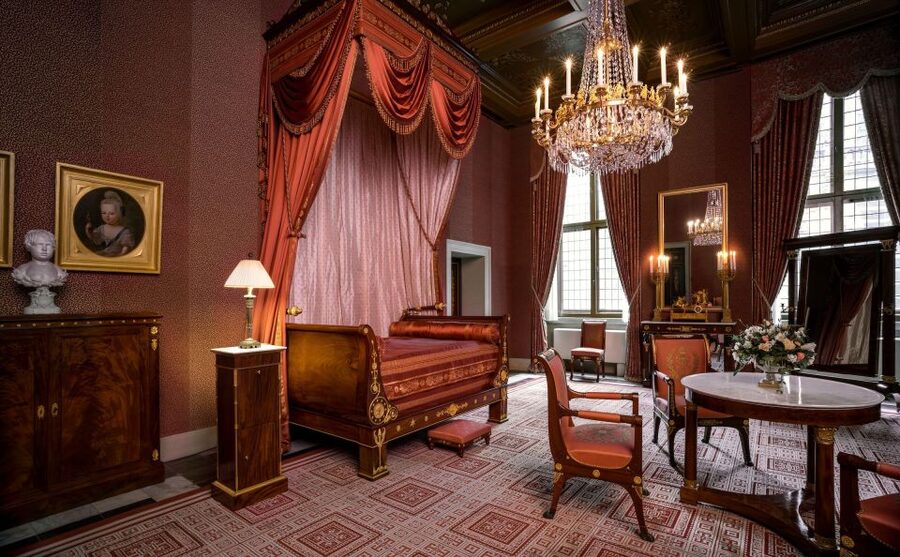
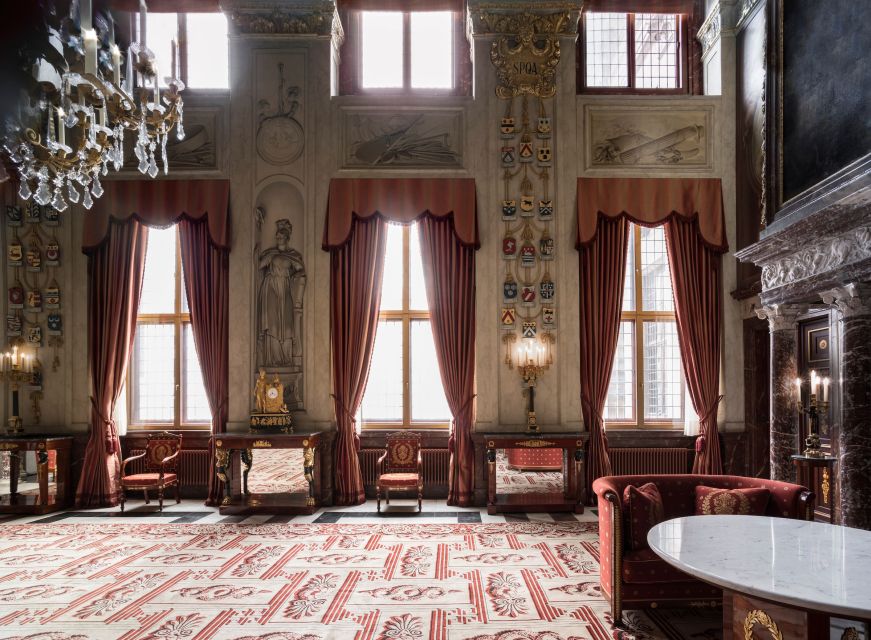
One of the coolest interior surprises is the preserved furniture and decorative elements from the time of Louis Napoleon. You’ll see fine pieces like chandeliers and clocks tied to that era, and that’s what makes the palace feel layered rather than frozen in one moment.
Why this is valuable for you: it helps you understand how palaces evolve. The building isn’t only a 17th-century monument in appearance; it contains later decorative history too. That gives you more to listen for as you move, because the audio has chances to shift themes across time periods.
Also, it’s a visual “break” from paintings and sculpture. If you tend to get overwhelmed by too many works in one museum, focusing on the furniture and lighting details can reset your attention quickly.
How the Audio Guide Helps You Control the Visit
The included adult audio guide covers Dutch, English, German, French, Italian, Spanish, Chinese, and Russian. There’s also an audio guide for children in Dutch and English. That’s helpful if you’re traveling with family, because you can keep the kids engaged without giving up the main experience.
The audio is described as room-by-room, and that’s the key. Instead of asking you to wander and figure things out, it structures what you pay attention to. You also have the flexibility for a shorter or longer visit depending on time.
Two tips for getting the most out of it:
- Use it like a flashlight, not like background noise. When the audio tells you to notice something, pause your walking for a minute.
- If you’re short on time, listen for the “highlight” moments first, then go back only to rooms that genuinely interest you.
One practical consideration: audio is your main interpretive layer here. If you prefer lots of signage and you want to skim without listening, you might find yourself wanting more written explanations in the rooms. In that case, plan to use the audio more intentionally, or aim for a shorter route.
Timing, Crowds, and the Last Entry at 5:15 PM
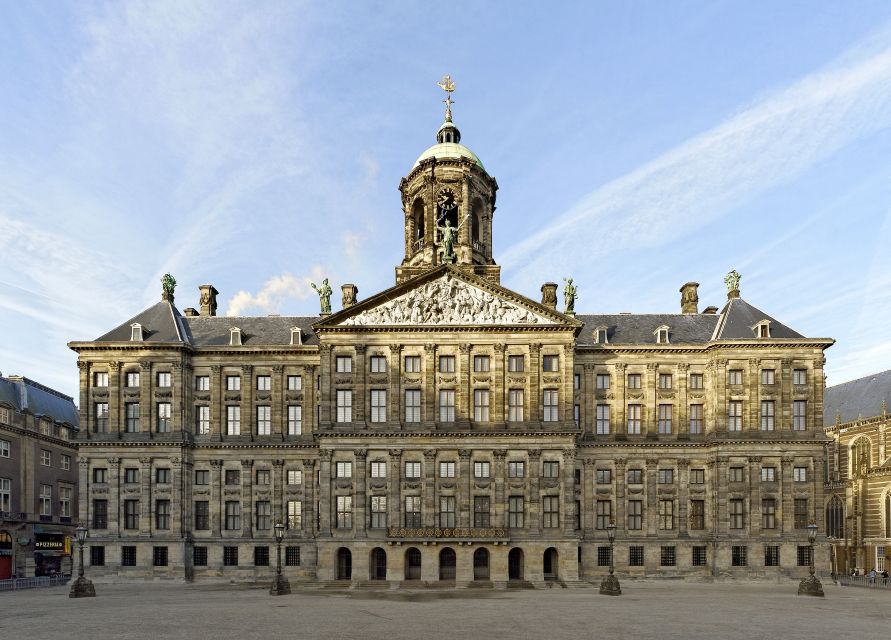
The last entry is at 5:15 PM, which is a simple rule but an important one. If you’re visiting later in the day, you’re gambling a little on how much time you’ll have before you feel rushed. If you want a calm pace, aim earlier.
This palace also tends to feel busy. One common issue is that there are limited places to sit and rest, so the experience can be tiring if you need regular breaks. It’s manageable if you plan for it: pace yourself, keep water in your day plan (though food and drinks are not allowed inside), and take short pauses during transitions between rooms.
If you’re visiting with kids, the audio guide for children can help hold attention. But small kids still need movement, and crowded rooms can make that harder. The palace is wheelchair accessible, but crowded areas can still be tight—so build in patience either way.
Value for About $15: When This Ticket Makes Sense
Price is listed at about $15 per person, and for a central Amsterdam attraction with included audio and major art, it can feel like good value. You’re not paying extra for guidance, and the flexibility to choose a shorter or longer visit helps you match the ticket to your time.
The big “value driver” is the combination of:
- a still-operational state palace setting
- Dutch Golden Age artwork and named artists
- preserved decorative elements from the Louis Napoleon era
- an included audio guide that supports your pace
Also, children under 18 have free entrance (with a ticket picked up from the counter). If you’re a family, that changes the math quickly in your favor.
Is it worth it if you don’t care about royal rooms? If you love art and want context while you see famous names like Ferdinand Bol and Govert Flinck, yes. If you only want quick exterior photos, you might find it too much. But if you enjoy art, architecture, and listening your way through, this ticket is a solid buy.
Who Should Book This and Who Might Skip It
Book it if you:
- want an art-and-architecture stop that’s more than just wandering
- like the Dutch Golden Age angle and want help noticing details
- want a self-paced experience that still has structure
- are traveling with family and want a children’s audio option
Consider skipping or shortening your plan if you:
- need lots of seating breaks (the palace can be busy)
- strongly dislike listening tours and prefer heavy signage
- travel with very young kids who may struggle in crowded rooms
It’s also ideal if you’re already doing a dense Amsterdam day and you want one major attraction that’s easy to reach by tram or metro.
Should You Book This Royal Palace Entry With Audio Guide?
Yes—if you’re the type who likes to slow down and look, this is an easy recommendation. The included audio guide does real work: it helps you connect the rooms to the Dutch Golden Age, and it gives you a better chance of spotting the palace’s key details like Atlas in the Citizens’ Hall and the named Dutch Golden Age artists.
If you’re worried about crowds or you need frequent breaks, plan your timing and keep expectations realistic. Arriving earlier in the day and building short pauses into your route makes a big difference.
FAQ
How long is the Royal Palace ticket valid?
The ticket is valid for 1 day. You’ll want to check available starting times, since the visit timing can affect when you can enter.
What audio guide languages are available?
The audio guide for adults is available in Dutch, English, German, French, Italian, Spanish, Chinese, and Russian. There is also an audio guide for children in Dutch and English.
What is the last entry time?
The last entry is at 5:15 PM.
Where do I meet for the Royal Palace visit?
You can reach the Royal Palace with trams 2, 4, 12, 13, 14, 17, and 24. Or take Metro 52 and exit at station Rokin. The nearest GVB tram station is Dam Square.
Are children allowed in for free?
Yes. Entrance is free for children under 18, and a ticket can be picked up from the counter.
Can I use a smartphone ticket at the entrance?
Yes. You can enter via the priority lane and show your smartphone ticket at the scan desk.
Is the Royal Palace wheelchair accessible?
Yes. The building is wheelchair accessible, with a lift and a wheelchair accessible toilet. Wheelchairs are also available for visitors.
If you tell me your travel dates and whether you’re going with kids or anyone with mobility limits, I can suggest a smart time window and a “what to prioritize first” route.