REVIEW · BANGKOK
Bangkok: Grand Palace, Wat Pho & Wat Arun Tour in Italian
Book on GetYourGuide →Operated by VeraThailandia Co., Ltd. · Bookable on GetYourGuide
Temples, ferry rides, and an Italian guide. This tour is interesting because you see Bangkok’s top sights with a public-transport route instead of a bus crawl, and you do it with an Italian-speaking guide who keeps things moving. I like how the pacing strings together the Grand Palace, Wat Pho, and Wat Arun in one tight circuit, and I like that you’re guided through the meaning of what you’re looking at, not just the photos. One possible drawback: if you expect very deep, perfectly clear Italian explanations the whole time, you might want to set expectations, since some people found the commentary light or harder to follow.
You’ll spend most of your time inside three legendary temple complexes, including the Grand Palace area with Wat Phra Kaew (Emerald Buddha), then Wat Pho for the famous Reclining Buddha and Thai massage tradition, and finally Wat Arun at the riverside. Dress and walking are real here: no shorts, no sleeveless tops, and you should plan on being on your feet for several stretches.
In This Review
- Key points before you go
- A 4-hour temples circuit that actually uses Bangkok’s rhythm
- Meeting at BTS Saphan Taksin and heading to Sathorn Pier
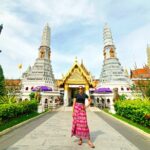
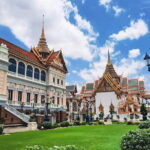
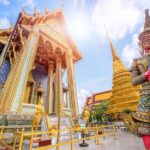
- Grand Palace: Wat Phra Kaew inside the royal walls
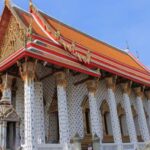
- Wat Pho’s Reclining Buddha and Thai massage tradition
- Tuk-tuk and ferry hops: why the transport plan is part of the value
- Wat Arun at Thatien Pier: the Temple of Dawn’s signature terraces
- Price and what you’re really paying for (including entrance fees on the spot)
- Dress code and practical rules that can save your day
- Who should book this tour (and who should skip it)
- If one temple is closed, how your day changes
- Final verdict: should you book this Grand Palace–Wat Pho–Wat Arun tour?
- FAQ
- What is the total duration of the tour?
- Where do I meet the guide?
- What transportation is used during the tour?
- Which temples are included?
- Is the tour guided in Italian?
- What should I wear and bring?
- Are entrance fees included in the price?
Key points before you go
- Ferry boat + local tuk-tuk routing that feels more like daily Bangkok than a private car tour
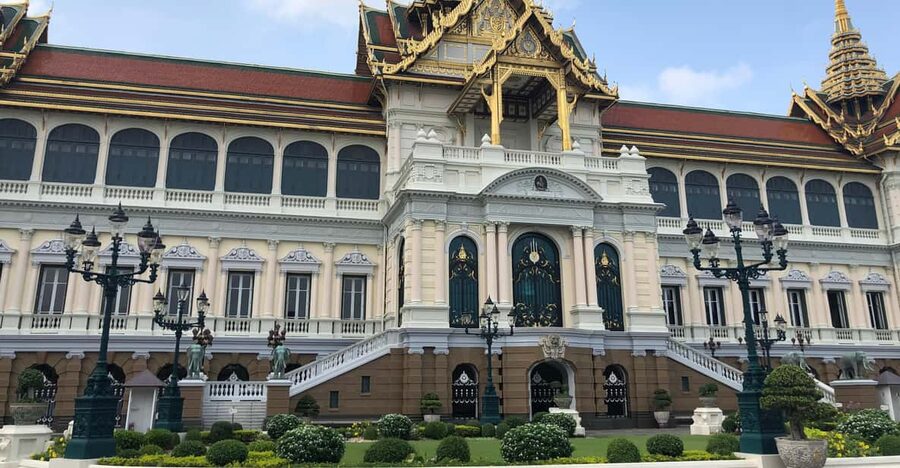
- Grand Palace + Wat Phra Kaew in a guided loop inside the royal walls
- Wat Pho’s Reclining Buddha plus Thai massage context you won’t get from selfies
- Wat Arun by the river with time on the terraces and key viewpoints
- Dress code matters (cover legs and shoulders, and wear comfy shoes)
- Not for wheelchairs or limited mobility due to walking and temple steps
A 4-hour temples circuit that actually uses Bangkok’s rhythm
This is the kind of Bangkok tour that makes sense if you want the big, iconic stuff but don’t want to sit in traffic all day. You start at the BTS Saphan Taksin area, move to Sathorn Pier, and then you’re on a mix of ferry rides and a short tuk-tuk hop to connect the sights in a practical way.
The total experience is about four hours, which is ideal for a first visit. You get enough time inside each place to see the highlights, but the schedule also keeps you from burning the day in long transfers.
You can also read our reviews of more tours and experiences in Bangkok.
Meeting at BTS Saphan Taksin and heading to Sathorn Pier
Your meeting point is at BTS Saphan Taksin Station, Exit 2 (ground floor), in front of Sathorn Pier. The guide waits there wearing a VeraThailandia shirt and/or holding a VeraThailandia sign, so it’s not a guessing game.
Once you’re together, you’ll take a ferry for about 20 minutes before the first temple complex. This matters because ferries are part of how Bangkok people move—and it also helps you reach the riverfront sights without wrestling with gridlock.
Practical note: wear shoes you can tolerate for walking. Even if sandals are allowed, you’ll likely want closed-toe comfort because temple days can include uneven paths and lots of steps.
Grand Palace: Wat Phra Kaew inside the royal walls
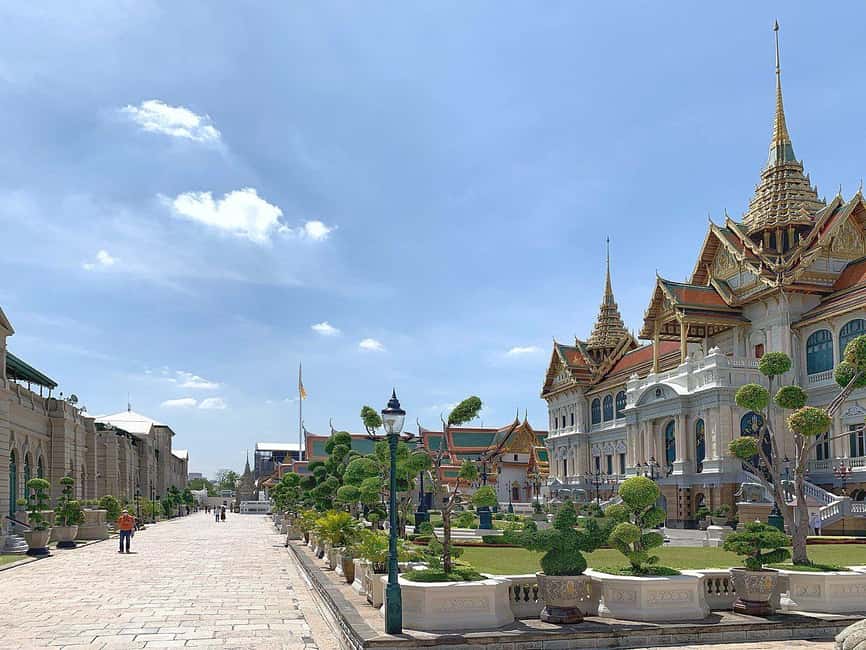
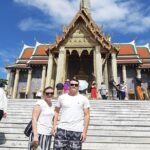
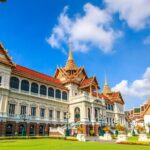
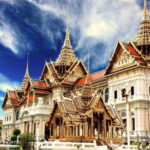
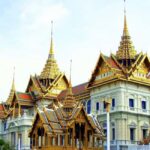
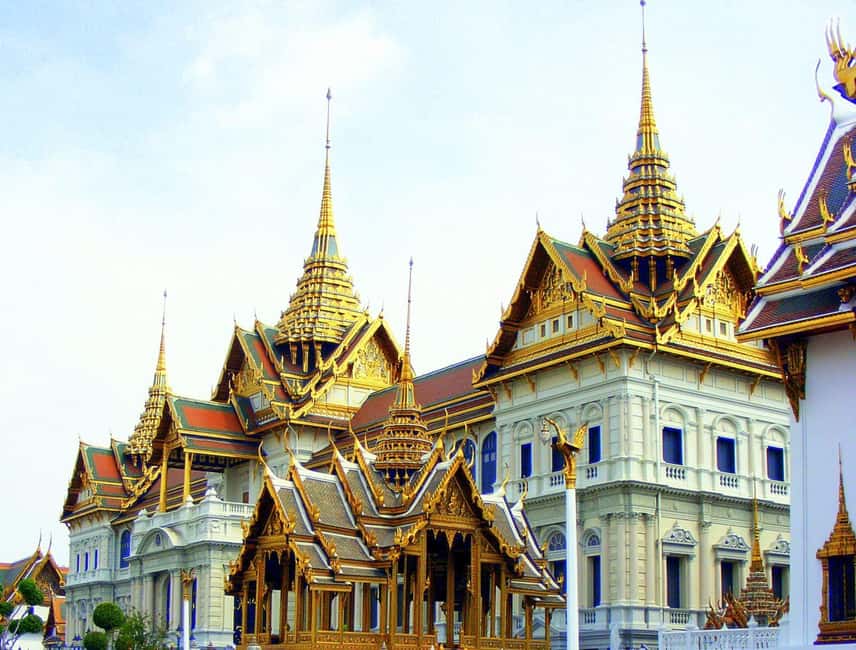
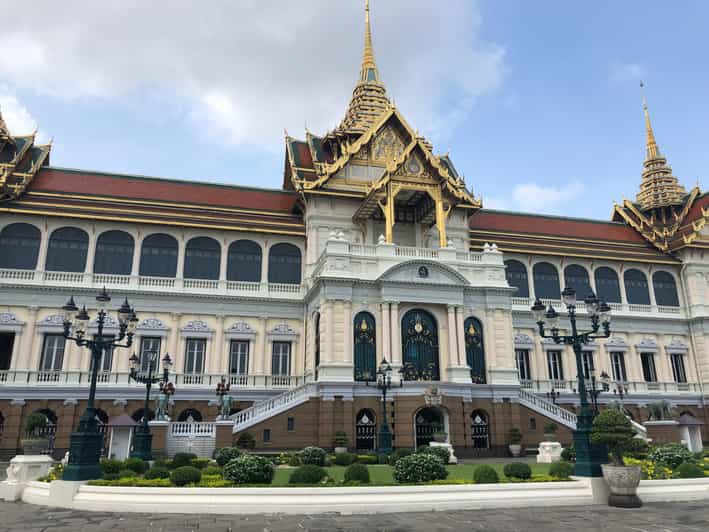
You spend about 1.5 hours at the Grand Palace complex, and the first wow factor is the setting. You’re surrounded by the imposing walls, then you step into a world of decorated buildings, courtyards, gardens, and sacred spaces that feel structured for ceremony rather than tourism.
The big target here is Wat Phra Kaew, the Temple of the Emerald Buddha. In a short span, a guide can help you notice what to look for—like how the complex is organized and why certain buildings matter more than others—so you leave with a clearer sense of what you just saw.
What I like about doing this as part of a guided, timed circuit: you don’t wander endlessly trying to guess your way through a maze of beauty. The tour keeps you focused on the essential areas, so you can enjoy the details without losing the plot.
Possible drawback: the Grand Palace area has strict rules, and it’s also a high-demand place. If your goal is slow and silent contemplation, you may feel the pace is brisk. For most people, that’s a fair trade for covering three major temples in one day.
Wat Pho’s Reclining Buddha and Thai massage tradition
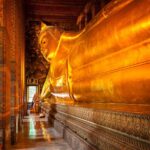
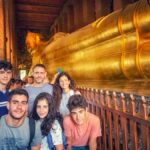
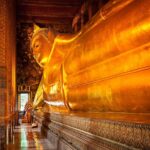
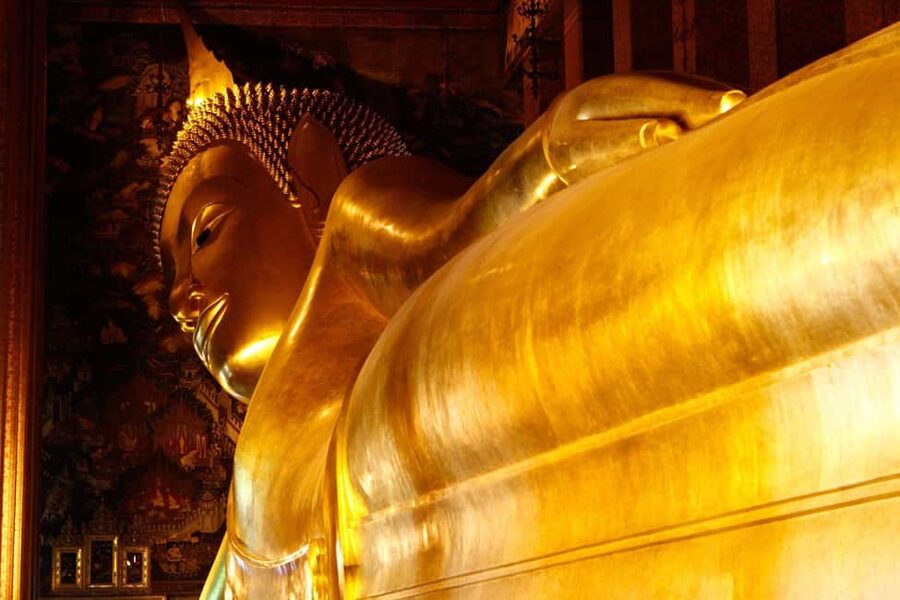
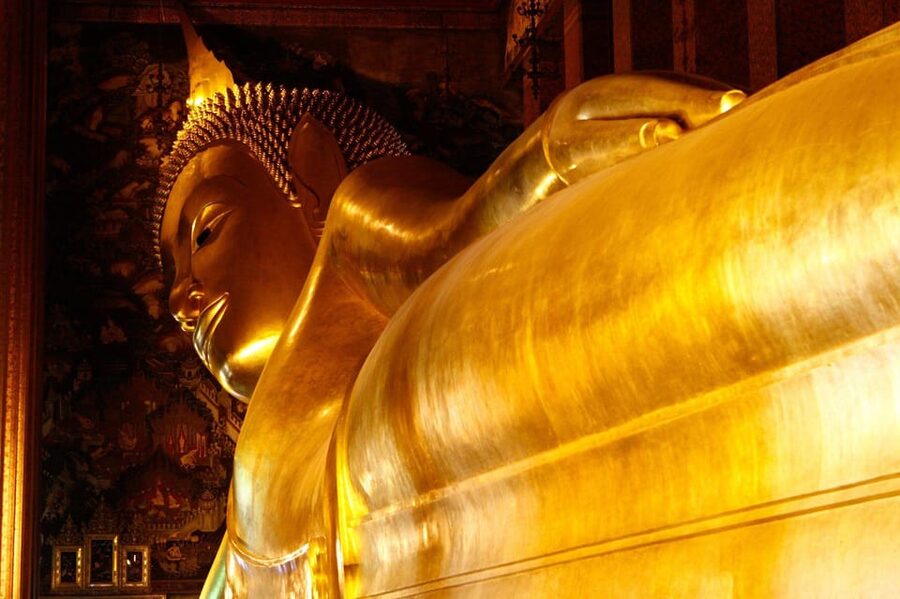
Next comes Wat Pho, where you get about 45 minutes of guided touring. Wat Pho is known for its Reclining Buddha, and the scale is hard to process until you’re there. You’re looking at a golden statue measuring over 46 meters long and 15 meters high—and it’s one of the largest representations of the reclining Buddha in the world.
This is also where the tour adds a useful layer. Wat Pho is a major center for the study and practice of traditional Thai medicine, and that’s where Thai massage fits into the story. If you’ve ever had a Thai massage and wondered where the tradition comes from, this stop gives you a solid starting point without needing a separate museum visit.
Walking temples can be tough when it’s hot. The advantage here is that you’re not stuck indoors for long stretches—you’re moving in a guided rhythm, with time structured so you’re not rushing through key sights.
Watch your expectations on commentary length. Some participants felt there weren’t enough explanations for the price. If you like lots of historical context, show up prepared to ask questions, and don’t be shy about saying you want more detail on the parts you care about.
Tuk-tuk and ferry hops: why the transport plan is part of the value
Between the temple stops, the itinerary uses local movement tools in small bursts: a tuk-tuk segment (about 10 minutes) and additional ferry rides (including a short one around 5 minutes, plus a longer return ferry segment of about 30 minutes).
This transport mix is more than convenience. It reduces wasted time and gives you small “Bangkok moments” between monuments—like seeing river life for a few minutes at a time rather than staring at a screen the whole day.
Also, using public connections means you’re more likely to remember how the area works. After a tour like this, you can often figure out how to come back on your own later.
Wat Arun at Thatien Pier: the Temple of Dawn’s signature terraces
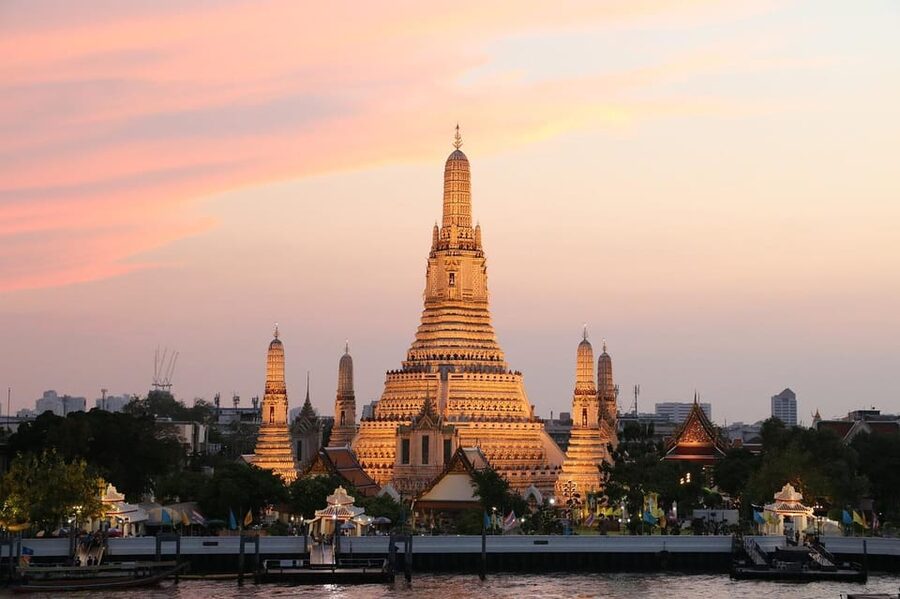
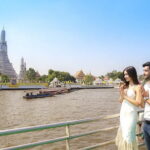
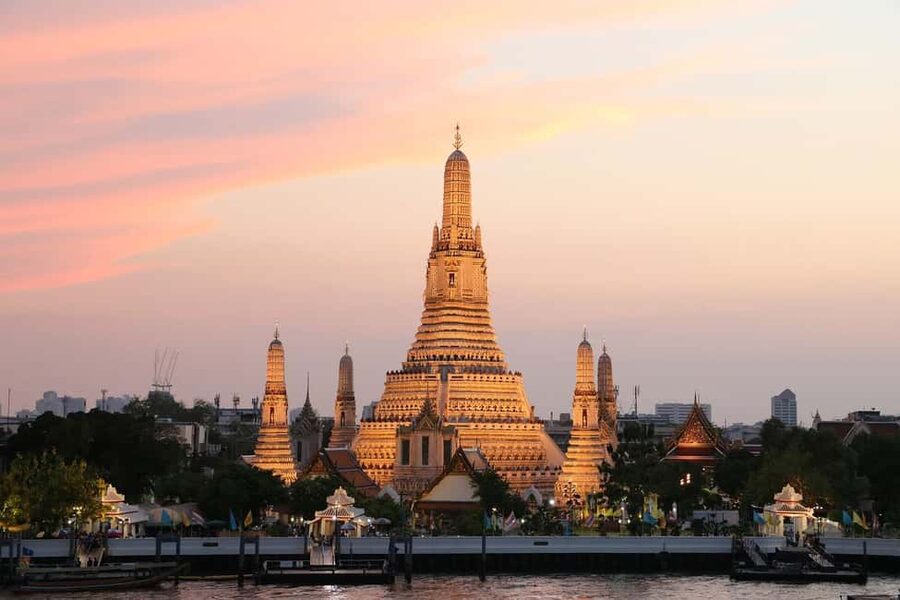
Wat Arun is the final big temple stop, guided for about 45 minutes. You’ll connect to it by going to Thatien Pier on foot, then boarding a local ferry to reach the riverside temple area.
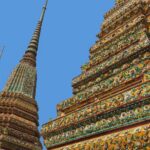
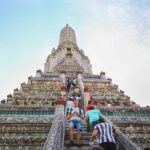
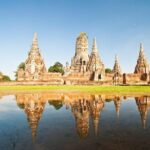
Wat Arun, the Temple of Dawn, is famous for its silhouette: it rises up to about 86 meters high, shaped by three levels of terraces. Even if you’ve seen photos before, the terraces are the kind of feature that look different when you’re standing close. From the right angles, you can see how the levels stack and why the temple’s profile is so recognizable.
This is a great finale because it has the most “river view” feeling. The day shifts from royal walls and courtyard structures to something more open and skyline-like. It’s the stop that tends to make people linger a bit—just don’t let lingering turn into rushing your ferry back.
Price and what you’re really paying for (including entrance fees on the spot)
The tour price is $46 per person for about four hours, guided in Italian, with public-transport style routing and visits to the three major temples.
Here’s the value angle: you’re paying for (1) a guided walkthrough of three heavyweight sights, (2) the time savings of a planned route, and (3) the practical help navigating where to go and what to focus on once you’re inside.
One important detail: temple entrance fees are paid on the spot. That means your final cost can be higher than the headline price, and it also explains why there’s no entrance-fee refund if a temple is closed due to government decisions. If you budget like a local, you’ll avoid surprise.
If you’re the type who wants intense, minute-by-minute storytelling, you may feel the explanations are sometimes limited. If you want a clean, efficient route with enough interpretation to enjoy the sights properly, the price-to-output ratio is usually fair.
Dress code and practical rules that can save your day
Temple rules aren’t a suggestion here. You must bring a passport (a copy is accepted) and a passport-sized photo. And you should plan your outfit around the restrictions:
Not allowed: shorts, short skirts, sleeveless shirts, and nudity.
Know before you go:
- Long pants or skirts only. Legs should be fully covered; no ripped pants.
- Shoulders must be covered. Avoid sleeveless tops, tank tops, and vests.
- Closed-toe shoes are recommended, though sandals are allowed.
This isn’t just about politeness. Being correctly dressed helps you keep your schedule and avoid awkward delays. I’d rather you plan for comfort and compliance than risk getting stalled right when the day is starting to feel special.
Who should book this tour (and who should skip it)
This experience suits you best if:
- You’re comfortable walking and doing stairs on temple grounds.
- You want the top Bangkok monuments with a guide, but you’d rather use ferries and local transport than sit in a van.
- You prefer an Italian-speaking guide to help connect what you see with what it means.
It’s not suitable if you have mobility impairments, heart problems, or if you’re a wheelchair user. Temple environments often involve uneven walking surfaces and steps, and the tour structure includes multiple movement segments.
If one temple is closed, how your day changes
There’s a clear policy if one of the temples is closed due to government decisions: the excursion still proceeds with visits to the other temples listed in the program. Since entrance fees are paid on the spot, there’s no refund tied to a closure.
So if you’re traveling with tight timing, keep a little flexibility in your day. The good news is you still get the core set of monuments, not a cancelled day.
Final verdict: should you book this Grand Palace–Wat Pho–Wat Arun tour?
Yes, I’d book it if you want a smart first-day style circuit: Grand Palace, Wat Pho, and Wat Arun in one shot, using ferries and local transport that make the day feel like Bangkok—not a sightseeing bubble. The highlights are exactly what you came for: Emerald Buddha at Wat Phra Kaew, the scale of the Reclining Buddha at Wat Pho, and Wat Arun’s three-tier terrace profile rising over the river.
Skip it or think twice if you strongly rely on detailed commentary and you’re worried about Italian clarity. Also skip if you have limited mobility or heart-related concerns, since the tour is walking-and-steps heavy.
If you book, go in with a simple plan: dress correctly, wear comfy shoes, ask questions if you want more explanation, and treat the ferry and tuk-tuk minutes as part of the experience rather than dead time. That mindset turns a “tour of monuments” into a day that feels lived-in.
FAQ
What is the total duration of the tour?
The tour lasts about 4 hours, starting from the meeting point near BTS Saphan Taksin and ending back at Sathorn Pier.
Where do I meet the guide?
Meet the guide at BTS Saphan Taksin Station, Exit 2 (ground floor), in front of Sathorn Pier. The guide will be wearing a VeraThailandia shirt and/or holding a VeraThailandia sign.
What transportation is used during the tour?
You’ll use public transport, including ferry boats and a local tuk-tuk, with short ferry segments between temple visits.
Which temples are included?
The tour includes the Grand Palace (Wat Phra Kaew / Emerald Buddha), Wat Pho (Reclining Buddha), and Wat Arun (Temple of Dawn).
Is the tour guided in Italian?
Yes. The live tour guide speaks Italian.
What should I wear and bring?
You must avoid shorts, short skirts, sleeveless shirts, and nudity. Bring your passport (a copy is accepted) and a passport-sized photo. Closed-toe shoes are recommended, though sandals are allowed.
Are entrance fees included in the price?
Entrance fees are paid on the spot. If a temple is closed due to government decisions, the tour continues with the other listed temples, and there are no refunds for entrance fees.