REVIEW · BARD ITALY
Bard: Fortress Exhibitions and Museums Entrance
Book on GetYourGuide →Operated by Forte di Bard · Bookable on GetYourGuide
One hill. Three museums. Endless angles for photos. Fortress of Bard turns a 19th-century military stronghold into a self-paced day of exhibitions and views you can climb from the bottom to the top. The whole place is designed to keep you moving, whether you ride the lifts or take the scenic walk up through the fort’s paths and open spaces.
I especially love the mix of big-picture storytelling and on-the-ground experience. You start with the Museum of the Alps, then shift into fortifications and frontiers, and end in the Prisons—so the day feels like a guided arc, not three separate rooms. The panoramic lifts and walkways also make the architecture feel close, not distant.
The main drawback to plan around is the ticket process. Even with online voucher purchases, you may need to wait in a small line to exchange your voucher for the official ticket, so give yourself a little time at the start.
In This Review
- Key highlights you’ll actually care about
- Fortress of Bard: a 19th-century gate to the Aosta Valley
- Getting up the hill: three panoramic lifts and the scenic route
- Quick tip
- Museum of the Alps: mountain life meets real emotion
- Museum of Fortifications and Frontiers: borders, engineering, and control
- A good way to do this museum
- The Prisons: a darker turn you shouldn’t skip
- Temporary exhibitions and the art of walking through stone
- Chapel, parade grounds, courtyards, and walkways: the fort as a museum object
- Practical photo and pacing note
- Audio guide with the Museon app: self-paced history that doesn’t punish you
- Ticket process and where to exchange your voucher
- Tip for a smoother start
- Value for your $28 ticket: what you’re really buying
- Timing your visit: how to avoid feeling rushed
- Who this fortress ticket is for (and who might not love it)
- Should you book this Fortress of Bard ticket?
- FAQ
- FAQ
- What museums are included with the entrance ticket?
- Does the ticket include the panoramic lifts?
- Is there an audio guide?
- Do I need a live guided tour?
- Where do I exchange my voucher for the official ticket?
- How long is the ticket valid?
- Is this activity wheelchair accessible?
Key highlights you’ll actually care about
- Three museums in one fortified complex: Alps, fortifications/frontiers, and the Prisons
- Panoramic lifts included so you can do more of the fort without exhausting the day
- Audio guide via Museon app for history and architecture at your own pace
- Temporary exhibitions included when open so your visit won’t feel repetitive
- Photo-ready fort views from the bottom to the top, across courtyards and walkways
- Bookshop discount (10%) if you want to bring home something from the fortress
Fortress of Bard: a 19th-century gate to the Aosta Valley
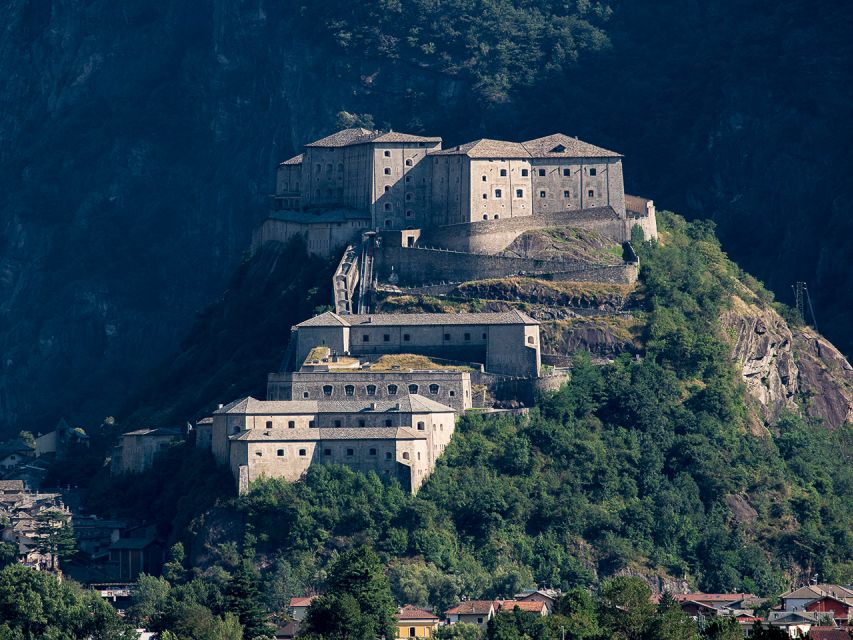
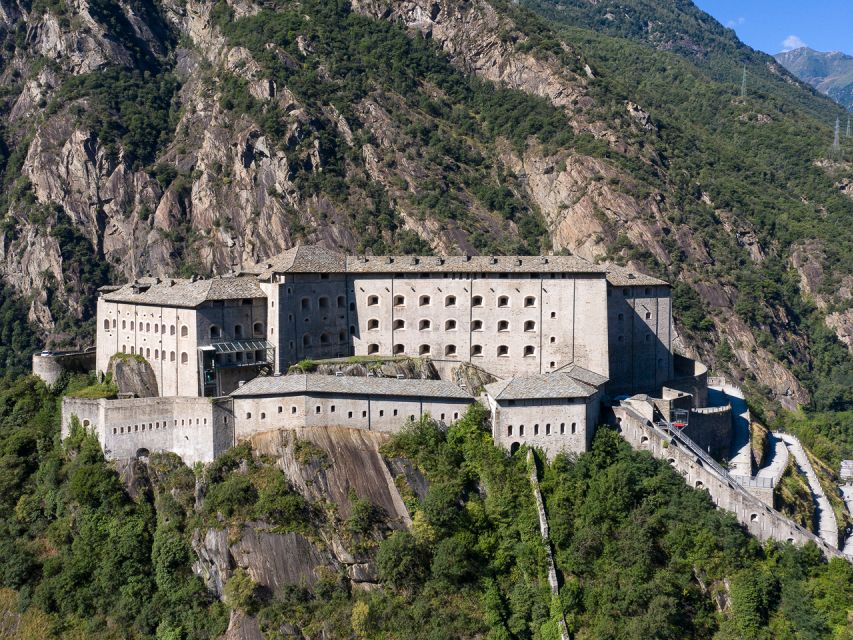
Fortress of Bard sits on a rocky rise right at the entrance to the Aosta Valley. That location matters. From the start, you’re not just looking at old stone—you’re standing at a choke point that historically helped control movement through the Alps. The fort was built in the first half of the 19th century, and it still carries that sense of mass and control.
Today, it has been converted into a cultural and tourist center. You’ll find museums, international exhibitions, events, and modern visitor support. What I like about that blend is how it keeps the fortress’s identity intact. You’re learning about military architecture, but you’re not stuck with a cold history lesson. You walk through areas that feel like they were designed for function—parade grounds, courtyards, walkways—then you meet exhibitions that explain the human side of life at the frontier.
If you’re into photography, this is one of the best kinds of sites: not just a single viewpoint, but many. You’ll keep getting angles as you move upward, and the fort’s geometry gives you built-in composition lines.
You can also read our reviews of more tours and experiences in Bard Italy.
Getting up the hill: three panoramic lifts and the scenic route

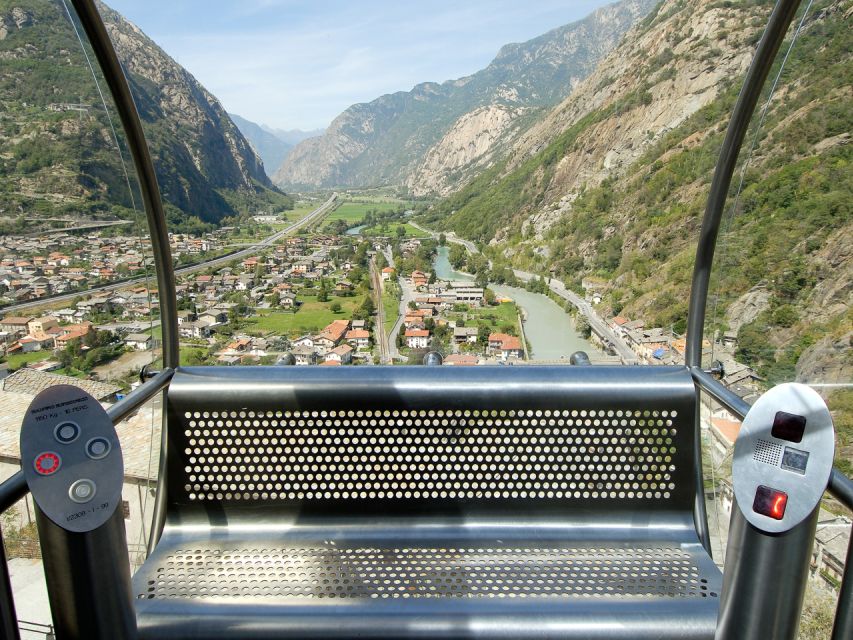
You can reach the top using the fortress’s three panoramic lifts or by the scenic walking route. That choice is more than convenience. Lifts save your legs, but the walk gives you better context for how the fort sits on the rock and how the different levels connect.
Plan to spend time choosing your rhythm. If you’re traveling with limited mobility or you just want to keep energy for exhibitions, the lifts make the visit realistic. If you enjoy taking it slow—pausing for photos, reading small details along the way—walking first can make the museum sections feel more connected, like you’re earning the view.
Either way, the fort experience has a vertical flow. You’re going up. You’ll feel it when you start moving between levels, courtyards, and exhibition zones. That layout helps you avoid the classic museum problem of feeling like you’re trapped in one corridor too long.
Quick tip
Bring your phone charging plan in mind. The audio guide depends on the Museon app, so it helps to have enough battery before you start moving between lifts and halls.
Museum of the Alps: mountain life meets real emotion
The day typically begins with the Museum of the Alps, and that’s a smart opener. It gives you the human scale behind the fortress. Instead of starting with weapons or borders, you start with the mountains themselves—how people lived, worked, and adapted to altitude and harsh seasons.
This museum is also where you’ll likely notice the production values. In the Prisons and fortifications sections, there’s still strong presentation, but the Alps collection especially uses media and display techniques that can feel moving, not just explanatory. Some visitors highlight excellent video projections and an emotional tone that sticks with them.
Why this matters for you: if you’re visiting for more than “old fort sightseeing,” this first museum gives context. The fort isn’t floating in time—it’s positioned inside an alpine environment that shapes everything from travel routes to survival.
What to watch for as you move through:
- Try to slow down at the exhibits that connect people to place, not just objects
- Don’t rush the media sections; they’re part of the storytelling, not interruptions
- Give yourself a few moments in quieter display areas before you head into the heavier fortification topics
Museum of Fortifications and Frontiers: borders, engineering, and control
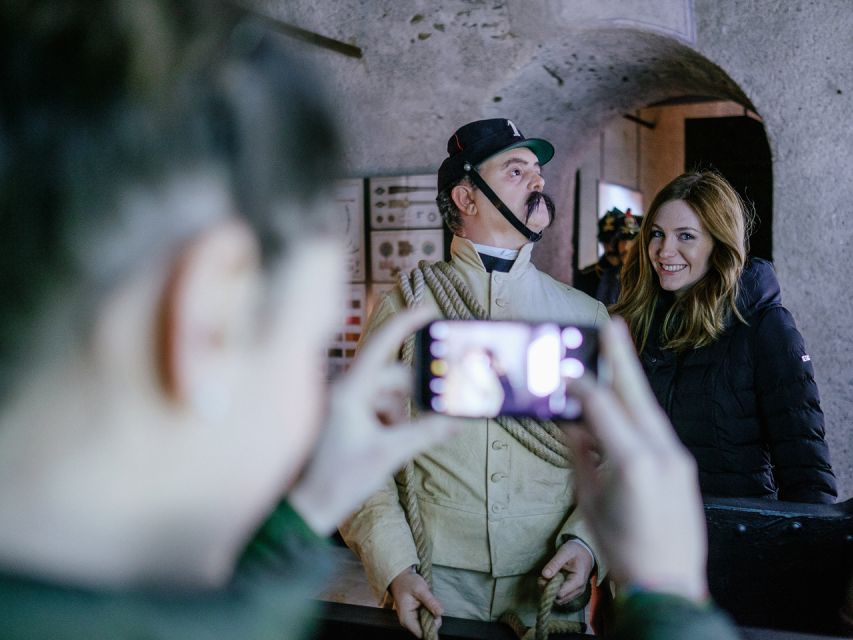
Next comes the Museum of Fortifications and Frontiers. This is where the fortress’s purpose takes center stage. You’ll learn how military architecture is designed for durability, visibility, and defense—plus how frontiers weren’t just lines on a map. They were places with real consequences for movement and daily life.
This museum also helps you understand what you’re seeing as you walk through exterior spaces. Once you know why certain walls, corridors, and open zones were built, the fort starts to make functional sense. It’s one thing to look at stone and call it impressive. It’s another to connect it to the logic of defense and border control.
In practical terms, plan to budget time here if you’re the type who likes to read labels. The exhibits feel like they’re set up with precision and competence, and the presentation is designed for careful attention. If you’re traveling with kids, you might find it helpful to set a “pace rule” for indoor sections, because it can be easy for family energy to turn a museum space into a running route.
A good way to do this museum
I like a two-pass approach: first pass for the main themes, second pass for the details you’re drawn to. Fortifications have layers, and that style of visiting helps you catch both the big picture and the technical bits.
The Prisons: a darker turn you shouldn’t skip
The Prisons museum changes the mood. It’s the part of the fortress that feels most direct about confinement and consequence. Even if you’re not normally into dark history, this section works because it stays tied to the site you’re standing in.
The fort’s architecture lends credibility here. You’re not just reading about punishment and detention—you’re seeing how those systems would have been experienced in a real defensive structure. It can be emotionally intense, and at least one visitor called the experience moving.
For you, that means two things:
- Don’t schedule this section at the very end of your day if you’re tired. You’ll want enough attention to follow the story.
- Take breaks if you feel overwhelmed. The fortress offers walkways and courtyards where you can reset between exhibition zones.
This isn’t just a “scary room” museum. It’s part of the full history of how the fortress operated—shifting from environment (Alps) to engineering and border control (Fortifications and Frontiers) and finally to what happens to people within the system (Prisons).
Temporary exhibitions and the art of walking through stone

One of the best values here is that your entrance ticket doesn’t only cover fixed museums. It also includes access to many temporary exhibitions held throughout the year. That means your visit can feel slightly different depending on when you go, even if the core museums stay the same.
As you move through the fort, keep an eye on:
- Courtyards where exhibition spaces open up
- Any temporary art installations that sit alongside the historical sections
- Zones where lighting and angles create natural photo opportunities
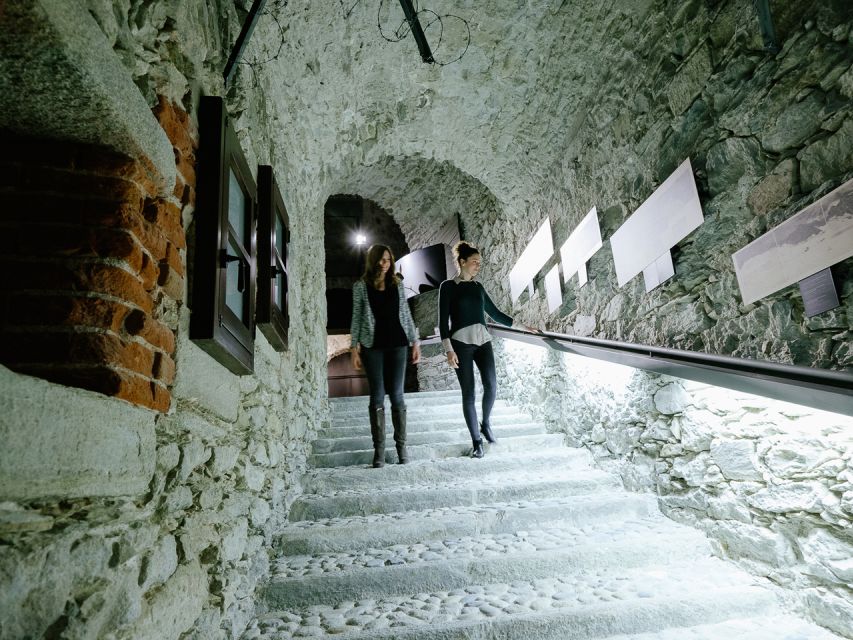
And yes, you’ll get plenty of photo chances. The top-to-bottom progression is designed for it. If you’re coming for pictures, you can plan to take your “view shots” as you move upward, then take your “architecture shots” once you’re in the courtyards and chapel areas where stone textures and shapes frame your images.
Chapel, parade grounds, courtyards, and walkways: the fort as a museum object
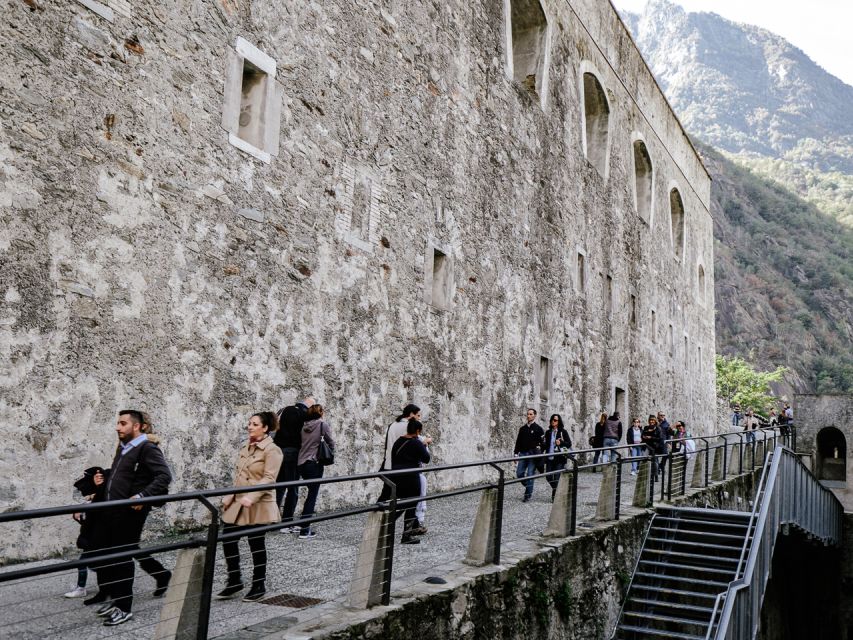
It’s easy to focus only on the museums, but the included areas are a big part of why this ticket feels worth it. Your visit includes access to the chapel, the parade grounds, courtyards, and walkways.
This is where the fortress stops being a container and becomes the exhibit. Parade grounds give you a sense of scale. Courtyards create breathing room between indoor displays. Walkways help you understand movement through a fortified structure. The chapel adds a quieter contrast, letting the day shift from museum labels to atmosphere and architecture.
If you like travel that feels authentic, this “in-between” time is where you get it. You’re not only consuming information; you’re reading the place with your eyes.
Practical photo and pacing note
If you want photos without rushing, do the exhibitions first, then spend your final time walking exterior routes and courtyards. That way your energy matches what the fort is asking from you: learn inside, then enjoy outside.
Audio guide with the Museon app: self-paced history that doesn’t punish you
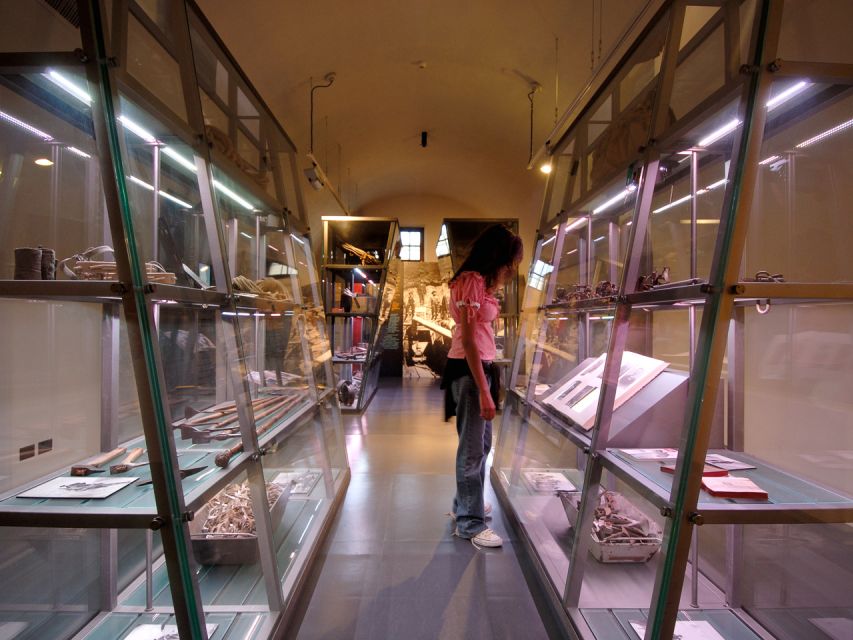
You’ll get an audio guide included, but you’ll access it through the Museon app on your smartphone. At the ticket office, you’ll receive a QR code to use.
This setup is great for two reasons:
- You can pause for photos without losing your place in the story
- You control the speed—less “hurry along” pressure than a live tour
It also means you should plan for tech reality. Bring your phone charger if you can. Make sure you can scan the QR code once you’re at the fortress, not after you’ve wandered too far.
The audio guide is there to help you understand the fortress’s history and architecture, not just to repeat exhibit text. If you’re the type who likes to know why a building was shaped a certain way, the audio track can turn “impressive walls” into clear, practical context.
Ticket process and where to exchange your voucher
Before you go inside, you must exchange your voucher at the ticket counter. There are two ticket counter points:
- One at the start of the first panoramic lift
- Another at the top of the medieval village, behind the Church of Bard
This is the moment to be flexible. One issue that can pop up is waiting in line for voucher exchange to paper, even when you bought online. Sometimes it’s quick and smooth; sometimes it adds friction. Either way, I suggest arriving with a bit of buffer so your day doesn’t start tense.
Tip for a smoother start
If you’re traveling on a tight schedule, plan to exchange your voucher first, then go straight to the lift or walking route you prefer. Don’t spend your first minutes deciding what you’ll do.
Value for your $28 ticket: what you’re really buying
At around $28 per person, this ticket is best understood as an all-day access pass to a full fortress experience.
What you get includes:
- Entrance to the fortress and its main visitor areas
- Access to panoramic lifts
- Access to the chapel, parade grounds, courtyards, and walkways
- Entry to all exhibition spaces, including the Museum of the Alps, the Prisons, and the Museum of Fortifications and Frontiers
- Access to temporary exhibitions that are open on the day you visit
- An audio guide via the Museon app (with QR code provided at the ticket office)
- A 10% discount at the bookshop
If you were to buy separate museum tickets and arrange transport inside the complex, the value would likely shrink fast. Here, the pricing makes sense because the site itself is the “transport.” You’re paying for the experience of moving through a fortified complex with multiple exhibition formats, not just one indoor museum.
Also note what’s not included: there is no live guided tour. If you want a guide to interpret everything for you in real time, you’ll need to plan for self-guided learning with the audio system and your own reading.
Timing your visit: how to avoid feeling rushed
This isn’t a 60-minute stop. It’s a layered fortress day, and the ticket’s validity is up to 90 days, meaning you’re free to choose a time that matches your energy level.
A comfortable flow I’d recommend:
- Start with the Museum of the Alps.
- Move to Fortifications and Frontiers for the core historical explanation.
- Save the Prisons for later, when you’re fully settled in.
- Add temporary exhibitions as you go, not as an afterthought.
- Finish with exterior courtyards and walkways for photos and decompression.
If you compress everything into a single rush, you might miss the connections between sections. The museums are stronger when you feel how the fortress changes your perspective—first the environment, then engineering and borders, then consequences for people.
And if you’re traveling with a mix of adults and children, set expectations early about indoor pacing. Some visitors noted frustration around kids running through exhibition halls, so you’ll have a better day if you bring a calm, structure-friendly plan.
Who this fortress ticket is for (and who might not love it)
This is a strong fit if you:
- Want a self-paced day with a clear, moving route
- Like museums where the setting is part of the story
- Enjoy photos with built-in viewpoints
- Prefer learning through a mix of exhibits and audio
It might be less ideal if you:
- Need a live guide to feel engaged
- Hate any chance of lines at the voucher exchange step
- Prefer only light, non-emotional museum content (the Prisons are not a soft stop)
Should you book this Fortress of Bard ticket?
Yes, I’d book it if you want one solid day that combines three connected museums, included lift access, and a soundtrack-style audio guide. At around $28, the value comes from the fortress itself: you’re paying for access to a whole layered site, not a single room.
I’d also book it if you’re the type who likes to wander with purpose. The included chapel, parade grounds, courtyards, and walkways make the experience feel like more than an indoor museum circuit. Just give yourself time at the start for voucher exchange, and you’ll walk away with a fortress that actually feels alive in your head.
FAQ
FAQ
What museums are included with the entrance ticket?
Your ticket includes access to the Museum of the Alps, the Museum of Fortifications and Frontiers, and the Prisons. It also covers temporary exhibitions that are open during your visit.
Does the ticket include the panoramic lifts?
Yes. You get access to the panoramic lifts inside the fortress complex.
Is there an audio guide?
Yes. The audio guide is included, but you access it through the Museon app on your smartphone using a QR code provided at the ticket office.
Do I need a live guided tour?
No. A guided tour with a live guide is not included.
Where do I exchange my voucher for the official ticket?
You must exchange your voucher at the ticket counter. There are two points: one at the start of the first panoramic lift, and another at the top of the medieval village behind the Church of Bard.
How long is the ticket valid?
The ticket is valid for 90 days, and you should check availability to see starting times.
Is this activity wheelchair accessible?
Yes, it is wheelchair accessible.