REVIEW · BUCHAREST
Bucharest: Parliament Palace Skip-the-line Ticket
Book on GetYourGuide →Operated by EASTERN EUROPEAN EXPERIENCE · Bookable on GetYourGuide
Bucharest’s Parliament Palace hits fast. This skip-the-line visit cuts through the main entry hassle and gets you into the marble-and-chandelier world quickly, led by an official English guide. I love the sheer scale you can measure in your head (84 meters tall, 500+ chandeliers, 8 underground levels), and I also like how the guide connects those facts to Romania’s communist era without turning it into a lecture. One drawback: it’s only about an hour, and the route involves around 200 steps with no elevator, so it’s not a match for limited mobility.
Even if you think you know the story of Nicolae Ceaușescu, walking these rooms makes it feel more real. This tour is built for momentum—security check first, then a guided walk that hits the big interiors: ground floor entry spaces, the main meeting rooms on the next level, and the Ballroom—so you leave with a clear sense of what this building was designed to do.
In This Review
- Key highlights that make this ticket worth it
- Arriving at Senatul Romaniei: where people usually get turned around
- Skip-the-line doesn’t mean skip security
- One-hour itinerary: what happens on each floor
- Ground floor: the scale gets real
- First level meeting rooms and the Ballroom: where decoration becomes messaging
- Where the underground story fits in
- What I like about the official guides (and how to make the most of them)
- Practical tips: photos, shoes, and the “step count” reality
- Price and value: what $29 buys you in real terms
- Who should book this Palace of Parliament tour
- Should you book this Bucharest Parliament Palace skip-the-line ticket?
Key highlights that make this ticket worth it
- Skip-the-line entry that helps you start sooner (you still need security time, just less waiting for access)
- Three levels of the Palace: ground floor spaces, then the main meeting rooms and the Ballroom
- The numbers tour: 84m height, 365,000 sq m floor area, and mind-bending material totals like marble and wood
- Underground scale: stories about 8 underground levels, including a nuclear bunker, plus 20 km of catacombs
- Guides like Christian and Anca often bring humor and tight pacing that works even in larger groups
Arriving at Senatul Romaniei: where people usually get turned around
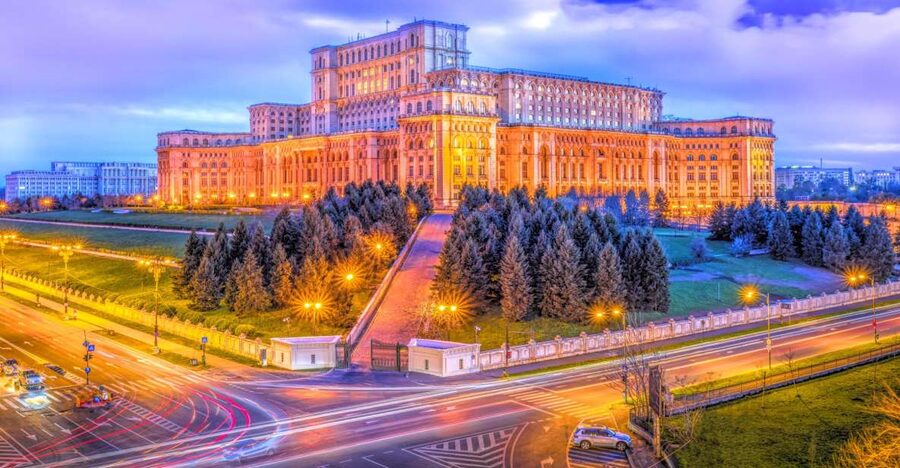
Your meeting point is at Senatul Romaniei, on the left side of the Parliament Palace. That detail matters because this building is so large that it can feel like you’re on the wrong street even when you’re correct.
I suggest you plan for “find the entrance” time. A simple approach: arrive early, check the side you’re on, and don’t rely on the fastest-looking route from your map app. The common problem is walking toward the wrong face of the complex and then having to reroute on foot once you realize the Senate entrance isn’t there.
When you arrive, you’ll go through security before the tour starts. The guidance I’d follow is to arrive 25 minutes early so you’re not stressed if the line moves slowly.
You can also read our reviews of more tours and experiences in Bucharest.
Skip-the-line doesn’t mean skip security
Here’s the practical truth: you still need to pass security checks. What the skip-the-line ticket does is reduce the bottleneck you’d face when access lines are stretched, so your group starts the tour with less dead time.
In real life, that’s the difference between an hour-long visit feeling like a solid use of time versus an hour that gets chewed up before you ever see marble. For this Palace of Parliament tour, where the route is designed to cover 3 levels in about an hour, that time savings adds up.
Security can also bunch people into groups in a way that makes the schedule feel slightly unpredictable. The good news is that once you’re in, the tour tends to move efficiently, with enough stops to take in details.
One-hour itinerary: what happens on each floor
This is a guided, staged route. You won’t see the entire building (nobody does), but you do get the rooms that communicate the Palace’s purpose.
Ground floor: the scale gets real
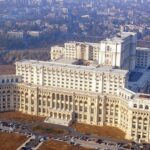
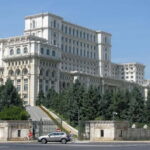
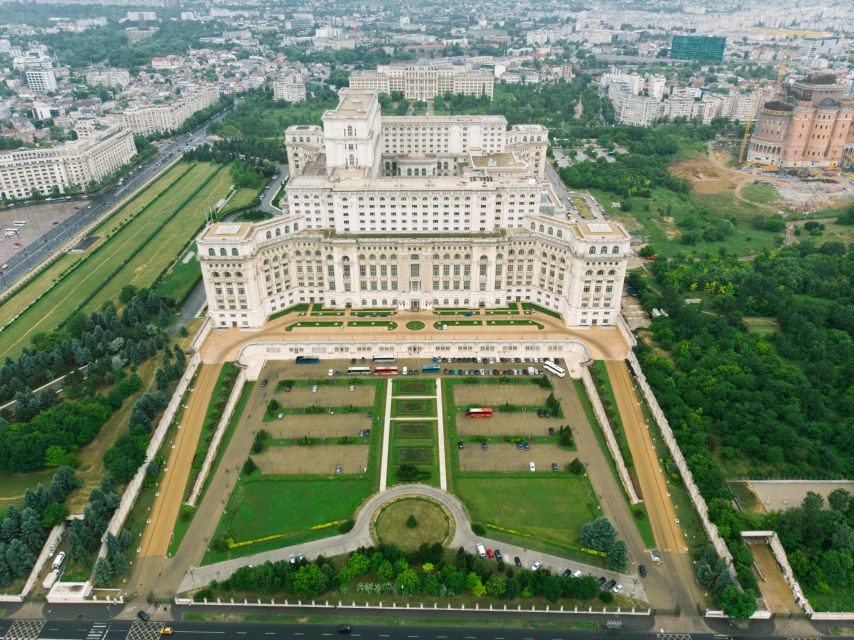
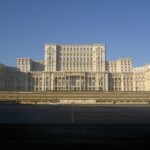
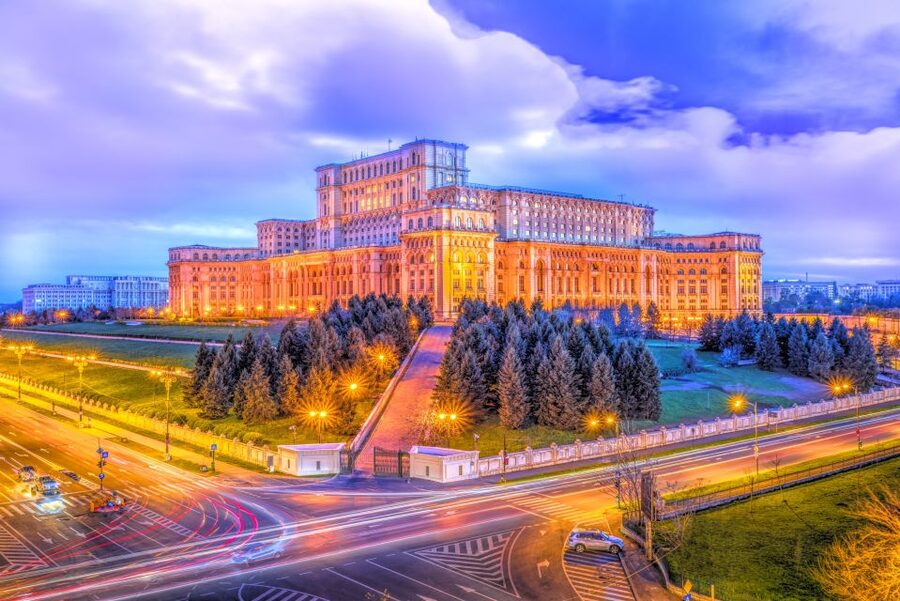
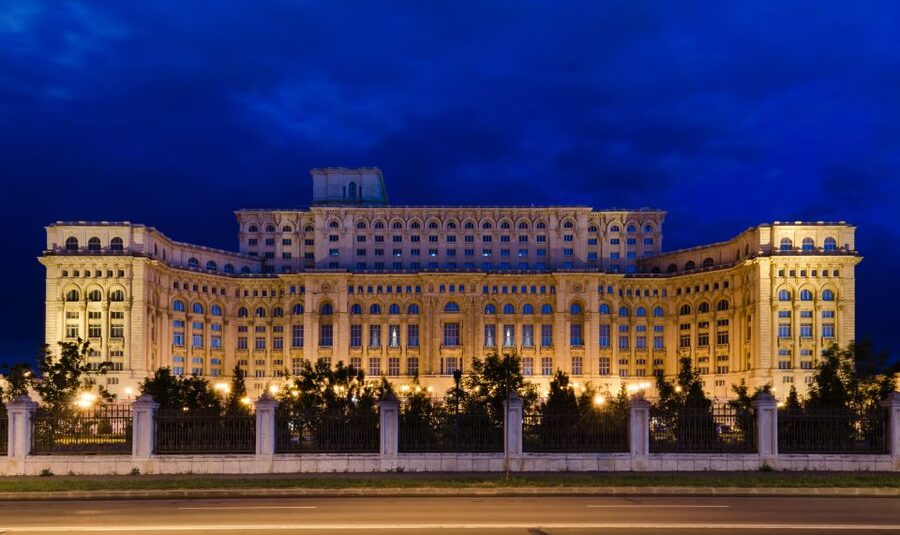
You start at the ground floor entrance area, where the guide sets the tone: this is a building ordered by Nicolae Ceaușescu and constructed from 1984 to 1997, during the darkest period of communism in Romania.
Then come the numbers—exact, specific, and memorable:
- The Palace is 84 meters (276 ft) tall.
- It covers 365,000 square meters (3,930,000 sq ft).
- It’s described as the heaviest building in the world.
These facts aren’t just trivia. They help you look at the building and understand why it feels so heavy, so deliberate, and so political. Even from a short viewing path, you can sense the design choices meant to impress visitors and project power.
First level meeting rooms and the Ballroom: where decoration becomes messaging
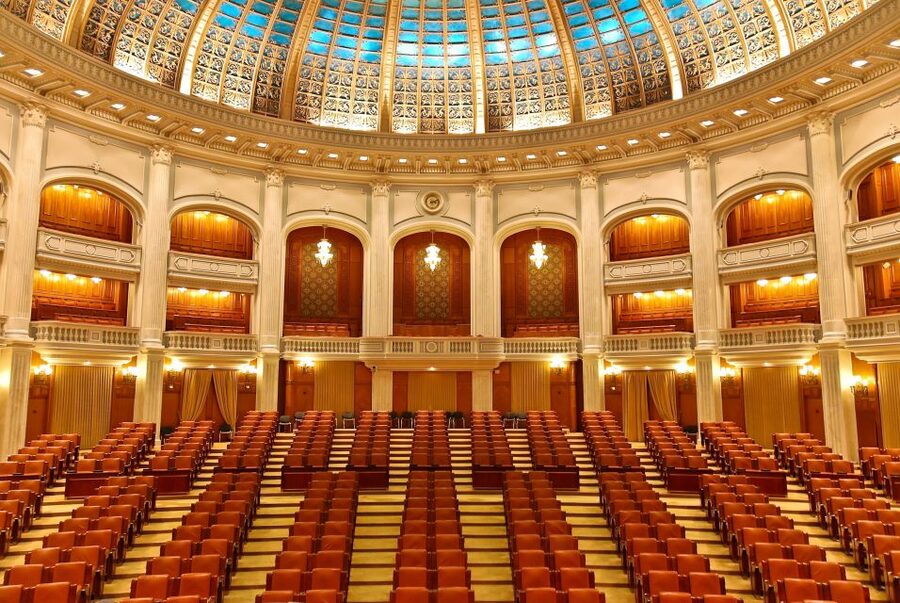
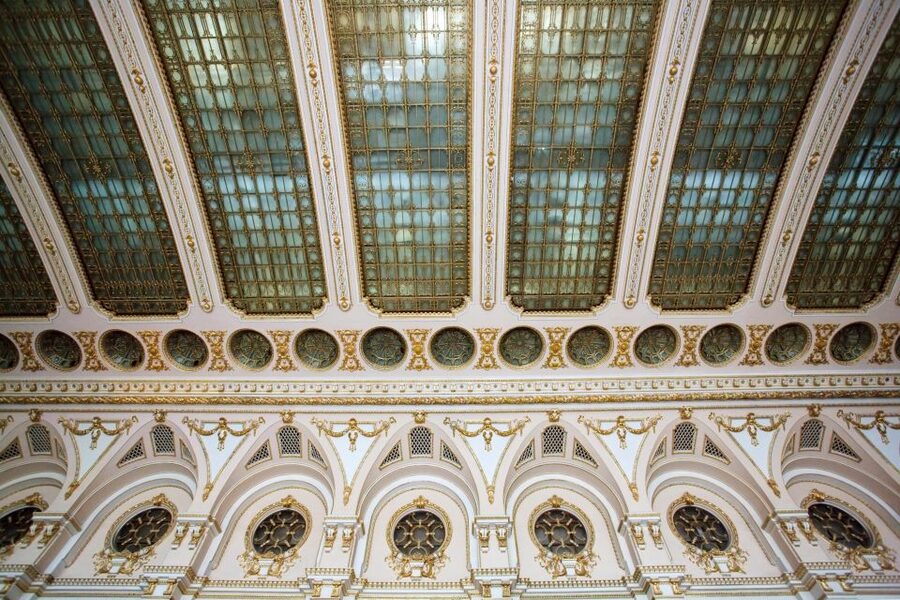
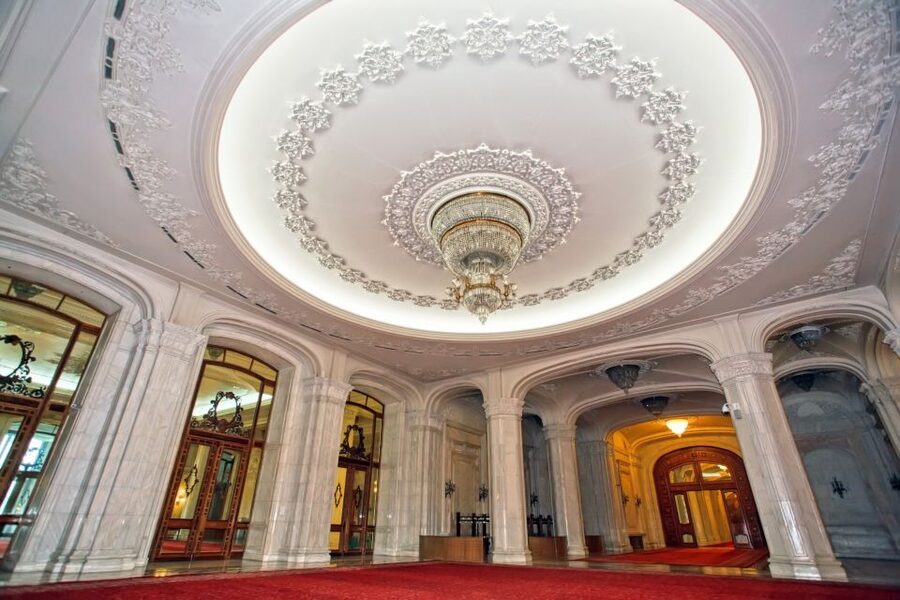
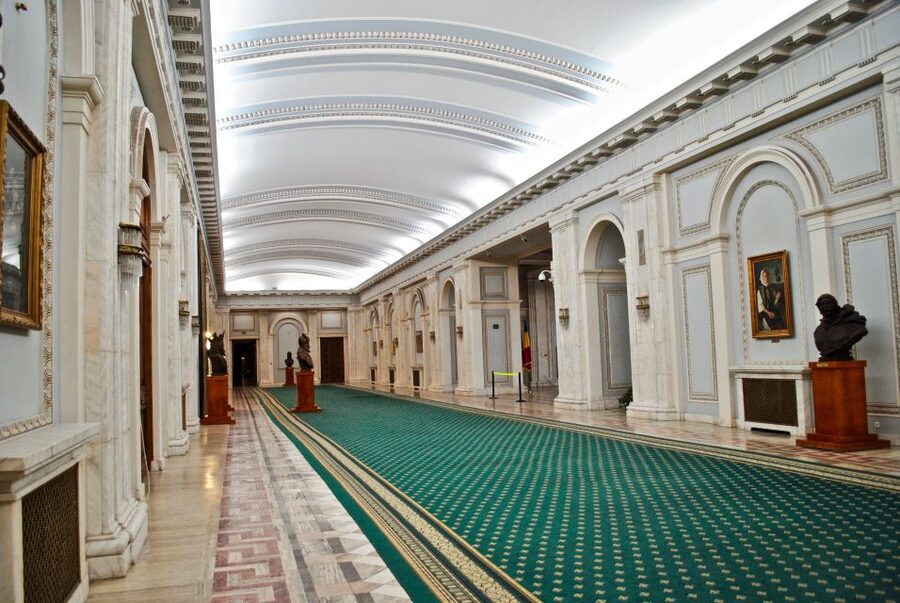
Next you head up to the main meeting level, where you’ll see spaces designed for official gatherings. This is where the guide points out the visual details that make the architecture feel unreal—both beautiful and excessive.
Some of the famous interior stats you’ll hear:
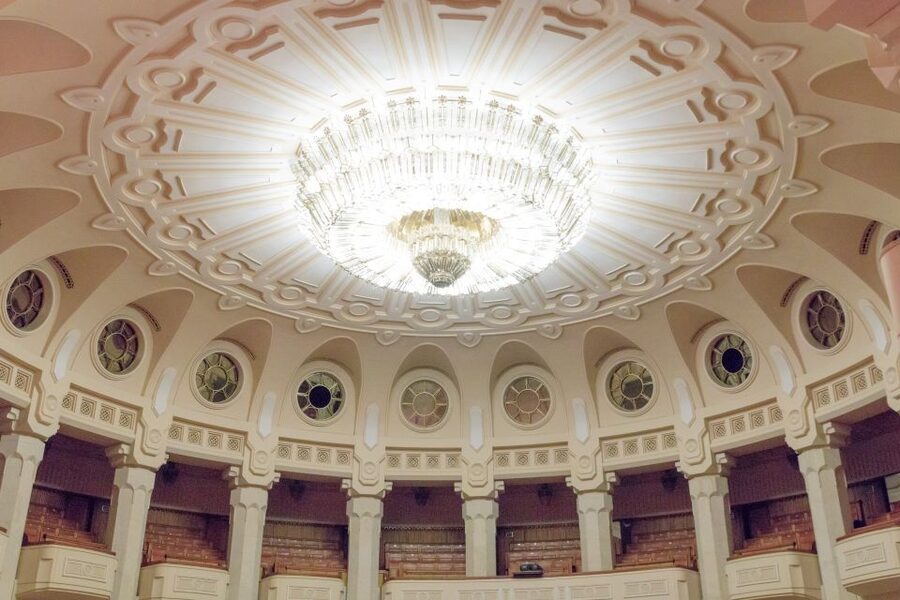
- Almost 500 chandeliers
- Over 1,400 mirrors and ceiling lights
- About 35 million cubic feet of marble
- About 32 million cubic feet of wood (plus carpets and other decorations)
In other words: it’s not “just a government building.” It’s a display built out of materials chosen to overwhelm your senses with symmetry and shine.
You’ll also visit the Ballroom, which is a strong anchor stop. It’s one of those spaces where you can instantly understand what this building was trying to do: turn state power into something theatrical, formal, and hard to ignore.

Where the underground story fits in
The tour also includes the underground dimension—an important part of why this Palace feels like more than architecture. You’ll hear about:
- 8 underground levels
- The last level functioning as a nuclear bunker
- 20 km of catacombs linking to main state institutions
You don’t typically walk the catacombs, but hearing that scale changes how you interpret the building. You start to connect the marble and chandeliers to something darker: survival planning and control, built into the same structure.
If you like political history that has a physical footprint, this underground narrative is the thread that ties the entire visit together.
What I like about the official guides (and how to make the most of them)
The experience lives or dies on the guide, and this one often shines. In English-led tours, guides like Christian and Anca come up repeatedly. What matters isn’t just knowing facts—it’s how they deliver them with humor and pacing.
A few things I’d watch for and copy as you tour:
- Ask one or two questions early. The guide can usually tailor answers to the communist-era themes that connect the rooms.
- Listen for the contrast: how the Palace’s design intended to project certainty, while the political reality behind it was brittle.
- Use the short pauses to look up. The chandeliers, lights, and mirror detailing are the kind of design work you miss if you’re only staring forward.
The tour is built to be efficient, and that tends to help groups stay together. Some guides also manage larger groups well, keeping the flow from room to room.
Practical tips: photos, shoes, and the “step count” reality
A few practical notes help your visit go smoother:
- Photo fees are not included. If you plan to take pictures for any reason beyond casual personal shots, assume there may be extra costs.
- Bring your passport. Security checks are passport-based.
- Wear comfortable shoes. You’ll be walking and climbing multiple flights; the tour is not recommended for people with mobility impairments. Expect around 200 steps during the course of the visit, and there’s no elevator.
- Expect stairs to be staggered, not all at once. Still, it adds up.
Also, plan your energy. The building is big, and even though your route is short, you’ll want to keep your legs ready for the changes in floor level.
Price and value: what $29 buys you in real terms
At about $29 per person for roughly one hour, this ticket is priced for access plus interpretation.
What you’re paying for:
- Skip-the-line entry, which helps you start seeing the Palace sooner
- An official guide in English
- Entrance tied to a guided route across three levels
Is it expensive compared with wandering around town on your own? Yes. Is it good value compared with trying to brute-force access without a time slot and without a guide? Also yes.
Here’s the value math I’d use:
- If the skip-the-line effect saves you even 30–45 minutes of dead time, that’s meaningful because the Palace route is time-boxed.
- A guide makes the rooms easier to read. The chandeliers, mirrors, marble totals, and underground bunker story come with context; otherwise, it’s mostly “wow” and then “okay, what did I just see?”
For most people visiting Bucharest for a short stay, this is a smart use of limited time.
Who should book this Palace of Parliament tour
This one works best if you:
- Want a fast, structured tour of Bucharest’s top attraction
- Like political history with real-world visuals—rooms, materials, and scale
- Are comfortable with stairs (about 200 steps) and can handle a tour pacing that stays on schedule
You should consider skipping (or choosing a different format) if you:
- Need step-free access or an elevator route
- Have limited mobility and can’t manage stairs safely
- Prefer a slower, more open-ended “walk at your own pace” visit
Should you book this Bucharest Parliament Palace skip-the-line ticket?
If you’re going to Bucharest and you want one “must see” building that explains itself as you go, I think this is a solid booking. The biggest win is practical: skip-the-line entry combined with an official English guide that turns the Palace’s numbers—84 meters tall, 500 chandeliers, 8 underground levels—into something you can actually understand.
Book it if you can handle stairs and you want a focused one-hour route across the Palace’s signature rooms. If stairs are a problem, or if you’d rather explore slowly without a timed flow, look for an alternative format.