REVIEW · PARIS
Versailles: Palace of Versailles Skip-the-Line Guided Tour
Book on GetYourGuide →Operated by GetYourGuide France · Bookable on GetYourGuide
Versailles starts with a time-saving trick. With skip-the-line entry, you don’t burn your morning in a crush, and you can get straight to the rooms that matter most. I love how the Hall of Mirrors and the King’s and Queen’s State Apartments come with clear, human stories—guides like Anne Sophia and Isabella are the kind who make Louis XVI and Marie Antoinette feel real.
The one catch: gardens and extra grounds can be seasonal and option-based, so it’s smart to check what your ticket includes. Add in the reality of crowd levels and timing, because you’ll still need about 30 minutes for ticketing and security logistics before the palace tour properly kicks off.
In This Review
- Key things I’d focus on before you book
- Skip-the-line entry: how Versailles time really works
- Inside the Palace: State Apartments and the Hall of Mirrors
- Monarchy stories you can track: Louis XVI to Marie Antoinette
- Gardens and Marie-Antoinette Estate: what’s included by season
- Crowd-proofing: pacing, microphones, and keeping your place
- Practical tips that make the tour smoother
- Should you book this Versailles Skip-the-Line Guided Tour?
- FAQ
- How long should I plan for when I include security and ticketing?
- What parts of the Palace of Versailles are included in the guided portion?
- Is garden access included, and does it change by season?
- Does this tour include Marie Antoinette’s Estate and musical fountain shows?
- What should I bring, and what can’t I bring?
- Will I still have to wait even with skip-the-line tickets?
- Is transportation from Paris included?
- Is this tour suitable for everyone with limited mobility?
Key things I’d focus on before you book
- Skip-the-line entry means you use a separate entrance and spend less time stuck outside.
- Hall of Mirrors + State Apartments are the core highlights, with guided context you’ll actually remember.
- Story-driven monarchy: you’ll connect major figures like Louis XVI and Marie Antoinette to what you see.
- Interactive pace: time for questions, plus a guide who keeps the group moving without sprinting.
- Garden access varies by season and may depend on the All Access option for bigger grounds.
Skip-the-line entry: how Versailles time really works
Versailles is famous for two things: big history and big crowds. This tour attacks the crowd problem with a separate, skip-the-line entrance, so you’re not waiting in the main public queue. That difference can feel huge when you arrive during peak hours and everyone else is trying to do the same thing at the same time.
Plan your expectations around timing. The experience runs about 90 minutes to 2 hours, but the palace portion lasts roughly 1.5 hours. Then you should add around 30 minutes for ticketing and security check flow, even with priority entry. The voucher time is treated as the meeting time at the shop, and the tour typically starts a few minutes later—so be early, not hopeful.
Once you’re inside, the guide helps you make sense of rooms that can otherwise blur together. You’ll get a guided route through emblematic spaces, and you’ll hear why specific artwork, architecture, and layout mattered. A lot of people love the pacing here because it’s long enough to feel meaningful, but not so long that you stop caring halfway through.
If you hate being herded, you’ll still have small moments to look and breathe. Guides have a way of using a micro-level rhythm—point, explain, move—without turning the visit into a nonstop lecture.
You can also read our reviews of more tours and experiences in Paris.



Inside the Palace: State Apartments and the Hall of Mirrors
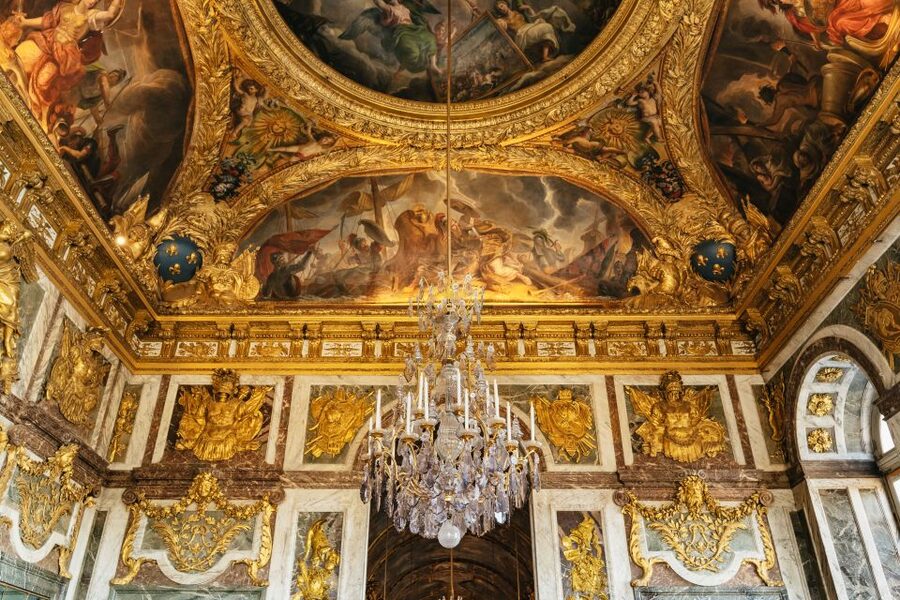
The palace visit is built around the most iconic interior stops, and the guiding approach is what makes them click.
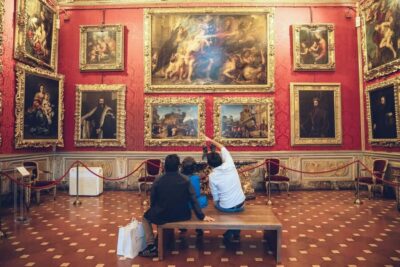
First up are the King’s and Queen’s State Apartments. These aren’t just pretty rooms; they’re designed to communicate power, taste, and status. The King’s and Queen’s spaces help you understand how the court lived and performed public life—where ceremony mattered as much as comfort. You’ll also see a lot of the ornate details that make Versailles feel like a living museum of elite design.
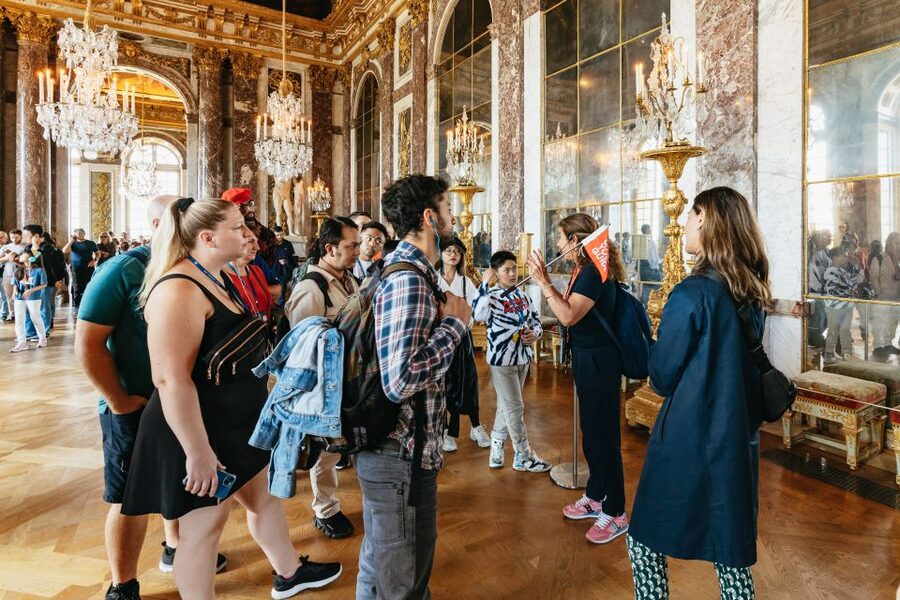
Then comes the room almost everyone has seen in photos, but few people truly understand: the Hall of Mirrors. This is where you connect visual spectacle with political reality. It’s also where major historic events took place, including the Treaty of Versailles. When your guide frames the Hall of Mirrors in historical context, it stops being only a photo stop and becomes a “this is why this mattered” moment.
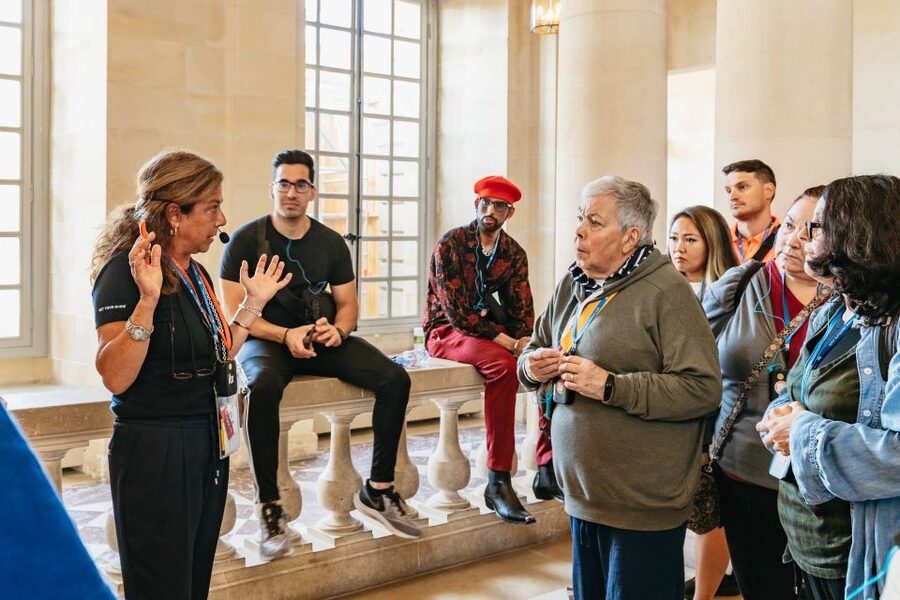
You’ll likely notice that the tour isn’t just about walking past objects. It’s about learning how to look—where to focus, what symbols mean, and why certain rooms are arranged the way they are. Many guides (from Mauro to Nathan to Federico) bring humor and momentum while keeping the facts straight. Some even use a microphone/earpiece setup in crowded rooms, which can be a lifesaver when the palace is packed.
Drawback to keep in mind: this is a guided highlight route, not an everything-route. You’ll leave with a strong foundation, and then you can decide what you want to linger on after the tour ends.
Monarchy stories you can track: Louis XVI to Marie Antoinette
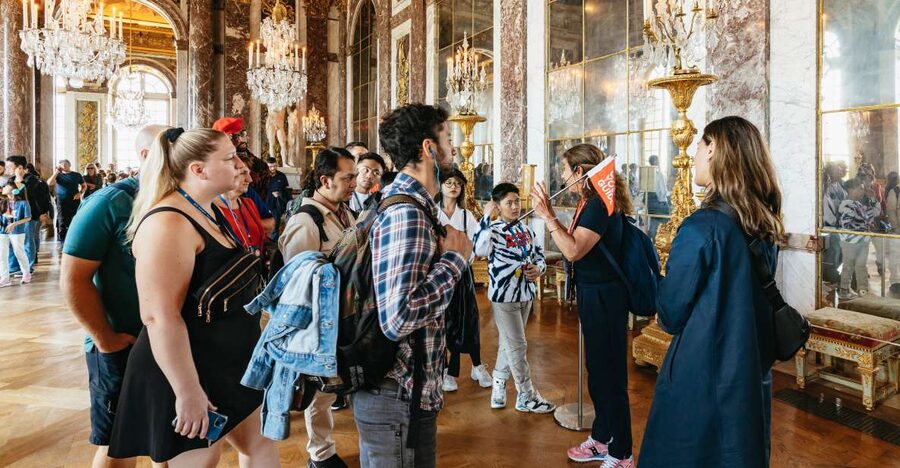
Versailles is storytelling architecture. You can walk through it with no context and still feel awe—but the emotion deepens when you understand who was there and why their lives were tied to these walls.
That’s where this tour wins. You’ll learn about the French monarchy through the lens of key figures like King Louis XVI and Marie Antoinette. Guides often connect their stories to what you’re seeing in front of you, so the palace stops feeling like random rooms and starts feeling like a timeline you can actually follow.
What I like about the approach is how it’s interactive. There are chances to ask questions during the tour, and the guide often answers in a way that turns confusion into clarity. In real groups led by people like Vladina and Federico, the explanations have a way of stitching together themes—court politics, style as power, and how the court functioned day-to-day.
If you’re visiting Versailles for a movie-montage version of history, this tour still works. But if you want more substance—why people lived like this, what the court represented, and how big events shaped the monarchy—you’ll get that too. Several guides have a knack for keeping the pace friendly even when the palace is crowded, and that matters because Versailles can swallow your attention fast.
One practical consideration: the tour is designed around key stops, so if you’re hoping for a free-form, question-heavy seminar on every single painting or niche, you may wish to extend your time after the guided portion.
Gardens and Marie-Antoinette Estate: what’s included by season
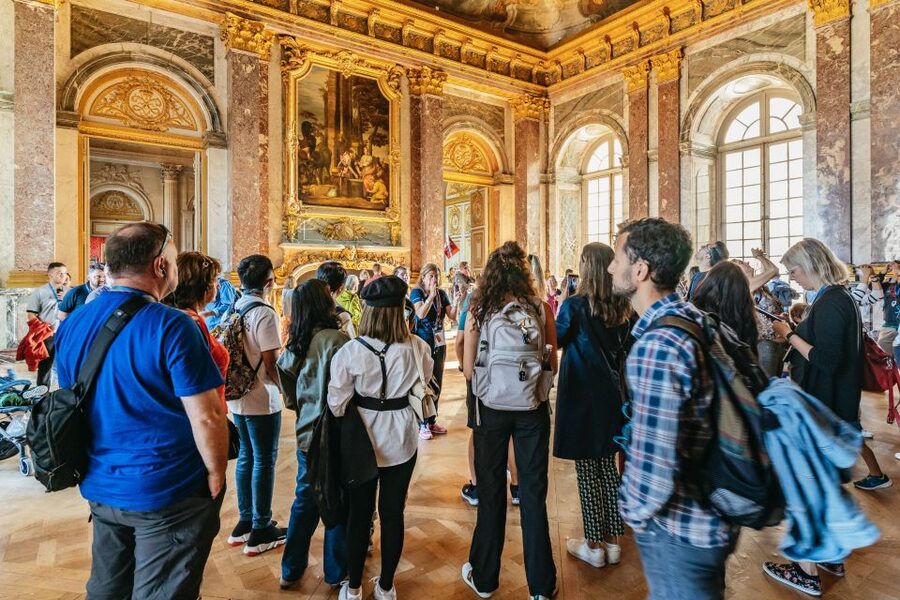
The palace is only half the Versailles story. The grounds matter too. The tricky part is that garden access and extra estate access depend on the season and on the ticket option.
Here’s the clean way to think about it:
- November to March: Garden access is included. During these months, the gardens close early (5:30 PM), and the palace gardens are free in general—so you can still wander nearby even outside the tour if you plan carefully. Marie Antoinette’s Estate access is included only with the All Access option.
- April to October: Garden access is included with musical fountain shows, and Marie Antoinette’s Estate access is included with the All Access option.
Also important: musical fountain shows are not included from November to March, so if you’re traveling in winter and you’re hoping for those set-piece water displays, this specific ticket won’t cover them.
At the end of the official tour, you can usually stay in the palace until closing time. That’s a big deal for value: the guided part helps you understand what you’re seeing, and the extra time lets you slow down in whatever rooms catch your eye.
If you want the Marie Antoinette Estate experience, the decision is straightforward: choose the option that includes it. Otherwise, you’ll be watching your time and energy budget carefully—because walking and wandering at Versailles can eat up hours faster than you think.
Crowd-proofing: pacing, microphones, and keeping your place

Versailles is a crowd magnet. Even with priority entry, you should expect high energy around popular rooms—especially the Hall of Mirrors and the busiest corridors.
The tour’s rhythm helps. Many guides manage the group with a steady cadence and sound systems so you can actually hear instructions even when rooms are packed. You’ll see how that matters when you’re trying to follow arrows and explanations while other visitors are trying to stop, frame photos, and re-check their route.
Another practical win: you’re not forced to rush through everything. Reviews of the experience often mention that the guide keeps things moving while still leaving some room to look at art and furnishings at your own pace. Some groups end the official portion and then get a chance to continue exploring on their own, which is ideal at Versailles because your favorite detail will likely be something you didn’t plan for.
Group size can also affect how enjoyable it feels. In winter, groups have tended to be smaller, which makes the whole thing calmer. In peak seasons, the palace is still busy, but a skilled guide can keep you from losing the plot.
If you’re the type who hates chaos, go in expecting a learning experience, not a quiet museum visit. Then you’ll be pleasantly surprised when the guide’s structure gives you breathing room inside the noise.





Practical tips that make the tour smoother

This is one of those tours where small prep steps pay off quickly.
Wear comfortable shoes. Versailles floor space can feel endless, and the “guided highlights” still involve real walking. Bring a passport or ID card for children. And if you use your phone for photos, note what’s not allowed: food and drinks, pets, weapons or sharp objects, luggage or large bags, and selfie sticks.
About the meeting point and timing: the time on your voucher is the meeting time at the shop, and the tour starts a few minutes later. Late arrivals can mean you lose access and may trigger fees, so treat your meeting time as firm.
Also keep seasonal hours in mind. From October 26 to October 31 and from November to March, the gardens close at 5:30 PM. If you want gardens and not just palace rooms, plan your day so you’re not stuck making a last-minute sprint.
One more reality check: this tour is not suitable for people with mobility impairments, so it’s better to look for a different access-friendly option if that’s relevant for you or someone in your group.
Should you book this Versailles Skip-the-Line Guided Tour?
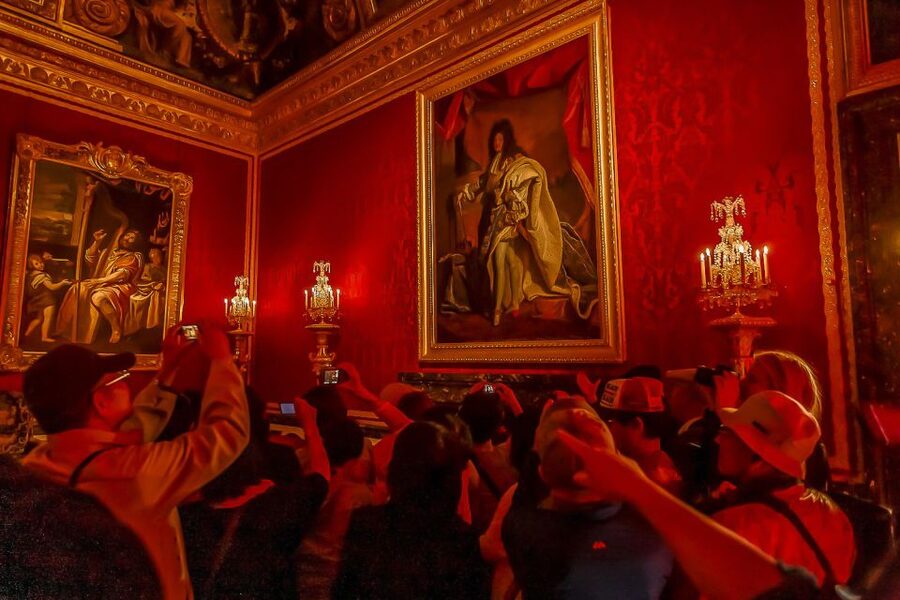
If you have limited time at Versailles, this is a strong booking. For the roughly $76 per person price point, you’re buying three things that are hard to replicate with self-guiding: skip-the-line entry, a structured route through the most important palace rooms, and context that turns sightseeing into understanding.
You should book if:
- You want to see the Hall of Mirrors and the State Apartments without spending your morning in queues.
- You like learning through story, not through a wall of text.
- You want to use the guide to help you pick what to linger on afterward.
You might skip this exact tour if:
- You’re visiting with unlimited time and you’re fine navigating the palace without guided context.
- You’re traveling in a season where gardens or musical fountain shows matter to you, and you haven’t checked whether your ticket option includes what you care about (like the Marie Antoinette Estate).
FAQ

How long should I plan for when I include security and ticketing?
The palace tour lasts about 1.5 hours, but you should budget around 30 additional minutes for ticketing and security flow. Overall duration is typically listed as 90 minutes to 2 hours.
What parts of the Palace of Versailles are included in the guided portion?
You’ll tour the King’s and Queen’s State Apartments and see the Hall of Mirrors, with time built in for questions.
Is garden access included, and does it change by season?
Yes. November to March includes garden access. April to October includes garden access with musical fountain shows. The exact extras you get can also depend on the option you choose.
Does this tour include Marie Antoinette’s Estate and musical fountain shows?
Marie Antoinette’s Estate access is included only with the All Access option. Musical fountain shows are included with garden access for April to October and are not included for November to March.
What should I bring, and what can’t I bring?
Wear comfortable shoes. For children, bring a passport or ID card. Food and drinks, pets, weapons or sharp objects, luggage or large bags, and selfie sticks are not allowed.
Will I still have to wait even with skip-the-line tickets?
The tour uses a separate entrance to skip the main line. That said, during peak times there may still be a short wait at the group entrance.
Is transportation from Paris included?
No. Transfers to and from Paris are not included.
Is this tour suitable for everyone with limited mobility?
No. It’s listed as not suitable for people with mobility impairments.