REVIEW · FLORENCE
Florence: Pitti Palace and Palatina Gallery Ticket and Tour
Book on GetYourGuide →Operated by FLORENCEPASS · Bookable on GetYourGuide
Two hours, one Renaissance palace, and art history clicks. This guided visit takes you into Palazzo Pitti and the Palatina Gallery, where Florence’s Medici power is written into the walls, ceilings, and paintings. If you want your museum time to feel like a story with a beginning and an end, this is one of the better bets in town.
I especially like the chance to see major European names up close, including Caravaggio, plus other standouts such as Rubens. I also love how the tour connects painting to place, so you’re not just looking at art—you’re seeing the palace itself with its frescoes and stucco used as part of the experience.
One possible drawback: the guided portion is paced at museum speed and involves standing and walking through multiple rooms, so it can feel like a long stretch if you need frequent breaks. If you’re older or have mobility limits, plan to go slow with breaks of your own timing.
In This Review
- Key Things I’d Prioritize
- Palazzo Pitti and the Palatina Gallery: More Than a Museum Stop
- Meeting on Piazza Pitti: Getting Oriented Fast
- What the 110-Minute Guided Tour Actually Does For You
- Palatina Gallery Rooms: How to Look Like You Mean It
- The Big Names: Caravaggio, Rubens, and the European Mix
- Frescoes and Stucco: Why the Rooms Matter as Much as the Paintings
- After the Tour: Keep Exploring Palazzo Pitti on Your Own
- Value, Price, and Whether 110 Minutes Is Enough
- Logistics You Should Plan For (Without Stress)
- Who This Tour Suits Best
- Should You Book the Florencepass Palatina Gallery Tour?
- FAQ
- Where is the meeting point for the tour?
- How long is the guided tour?
- What’s included with the ticket?
- Can I take photos?
- Are large bags allowed inside Palazzo Pitti?
- Is the tour language English, and can I keep exploring after?
Key Things I’d Prioritize
- Skip-the-line access into the Palatina Gallery so you lose less time to queues
- Medici-era context for how these rooms and collections shaped power in Florence
- Caravaggio and Rubens on the same route, with guides pointing out details you might miss
- Frescoes + stucco that turn the palace into part of the “art program”
- 110 minutes with a finish line, then time to explore at your own pace
- A ticket that lets you keep going through other Pitti Palace museums after the tour
Palazzo Pitti and the Palatina Gallery: More Than a Museum Stop
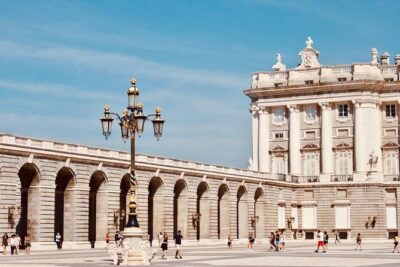
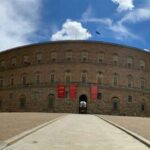
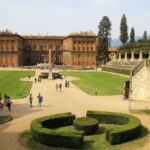
Palazzo Pitti is one of those Florence addresses that tells you, without words, that this wasn’t built for modest living. It’s the former residence of the grand-dukes of Tuscany, and later it became a royal site, which helps explain why the scale is so commanding. The Palatina Gallery inside is the second most important Florentine painting gallery after the Uffizi, and that reputation isn’t just marketing.
What makes this ticket-and-tour setup practical is the pacing. You get a guided route for about two hours, which helps you pick the best rooms and works. Then you can wander afterward without needing to translate the whole palace alone.
For art lovers, the upside is that the Palatina Gallery is not only about one style or one era. You move through rooms linked to Renaissance display tastes while also landing on major European painting traditions. For people who find big museum collections overwhelming, a guide is often the difference between random viewing and real understanding.
You can also read our reviews of more tours and experiences in Florence.


Meeting on Piazza Pitti: Getting Oriented Fast
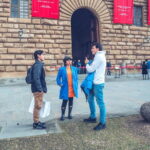
You meet your guide on Piazza Pitti, outside the central and main entrance of Palazzo Pitti. That’s a nice setup because you’re placed at the one big, recognizable access point rather than wandering around trying to find a side door.
From a practical point of view, this matters. Palazzo Pitti is large, and you can easily waste energy figuring out where your rooms are before the tour even starts. Meeting at the main entrance helps you settle in quickly and start seeing the palace as a sequence, not as disconnected rooms.
Also, the tour is in English and is wheelchair accessible, which makes it easier to plan with confidence if you’re coordinating mobility needs.
What the 110-Minute Guided Tour Actually Does For You
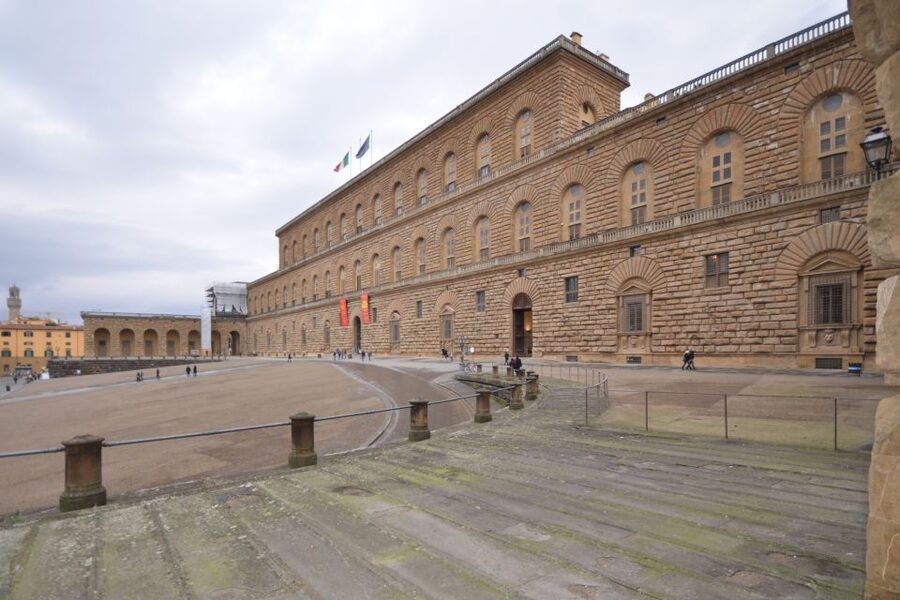
This experience is built around a 2-hour guided tour that includes entry to the Palatina Gallery. The goal is clear: you follow your guide through the most important rooms and paintings, with explanations that connect artwork to the palace setting.
This kind of timing is a sweet spot. It’s long enough to cover real themes—how artists built images, why certain subjects mattered, and what techniques you can learn to notice. It’s short enough that you’re not stuck in museum mode until closing time.
The tour format also works well for questions. In the feedback I see echoed again and again, guides handle questions and go beyond surface descriptions—adding historical and political context, not just pointing out names. If you’re the type who asks why a detail looks the way it does, this is exactly the environment where those questions can turn into mini-lessons.
Palatina Gallery Rooms: How to Look Like You Mean It
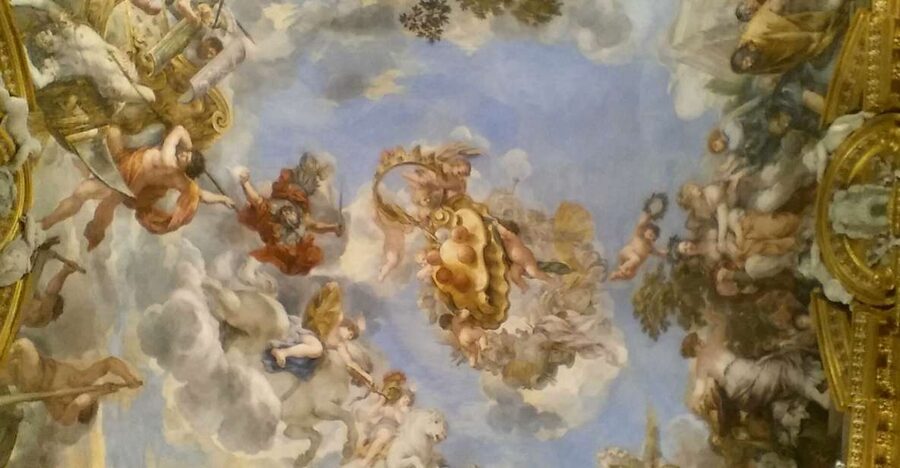
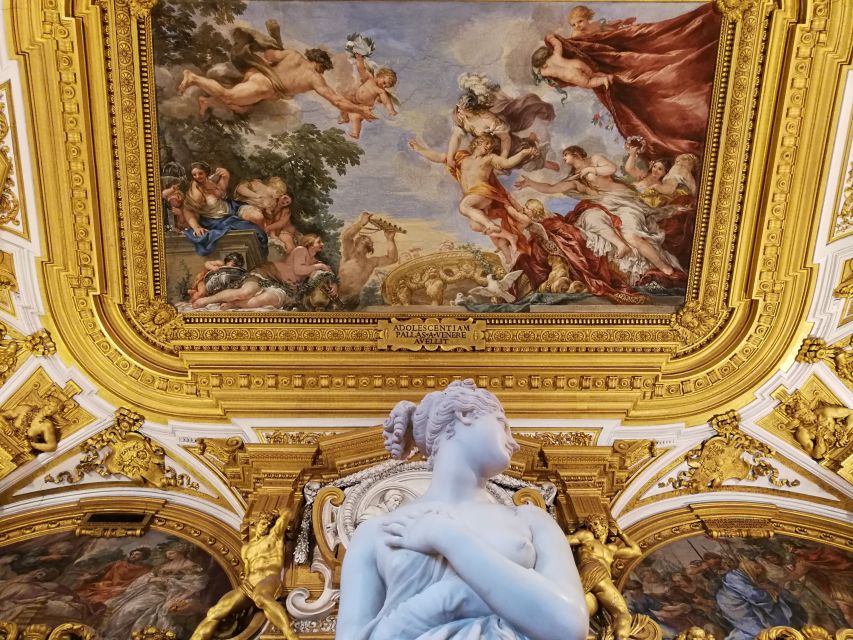
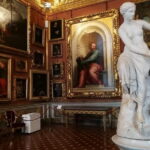
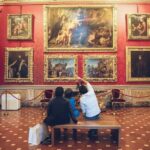
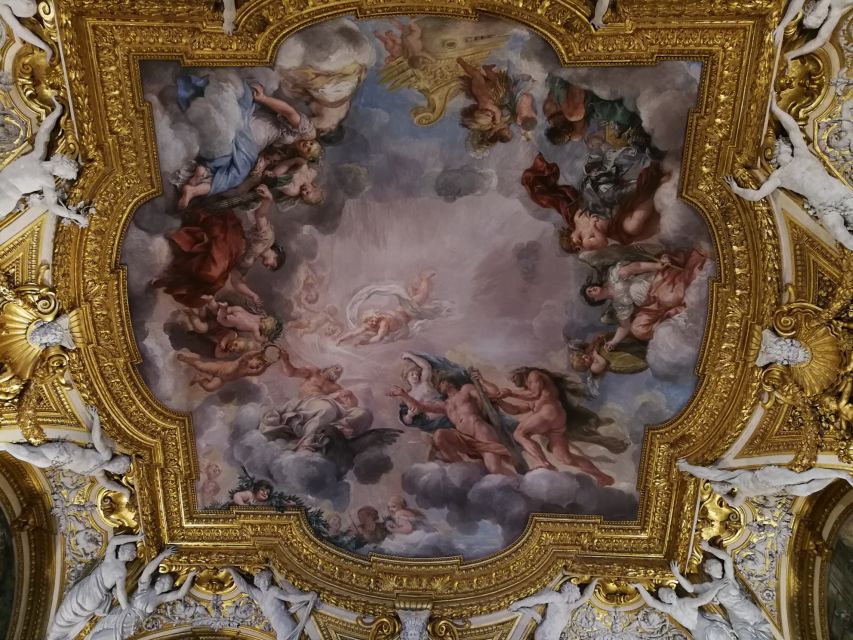
Once inside, your route moves through fantastic Renaissance palace rooms. You’ll see walls and ceilings decorated with frescoes and stucco, which is more than decoration. In a palace like this, the art program was designed to impress visitors and reinforce status, so the architecture and paintings work together.
A good guide helps you slow down in the right places. Instead of treating every painting like the same kind of stop, you’ll learn how to read the visual choices—composition, lighting effects, and how figures are posed to create meaning. This is where your museum experience changes.
Here’s what I think you should pay attention to as you go:
- Look for how a painting’s lighting and facial expressions do the storytelling work.
- Notice how different artists handle movement, texture, and dramatic contrast.
- Pair what you’re seeing on canvas with what you’re seeing in the rooms around it.
It’s easy to think of museums as a checklist. This tour nudges you toward seeing it as an argument: here’s how power was displayed, and here’s how artists helped sell that message.
The Big Names: Caravaggio, Rubens, and the European Mix
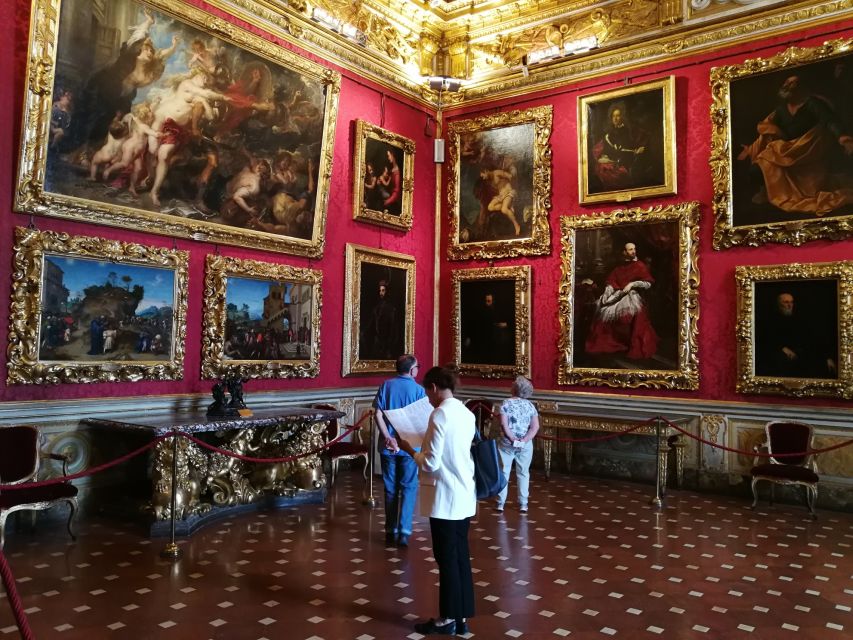
The Palatina Gallery is famous for big European painting names, and this tour specifically calls out major artists like Caravaggio and Rubens. That matters because these aren’t faint, background artists. They’re artists with distinct styles and strong visual signatures.
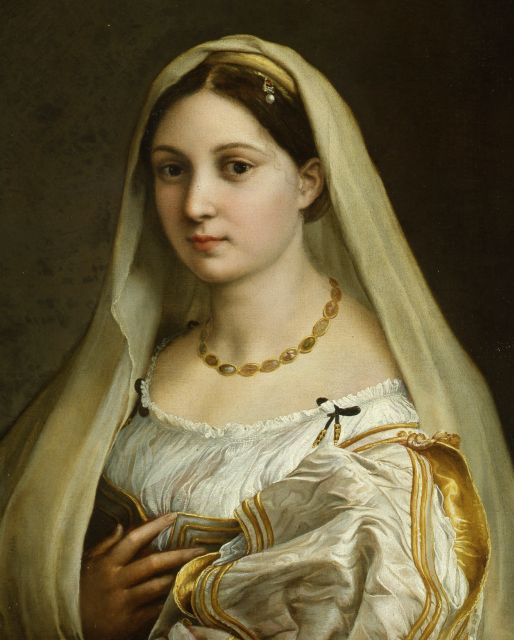
You’ll also hear about and see works connected to other major Renaissance figures, including Raffaello (Raphael) and Tiziano (Titian). Even if you’re not a card-carrying Renaissance nerd, you’ll likely start noticing patterns in technique—how certain painters build emotion, how others emphasize form, and how the use of color and contrast can change the mood of the entire scene.
One underrated benefit of a guided visit is that it trains your eye. You might walk in thinking you’ll just recognize a few famous works. You walk out more able to tell what makes each painter different, and why the choices they made weren’t random.
If you get a guide who adds the historical and political angle—Medici family context, palace motives, and why these works belonged here—that’s when the gallery stops feeling like a random warehouse of masterpieces. It starts feeling like a system.

Frescoes and Stucco: Why the Rooms Matter as Much as the Paintings
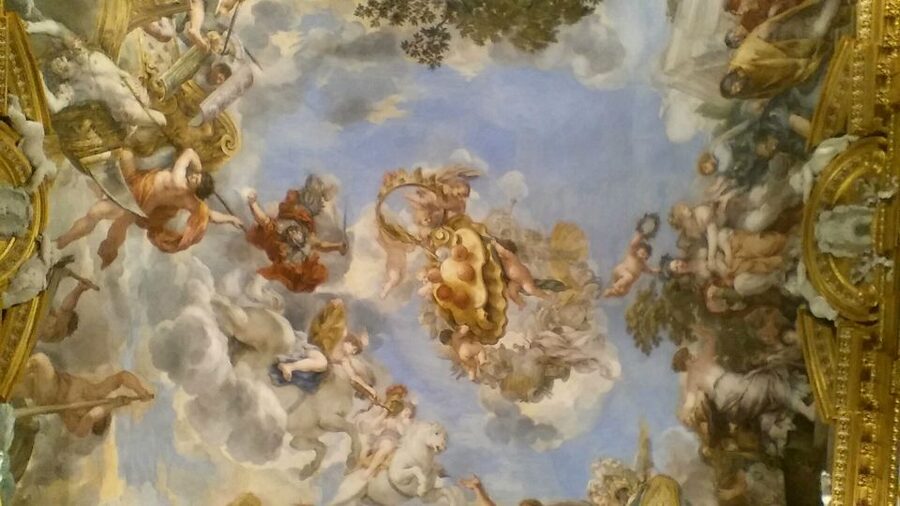
In Florence, the best art experiences often come from realizing the building is part of the show. The palace rooms here are decorated with extravagant frescoes and stucco, and the guide’s job is to help you see how those decorative elements shape the overall experience.
It’s not just pretty. Fresco and stucco are display technologies. They create theatrical settings where paintings look even more dramatic, and where visitors are meant to feel surrounded by prestige.
So when you see ceilings and ornate plasterwork, don’t rush past it. Try to notice how the decoration directs your attention—where your eyes go first, what frames what, and how the room’s look matches the kind of painting being displayed.
That added awareness can make your self-guided time afterward more rewarding, because you’ll already understand the visual logic of the palace.
After the Tour: Keep Exploring Palazzo Pitti on Your Own
Once your guided portion ends, you’re free to browse at leisure. This is where you can slow your pace and pick what you want to linger on.
Your ticket also includes access beyond the Palatina Gallery experience. After the guided route, you can visit:
- The Treasure of the Grand Dukes on the ground floor
- Galleria d’Arte Moderna on the top floor (Italian art from the 18th and 20th centuries)
That’s a smart add-on, because it prevents the day from becoming a one-track museum visit. You get the palace-and-Renaissance focus first, then you can shift to different time periods without buying separate tickets.
If you’re the type who likes to compare eras—how display changes from one century to another—this structure gives you that contrast in a single complex.
Value, Price, and Whether 110 Minutes Is Enough
The price listed is $80 per person, and the real question is whether you feel that money buys you time and understanding.
For me, the value case comes from three factors:
- You skip the ticket line, which saves time in a place that can have crowds.
- You get a full guided art-history experience for about 110 minutes, not just a quick orientation.
- You’re handed enough context to make your solo wandering afterward more useful, not less.
If your plan is to sprint through museums, a guided tour won’t feel worth it. If your plan is to actually learn how to look—at paintings, at technique, at the way the Medici residence shaped what you see—then $80 can feel like money well spent.
Also, the overall rating is extremely high, with 4.9 out of 5 from 255 reviews. The specific praise patterns point to a strong guide-led experience: people repeatedly mention deep context, strong explanations, and guides who answer questions. That kind of consistency is a good sign that you’re paying for teaching, not just entry.
Logistics You Should Plan For (Without Stress)
A few rules can affect how pleasant the visit is:
- No flash photography (non-flash photography is allowed)
- No luggage or large bags inside; big items must go in the cloakroom
- All large bags, rucksacks, and big umbrellas should be left in the cloakroom
This is worth taking seriously because it affects what you carry while touring. If you travel with a big daypack, you’ll want to pack smart before heading in.
One more small practical note: this is a palace with multiple rooms, so it’s not the kind of visit where you sit every few minutes. If you prefer minimal standing, plan to use breaks during the self-guided time afterward.
Who This Tour Suits Best
This is best for you if:
- You want major art names plus context, not just wall labels
- You’re visiting Florence for a limited number of days and want efficient museum time
- You like asking questions and hearing about technique, not only stories
It’s also a good pick if you’re worried you won’t understand what you’re seeing. A guide helps you see the difference between what’s merely impressive and what’s actually meaningful.
If you’re the type who loves museums but hates structured routes, you might find the guided portion leaves you wanting more freedom sooner. In that case, treat the tour as your “prime rooms” selection, and then make the most of the rest time.
Should You Book the Florencepass Palatina Gallery Tour?
I’d book this if you want a high-impact introduction to Palazzo Pitti’s painting collection and the palace setting that frames it. The guided timing is long enough to teach you how to look, and the ticket value continues afterward with other sections of the museum complex.
Skip it only if you’re planning to treat museums like a photo walk and you don’t want instruction. In Florence, art history can either feel like noise or like a language. This tour is built to make it feel like language.
If you like strong guides, keep an eye out for those names that show up often in positive feedback—people mention guides like Camilla, Maurizio, Daniela, and Roberta—because the tour style they’re praised for is exactly the style that turns paintings into stories you can actually remember.
FAQ
Where is the meeting point for the tour?
Meet your guide on Piazza Pitti, outside Palazzo Pitti at the central and main entrance.
How long is the guided tour?
The duration is 110 minutes (about 2 hours).
What’s included with the ticket?
Your booking includes a 2-hour guided tour including the Palatina Gallery and entry ticket.
Can I take photos?
Flash photography isn’t allowed. Non-flash photography is allowed inside the museums.
Are large bags allowed inside Palazzo Pitti?
No. Luggage or large bags are not allowed, and you must use the cloakroom for big items.
Is the tour language English, and can I keep exploring after?
Yes, the live tour guide is English. After the guided section, you can continue exploring on your own, and your ticket is valid for all Pitti Palace museums during your visit.