REVIEW · FLORENCE
Pitti Palace, Palatina Gallery and the Medici: Arts and Power in Florence.
Book on Viator →Operated by FlorencePass · Bookable on Viator
Medici power lives inside these walls. This small-group visit to Pitti Palace and the Palatine Gallery lets you connect famous art to how the Medici family used culture as political muscle.
I love the mix of timed entry that helps you skip the lines and a relaxed max 14-person group with earsets when needed. I also like that the gallery is shown room-by-room for how it looks and feels, not a museum-style march through time.
One possible drawback: this tour is strongly art-first. If you’re hoping for lots of original room furnishings or a deep, lifestyle-heavy Medici story, you may want to pair it with extra time exploring on your own.
In This Review
- Key things to know before you go
- From Piazza Pitti into the Medici palace story
- Palazzo Pitti: why the building size changes how you see the art
- The Palatine Gallery: art arranged for the eyes, not a timeline
- Raphael, Caravaggio, Rubens, and the Medici habit of collecting power
- How the guide makes the palace feel less like a checklist
- Windows and views: Santo Spirito and the Boboli Gardens
- Where the tour ends and what to do next
- Price and value: is $82.27 a smart buy in Florence?
- Who should book this tour (and who might prefer something else)
- Should you book the Pitti Palace, Palatine Gallery, and Medici tour?
- FAQ
- How long is the Pitti Palace and Palatine Gallery tour?
- Is the tour offered in English?
- What’s the group size?
- Does it include admission and skip-the-line entry?
- What art and artists will I see?
- Are food and drinks included?
- Can I cancel for a refund?
Key things to know before you go
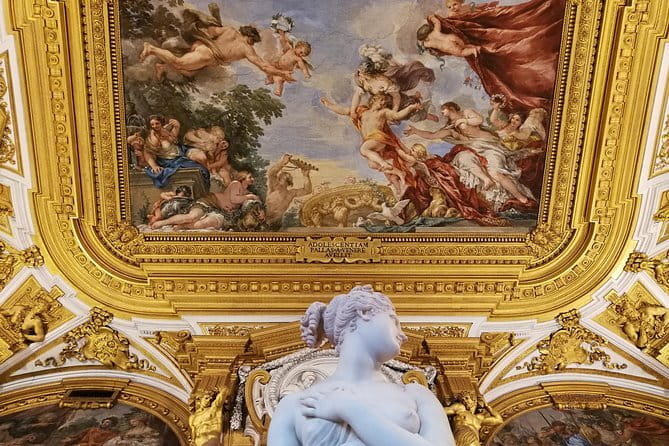
- Timed entry plus line-skipping means you spend more time looking at paintings and less time waiting at entrances.
- Small-group format (14 max) keeps the pace human and makes questions easier.
- Palatine Gallery rooms are arranged for aesthetics, not strict chronological order.
- Big artist names on the walls include Raphael, Caravaggio, Titian, Rubens, and Pietro da Cortona.
- Views from inside include Brunelleschi’s Santo Spirito Basilica and the Boboli Gardens.
- A guide who can explain technique as well as history makes the art feel less distant.
From Piazza Pitti into the Medici palace story
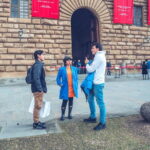
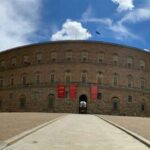
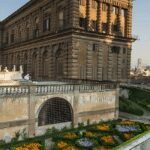
Your tour starts outside Palazzo Pitti at Piazza de’ Pitti, 1, in central Florence. Before you step in, your guide sets the stage with what you’re looking at and why this palace mattered. Even if the exterior doesn’t look like Florence’s prettiest postcard, the location and scale clue you in fast: this was meant to project power.
Then you move straight into the building and get a real sense of the palace’s ambition. Palazzo Pitti is described as the biggest palace ever built in Florence, and that word matters. It’s not just “a palace”—it’s a statement. You’ll feel it as you walk through the spaces, where the Medici used grandeur to display authority and taste.
Practical tip: plan to arrive a few minutes early. The meeting point is simple, but you’ll want everyone ready so you don’t lose the flow right at the start.
You can also read our reviews of more tours and experiences in Florence.

Palazzo Pitti: why the building size changes how you see the art
Stop two is all about the palace itself, and that’s smart. Here’s the thing: when you walk into an artwork-dense museum without context, you end up with a blur of names and dates. This tour uses the palace architecture and history to slow you down and make the art make sense.
You’ll hear the Medici story in the timeframe that counts here: they took over the palace in the 16th century and ruled until their fall from power in the 18th century. That arc is helpful because it frames the art collection as something built for influence, not just decoration.
You’re also shown the palace in the way guides want you to see it—through how the rooms connect and how the collection filled the space. In other words, you start understanding why the Palatine Gallery feels like you’re walking through an elite home turned into a cultural headquarters.
The Palatine Gallery: art arranged for the eyes, not a timeline
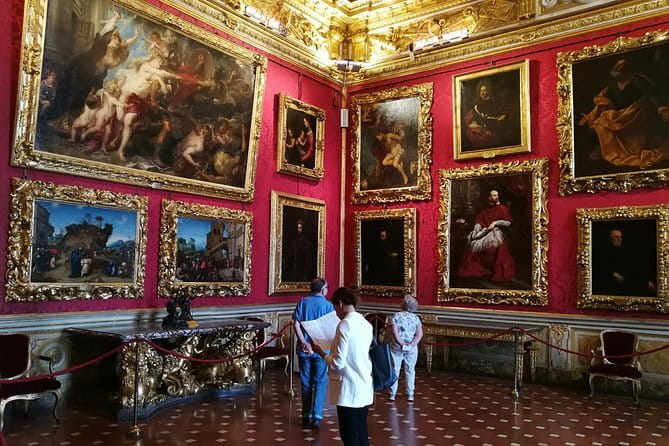
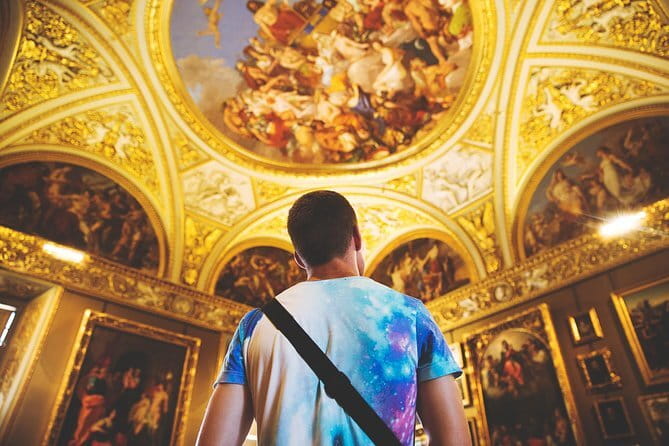
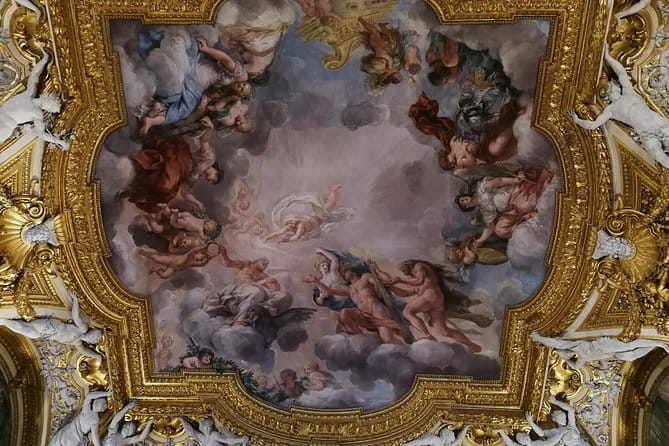
Now you hit the main event: the Palatine Gallery inside the Pitti Palace. This is the heart of the tour, with about 1 hour 30 minutes devoted to guided viewing.
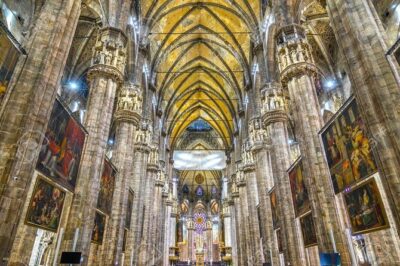
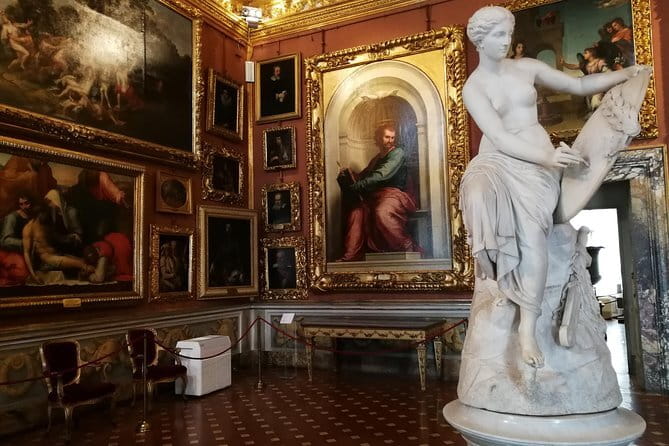
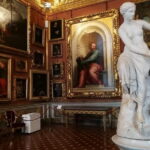
The layout is not chronological. That sounds like a boring detail, but it actually affects your experience. You’re not being forced to see painting history in a straight line. Instead, the rooms are arranged for visual impact, so the art feels like part of a lived-in environment—exactly the idea when you’re touring spaces once used by the Medici as Grand-dukes’ apartments.
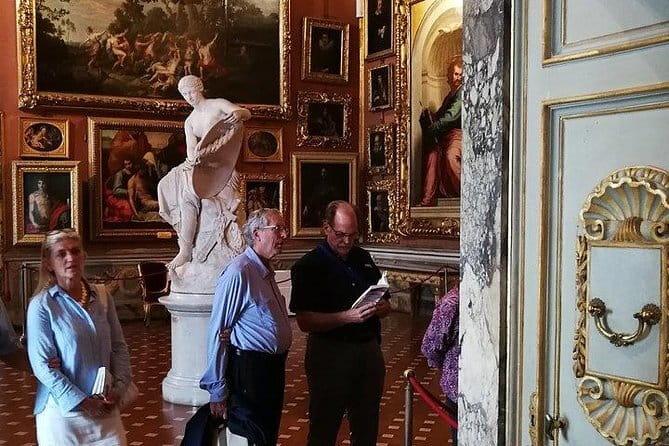
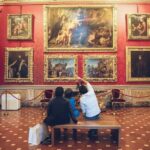
Also, this is a painting-heavy place. You’ll be in rooms where hundreds of paintings cover the walls. Without a guide, that much art can overwhelm you into autopilot. With a guide, you get choices: what to look at first, what to compare, and what to notice that you’d otherwise miss.
If you’re the type who likes to ask questions, the small-group setup helps a lot. Earsets are included, and when there are 4+ participants, you’ll wear them so you can actually hear the guide without leaning into someone’s shoulder.
Raphael, Caravaggio, Rubens, and the Medici habit of collecting power
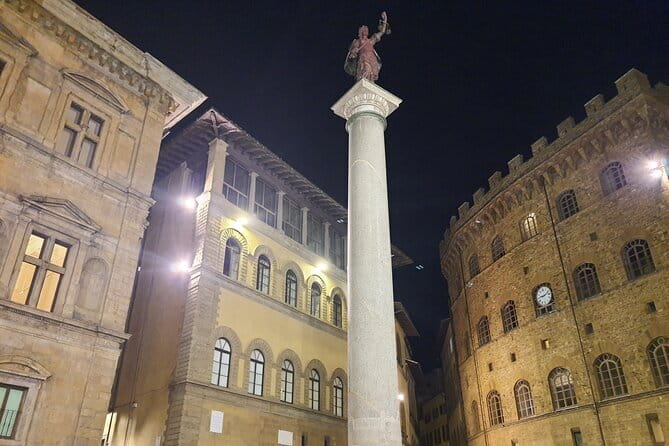
This tour centers on paintings assembled by the Medici. You’ll see works by major artists including Raphael, Caravaggio, Titian, Pietro da Cortona, and Rubens. The guide ties each piece back to the Medici world—why it fit the palace, what it communicated, and how it reflects the family’s reach.
What I like about the way this is taught is that it’s not only about the name on the label. You’ll get stories and technique explanations—how the painter builds drama, how light and color do the heavy lifting, and what details signal status or ambition.
It’s also a reminder that the Medici didn’t become famous only by owning land. Their influence spread through patronage—through choosing artists, supporting workshops, and building a collection that could impress visitors and reinforce legitimacy.
And yes, you’ll spot variety. You’re not limited to one “look.” The collection includes Renaissance and Baroque power, and the shift in style makes the rooms feel like a living timeline of tastes—just not in a strictly date-ordered way.
How the guide makes the palace feel less like a checklist
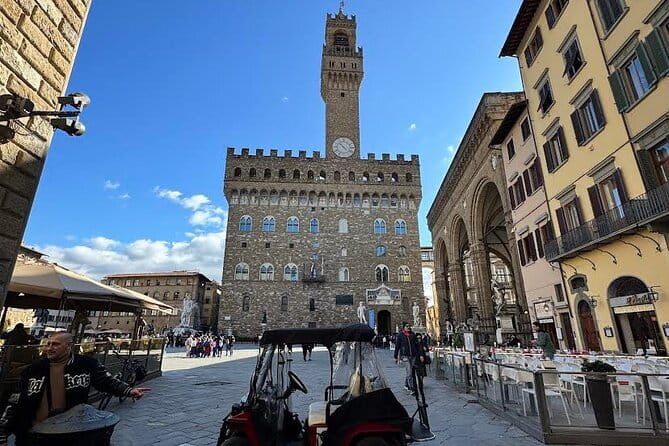
What really elevates this tour is the “with your eyes” teaching style. Instead of delivering a nonstop lecture, a good guide helps you see connections.
I’ve found that the biggest difference here is when the guide can talk about art from both angles: history and making. Some guides have backgrounds tied to restoration, which means they can explain what you’re looking at in practical terms—how pigment and surfaces create the effects you see, and what an artist likely intended.
For you, that translates into a better payoff in a short visit. Two hours can feel rushed in Florence if you’re not sure what to prioritize. Here, you’re steered toward the most compelling pieces and away from aimless wandering.
Small-group also helps with attention. In a crowd, you’re reduced to filming tips. In a small group, you can get answers to the questions that naturally pop up when you’re staring at a masterpiece and wondering why it feels so dramatic.

Windows and views: Santo Spirito and the Boboli Gardens
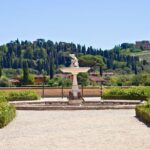
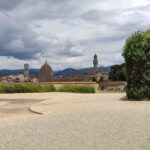
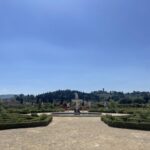
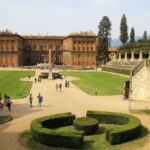
One of the nicest surprises comes when you pause for the palace’s perspective. From inside, you can catch views of Brunelleschi’s Santo Spirito Basilica and the Boboli Gardens.
This is more than scenery. It’s a reminder that this art collection sits in a wider Medici ecosystem. The palace wasn’t isolated. It connected to gardens and landmarks that reinforced the family’s idea of refined control—public-facing beauty, even when the interior felt intensely private.
If you’re planning your day, use those windows to orient yourself. You’ll know what direction other parts of the estate connect to, which makes any later self-guided wandering feel less random.
Where the tour ends and what to do next
Your tour concludes back inside the gallery area, and you’re free to keep exploring after the guide finishes. That matters because Pitti and the Palatine Gallery can be dense. Even with a guided highlight route, you may still want to return to one or two rooms and look longer, now that you know what to focus on.
This is also a good moment to shift modes. Before the tour, you see a lot of art. After the tour, you start seeing patterns—choices the Medici made, the way rooms were staged, and why certain masterpieces were treated like centerpieces.
Price and value: is $82.27 a smart buy in Florence?
At $82.27 per person, this isn’t a bargain-basement museum ticket. But the price is for more than entry.
What you get for your money:
- Timed entry into Pitti Palace and the Palatine Gallery
- Bypassing the main entrance lines
- A licensed English-speaking guide
- A small group capped at 14
- Earsets for clearer listening when the group size is larger than a few people
There’s also a practical value angle. The palace entrance ticket is listed at €19, and your tour fee adds the guide’s interpretation plus the timed-entry handling that reduces wasted time. In a city where lineups can eat your day, that time-saving piece is real value.
Also, the content is concentrated. You’re not spending half your time traveling or outside waiting. You’re inside, looking at the core collection with explanations that help you understand what you’re seeing.
So the real question isn’t just cost—it’s whether you’ll use the guide effectively. If you want names and dates, you’ll get them. If you want to understand technique and how art supports power, you’ll get a lot more.
Who should book this tour (and who might prefer something else)
I’d tell you to book this if:
- You want to see major Renaissance and Baroque art by Raphael, Caravaggio, Rubens, and Titian in one focused visit.
- You like learning how a collection reflects political power, not just artistic style.
- You prefer a manageable pace with max 14 people and a guide who can handle questions.
I’d think twice if:
- You’re expecting a Medici-history-heavy performance with lots of original furnishings and home-life details. The focus here is mostly the art and what it meant to the Medici.
- You don’t want to prioritize paintings. This is not primarily a decorative-architecture tour.
Should you book the Pitti Palace, Palatine Gallery, and Medici tour?
If your Florence plan includes the Palatine Gallery anyway, this is one of the better ways to do it. The timed entry, the small group, and the guide-led way of handling a room full of hundreds of paintings add up quickly.
I’d recommend it especially if you want the palace to make sense in a short time. Start with the guide, absorb the Medici context, and then use your extra time afterward to linger where your interests peak—Raphael if you want structure, Caravaggio if you want drama, Rubens if you want scale, and so on.
If you’re still on the fence, pick the reason you’re going: art, Medici politics, or both. This tour does both, but it gives the art the main spotlight.
FAQ
How long is the Pitti Palace and Palatine Gallery tour?
It’s listed as about 2 hours.
Is the tour offered in English?
Yes, it’s offered in English.
What’s the group size?
The experience is small group with a maximum of 14 participants.
Does it include admission and skip-the-line entry?
Yes. You get a timed entry ticket and the tour is designed to bypass the lines at the main entrance.
What art and artists will I see?
You’ll see works by artists including Raphael, Caravaggio, Titian, Pietro da Cortona, and Rubens.
Are food and drinks included?
No. Food and drinks are not included.
Can I cancel for a refund?
Yes. Free cancellation is available, and you can cancel up to 24 hours in advance for a full refund.