REVIEW · LONDON
Buckingham Palace, St James Palace & Tea at Kensington Palace
Book on Viator →Operated by Top Tasting Tours · Bookable on Viator
Three palaces in one afternoon. You’ll get the best kind of London day: small-group royal walking plus high tea on Kensington Palace grounds.
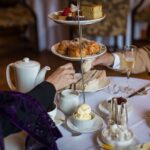
I love how the guide steers you away from the loud crowd mood near Green Park and shows quiet lanes that make the whole area feel more real. I also like that your afternoon tea includes sandwiches, Welsh scones, and cakes, served with a private table setup.
One thing to consider: this is paced as a sightseeing walk with short stops, and palace interior access is only included if you select the state-rooms option at checkout.
In This Review
- Key highlights to know before you go
- Why this royal walk works (and how to get value from it)
- The first stretch: Green Park starting point and finding calm
- St James’s quarter: aristocrats, politics, and side-street London
- Spencer House: a refined town house with royal-family DNA
- The Mall and St James Palace area: what you can actually see
- Clarence House: John Nash design and a royal preference story
- Buckingham Palace surroundings: the site history you don’t expect
- Wellington Arch and the memorial stops: a quieter London side
- Wellington Arch
- Bomber Command Memorial
- Apsley House to Royal Albert Hall: architecture and performance culture
- Apsley House
- Royal Albert Hall
- Albert Memorial to Kensington Palace: from Victorian tribute to palace storytelling
- High tea at Kensington Palace Orangery: what you’ll actually eat and how to enjoy it
- The menu basics (with dietary options)
- Service style that makes it feel worth it
- Alcohol
- How to pace your day so it feels fun, not rushed
- Who this tour fits best
- Should you book Buckingham Palace, St James Palace & Tea at Kensington Palace?
- FAQ
- How long is the tour?
- Where does the tour start and end?
- What is the group size like?
- What is included in the high tea?
- Are dietary restrictions possible?
- Is entrance to palace state rooms included?
- Do you need to buy tickets for public transport?
Key highlights to know before you go
- Maximum 10 travelers (often 4–6): enough personal attention without feeling stuck in a huge bus-group.
- Clever shortcut feel near Green Park: the walk starts with calmer side streets and discreet passageways.
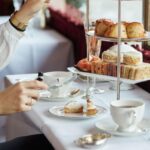
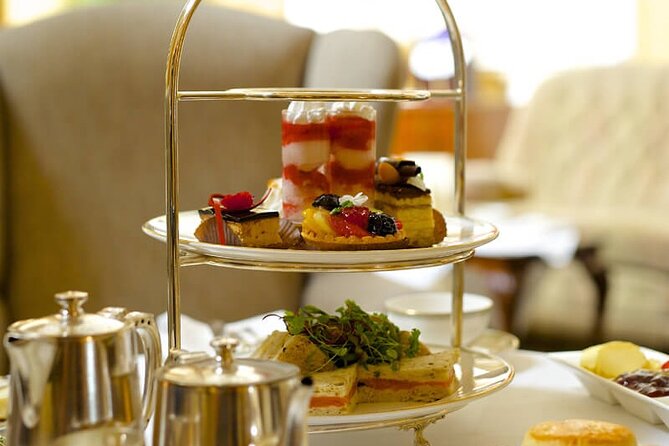
- True afternoon tea, included: finger sandwiches, Welsh scones with clotted cream and strawberry jam, plus seasonal cake selection.
- Tea at Kensington Palace Orangery: your ending is not a generic café stop—it’s on the palace grounds.
- Photo stops with story context: quick looks at Buckingham Palace and St James’s, paired with details you’d miss alone.
- Optional state-room entry: if you choose it at checkout, you can add more than just the exteriors.
Why this royal walk works (and how to get value from it)
This tour is built for people who want royal London, but don’t want to spend the whole day doing lines and logistics. You spend about 2 hours on foot, seeing a tight cluster of major royal sites—Green Park, the St James’s area, Buckingham Palace surroundings—and then you finish with high tea at Kensington Palace.
The price—$173.45 per person—is easier to swallow when you look at what’s actually included. You’re paying for a guided walk, a small-group experience, and a real afternoon tea meal. That’s the “value core” of this outing. If you only wanted exterior photos of palaces, you could do that on your own for less. But if you want stories, timing, and a proper tea finish without hunting for it, this is a good deal.
Also, there’s a human factor. The guide is a major part of the reviews, and names like Simon, David, and Tom come up with the same theme: clear storytelling and the ability to explain royal and London details in a way that fits different ages and interests. That matters, because short stops only work if the guide makes them meaningful.
You can also read our reviews of more tours and experiences in London.
The first stretch: Green Park starting point and finding calm
The experience begins at Green Park near the Piccadilly Underground area. Green Park is formally tied to Upper St James Park, and the tour’s first move is smart: you head away from the densest crowd zones.
What I like about this start is that it gives you a mental win fast. London can feel like constant motion and noise. The guide’s approach helps you get your bearings and then spot the smaller, quieter routes that connect you to the St James’s side of the royal district.
You won’t be looking at one big “must-see” monument for a long time. Instead, this is more like setting your internal map: parks, side streets, and discreet passages that make the later palace landmarks easier to understand.
St James’s quarter: aristocrats, politics, and side-street London
From Green Park, you move into St James’s, the main aristocratic quarter of London. This area has a reputation for prestige, but what you’re learning here is more specific: landed gentry and political classes rubbing shoulders in places that started as chocolate houses and taverns, then evolved into prestigious clubs in the seventeenth century.
Even though your stop time is short, the way the guide frames it is the point. You’re not just passing buildings—you’re being told how the neighborhood’s social life changed over centuries. That turns a quick walk into something that feels like you’re reading the city rather than just watching it.
You’ll also get a chance to see how the St James’s zone connects to nearby grand residences—so when you later reach places like Clarence House, it doesn’t feel random.
Spencer House: a refined town house with royal-family DNA
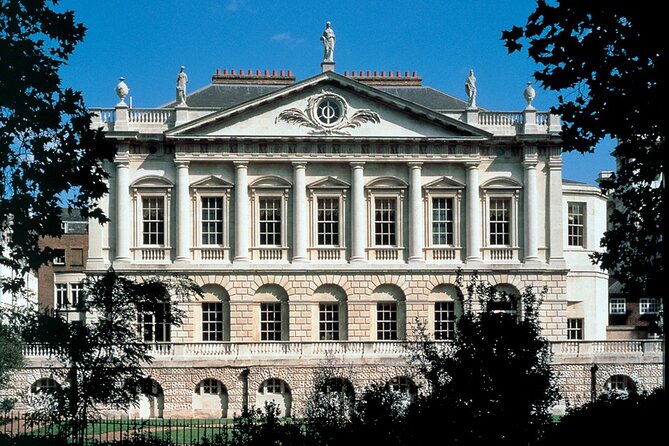
One stop you shouldn’t rush past is Spencer House. It sits at the end of a small street and is described as London’s finest surviving eighteenth-century town house, built 1756–1766 for John, first Earl Spencer.
Here’s the royal connection that makes it more than architecture trivia: John Spencer was an ancestor of Diana, Princess of Wales (1961–1997). If you’re even lightly interested in the modern royal story, that bridge helps you see why certain families and homes keep showing up across London.
A quick consideration: because this is a short stop, you’ll want to keep your camera ready but also listen for what makes the building notable. The payoff comes from the guide’s framing, not from lingering silently.
The Mall and St James Palace area: what you can actually see
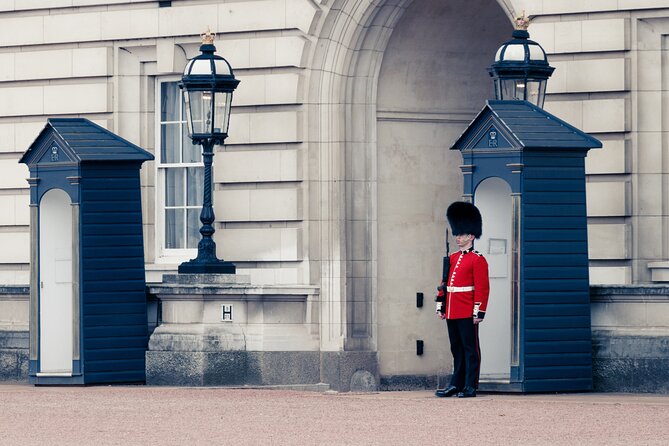
As you continue, you reach The Mall, and you also get context around St James Palace. This palace is described as the official London royal palace and something the public can’t just freely tour. But there are entry points if you happen to align your visit with Sunday services at the Chapel Royal and the Queen’s Chapel.
That’s a key planning reality for your day: this tour focuses on guided viewing and stories, not a full day of palace ticketing at every stop. If your dream is to walk through grand interiors at multiple palaces, you’ll need to treat this as a guided exterior-and-context experience unless you’ve added any optional interior access at checkout.
Still, St James Palace is the kind of place where the right explanation makes a quick pass feel worth your time.

Clarence House: John Nash design and a royal preference story
Next up is Clarence House, built between 1825 and 1827 and designed by John Nash. The tour ties it to the Duke of Clarence, who later became King William IV (reigned 1830–1837).
What’s interesting isn’t just the dates. It’s the lived detail: William IV preferred Clarence House over St James’s Palace because St James’s was too cramped for his tastes. That’s the kind of small human fact that turns a building into a story.
If you’re the type who likes to connect royal facts to real reasons—space, comfort, practical choices—this stop is satisfying even if it’s brief.
Buckingham Palace surroundings: the site history you don’t expect
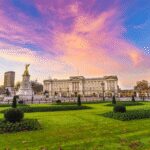
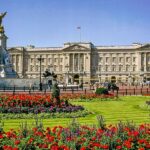
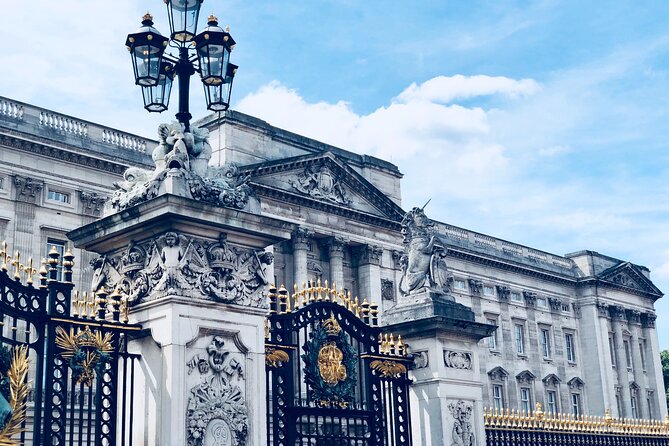
You’ll then reach Buckingham Palace area, and here the guide’s facts do a lot of work. The site wasn’t born royal. In the Middle Ages it was part of the Manor of Ebury (also called Eia), watered by the river Tyburn. The river still flows below the courtyard and the south wing area.
You also hear how the marshy ground shaped the place: where the river was fordable at Cow Ford, a village called Eye Cross grew. Ownership changed hands many times, including figures like Edward the Confessor and Edith of Wessex in late Saxon times. After the Norman Conquest, William the Conqueror gave the site to Geoffrey de Mandeville, who bequeathed it to the monks of Westminster Abbey.
This is why I think this walking tour is worth it. Without a guide, Buckingham can feel like a single iconic façade. With the context, you understand the ground underneath the glamour.
Wellington Arch and the memorial stops: a quieter London side
After the palace-focused stretch, the route shifts into landmarks that add variety and a different emotional tone.
Wellington Arch
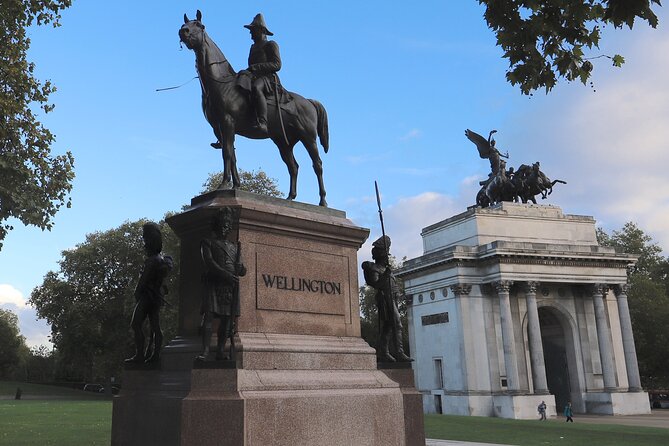
You cross to Wellington Arch, designed by Decimus Burton in 1828. The arch includes a four-horse chariot figure with a peace figure added in 1912, and the Central Passage was reserved for royalty.
Even if you only get a few minutes, this is a good stop to reset from the palace imagery and spot the way London builds public monuments for national identity.
Bomber Command Memorial
Then you reach the Bomber Command Memorial near Piccadilly, facing Hyde Park Corner. It commemorates RAF Bomber Command crews from WWII and names the scale: 55,573 aircrew, plus civilians of all nations killed during raids.
This stop is short, but it lands. It also changes the emotional register of the day, so your tea later feels less like a separate activity and more like a human pause after heavy history.
Apsley House to Royal Albert Hall: architecture and performance culture
The tour keeps moving with major cultural landmarks.
Apsley House
Apsley House was originally built in red brick by Robert Adam between 1771 and 1778 for Lord Apsley. You’re told that some Adam interiors survive, including the Piccadilly Drawing Room with an apsidal end and an Adam fireplace, plus the Portico Room behind the giant Corinthian portico added by Wellington.
This stop helps you see London as more than just monarchy. You’re getting the story of political power, wealth, and design at the townhouse level.
Royal Albert Hall
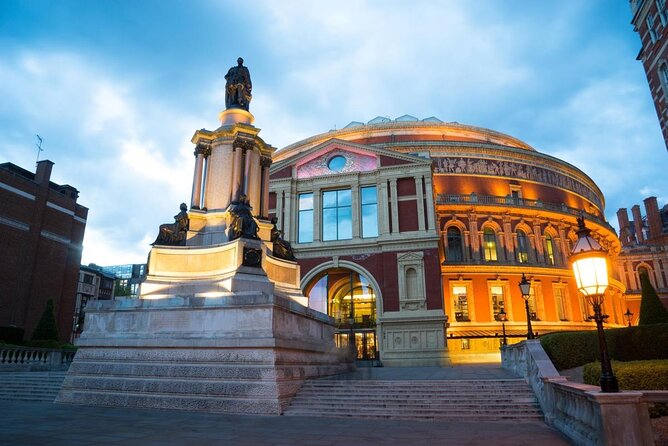
Next is Royal Albert Hall on the edge of South Kensington. It has a seating capacity of 5,272, and since its opening by Queen Victoria in 1871, it’s hosted leading artists from many performance genres.
This is a quick hit, but it provides useful context if you’re planning other arts stops in London.
Albert Memorial to Kensington Palace: from Victorian tribute to palace storytelling
From Royal Albert Hall, you come to Albert Memorial in Kensington Gardens. It commemorates the death of Prince Albert, who died of typhoid in 1861. The memorial is described as one of London’s most ornate monuments, so even a short stop helps you clock the scale and style.
Finally, you arrive at Kensington Palace, where the day’s last story moment sets up the tea ending. The guide shares a dramatic historical note about George II: on 25 October 1760, he rose at 6:00 am, drank hot chocolate, and later died after a crash. He was found dead, and the cause was identified as a thoracic aortic dissection. He was succeeded by George III, and he left instructions about coffins so their remains could mingle. He’s noted as the most recent monarch buried in Westminster Abbey.
That’s the kind of story that makes the palace feel lived-in, not staged.
High tea at Kensington Palace Orangery: what you’ll actually eat and how to enjoy it
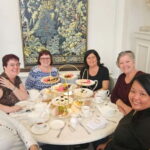
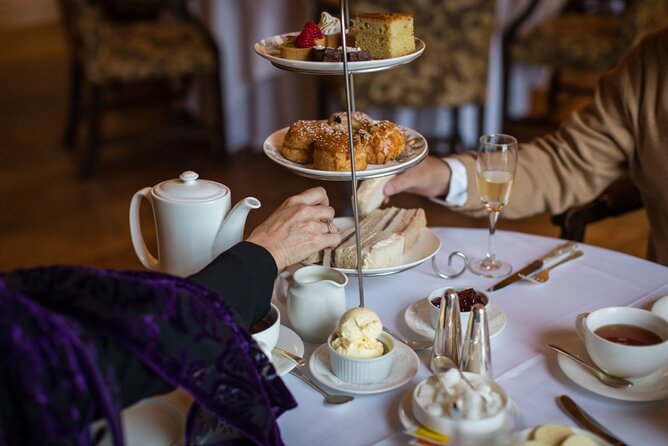
The tour ends at Kensington Palace, at the Orangery, where the high tea is hosted. This isn’t just a snack. It’s a proper included meal with a set menu and a more “special occasion” setup than typical group tea experiences.
The menu basics (with dietary options)
You’ll have:
- Delicate finger sandwiches (variety changes by season; gluten-free/vegan/halal options are catered for)
- Welsh scones with options with or without raisins, plus clotted cream and strawberry jam
- A Royal Cake selection that changes with the season
On top of that, dietary needs are supported if you request them ahead of time: gluten-free, vegetarian, vegan, and halal. One extra detail worth noting: child tea is typically for ages 11 and younger.
Service style that makes it feel worth it
You’ll have a private table at the tea venue. That sounds small, but it changes the vibe. It helps your group sit together and actually enjoy the food without constant “where are we supposed to stand?” moments.
A highlight that shows up in the feedback: the tea service can be served on Princess Diana’s royal china, which makes the setting feel extra connected to the modern royal story.
Alcohol
Alcoholic beverages are available to purchase during tea service, so if you want it, you can add it, but it’s not required.
How to pace your day so it feels fun, not rushed
This is a walking tour, and the stops are intentionally short—think quick viewing plus story notes. That can be perfect if you like variety. If you prefer slow museum-style pacing, you might feel like you’re moving past things rather than settling into them.
Here’s how I’d plan your mindset:
- Use the walk for context. Let the guide’s facts turn the buildings into a story.
- Use your camera for location cues, not perfect photos. You’ll see a lot, so you want to remember where things are.
- Save your patience for the tea. High tea is where you can slow down and enjoy the day.
Also, the group size helps. Maximum is 10 travelers, but it’s often 4–6, which makes it easier to hear the guide and easier for questions.
Who this tour fits best
I think this is a strong choice if you:
- Want a fast royal highlights day without committing to multiple palace-ticket purchases
- Like guided stories more than solo wandering
- Appreciate afternoon tea as a real meal and not just a photo moment
- Prefer a smaller group size where you can actually follow what’s being said
It’s also a good match if you’re balancing ages in your travel crew. The guide style is repeatedly praised for being easy to follow across age groups.
Should you book Buckingham Palace, St James Palace & Tea at Kensington Palace?
Yes, if you want a smart mix of royal London plus a genuinely included afternoon tea that happens in a palace setting. This tour’s value comes from the combination: guided short stops that feel meaningful, and then high tea that brings the whole day down to earth (and into a comfy seat).
I’d skip it or modify expectations if you’re mainly chasing full palace interior access at several stops. The walk focuses on seeing and understanding the area, and state-room entrance depends on selecting an add-on at checkout.
If you’re short on time and want a day that feels both classic and well-paced, this one is a solid pick.
FAQ
How long is the tour?
The tour lasts about 2 hours.
Where does the tour start and end?
It starts at Green Park Underground (Piccadilly, London W1J 9DZ) and ends at Kensington Palace (Kensington Gardens, London W8 4PX), at the Orangery where tea is served.
What is the group size like?
It’s a small group with a maximum of 10 travelers, and it’s typically around 4–6 guests.
What is included in the high tea?
High tea includes finger sandwiches, Welsh scones with clotted cream and strawberry jam, and a selection of royal cakes.
Are dietary restrictions possible?
Yes. Gluten-free, vegetarian, vegan, and halal options are available if requested in advance.
Is entrance to palace state rooms included?
Entrance to the State Rooms is included only if you select it at checkout.
Do you need to buy tickets for public transport?
The tour does not include bus fare. You’ll need a Contactless Card or Oyster Card for transport as needed. Alcoholic beverages can be purchased during the tea service.