REVIEW · LONDON
Buckingham Palace: The Royal Mews Entrance Ticket
Book on GetYourGuide →Operated by Royal Collection Trust · Bookable on GetYourGuide
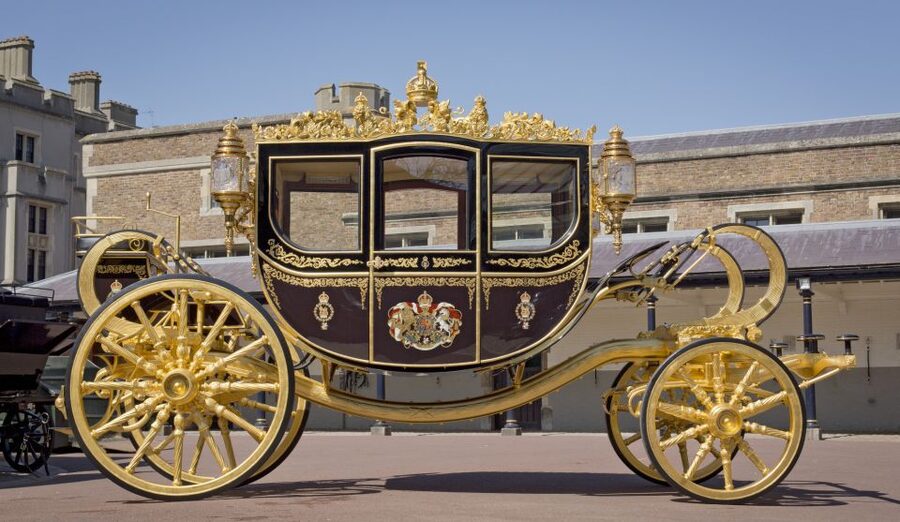
State coaches in real working stables. At Buckingham Palace’s Royal Mews, I love seeing the Gold State Coach and the Diamond Jubilee State Coach right up close, plus spotting Windsor Greys and Cleveland Bays in their stalls. One watch-out: the number of horses you can view can be limited on the day you go.
You’ll also like that this is run as a small group experience (up to 10 people), with a multimedia tour in 9 languages to keep you moving at your own pace. The biggest practical drawback is that you must bring light, since there’s no cloakroom and security checks are strict, airport-style.
In This Review
- Key moments worth your ticket
- Royal Mews at a glance: tickets, timing, and what you actually see
- Getting in smoothly from Buckingham Palace Road (and the security reality)
- Walking the working stables: horses, stalls, and why it feels different
- The state coaches you’ll see: Gold State Coach and Diamond Jubilee centerpiece
- Gold State Coach: coronation regularity you can see with your eyes
- Diamond Jubilee State Coach: a modern milestone with clear context
- Australian State Coach and Irish State Coach: the details that reward your attention
- Australian State Coach: comfort and tech in royal transport
- Irish State Coach: royal ownership that goes back to Queen Victoria
- Multimedia tour in 9 languages: how the narration makes the coaches make sense
- Crowd levels and group size: why up to 10 people helps
- How long to plan for, and how to pair it with a palace day
- Price and value: is $22.90 worth it?
- Who should book the Royal Mews, and who might skip
- Should you book the Royal Mews ticket?
- FAQ
- Where do I exchange my voucher for Royal Mews tickets?
- How long is the ticket valid?
- Is an audio or multimedia tour included?
- How big are the groups?
- Can I take photos at the Royal Mews?
- What can’t I bring into the Royal Mews?
Key moments worth your ticket
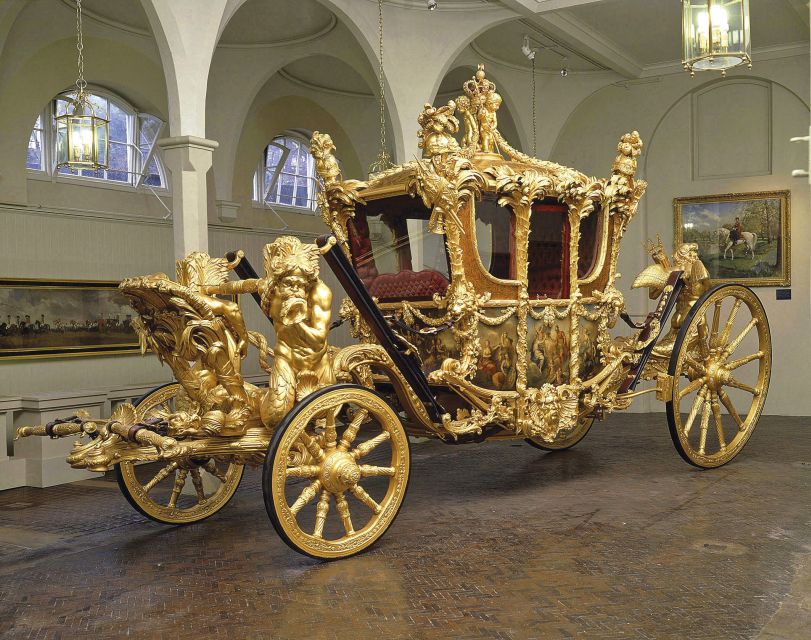
- Gold State Coach, used at every coronation since William IV and last seen in the 2023 coronation of King Charles III
- Diamond Jubilee State Coach, used for Queen Elizabeth II during the State Opening of Parliament in 2014
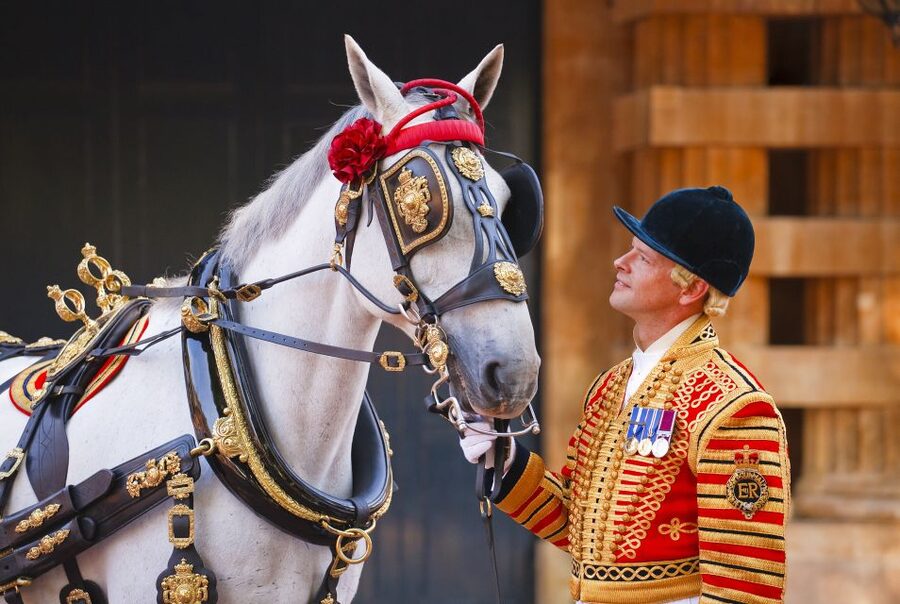
- See working-stable life, including horses trained to pull the royal carriages
- A close-up view of multiple state coaches, including the Australian and Irish coaches
- Multimedia audio in 9 languages, so you can follow the story without needing a live guide
Royal Mews at a glance: tickets, timing, and what you actually see
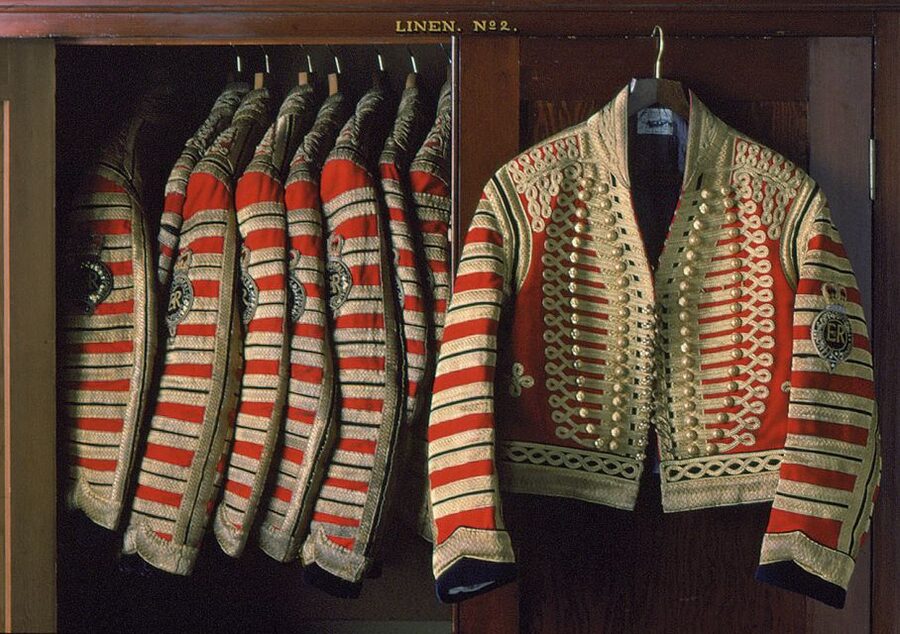
The Royal Mews is one of those rare London sights where the setting is both ceremonial and practical. These stables and carriage rooms are responsible for royal road travel by horse-drawn carriage and motor car, and they’re still working as a stable today. That matters, because you’re not just staring at artifacts behind glass. You’re walking through a working environment where horses and harness work are part of the operation.
Your ticket (priced at $22.90 per person) gives you entrance to the Royal Mews and a multimedia tour in 9 languages. The ticket is valid for one day, but you’ll want to check available starting times so you can match it to the rest of your palace-day plan.
This is also a quick reality check: if you’re expecting the full Buckingham Palace interior, this ticket is for the Royal Mews portion only. The good news is that you don’t need a huge time commitment to get a lot of awe from being this close to the coaches.
You can also read our reviews of more tours and experiences in London.


Getting in smoothly from Buckingham Palace Road (and the security reality)
Plan on security being the first bottleneck. On arrival, you and your belongings go through airport-style screening. It’s much easier if you arrive with minimal stuff—think small bag, no extras you don’t need.
The process is straightforward:
- Start at the ticket office: exchange your voucher
- Then walk to the visitor entrance for the Royal Mews on Buckingham Palace Road
- The visit ends back at the meeting point
Two practical tips that can save you time:
- Wear comfortable shoes. You’ll be walking through a stable and display spaces.
- Keep your bag small. There’s no cloakroom available, and luggage or large bags aren’t allowed.
Also note a few item restrictions. Certain items (like pen-knives and scissors, plus other large items of baggage) aren’t permitted. If you’re traveling with kids, keep their items simple too—fewer “just in case” items means less stress at screening.
Walking the working stables: horses, stalls, and why it feels different
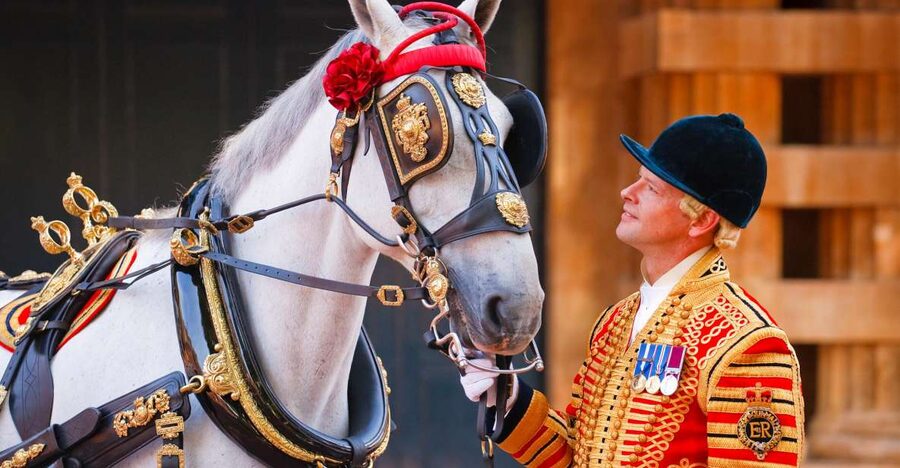
The Royal Mews is built around animals and equipment you can’t fully appreciate from photos. The stalls, harness areas, and carriage workspace all give you a sense of rhythm: these are spaces meant for daily work, not just special occasions.
The horses are a big part of that. The Mews trains the Windsor Greys and Cleveland Bays—both breeds used for pulling royal carriages. You’ll see horses in the stable setting, and you’ll likely catch the calm efficiency of how these working stables operate. Some visits include more horses visible than others, so don’t be surprised if you only see a couple of animals out in the immediate viewing area. The viewing setup can limit how close you can get to every stall at once.
One thing I like about this is that it keeps the Royal story grounded in real logistics. The coaches are the spectacle, sure—but the horses are the engine.
The state coaches you’ll see: Gold State Coach and Diamond Jubilee centerpiece
The centerpiece moments here are the large, ornate vehicles that connect modern royals to older royal traditions. You’ll walk through the displays and get close enough to appreciate scale, materials, and craftsmanship.
Gold State Coach: coronation regularity you can see with your eyes
The Gold State Coach is the one people remember from coronations, and it has a special long timeline: it’s been used at every coronation since William IV. Queen Elizabeth II used it in 1953, and it was most recently used for the 2023 coronation of King Charles III.
What you’ll feel when you see it isn’t just the shine. It’s the engineering of pageantry—how a vehicle can move history around a city while still being designed for ceremonial precision. Standing close also helps you understand why this coach is iconic: it’s built to be seen, but it’s also built to function as part of an operating system of royal travel.




Diamond Jubilee State Coach: a modern milestone with clear context
Another major highlight is the Diamond Jubilee State Coach. This carriage conveyed Queen Elizabeth II on the State Opening of Parliament on 4 June 2014. That date matters because it’s not ancient history. It’s within your lifetime, tied to a specific televised event most people recognize.
When you pair that with the Gold State Coach, you get a satisfying arc: one coach represents the long, repeated coronation tradition; the Diamond Jubilee coach connects you to a particular modern moment of state ceremony. It’s a clean contrast that makes the experience more than just looking at expensive objects.
Australian State Coach and Irish State Coach: the details that reward your attention
If you only focus on the biggest headline coach, you’ll miss the quieter surprises. Two additional vehicles help round out the story.
Australian State Coach: comfort and tech in royal transport
The Australian State Coach is a standout because it mixes luxury with practicality. It has central heating and electric windows—details you would never guess just from the coach’s exterior look.
This coach carried Queen Elizabeth II and The Duke of Edinburgh from Westminster Abbey to Buckingham Palace after the Royal Wedding in 2011. That context helps you understand why features like electric windows matter. Royal travel isn’t only about ceremony; it’s also about controlling comfort and visibility for the people inside while keeping the procession smooth.
Irish State Coach: royal ownership that goes back to Queen Victoria
The Irish State Coach was purchased by Queen Victoria in 1852. Queen Victoria, King George VI, and Queen Elizabeth II have all traveled to the State Opening of Parliament in this carriage.
This is the kind of detail that makes the Mews feel like a living timeline rather than a static collection. You see a single vehicle role repeat across reigns, with each monarch adding their own chapter to its purpose.
Multimedia tour in 9 languages: how the narration makes the coaches make sense
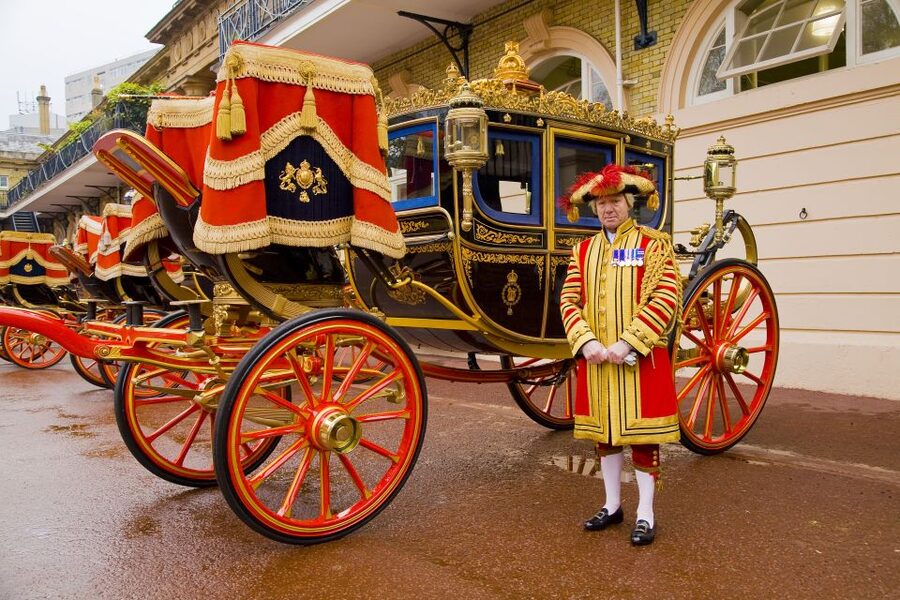
The ticket includes a multimedia tour with audio in Spanish, Chinese, English, French, German, Italian, Japanese, Portuguese, and Russian. For you, that’s huge: the story isn’t locked behind a single language or a set of quick signs.
The audio tour structure also helps you in a practical way. You can stop when you want, move on when you’re ready, and let the narration guide you through the meaning behind each coach and stable area. It’s one reason this visit works for different ages: even kids can follow along if you choose the language that feels natural and not too technical.
If your group has staff hosts giving extra pointers, you may hear real human stories layered into the audio. On some days, people have mentioned hosts by name—like Lynne, Jorge, Phil, and Seba—and those human touchpoints can make the experience feel more personal. Even without a live guide stepping in, the audio does the job of explaining what you’re seeing.
Crowd levels and group size: why up to 10 people helps
This is capped at 10 participants, which is the difference between enjoying details and being shoved along. With a smaller group, you’re more likely to:
- get comfortable at viewing points
- spend time looking closely at craftsmanship
- not feel rushed during transitions
You’ll still be dealing with a real-world flow of visitors, especially on busy palace-adjacent days. But the small-group format keeps the experience calmer than many big-name attractions.
You’ll also be able to take photos for non-commercial purposes. Mobile phones are allowed, just be mindful so you’re not blocking view lines. If you’re the type who likes to photograph fine details, this is one of the better spots for steady, clear photo opportunities—within normal visitor boundaries.
How long to plan for, and how to pair it with a palace day
The Royal Mews ticket is valid for 1 day and tied to available starting times. That makes planning easy: you can slot it into a morning or afternoon session without committing to an all-day event.
In practice, think of it as a short-to-medium stop that hits a high concentration of spectacle: horses, multiple state coaches, and the working-stables feeling. If you’re combining it with other nearby palace-area sights, your best strategy is to group experiences by walking distance and keep the day from becoming a sprint.
A simple way to plan:
- Start earlier in the day if you want more relaxed viewing
- Pair it with a nearby royal/palace area walk so you’re not zigzagging across London
- Keep your bag minimal so you don’t lose time at security
Price and value: is $22.90 worth it?
At $22.90 per person, the question isn’t whether it’s “cheap.” It’s whether it delivers something you can’t easily recreate.
Here’s why it feels like strong value:
- You’re seeing working-stable logistics, not just a museum room.
- You get several major coaches in one visit, including the Gold State Coach and Diamond Jubilee State Coach.
- The audio tour is included in multiple languages, which reduces the need for an extra guide or expensive add-ons.
- The small group size helps you actually look, instead of just passing through.
Where value can soften a bit is expectation management. If you arrive hoping for lots of horses at once or constant animal action, reality may be quieter on the day you go. But if your goal is to understand royal transport, see the coaches close up, and walk away with a clearer sense of how state ceremony connects to real logistics, this ticket does a lot of work for the price.
Who should book the Royal Mews, and who might skip
Book this if you:
- love horses or carriage history
- want a palace experience that’s not just rooms and paintings
- like seeing big objects up close and appreciating real scale
- are traveling with kids who respond well to audio storytelling
Skip or reconsider if you:
- need lots of dramatic animal viewing throughout (the horse count can be limited in the immediate viewing areas)
- want a full Buckingham Palace interior tour from this one ticket
- travel with bulky bags that are difficult to keep minimal (the lack of cloakroom makes “bring everything” a problem)
This works well for multigenerational trips too. You get enough visuals for younger visitors and enough specific historical details for adults who enjoy the how-and-why.
Should you book the Royal Mews ticket?
Yes, for most people this is an easy recommendation. The Royal Mews delivers a concentrated dose of royal transport in a working stable setting, and the included multimedia tour in 9 languages helps you understand what you’re seeing without hunting for extra explanations.
My main decision factor for you is this: do you want proximity to the real coaches and the stable world? If yes, book. If you’re only chasing the word Buckingham Palace as a single building experience, look at other options too.
FAQ
Where do I exchange my voucher for Royal Mews tickets?
You exchange your voucher at the ticket office, then proceed to the visitor entrance to the Royal Mews on Buckingham Palace Road.
How long is the ticket valid?
The ticket is valid for 1 day. Starting times depend on availability.
Is an audio or multimedia tour included?
Yes. The ticket includes a multimedia tour available in 9 languages.
How big are the groups?
The experience is limited to a small group of up to 10 participants.
Can I take photos at the Royal Mews?
Photography and filming for non-commercial purposes are welcomed.
What can’t I bring into the Royal Mews?
Luggage or large bags aren’t allowed, and certain items such as pen-knives and scissors are not permitted. There is no cloakroom facility.