REVIEW · SAN GIMIGNANO
Castles & Chianti Wine Experience– Small Group from San Gimignano
Book on Viator →Operated by myTour in Italy · Bookable on Viator
Chianti starts with a well-timed pour. This small-group day trip from San Gimignano pairs two winery visits with village walking stops and castle-photo time, all wrapped in a comfortable ride and English-speaking guidance. You get the kind of structured day that helps you see more than just vineyards, without feeling rushed for every stop.
What I like most is the pace and the wine education. The tour is capped at just 8 people, so your guide can actually talk with you (not just at you), and you’ll get a proper feel for how this region makes its wine. I also love that the tastings aren’t skimpy: you’re set up for a total of 7 wine types, plus olive oil and balsamic sampling, then snacks during the second stop.
One thing to plan for: timing and pick-up can be a weak spot. Some departures can run long if the van needs extra time for rendezvous points, and pick-up details may be easy to miss, especially on hot days. If you hate waiting around, build in a little buffer time when you arrive at the meeting point.
In This Review
- Key Things I’d Pack for This Tour
- Small-Group Chianti From San Gimignano: What You’re Actually Buying
- Your Ride in a Tiny Van: Comfort, WiFi, and Route Reality
- Fattoria Lornano Tasting: The First Pour and the Winery Story
- Castellina in Chianti: An Hour to Wander Like a Local
- Monteriggioni Photo Time: Castle Walls, Quick Stops, Big Views
- Strada Statale 222 Chiantigiana Winery Visit: Second Tasting, Different Side
- What’s Included at the Table: 7 Wines, Olive Oil, Balsamic, and Snacks
- Guide Power: How Your Name Changes the Day
- Price and Value for $102.35: When It Feels Like a Bargain
- The Small-Group Size: Why It Changes Everything
- Timing and Season Tips: Avoid a Day Full of Closed Doors
- Should You Book This Chianti Wine and Castle Day Trip?
- FAQ
- How many people are in the group?
- What’s included in the wine tastings?
- How long is the tour?
- Where does the tour start in San Gimignano?
- Is hotel pickup included?
- Does the tour include food?
- What language is the tour offered in?
- Is there WiFi on the vehicle?
- Can I cancel for a full refund?
Key Things I’d Pack for This Tour
- Max 8 people means more back-and-forth with your guide, especially during tastings
- Two winery estates plus two wine tastings gives variety instead of repeating the same flight twice
- 7 wines total along with olive oil and balsamic tasting keeps the day from feeling one-note
- Village time in Castellina in Chianti and photo time in Monteriggioni adds texture beyond wine
- Air-conditioned transport + WiFi makes the drive more comfortable on a long day
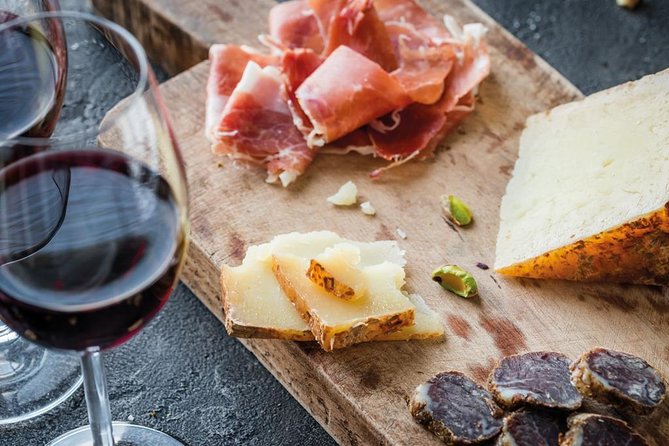
- Second tasting comes with local snacks (bread and salami), so you’re not just tasting on an empty stomach
Small-Group Chianti From San Gimignano: What You’re Actually Buying
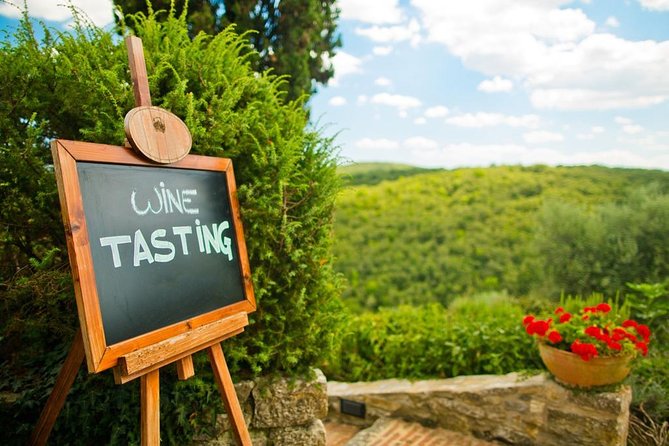
This isn’t a “hop out, take a photo, move on” tour. It’s built around two scheduled winery moments in the Chianti area, with a guide giving context while you taste. That matters because Chianti isn’t just a flavor—it’s a whole system of grapes, farming choices, and local traditions that shape what’s in your glass.
The day is also balanced. You’re not stuck in a van for hours with nothing to do. Between tastings, you get walking time in a hilltop town and a shorter stop at an ancient walled village for views and pictures. In a region where it’s easy to overschedule yourself, this kind of structure is worth something.
And yes, the small group size is real value here. With a maximum of 8 participants, you can ask questions about what you’re tasting—why a wine smells the way it does, how it’s made, and what to look for when you’re buying a bottle later.
You can also read our reviews of more tours and experiences in San Gimignano.
Your Ride in a Tiny Van: Comfort, WiFi, and Route Reality
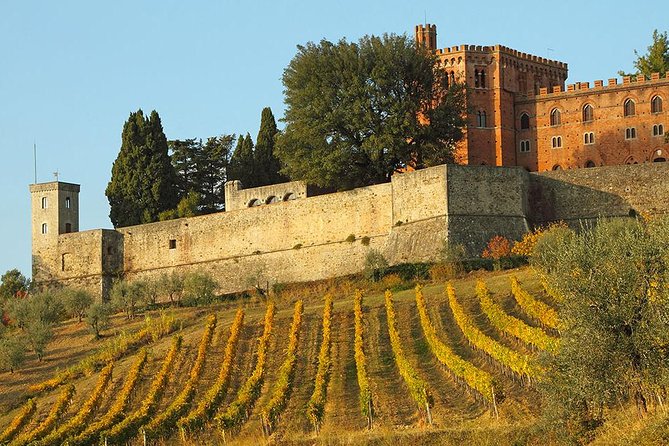
You’ll travel by air-conditioned vehicle designed for small groups (up to 8 people) or a larger van if needed (up to 20). Either way, WiFi is included on board, which is surprisingly useful on a day with travel time through countryside roads.
The route is part of the deal. Chianti estates aren’t in town centers, so you’ll spend time driving between stops. The tour is listed at about 6 hours, but in real life, you might end up with a longer day if the van has to account for extra pick-ups and route adjustments. I’d plan mentally for a full day and bring something for comfort—water is a practical idea, since it isn’t always handled like a free drink service during the ride.
Here’s the key logistics tip: show up early at Piazzale Montemaggio in San Gimignano. That’s the meeting point given for the experience. If you’re also considering hotel pickup, it’s optional and costs an extra 20 euros, and it only applies if your hotel is more than 10 km from the center. If you don’t have pickup, don’t count on the van finding you via vibes—be at the stated meeting place.
Fattoria Lornano Tasting: The First Pour and the Winery Story
Your day starts at Fattoria Lornano, with about an hour there. This stop includes admission and is built as a real winery visit, not just standing in a tasting room holding plastic cups. You’ll get time to understand the estate and how they approach wine-making, then taste what they’re producing.
This is where the guide’s role really shows. The best tours here don’t just hand you wine—they help you map it. You’ll likely get background on the region’s wine-making history and what influences the glass. That makes the tasting feel like a lesson you can carry home, instead of a one-time sip-and-forget event.
What I’d pay attention to at this first stop:
- How the guide describes aroma and structure (sweetness, acidity, tannins—whatever your wine includes)
- Which wine types they emphasize as typical for the area
- How the tasting is paced, since you’ll be tasting enough that rushing can blur flavors
If you like seeing how farms and families shape wine, this first estate visit is a strong start.
Castellina in Chianti: An Hour to Wander Like a Local
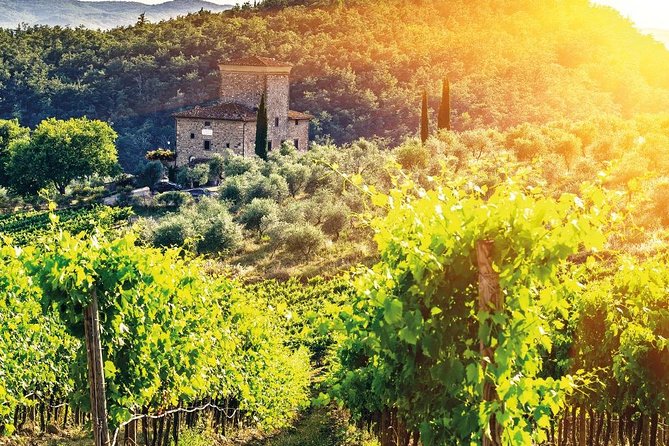
After the first tasting, you shift gears to Castellina in Chianti, with about an hour for exploring. This stop doesn’t include admission, which usually means you’re using your time freely—walking streets, checking viewpoints, and taking in the feel of a hill town.
One practical note: with just an hour, you’ll want to move with purpose. Pick one or two viewpoints and focus your photos. Then slow down for local details like doorways, stonework, and small storefronts. Castellina tends to work well on a time budget because it’s the kind of place where every turn feels like another postcard.
If you want value from this hour, pair it with your wine day. Notice how the town sits above the land and imagine why vineyards would be planted where they are. Even if you don’t get a lecture in this exact moment, the scenery helps you connect the dots.
Monteriggioni Photo Time: Castle Walls, Quick Stops, Big Views
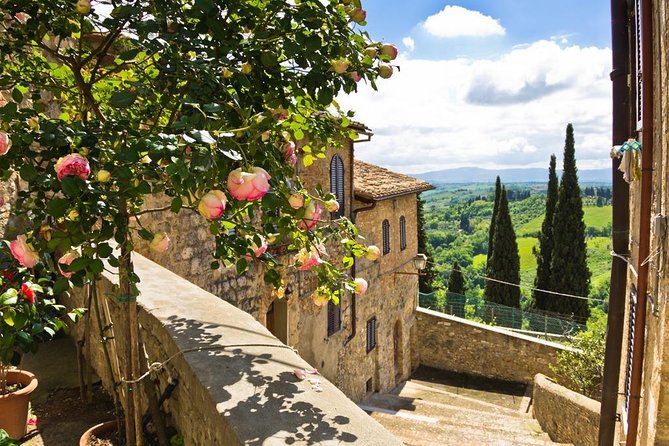
Next up is Monteriggioni, an ancient walled village stop with about 40 minutes. No admission here either—this is about views, photos, and the feeling of time-worn stone under bright Tuscan light.
Fortified towns like this are best when you keep expectations realistic. Forty minutes is short. You’re not there to do a museum tour—you’re there to get the classic shot, look along the walls, and soak up the atmosphere for a few minutes.
What I like about this kind of stop on a wine tour is that it breaks up tasting fatigue. After two winery moments, you need air. Monteriggioni gives you that mental reset: stone walls, a quick walk, and a clear change of pace.
If you’re traveling in colder months, do be aware that some town stops can feel limited in practical ways. Short hours can make “free time” feel tighter than you hoped if places are closed. If you’re visiting outside peak season, arrive with a flexible mindset and focus on walking views over expecting open shops.
Strada Statale 222 Chiantigiana Winery Visit: Second Tasting, Different Side
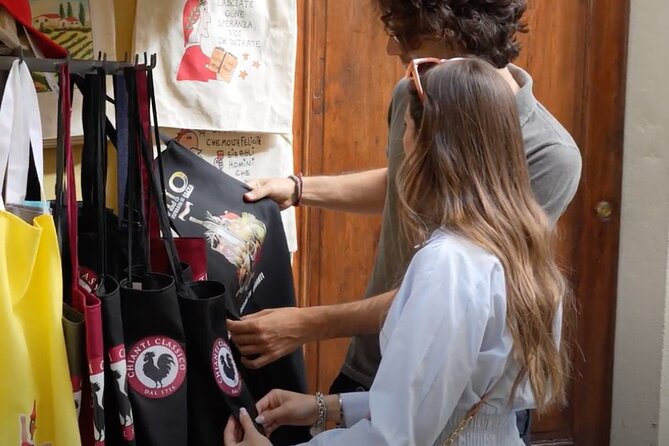
The final big anchor is the second winery experience, located along Strada Statale 222 Chiantigiana. You’ll have about an hour here, with admission included, plus the second wine tasting.
This second estate visit is where many people feel the tour’s structure pays off, because you’re not just repeating the same wines. Two wineries—often with different production styles—tend to teach you how varied a region can be. The goal is for you to leave with a bigger picture of Chianti, not a single impression.
You’ll also get food with the tasting at this stage. The day includes local-product snacks such as bread and salami, and the tastings are supported by sampling designed to match the wines. That’s smart: wine tastes better when you’re not tasting while hungry or trying to power through with pure curiosity.
Practical tip for the second tasting: slow down. By the time you reach this stop, your palate is warmed up from the first winery. Try to notice what changes from winery to winery. The guide’s explanations here can help you spot differences faster than you would on your own.
What’s Included at the Table: 7 Wines, Olive Oil, Balsamic, and Snacks
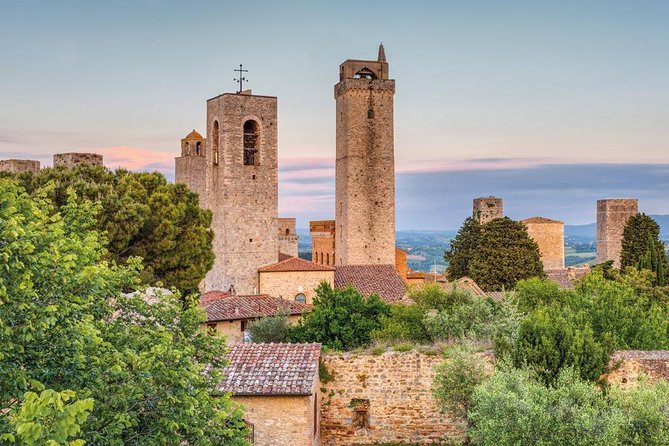
The “included” list is one of the strongest reasons to consider this tour at its price point.
You’re set up for:
- Two wine tastings as part of two winery estates
- A total tasting experience featuring 7 types of wine
- Olive oil and balsamic vinegar sampling
- Local snacks made from regional products, including bread and salami
- WiFi on the vehicle and travel in an air-conditioned ride
This combination matters because it covers more than grape wine. Olive oil and balsamic are a big part of Tuscan food identity, and they help you understand the region’s flavor palette. Even if you don’t buy anything, it gives you something tangible to compare later when you shop.
Also, those snacks aren’t an afterthought. A light meal component during the day makes it easier to enjoy all the pours without getting cranky.
If you’re wondering whether $102.35 is fair: it’s usually worth it when you factor in that you’re not paying separately for estate admissions and structured tastings at two locations. The tour also handles driving between stops for you, which can be a hassle when you’re based in a hill town.
Guide Power: How Your Name Changes the Day
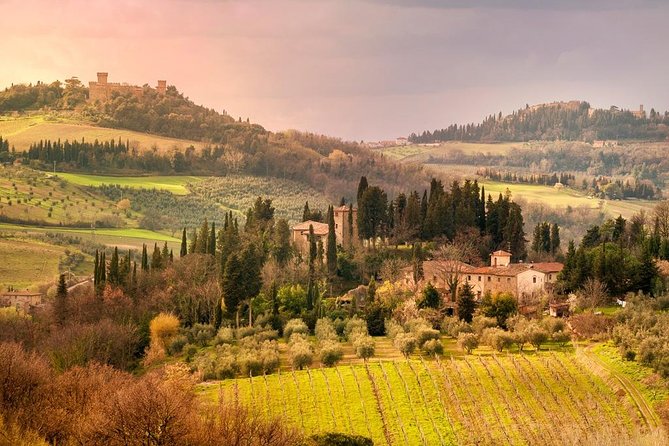
A tour rises or falls on the guide, and this one tends to get praised for people who show up ready. Some guides are explicitly named in guest feedback, including Vincenzo and a driver noted as John.
What I’d look for in a good guide here (and why it matters):
- Clear explanations during tasting, so you know what you’re tasting
- Good timing between stops, so you don’t feel squeezed
- A helpful style in English, so your partner isn’t lost
When the guide nails this, the day feels like you’re getting insider context instead of just moving through places on a schedule. And since the group is small, the guide can usually answer questions without shutting down for “the next bus.”
If you’re the type who likes to understand what makes each wine different—dryness, fruit, acidity, and the way it finishes—you’ll get more out of this tour than the average “sip and smile” experience.
Price and Value for $102.35: When It Feels Like a Bargain
Let’s talk value without pretending wine is cheap anywhere in Tuscany. You’re paying about $102.35 per person for a half-to-full day that includes:
- Transport (air-conditioned, with WiFi)
- Expert multilingual guidance
- Visits to two wine estates (one described as exclusive)
- Two wine tastings totaling 7 wine types
- Olive oil and balsamic sampling
- Snacks with local products
What makes it feel like value is the bundling. You’re buying a full day’s flow: transportation plus tastings plus structured background. If you were to recreate this yourself—finding two estates, coordinating tastings, and solving parking and driving—you’d likely spend more time and more money.
That said, value depends on how smoothly your departure runs. Because pick-up timing and rendezvous details can be tricky, I’d only call this a great deal if you go in prepared. Arrive early. Confirm where you need to stand. And don’t schedule a tight dinner reservation right after you expect to return.
If the day runs long, it’s still often worth it for people who came for two distinct winery tastings and a guided day that includes food pairings.
The Small-Group Size: Why It Changes Everything
Capped at 8 travelers, this tour has a built-in advantage: you’re less likely to feel like a passenger in a giant tasting line.
In a small group, you can:
- Taste at a comfortable pace
- Ask follow-up questions
- Hear what the guide says without craning your neck
- Get feedback on what you like, instead of just hearing generic explanations
Small-group tours also tend to adapt better when plans shift slightly. Even if there’s a detour or an extra stop for pick-up, a small group means fewer people to manage at once.
If you’re traveling as a couple or with a small friend group, this cap is exactly what you want. If you prefer meeting strangers in big bus crowds, you might find the vibe less social—but that’s not a flaw. It’s a choice.
Timing and Season Tips: Avoid a Day Full of Closed Doors
A lot of the stops on this tour are time-based and outdoors. That sounds obvious, but it’s important when you travel in off-season.
Some guests noted that certain town stops can end up feeling like very little happens if shops or services are closed, especially in winter. You may still enjoy the views and the walking, but you won’t get the same street-life effect you’d expect in warmer months.
So here’s my advice:
- In cold months, plan for sightseeing over shopping
- Wear layers and bring something warm for the van rides and photo stops
- When towns are small, a “free admission” stop still needs patience and realistic expectations
This isn’t a reason to skip the tour. It’s just a reminder: enjoy what the stops do best—walk, look, photograph, then return to the wine.
Should You Book This Chianti Wine and Castle Day Trip?
I’d book it if you want a guided Chianti day with two winery tastings, strong food pairings, and enough town time to make the day feel like Tuscany—not just a wine room. The small-group size is a big plus, and the inclusion of 7 wine types plus olive oil and balsamic makes it feel complete.
I would think twice if your biggest travel pet peeve is uncertainty—especially pick-up confusion or waiting around in heat. If you hate being late, don’t rely on unclear meeting points. Show up early and be at Piazzale Montemaggio for the start. If hotel pickup applies to you, double-check the distance requirement because it affects whether pickup is even offered.
Best for: wine lovers who want education, couples, and small groups who appreciate a structured day with real stops. If you want zero logistics fuss, you’ll need to be a careful planner—but if you do that, you’ll likely have a memorable Chianti day.
FAQ
How many people are in the group?
The tour has a maximum of 8 travelers, which keeps it small-group and more personal.
What’s included in the wine tastings?
You get tastings at two wine estates, with a total tasting of 7 types of wines. Olive oil and balsamic vinegar sampling are also included.
How long is the tour?
The tour is listed at about 6 hours.
Where does the tour start in San Gimignano?
The meeting point is Piazzale Montemaggio, 53037 San Gimignano, Province of Siena, Italy.
Is hotel pickup included?
Pickup is on request and costs an extra 20 euros. It applies only if your hotel is more than 10 km from the center of San Gimignano.
Does the tour include food?
Yes. Snacks made from local products (including bread and salami) are included, especially with the second wine tasting.
What language is the tour offered in?
The tour is offered in English.
Is there WiFi on the vehicle?
Yes, WiFi is included on board.
Can I cancel for a full refund?
You can cancel up to 24 hours in advance for a full refund.