REVIEW · CRETE
Crete: Knossos Palace Entry Ticket with Optional Audio Guide
Book on GetYourGuide →Operated by Key Tours · Bookable on GetYourGuide
Knossos hits like a punch of history. With a prebooked timed e-ticket, you can usually walk right in without wasting time in ticket lines, and you get to wander the palace grounds at your own pace. It’s one of Europe’s most important Bronze Age sites, and even when you know the basics, the scale of what’s left (and what’s reconstructed) makes the whole place feel strangely alive.
The catch: the optional audio experience can be great for context, but it may also be a little hard to follow because wayfinding support is limited, and some audio tracks sound more robotic than you’d expect.
In This Review
- Key highlights to know before you go
- Knossos at a human pace: what this ticket actually gives you
- Entering the site: timed slots, QR scanning, and what to watch for
- Walking the Grand Palace: rooms, stairs, and the feeling of a former capital
- Throne Room of King Minos: mythology with a physical footprint
- Audio guide reality check: when it helps (and when it frustrates)
- Pacing and timing: avoid the crowds, not just the lines
- Where Knossos fits with Heraklion: don’t stop at the ruins
- Getting there and practical site tips (so the day stays easy)
- Price and value: is $30 worth it for Knossos?
- Should you book this Knossos timed ticket with optional audio?
- FAQ
- What’s included with the ticket?
- Do I need headphones for the audio guide?
- Can I change my entry time slot?
- What’s the allowed entry window for my time slot?
- Is the ticket refundable?
- Are there free admission options for some visitors?
- Is oversize luggage or a stroller allowed?
Key highlights to know before you go
- Timed entry on your phone helps you skip long queues at the gate.
- Self-guided wandering lets you set your own pace through palace corridors and rooms.
- The Grand Palace areas show living spaces, workrooms, and storerooms stacked into the ruins.
- Throne Room of King Minos is a must-stop if you like mythology tied to archaeology.
- Optional audio can save you from glazing over plain walls and floor plans.
- Crowds and heat are real—timing your visit can make a big difference.
Knossos at a human pace: what this ticket actually gives you
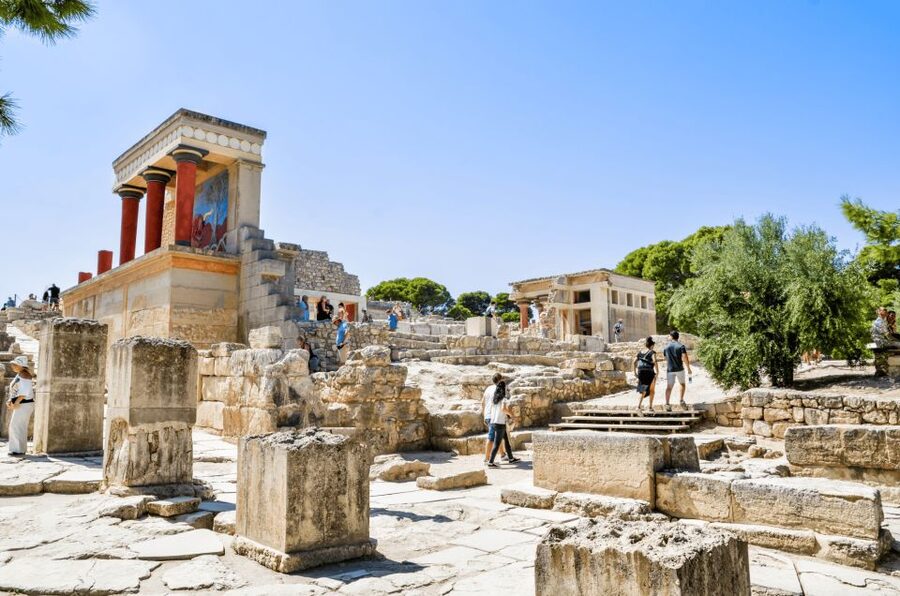
Knossos is one of those places where the words Minoan palace can sound abstract—until you’re standing among room after room and realizing people ran politics, work, and daily life here thousands of years ago. This experience is built for “show up, enter, and explore,” which matters because Knossos is an easy site to rush if you don’t have a plan.
The big win is the timed e-ticket. Instead of hunting for a ticket window and joining a slow-moving line, you show your entry on your phone and scan a QR code at the entrance. That alone can turn a stressful arrival into a smooth start, especially in high season.
The second win is that you’re not locked into a group route. You can linger where something clicks—like the restored-looking architectural details—or move on when you’ve seen enough of one area. Several visitors say the site doesn’t take all day if you only skim, so self-paced access is perfect when you want a controlled visit length rather than a rushed one.
You can also read our reviews of more tours and experiences in Crete.
Entering the site: timed slots, QR scanning, and what to watch for
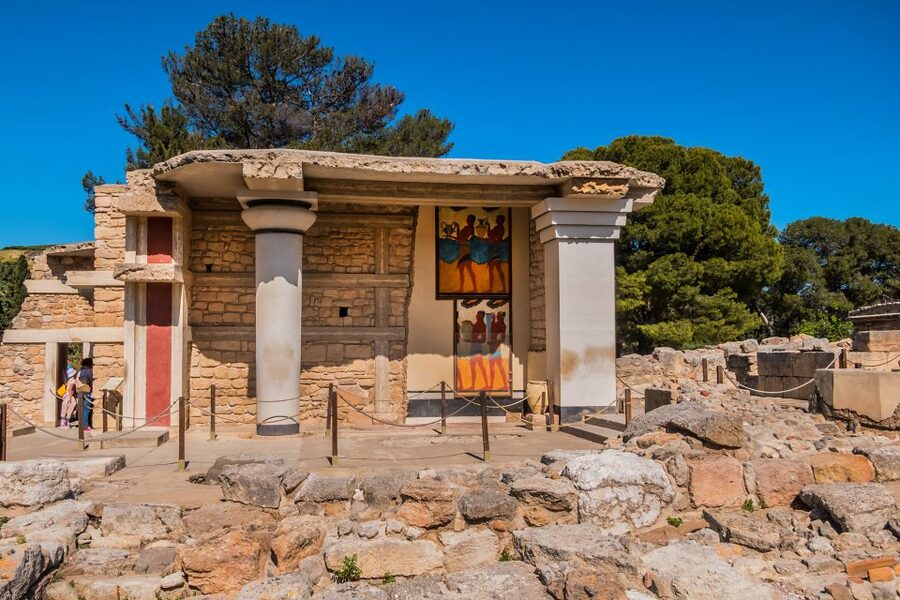
Knossos runs on time slots, and your ticket is tied to a selected date and entry window. You can enter only at the booked time, or within a short buffer before/after (15 minutes). That means you should plan your arrival so you’re not sprinting across the site entrance area at the last second.
A few practical things I’d keep in mind:
- You’ll want your ID on hand, even if it’s a copy, because the ticketing rules reference identification.
- If you’re using audio, you should bring headphones. The ticket doesn’t include earphones or any physical device.
- If you’re arriving during peak hours, expect crowds inside. One of the most repeated themes is that getting there early helps you actually see things, not just shuffle with tour groups.
If you’re debating timing, you have options. Late afternoon can feel calmer, with fewer lines and a more relaxed flow. Early morning (around 8–10 am) is the most common “sweet spot” advice—less heat, fewer buses, and more room to think.
Walking the Grand Palace: rooms, stairs, and the feeling of a former capital
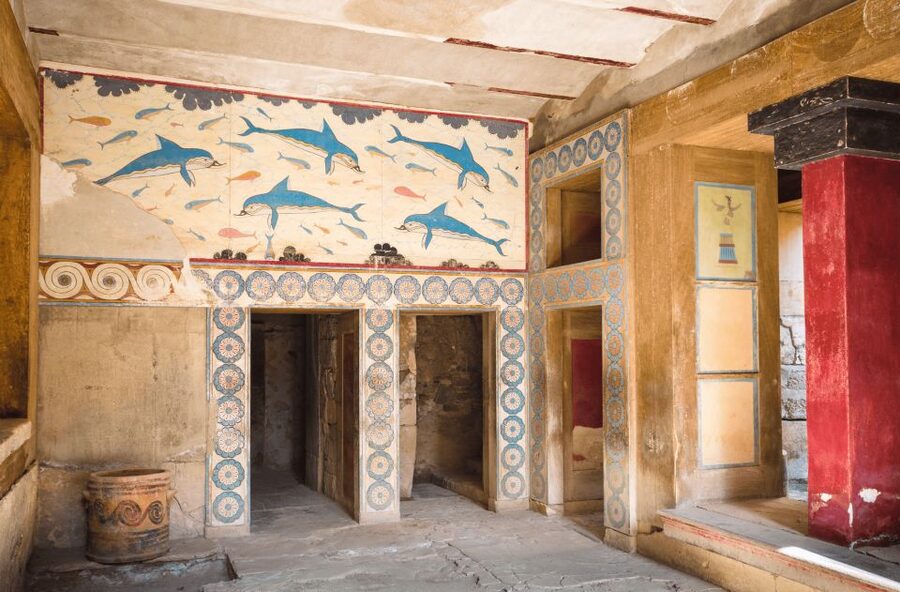
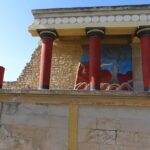
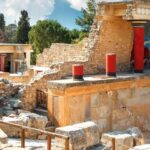
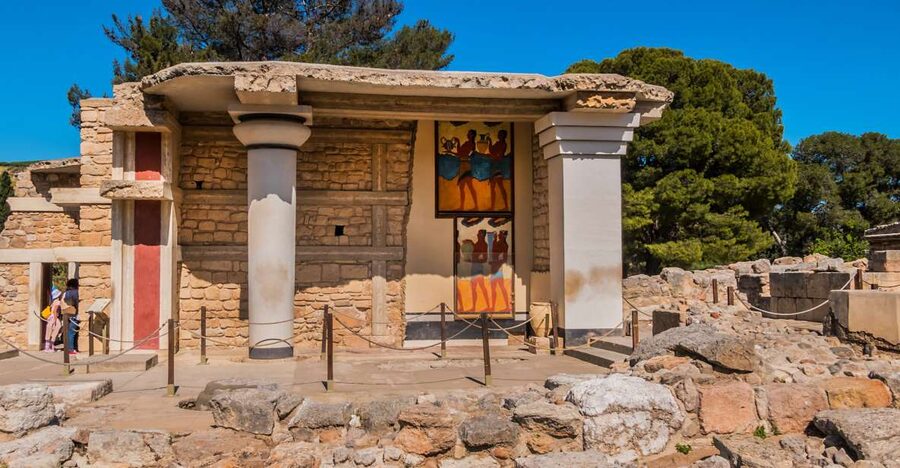
Once you’re inside, the main star is the Grand Palace, dated to around 2000 B.C. What makes it compelling isn’t just the age—it’s the layout. You’re walking through what used to be a political and cultural center, and the ruins still hint at how organized the place was.
Here’s what you can expect as you move around:
- Living quarters: You’ll see remnants of spaces tied to daily routines, which helps you picture people moving through the palace rather than it being only a museum-like backdrop.
- Workrooms: These areas give context for what the Minoans may have produced and stored locally.
- Storerooms: Knossos feels like a place built for movement—goods in, goods out—so it’s easier to understand why a palace city could function as a power center.
One detail I like about visiting Knossos this way is that you can slow down for the architectural storytelling. Even if you don’t catch every term, you start noticing repeated building patterns and how corridors connect rooms.
Now the honest note: a big portion of what you see is shaped by extensive restorations, and several visitors specifically mention Arthur Evans’s reconstruction influence. In practice, that means some sections can feel more “interpretive” than “untouched.” You might feel that more if you’re expecting to see fully original, excavation-only surfaces. Still, the reconstructions are often what make the palace readable as a real place you can walk through.
Throne Room of King Minos: mythology with a physical footprint
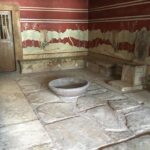
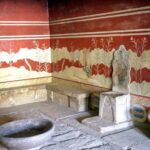
If Greek mythology is your thing, plan extra time for the throne room associated with King Minos. Even when you approach it with a skeptical brain (and you should), it’s hard not to get swept up by the idea that stories attached to this location have lasted for centuries.
A practical caveat: the throne room can draw crowds, and some visitors note queues there can feel exposed to sun. That’s not “bad luck”—it’s just a reality of a popular stop on a limited footprint. If you’re sensitive to heat, bring water and consider starting earlier rather than later.
Audio guide reality check: when it helps (and when it frustrates)
The optional audio experience can be genuinely useful—especially at Knossos, where you can easily walk past features without realizing what you’re looking at. One visitor described the audio as very informative, and that’s often the best-case scenario: you hear why a room mattered, what a feature might have been used for, and how the site connects to the broader story of Minoan life.
But the reviews also highlight several issues you should know upfront:
- Wayfinding can be confusing. People report doubling back or circling because it’s not always obvious how to move to the next stop.
- You may not get a map of numbered stops included with the audio experience, so if you’re direction-sensitive, you’ll want help from your own phone navigation (or at least offline maps).
- Some audio tracks have been criticized as robotic or with pronunciation quirks, which can make you tune out instead of listening.
Also, the audio experience may come through an app with a QR code. One review notes the process required downloading the audio, and another said the QR code took a second to figure out. So, if you can, test everything before you arrive at the gate—especially if you rely on your phone battery.
My practical recommendation: if you choose the optional audio, go in with a plan to use it as a “light guide,” not a perfect navigation system. Treat it like an interpretive layer while you still look for signs, floor features, and the overall layout.



Pacing and timing: avoid the crowds, not just the lines
Knossos is a site where timing affects your entire experience. Even with timed entry, you can still feel hemmed in by tour groups once you’re inside. The good news: it’s still possible to have a calm visit if you pick the right hour.
Here’s the timing advice I’d follow:
- Go early if you can. Many visitors call 9am (or even earlier) ideal because buses haven’t flooded the site yet.
- Choose late afternoon if you want quiet. One visitor said late afternoon was much calmer and made entry feel easy.
- Bring shade solutions. Even if you find occasional seating, it’s often sunny and hot. Some people mention queues by popular areas can feel like they offer little relief from direct sun.
A couple “small but important” items that keep showing up:
- Water and sunscreen are not optional. You’re walking ruins in Crete sun.
- A hat helps, since benches and shaded spots can be limited.
Where Knossos fits with Heraklion: don’t stop at the ruins
You’ll get the most value if you treat Knossos as part one of the story, not the whole story. Several visitors specifically recommend visiting the Heraklion museum after Knossos because the site’s pieces and relics have been moved there. That makes your walking tour feel more meaningful because you can connect what you saw on-site with what’s preserved indoors.
If you’re doing this as a full day, that pairing works especially well:
- Spend time at Knossos for layout, architecture, and atmosphere.
- Then visit the museum to see objects tied to what you just walked through.
Even if you’re not a hardcore history person, it helps you avoid the “I saw ruins, now what?” feeling. You come away knowing what mattered—because you can see the evidence.
Getting there and practical site tips (so the day stays easy)
This ticket is designed for self-navigation, so you’ll want to think through the day like a local: arrive with time, walk calmly, and keep your plan flexible.
A few useful practical points that came up repeatedly:
- There’s free parking right next to the palace area, according to visitors.
- Public bus access from Heraklion is possible, and one review mentions bus line 2 with an approximate fare.
- The area around Knossos has shops and cafes, which is handy for breaks.
Inside the site, manage expectations:
- The place can feel crowded, even when you skip the initial queue.
- Some visitors note that portions of the site can be challenging for wheelchair access, so plan for uneven surfaces and stairs.
Also, watch what you bring:
- Oversize luggage isn’t allowed.
- Baby strollers aren’t allowed.
If you can, pack light. Your day will feel less stressful.
Price and value: is $30 worth it for Knossos?
At around $30 per person, the value really depends on how you like to experience sites.
Here’s how I’d judge it:
- If you hate lines and want a smoother entry, the timed e-ticket is the main value driver. People repeatedly say it’s a relief not to queue.
- If you’re going to walk slowly and actually learn while you go, the audio option can make the ticket feel more “complete.”
- If you plan to skim quickly without listening and without stopping, some visitors say it can feel like you’re done in a short time—meaning you might feel the price doesn’t match how much you absorbed.
The audio option is the biggest “value swing.” Some visitors love the information it adds. Others think the audio is confusing without good navigation cues or even not worth the extra money if you’d rather read signage or hire a live guide.
If you’re on the fence, a good middle approach is: download and test the audio app ahead of time, bring headphones, and commit to using it for at least the first major circuit. If you don’t like the audio style or you’re constantly lost, you can switch to signage-only afterward.
Should you book this Knossos timed ticket with optional audio?
I think you should book if you want a low-stress entry plus flexibility. Timed e-ticket access is one of the best reasons to choose this kind of ticket package, because Knossos can get crowded fast, and you’ll benefit from skipping the initial bottleneck.
Skip the optional audio—or at least be cautious about relying on it—if you strongly prefer clear directions or you’ve had bad luck with app-based narration before. In that case, you might lean toward signage and your own pacing, then use the Heraklion museum to do the deeper teaching.
If you’re aiming for an enjoyable first visit, do this: arrive early, bring your own headphones, and plan to pair Knossos with the museum later. That combo turns an entry ticket into a full Minoan story arc instead of just a walk through ruins.
FAQ
What’s included with the ticket?
You get the entry ticket for your selected date and time slot. The package also includes a Heraklion city self-guided audio tour, and it can include a Knossos Archaeological site self-guided audio tour if you select that option.
Do I need headphones for the audio guide?
Yes. The information says earphones or any physical audio device are not included, so you should bring headphones.
Can I change my entry time slot?
No. The travel date and entry time slot cannot be amended for any reason.
What’s the allowed entry window for my time slot?
Entrance is permitted only at the selected time slot or within 15 minutes before or after.
Is the ticket refundable?
No. This activity is non-refundable.
Are there free admission options for some visitors?
Yes. From April 1st, 2025, EU citizens under 25 and non-EU citizens under 18 can receive free admission with ID at the ticket booth. People with disabilities can receive free admission with their Disability Certificate at the ticket booth.
Is oversize luggage or a stroller allowed?
No. Oversize luggage and baby strollers are not allowed.