REVIEW · HO CHI MINH CITY
City Tour By Motorbike w/ War Museum & Reunification Palace
Book on GetYourGuide →Operated by Saigon Adventure Travel · Bookable on GetYourGuide
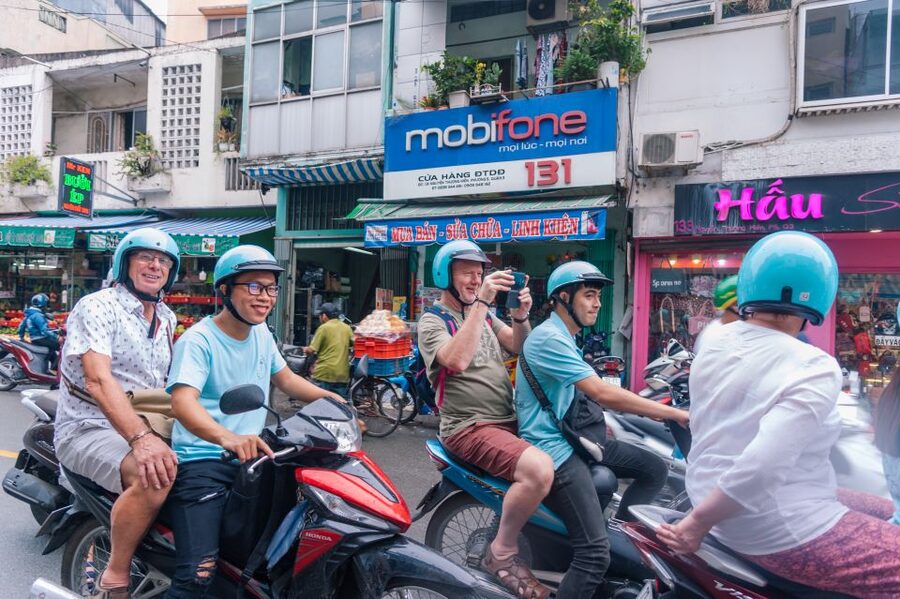
Saigon rolls by on two wheels. I love the motorbike ride and how the War Remnants Museum gives you Vietnam War context through the sites themselves, not just a script. The trade-off: it’s a 4-hour sprint, and you’ll need the right clothes for temples and pagodas.
I also like that the route groups the city’s French architecture into a tight loop, including the Notre-Dame Cathedral and Central Post Office. You get an English-speaking guide, plus time to ask questions while you move through traffic. Just know it is hands-on riding, so comfortable shoes and a calm mindset help.
In This Review
- Key highlights I’d bet you’ll care about
- Why a motorbike tour makes Saigon click fast
- 4 hours, a tight loop: what the flow feels like
- Reunification Palace: the stop that makes 1975 real
- War Remnants Museum: where the photos do the talking
- Notre-Dame Basilica and the French architecture “thread”
- Central Post Office: built like a design lesson
- Opera House, City Hall, and Nguyen Hue: Saigon beyond the museums
- Jade Emperor Pagoda: a temple stop that needs the right clothes
- Ben Thanh Market: older than you think, and alive in the present
- Kumquat juice and the small comforts that matter on a scooter
- Price and value: what $28 really buys in 4 hours
- Who should book, and who should skip the motorbike part
- Getting the most out of it: clothes, questions, and timing
- Should you book this Saigon Adventure motorbike tour?
- FAQ
- How long is the City Tour By Motorbike with War Museum & Reunification Palace?
- How much does the tour cost?
- What’s included in the price?
- What language is the tour guide?
- Are entrance fees included?
- Is hotel pickup available?
- Where is the meeting point if I’m not picked up?
- What should I wear for this tour?
- What clothing is not allowed?
- Do I need to cover my knees and shoulders?
- What’s the cancellation policy?
Key highlights I’d bet you’ll care about
- War Remnants Museum + Reunification Palace entrances included so you do not have to hunt for tickets
- Careful scooter drivers—the “safe and smooth” theme shows up again and again
- French colonial sights packed into one practical half-day loop
- Jade Emperor Pagoda & temple dress rules handled up front (cover knees and shoulders)
- Ben Thanh Market with real historical roots that go back before the French era
- Kumquat juice included, a small comfort that makes the ride feel easier
Why a motorbike tour makes Saigon click fast
Ho Chi Minh City can feel like it has two speeds: slow inside your head, and fast outside in the street. A motorbike tour is one of the best ways to match Saigon’s pace without burning half your day in transit.
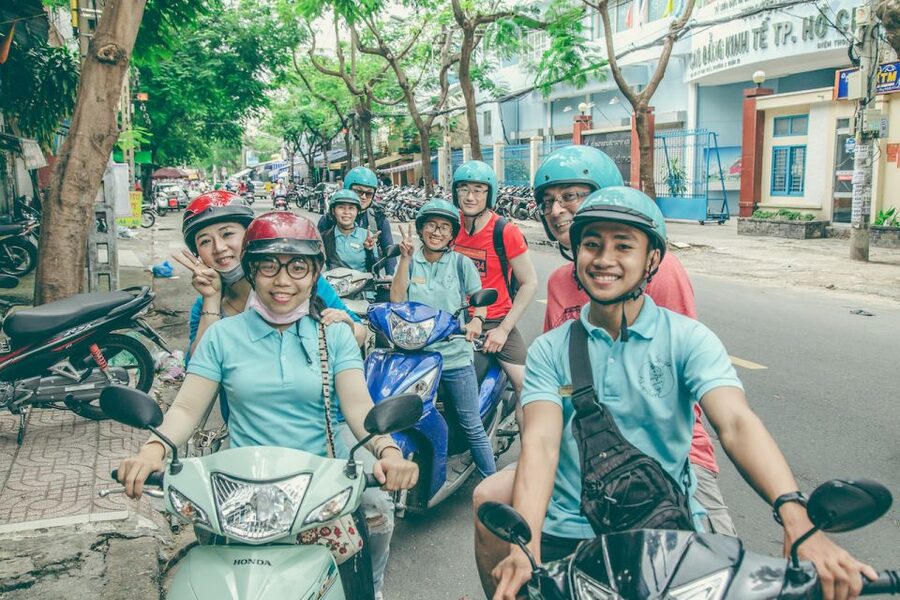
The big payoff is simple: you cover more ground than you would on foot or with a rigid bus route, while still getting close to daily life. In the strongest parts of the experience, your driver keeps the ride controlled through traffic, and your guide uses the motion to connect dots—war-era Saigon one moment, French-built landmarks the next, then markets and pagodas.
Safety matters here. This tour is repeatedly praised for careful driving, and you’ll want to listen to your guide about how to sit, when to shift, and how to stay relaxed during turns. If you’re even a little nervous about scooters, this is still doable, but it helps to choose comfortable clothing (and to mentally treat the ride like part of the experience, not a separate challenge).
You can also read our reviews of more tours and experiences in Ho Chi Minh City.



4 hours, a tight loop: what the flow feels like
This is a half-day tour, so it’s structured like a highlight reel. You’ll move through central districts and hit the city’s most discussed landmarks, then end back at your hotel.
The sequence matters because it changes the story you’re hearing. The tour starts with major turning points and war context, then pivots into architecture and city identity, and finishes with places that show how people live now—like Ben Thanh Market and Nguyen Hue Walking Street. It’s the kind of route that helps first-timers get their bearings fast, especially if this is your only short window in Saigon.
A practical note: pickup is optional in District 1 and District 3. If you’re outside those areas, there may be an extra charge, or you’ll need to meet at the listed spot: Cyclo Resto, 133 Nguyễn Du, Phường Bến Thành, Quận 1. Starting at the right place can make the whole tour feel smoother.
Reunification Palace: the stop that makes 1975 real
Reunification Palace is the emotional anchor of the tour. It was the residence of the President of the Republic of Vietnam until 30 April 1975. That single fact turns the building from “a place to look at” into “a place that marks a boundary.”
What you’ll appreciate here is how the guide frames what you’re seeing. Even without going super slow, the palace gives you a concrete sense of political power and the dramatic change that followed. Expect a mix of viewing and explanation—enough to build context, not enough to turn your day into a long museum marathon.
The possible downside is also straightforward. If you’re sensitive to heavy history, you may want a little extra patience with your own pace. This stop is central to the theme, so it won’t feel light. But if you want to understand Saigon’s past beyond headlines, it’s hard to replace.
War Remnants Museum: where the photos do the talking
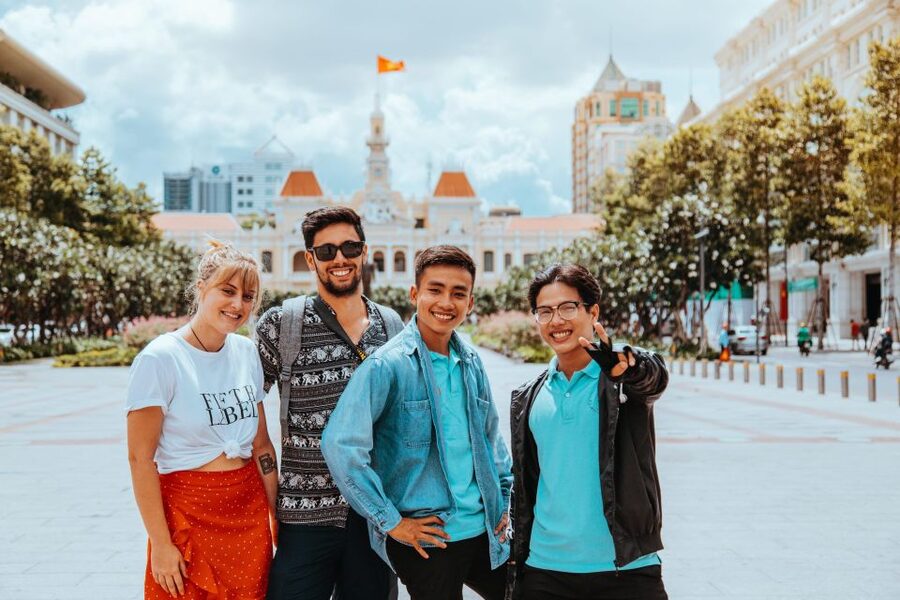
Then you go to War Remnants Museum, where you can see countless artifacts, photographs, and pictures documenting the second Indochina war. This is not just a collection of objects. It’s a guided lesson in how conflict reshapes ordinary life.
I like that this tour doesn’t shove you only through architecture and then call it “culture.” It takes you into the war story at one of Saigon’s most direct sites. Your guide’s job is to connect what you’re seeing to Vietnam War themes, including using local perspectives as you move from room to room.
If you’re worried it might be too intense: it might be. Plan for that and keep water nearby if your route timing allows. The museum is a strong reason this tour exists, because it gives your later city stops more meaning. After you’ve walked it, French colonial buildings and busy streets feel like part of a larger puzzle, not random sights.
Notre-Dame Basilica and the French architecture “thread”
One reason people book this tour is the French architecture route. The Notre-Dame Basilica (Cathedral Notre-Dame) was established by French colonists, originally known as the Church of Saigon (l’Eglise de Saïgon). Construction ran from 1863 to 1880.
You’re not just checking a building off a list. You’re seeing how colonial-era design became a lasting part of Saigon’s identity. Even from the outside, the cathedral’s presence helps you understand why many central landmarks feel tied together—different styles, same era, same urban impact.
A practical tip: you’ll be on a scooter for much of the tour, so your best photos often come when you stop cleanly and let the group gather. If you want good pictures of façades, take a moment to reposition yourself early at each stop, then ask your guide for the easiest viewpoints.
Central Post Office: built like a design lesson
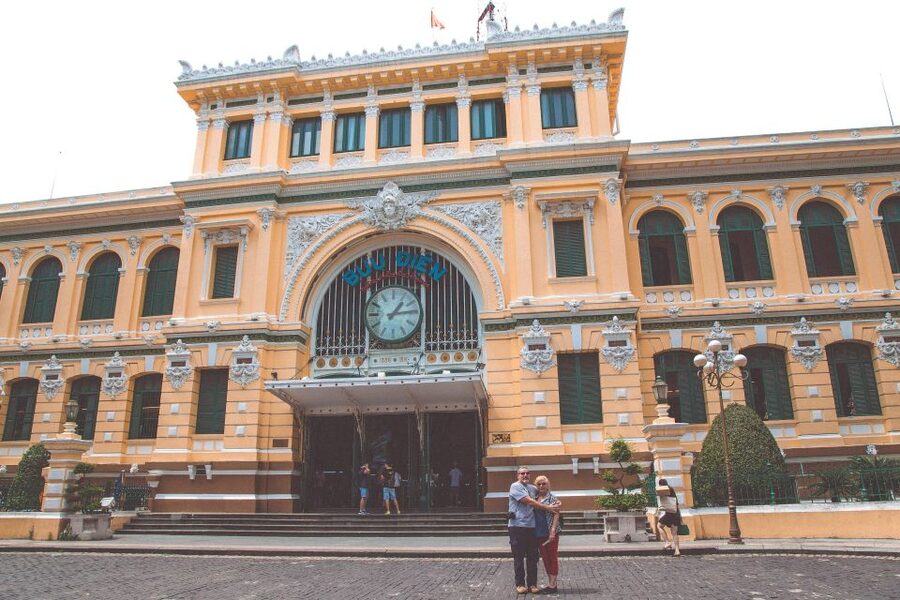
Next comes the Saigon Central Post Office. It was constructed from 1886 to 1891 and combines Gothic, Renaissance, and French colonial elements. That blend matters because it reflects how European architecture adapted itself to Vietnam’s city life.
What I find valuable is that the guide can point out the style as you walk around. If you’ve ever looked at old buildings and wondered why they look the way they do, this is the sort of stop where the explanation makes the design click.
Keep in mind: because the tour is time-boxed, you won’t get hours to wander. The win is that the Post Office is paired with the rest of the French-era cluster, so you leave with a coherent impression instead of one isolated photo stop.
Opera House, City Hall, and Nguyen Hue: Saigon beyond the museums
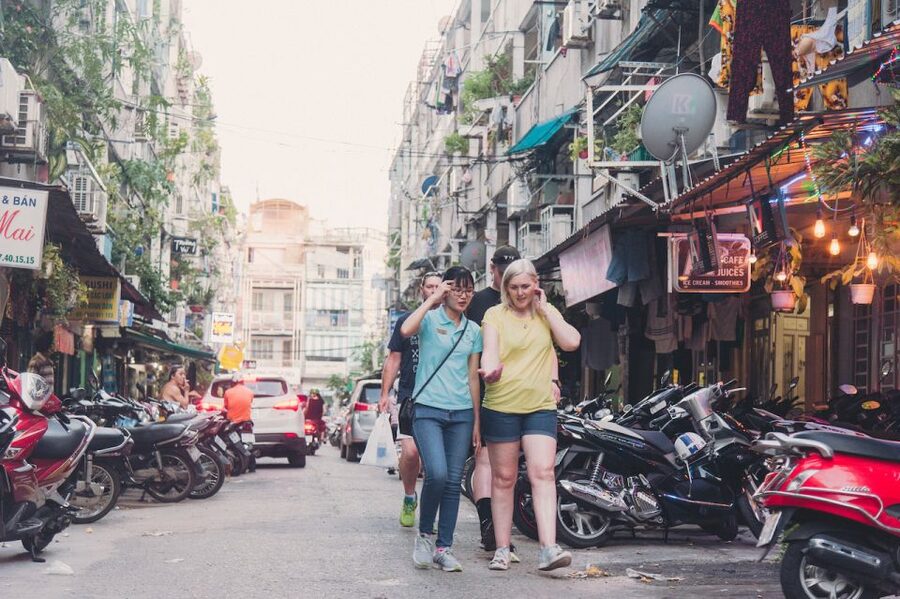
After the heavy stops, the tour shifts into the city’s “present tense.” You’ll pass or visit the Opera House and the Ho Chi Minh City People’s Committee (City Hall). Then you’ll see Nguyen Hue Walking Street.
This part of the route is useful for your mental reset. The war story is still in the background, but now you’re watching Saigon function—how people move, shop, and gather in central areas. Nguyen Hue Walking Street especially gives you an immediate feel for modern Ho Chi Minh City life in a way that museums can’t.
Also, it’s a good time to ask your guide questions. Names like Johnny, Tris, Kevin, and Nhi come up frequently in the kind of feedback I’ve seen for this tour, and the common thread is that guides can handle curiosity. If you’re wondering how Saigon’s history shaped daily life now, this is where you’ll get the most satisfying answers.
Jade Emperor Pagoda: a temple stop that needs the right clothes
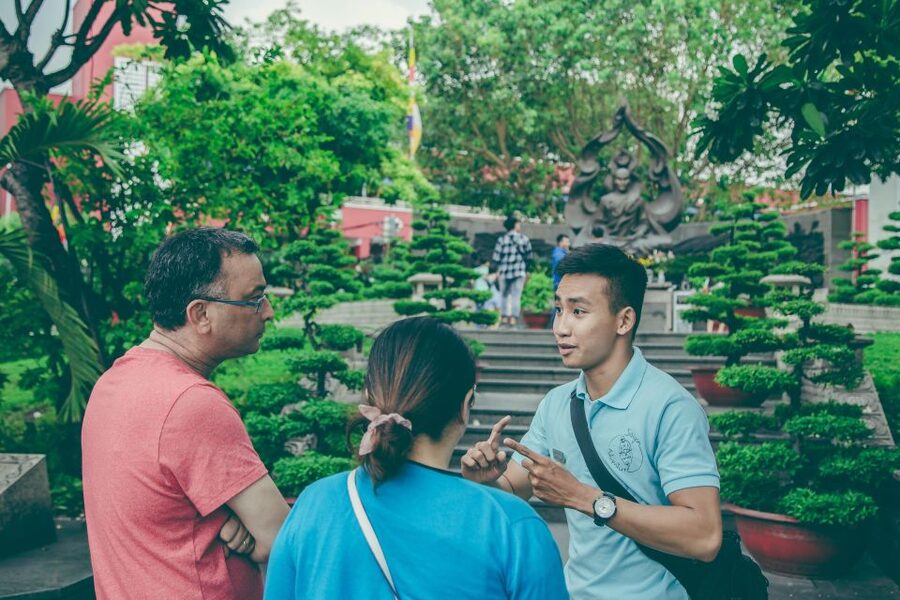
The Jade Emperor Pagoda is one of the spiritual stops on the route. It’s also one of the places where your clothing rules matter.
This tour requires covering knees and shoulders to enter temples and pagodas. Shorts, short skirts, and sleeveless shirts are not allowed. So if you’re traveling light, think ahead before you put on your outfit that morning. Comfortable shoes matter here too, because temple entry typically means some walking and standing.
I like including a pagoda stop because it balances the day. A war museum tells you about trauma and conflict. A pagoda shows you what people still honor and how religious culture survives and adapts within the city.
Ben Thanh Market: older than you think, and alive in the present
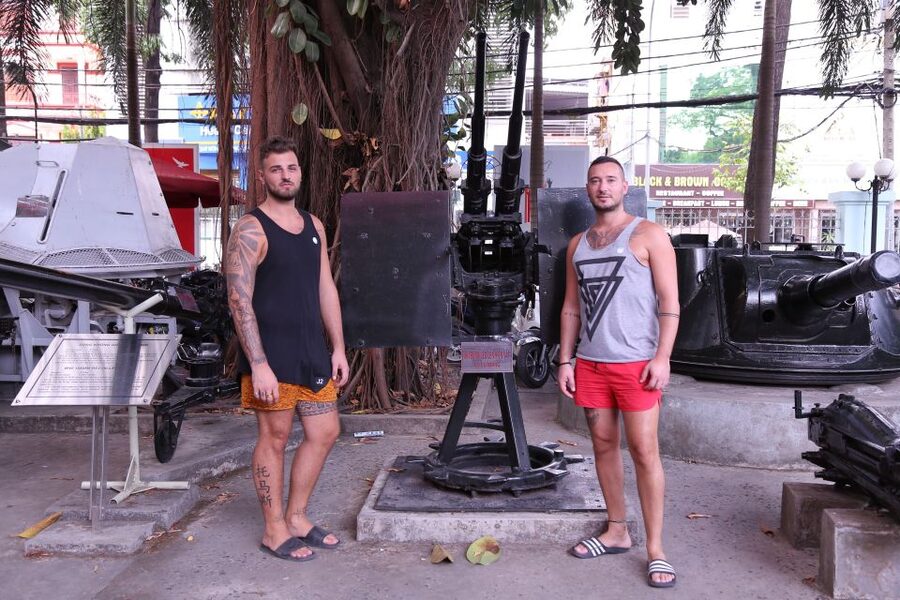
Ben Thanh Market is one of the oldest markets in Ho Chi Minh City. It appeared before the French invaded Saigon, and it was built at the beginning of the 17th century for small traders to exchange goods on the Ben Nghe River’s bank near a harbor close to Gia Dinh Citadel.
That’s the kind of detail that changes how you see the market. You’re not just strolling through souvenirs. You’re walking through a place with deep trade roots, shaped by centuries of commerce and change.
This stop also works well at the end of the tour. You’ve already learned the city’s historical layers, so you can connect them to what you see around you—street vendors, product variety, and the constant flow of locals.
If you want to shop, keep it calm. The tour structure is time-bound, so treat shopping as a bonus, not a mission. If you’re planning to do serious bargain hunting, save that for another trip after you’ve gotten your bearings.
Kumquat juice and the small comforts that matter on a scooter
One of the easier “wins” to overlook is the included Kumquat juice. It’s not a life-changing perk, but it’s a smart, practical one. After museum-heavy walking and scooter time in city heat (or just city motion), having something included makes the day feel smoother.
Another small comfort: your driver will take you back to your hotel at the end. That saves you from last-mile stress when you’re tired and your brain is already full of history and buildings.
And yes, you’ll likely get photo help. In the feedback for this tour, several guides and drivers are praised for answering questions and even helping with photos. If you bring your phone ready, and you ask politely where to stand, you’ll often end up with better shots than you would rushing at street level.
Price and value: what $28 really buys in 4 hours
At $28 per person for 4 hours, this tour is priced for short stays and first-timers. Here’s what you’re really paying for: an English-speaking guide, a scooter with a driver, and entry fees for War Remnants Museum and Reunification Palace (the major paid attractions on the theme).
That matters because these are not cheap sites to recreate on your own, especially if you’re short on time and want a guided narrative. You’re also saving effort: you’re not planning routes between dispersed landmarks or figuring out how to sequence them.
Potential added costs are mostly about where you’re picked up. Pickup is optional in District 1 and 3. If you’re elsewhere, there may be an extra charge, or you’ll use the Cyclo Resto meeting point.
Personal expenses are not included, but that’s normal. Think of the tour price as covering guide + transport + key entrances, and everything else is on you.
Who should book, and who should skip the motorbike part
This tour suits you if:
- you have limited time in Saigon and want the big highlights in one go
- you want war context tied to real locations, not just general descriptions
- you like seeing the city from street level and moving efficiently through traffic
- you want French colonial architecture grouped into a coherent route
It may be less ideal if:
- you strongly dislike scooter riding or get motion-sick easily
- you want a slow, lingering pace at museums
- you’re not willing to follow the clothing rules for temples and pagodas
The private tour option is also available, which is great if you’re traveling as a couple or want a more flexible pace. If you prefer quieter attention, it can feel worth the upgrade.
Getting the most out of it: clothes, questions, and timing
Do the basics well and your day improves fast.
Bring comfortable shoes and clothes you can move in. Plan for the temple rule: cover knees and shoulders. Also remember shorts, short skirts, and sleeveless shirts are not allowed. That’s not just for one stop—if your outfit breaks the rule, it can knock out your ability to enter key places.
Then, do the “ask questions” thing. Some guides are excellent at building connections between stops, like how colonial-era buildings sit alongside war-era stories and how trade areas show resilience after political upheaval. If you want that, ask early and ask often.
Finally, keep expectations realistic. This is a 4-hour route. You’ll see a lot, but you won’t do deep, slow research at each site. The trade-off is exactly the point: you leave with a framework for understanding Saigon.
Should you book this Saigon Adventure motorbike tour?
I think this is a strong choice if you want a high-value half-day that mixes war context, French colonial landmarks, temple culture, and a real market ending. The tour is built around major sights, and the inclusion of scooter transport plus key entrance fees makes the $28 price feel fair.
Book it if you’re comfortable riding pillion and you can follow the dress rules for temples. Skip it if you want slow museum time or you’re not up for the scooter portion.
If you fit the sweet spot, you’ll come away with Saigon’s story in two modes: what happened in the past, and how the city keeps moving.
FAQ
How long is the City Tour By Motorbike with War Museum & Reunification Palace?
The tour lasts 4 hours.
How much does the tour cost?
It costs $28 per person.
What’s included in the price?
Included items are an English-speaking tour guide, a scooter with driver, entrance fees (War Museum & Reunification Palace), and kumquat juice.
What language is the tour guide?
The live tour guide is available in English and Vietnamese.
Are entrance fees included?
Yes. Entrance fees for the War Museum and Reunification Palace are included.
Is hotel pickup available?
Pickup is optional, and the tour notes pickup in District 1 and District 3. Other districts may have an extra charge, or you can meet at Cyclo Resto in District 1.
Where is the meeting point if I’m not picked up?
The meeting point is Cyclo Resto, 133 Nguyễn Du, Phường Bến Thành, Quận 1, Thành phố Hồ Chí Minh.
What should I wear for this tour?
Wear comfortable shoes and comfortable clothes.
What clothing is not allowed?
Shorts, short skirts, and sleeveless shirts are not allowed.
Do I need to cover my knees and shoulders?
Yes. Guests must cover their knees and shoulders to enter temples and pagodas.
What’s the cancellation policy?
Free cancellation is available up to 24 hours in advance for a full refund.