REVIEW · CRETE
Crete: Knossos Palace and Lassithi Plateau Day Tour
Book on GetYourGuide →Operated by TOURLINE · Bookable on GetYourGuide
One day in Crete can feel like three worlds. You start high on the Lassithi Plateau with mountain views and traditional villages, then end at Knossos, the Minoan site tied to the Minotaur. It’s a full 12-hour loop that mixes nature, culture, and ancient storytelling in a way that stays organized.
I particularly love the ride itself: the day is planned around a comfortable, fully air-conditioned coach that keeps long drives from feeling brutal. I also like how the guide work is built into the key moments, especially the Knossos Palace guided tour, where you get context instead of just wandering room to room.
One thing to plan for: this isn’t a pay-one-price-and-forget-it day. Entrance fees are not included, and even the monastery stop may require small extra costs depending on what’s open and how entry is handled that day.
In This Review
- Key highlights you’ll feel on this tour
- Lassithi Plateau villages: where the day slows down
- Panagia Kera Kardiotissa Monastery: short stop, strong mood
- Tzermiado break and optional tavern lunch: the part that decides your comfort
- Knossos Palace with a live guide: where myths meet workable reality
- Coach comfort, timing, and pickup: the logistics that make or break a long day
- Price value: what $56 gets you, and what you’ll still pay
- Who this tour suits best (and who should skip it)
- Should you book the Crete: Knossos Palace and Lassithi Plateau Day Tour?
- FAQ
- How long is the Crete: Knossos Palace and Lassithi Plateau day tour?
- What languages are the live guides?
- Is hotel pickup included?
- Is lunch included in the price?
- Are entrance fees included?
- Which main sites are visited on the tour?
- What should I bring?
- Is the tour suitable for mobility impairments?
Key highlights you’ll feel on this tour
- Lassithi Plateau at 800+ meters: windmill country, Dikti Mountain views, and village life that feels slower
- Kera Kardiotissa Monastery stop: photo time plus self-guided visiting and scenic roadside moments
- A Tzermiado break you can actually use: time for coffee and an optional tavern lunch
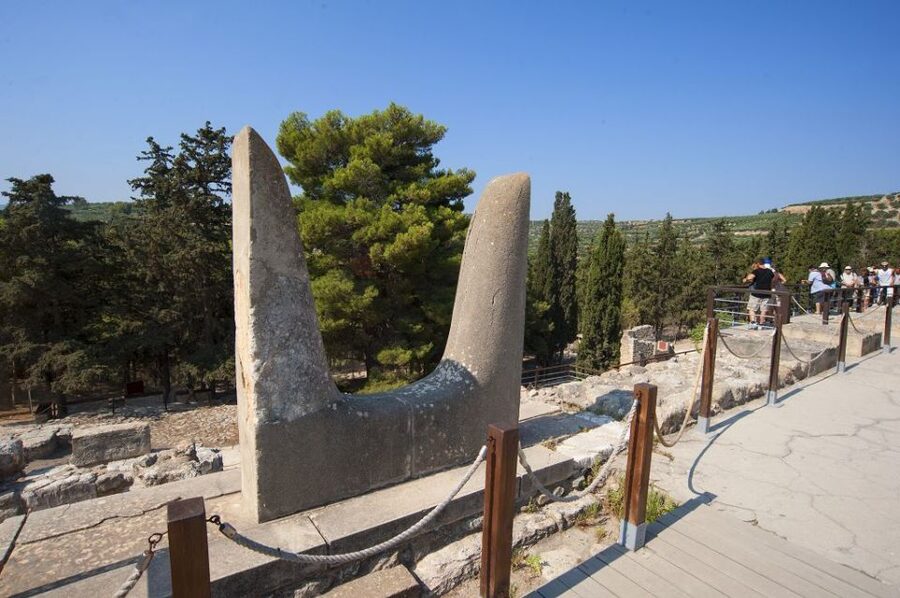
- Knossos with a live guide: myths and practical “what you’re seeing” explanations
- Psychro pottery time: a chance to spot handmade ceramics and bring home something Cretan
- Multiple pickup/drop-off areas: reduces wasted time reaching the main road
Lassithi Plateau villages: where the day slows down
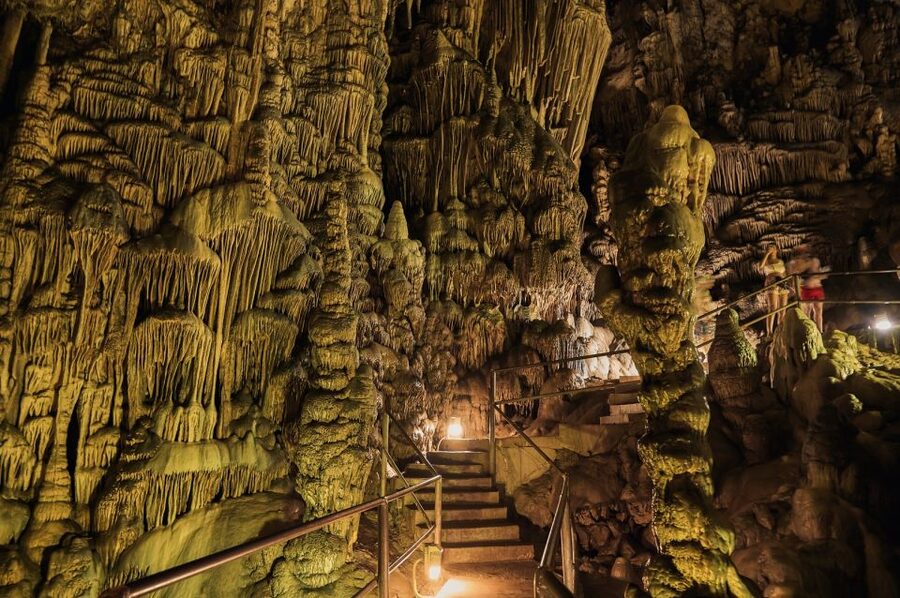
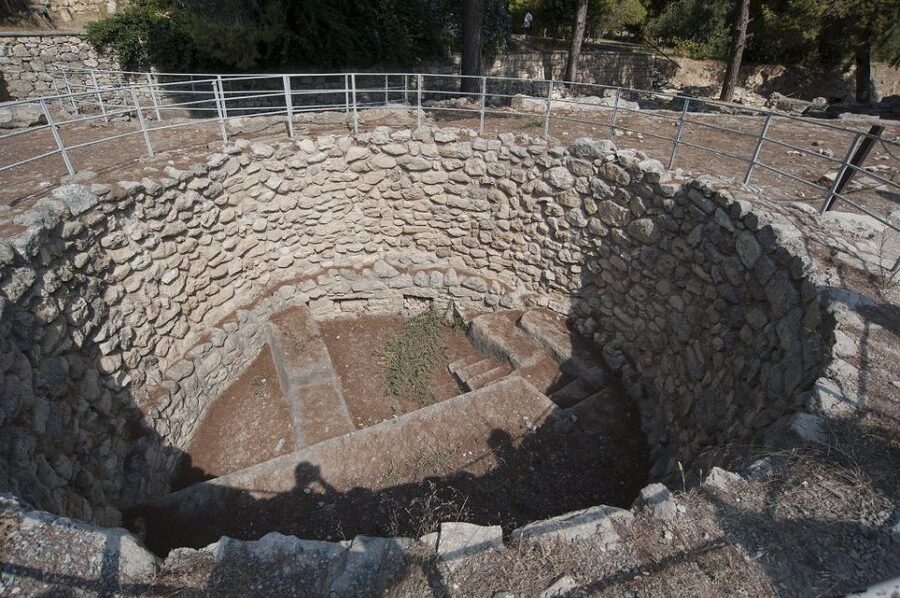
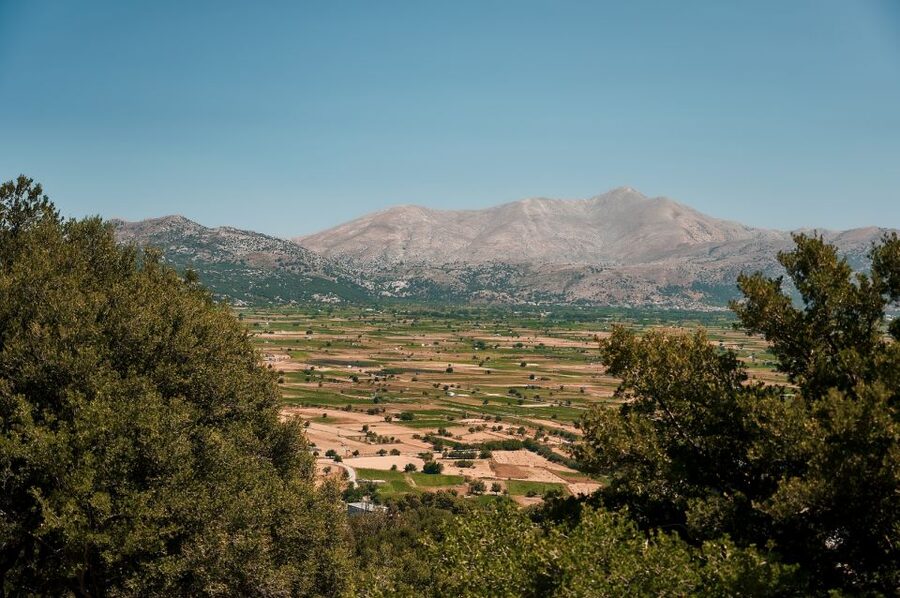
Lassithi Plateau is the kind of place that makes you look out the window for long seconds. You’re above 800 meters, surrounded by the Dikti Mountains, and the plateau sits among about 18 villages that still follow older rhythms. The big visual themes here are traditional windmills and old Venetian water ditches—not just trivia, but part of why this region mattered for farming and survival.
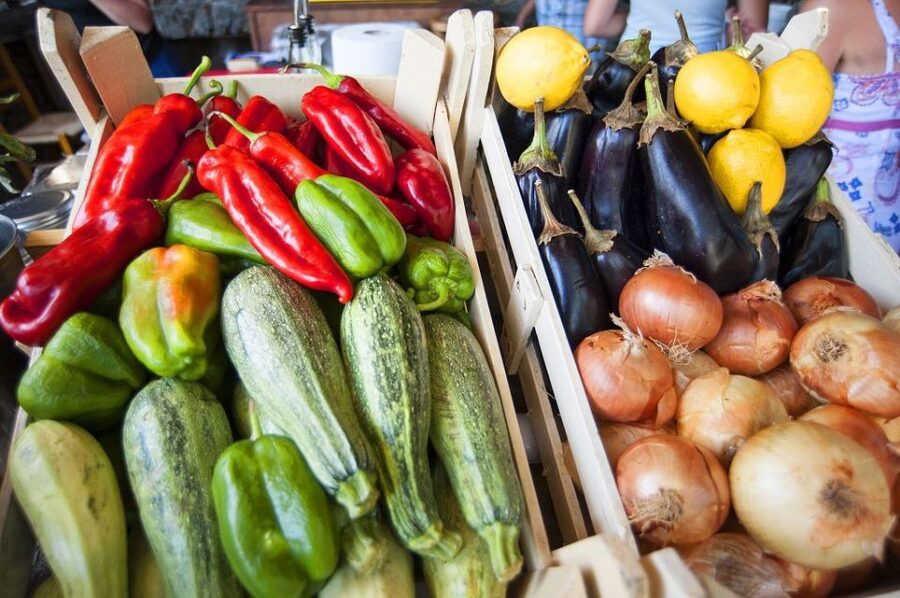
Your plateau time is designed to feel like wandering with a plan: you’ll visit picturesque villages and get chances to look at handmade crafts and sample fresh local produce. If you care about souvenirs that don’t look mass-produced, this is where it usually happens. In particular, the area around Psychro is known for handmade ceramics, and you’ll have time in that orbit to browse and (if you want) buy directly.
There’s also time tied to heritage storytelling, including a mythology-focused park. Even if you’re not the type to memorize legends, it helps you make sense of the way Cretans connect place names, gods, and old stories to geography. Think of it as setting the “myths lens” before you reach Knossos.
Practical tip: bring small cash for snacks, coffees, and purchases. Entrance fees and optional lunch costs can stack up later in the day.
You can also read our reviews of more tours and experiences in Crete.
Panagia Kera Kardiotissa Monastery: short stop, strong mood
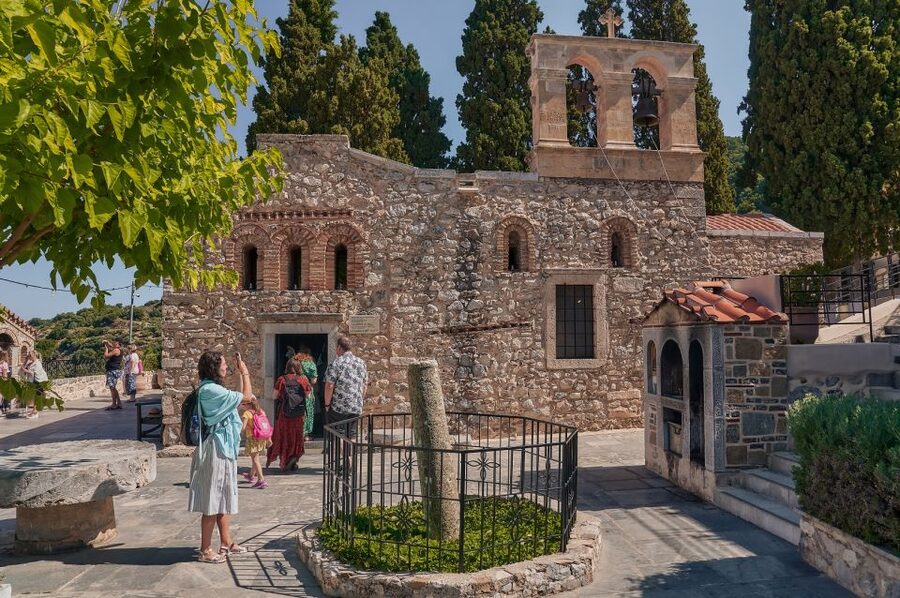
After the plateau villages, you’ll make a stop at Panagia (Kera) Kardiotissa Monastery. The schedule gives you a mix of photo stop and a visit with free time, and it’s also described as having scenic views on the way. That matters because the monastery isn’t just the building—it’s the roadside approach and how the area frames it.
This stop is also self-guided rather than a long guided lecture. That’s not a downside if you’re the independent type. You get to linger where you want, take photos without feeling rushed, and decide how much you want to read or look closely.
A useful note from real-world experience: some travelers found that the monastery’s entry cost wasn’t clearly “baked into” what they expected from the day. So treat this like a possibility, not a surprise—bring cash and assume you may need it for small entrance fees.
Practical tip: if you’re sensitive to chilly weather, check the forecast. The monastery stop can feel colder, and the day still moves on schedule.
Tzermiado break and optional tavern lunch: the part that decides your comfort
Then comes Tzermiado, a practical pause built into the route. You get a 75-minute break with time for coffee and a longer window for lunch if you choose the optional meal.
Here’s how the lunch works in the details you were given: lunch is optional and is pre-reserved for 14 euros. The menu listed is a classic Cretan-style plate: pork chop or chicken with oven potatoes, Greek salad with feta, tzatziki, bread, and a glass of wine or a non-alcoholic drink.
Whether it’s worth it depends on what kind of day you want. If you like having one steady meal without hunting for a place, the set lunch can be good value because it’s planned into the itinerary timing. If you prefer flexibility (vegetarian options, trying local small taverns, or just grabbing a light bite), you might skip it and use the free time how you like.
Practical tip: since lunch is optional and pre-reserved, don’t wait until the last minute to decide on the day. If you know you want a full meal, commit in advance.
Knossos Palace with a live guide: where myths meet workable reality
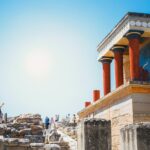
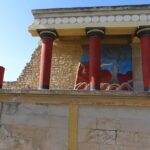
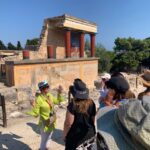
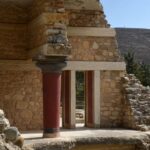
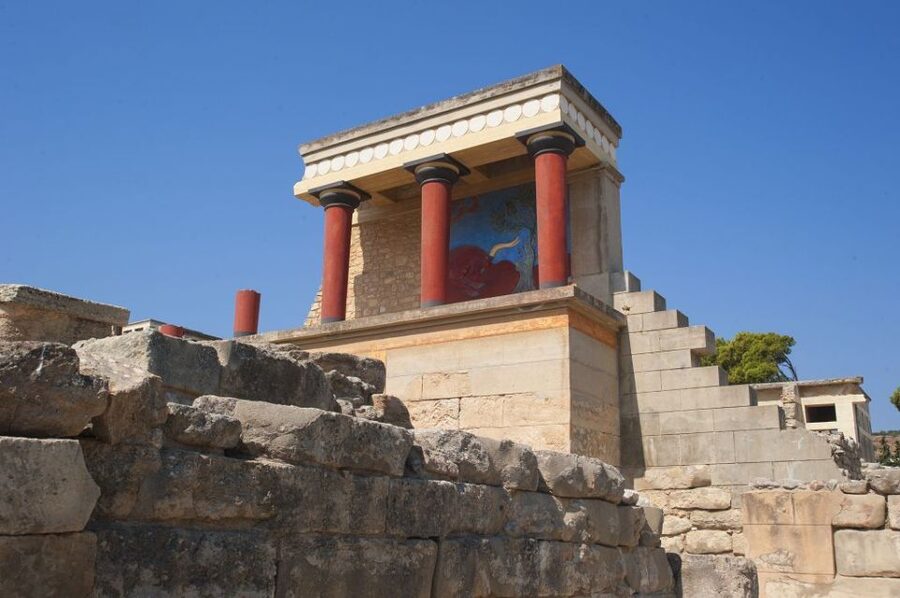
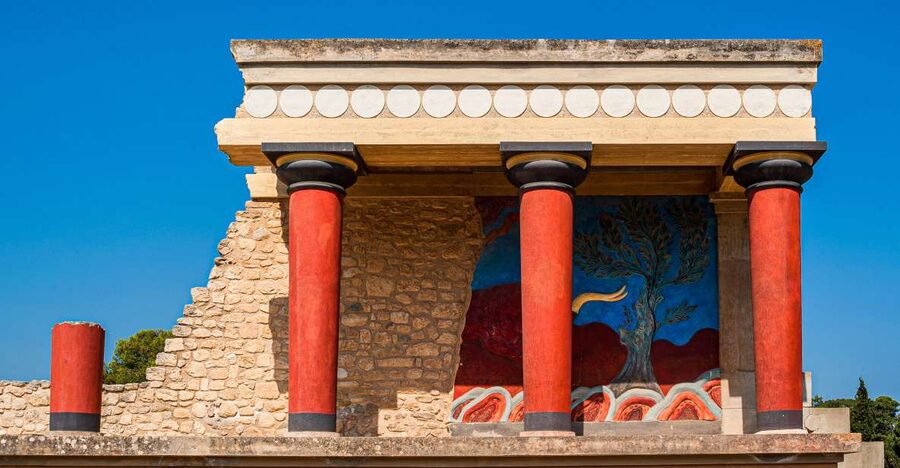
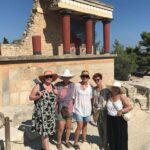
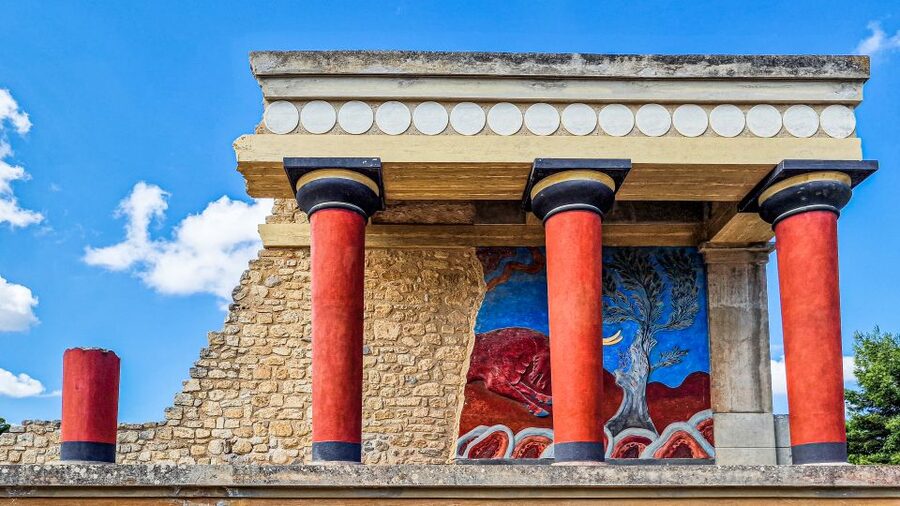
The afternoon shift takes you to Knossos Palace, the best-known Minoan site in Crete. This is not a quick photo stop. You get time to visit and a guided tour that lasts about 2 hours, with additional free time built in.
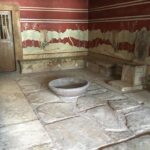
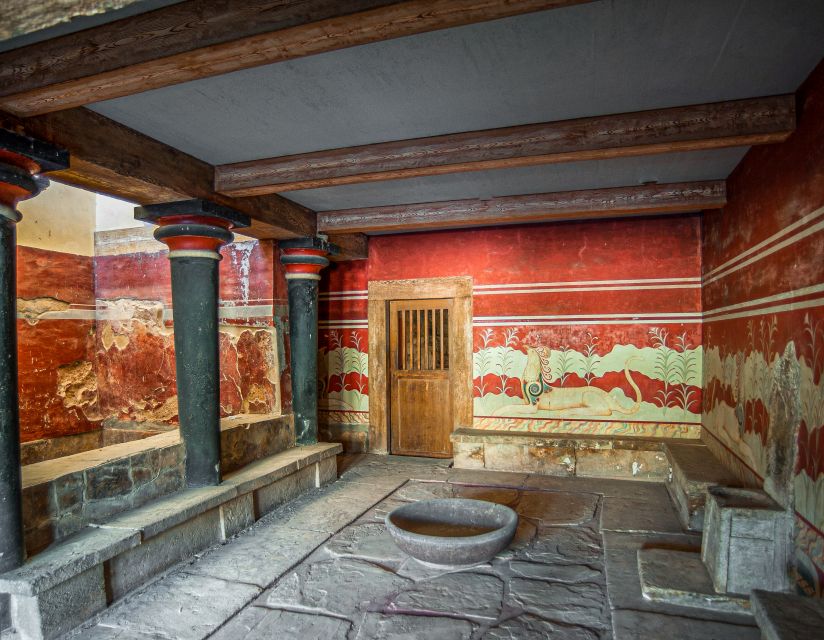
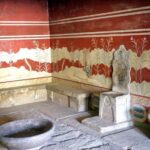
What I like about Knossos in a guided format is simple: the palace is large, and without context it’s easy to feel like you’re just walking corridors. With a live guide, you get the “so what” behind the rooms—like how the palace was organized and why certain stories stuck around. The tour framework includes classic themes: the throne room, the royal apartments, and the labyrinth idea tied to the Minotaur.
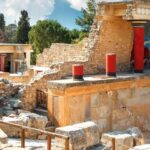
Knossos is also a place where the scale can surprise you. Even if you’ve seen photos, you’ll feel it in person: it’s Europe’s oldest city in the “city-history” sense and one of the major Bronze Age landmarks on the island. The guide’s job is to connect the structure to the myth without making it feel like a theater script.
And since you also have some free time, you can choose how much you want to linger—slow down near points that grab you, and don’t waste the whole day trying to decode everything in one pass.
Practical tip: wear shoes you trust for uneven stone. The palace terrain is old, and the 2-hour visit will ask for real traction.
Coach comfort, timing, and pickup: the logistics that make or break a long day
This is a long day at 12 hours, so the “how” matters as much as the “where.” The included transportation is a modern, fully air-conditioned coach, and that comfort matters when your route stretches across mountain areas and then back toward Heraklion.
The tour also includes experienced drivers and a multi-area pickup plan. You can be picked up from many towns along the north coast and nearby areas, with pickup described as from the main road and sometimes from the outside of hotels. Drop-off is also spread across multiple locations, so you’re not stuck backtracking deep into town streets.
In real terms: this kind of pickup planning reduces the “where do we meet exactly?” stress. And it’s why even people who felt it was a bit busy still often reported the logistics working smoothly.
One practical consideration: because pickup timing depends on where you’re coming from, you may start earlier than you expect if you’re far from the central route. Plan for a long morning, and keep your camera/charger accessible before you board.
Practical tip: bring a small layer. A lot of the day is outdoors or near open-air views, and coach temperatures can swing.
Price value: what $56 gets you, and what you’ll still pay
At $56 per person, the tour price looks like a “good bones” deal: transport, a live multilingual guide, and guided access to the headline site (Knossos). For a full-day itinerary that runs across the plateau and ends at Knossos, that’s the core value.
But you should treat this as a day with a few optional or extra line items:
- Lunch is optional and listed at 14 euros if you reserve the set meal.
- Entrance fees are not included for places of interest.
- You’ll likely want cash for any fees and for small purchases (ceramics, snacks, drinks).
So is it still good value? Usually yes, if you take advantage of what’s included. The guided Knossos tour is the anchor, and the plateau side adds scenery plus cultural stops. If you try to do every side cost-minimizing move but then pay for multiple separate fees anyway, you’ll feel the total.
My rule for this kind of day: assume the day costs a bit more than the headline price. Then it stops feeling stressful and starts feeling predictable.
Who this tour suits best (and who should skip it)
This tour is a strong fit if you want a structured day that still gives you time to wander. It’s especially good if you care about:
- Knossos but want explanations instead of self-guided confusion
- Mountain villages and crafts, not just ruins
- A comfortable full-day experience with an air-conditioned coach
It’s also not a match if you have mobility limitations. The information explicitly says it is not suitable for people with mobility impairments, so you’d be wise to look for a different format.
If you’re traveling with kids, it can work, but only if your family tolerates a long day and you’re okay with breaks being scheduled rather than spontaneous. Otherwise, you might prefer a shorter Knossos-focused half-day.
Should you book the Crete: Knossos Palace and Lassithi Plateau Day Tour?
Book it if you want one day that covers both sides of Crete: the highland plateau with villages and crafts, and then the Minoan heavy hitter at Knossos with a real guide. The pacing is built to keep you moving without feeling like cattle-herded rush, and the guide-led Knossos time is the part that most often justifies the trip.
Skip it if you hate long days, can’t handle extra costs from entrance fees, or need an itinerary that’s easier for mobility. And if you’re on a tight budget, know that lunch is optional and fees are extra, so the final total may surprise you.
If you go in with those expectations, you’ll likely come away with exactly what this itinerary is aiming for: mountain views and village texture in the morning, then myth-plus-history at Knossos in the afternoon.
FAQ
How long is the Crete: Knossos Palace and Lassithi Plateau day tour?
The tour lasts 12 hours.
What languages are the live guides?
The live tour guide operates in French, English, and German.
Is hotel pickup included?
Pickup is included from the main road and partly outside hotels in several areas, including Malia, Stalis, Hersonissos, Analipsi, Anissaras, Gouves, Gournes, Kokkini Hani, Karteros, Heraklion, Ammoudara–Heraklion, Agia Pelagia, and Fodele Beach. After booking, the operator contacts you with your pickup point and time.
Is lunch included in the price?
Lunch is not included. You can choose an optional, pre-reserved lunch for 14 euros.
Are entrance fees included?
No. Entrance fees to places of interest are not included.
Which main sites are visited on the tour?
You visit the Lassithi Plateau area with village stops, the Panagia Kera Kardiotissa Monastery stop, a break at Tzermiado, and the Palace of Knossos (guided).
What should I bring?
Bring comfortable shoes, a camera, and cash.
Is the tour suitable for mobility impairments?
No, the tour is not suitable for people with mobility impairments.