REVIEW · LISBON
Discover Alfama with the Exterior View of São Jorge Castle
Book on GetYourGuide →Operated by Discover Lisbon · Bookable on GetYourGuide
Alfama feels like Lisbon paused in time. On this guided walk, you’ll connect the neighborhood’s street-level details to bigger stories—Fado as UNESCO heritage, sweeping miradouro views, and Lisbon’s long memory of the 1755 earthquake. I especially like how the tour pairs atmosphere (azulejos, terracotta roofs, the Tagus) with clear history you can actually picture while you walk. I also like that the route builds to big viewpoints, including the Miradouro Portas do Sol stop and exterior sightlines toward São Jorge Castle.
One thing to plan for: Alfama’s lanes are steep and winding, so if you have knee issues or hate lots of stairs, you’ll want to take it slow and come ready with comfy shoes and water.
In This Review
- Key highlights worth your attention
- Rossio Square to Alfama: getting oriented before the steep bits
- Alfama’s Arabic roots and azulejo streets you can almost read
- Fado UNESCO heritage: how the guide turns music into context
- Miradouro Portas do Sol and the exterior view toward São Jorge Castle
- 1755 Lisbon earthquake history: what survived and why it still matters
- Old churches and monuments: what you’ll see and what you’ll miss
- Price and value of a 150-minute guided walk
- Who this tour is best for (and when to skip)
- Should you book Discover Lisbon’s Alfama walk?
- FAQ
- Where is the meeting point?
- How long is the tour?
- Is the tour in English?
- What’s included in the price?
- Is entry to monuments included?
- Is transportation provided to and from the meeting point?
- What should I bring?
- Can I cancel, and can I pay later?
Key highlights worth your attention
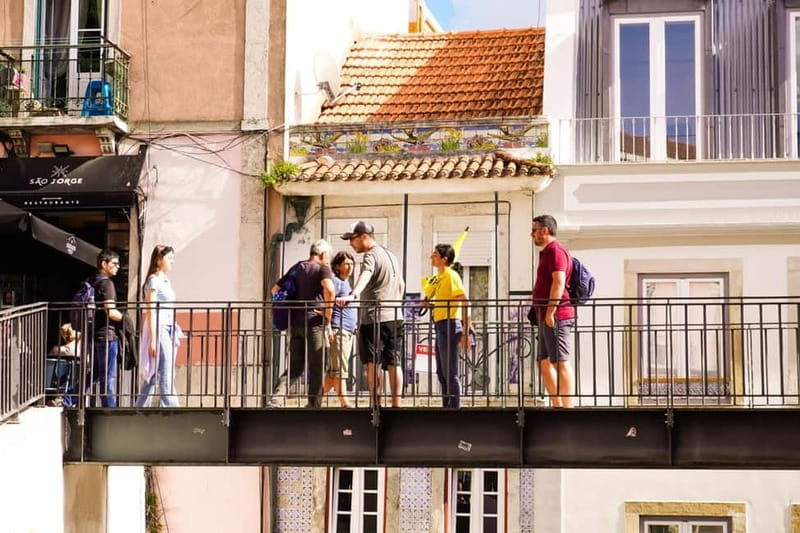
- Alfama’s 1755 earthquake story: you’ll learn why this area still kept much of its old character when other parts of Lisbon didn’t.
- Fado context tied to UNESCO heritage: you’ll hear what makes Fado more than background music.
- Miradouro Portas do Sol: a dedicated viewpoint moment for terracotta roofs and the Tagus.
- Arabic roots behind the neighborhood name: Al-hamma, meaning hot fountains or baths.
- Azulejos all around: the tour leans into the blue-and-white tile work you’ll see at street level.
- Old churches + famous monument history: you get walking history without needing entry tickets.
Rossio Square to Alfama: getting oriented before the steep bits
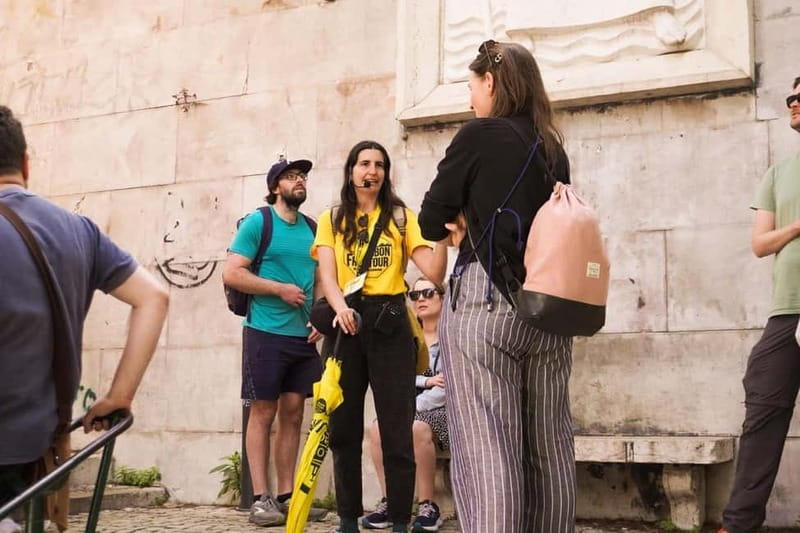
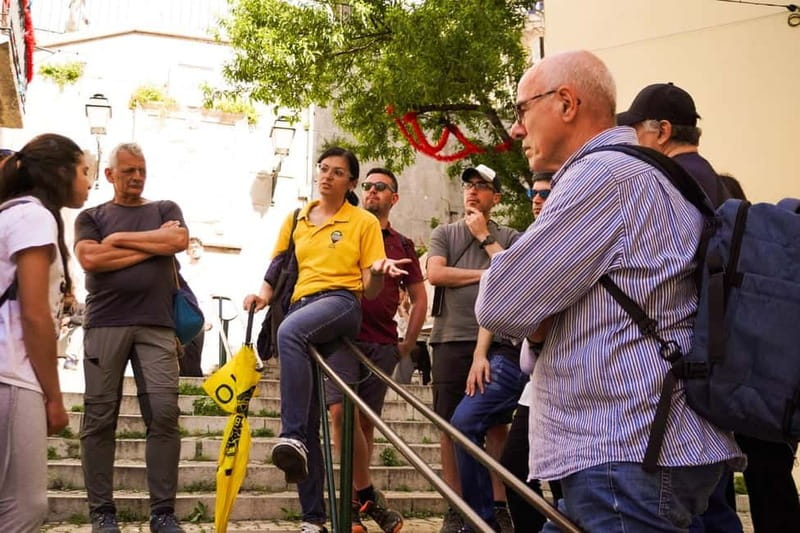
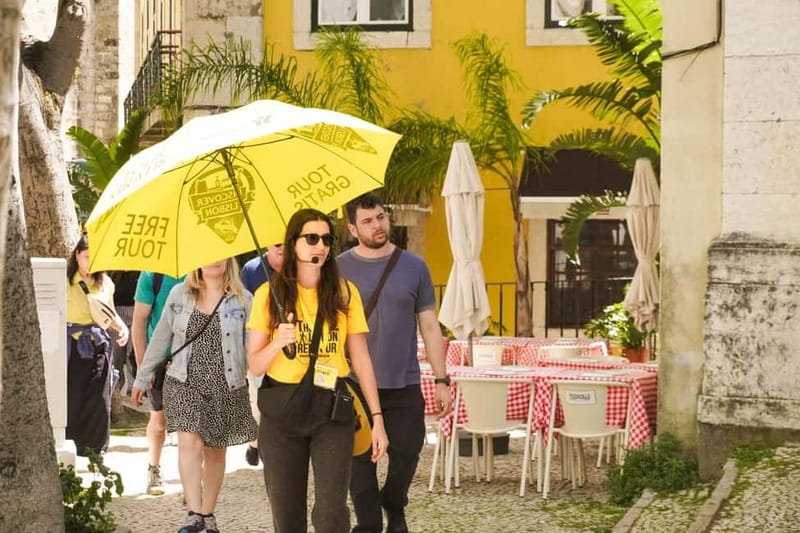
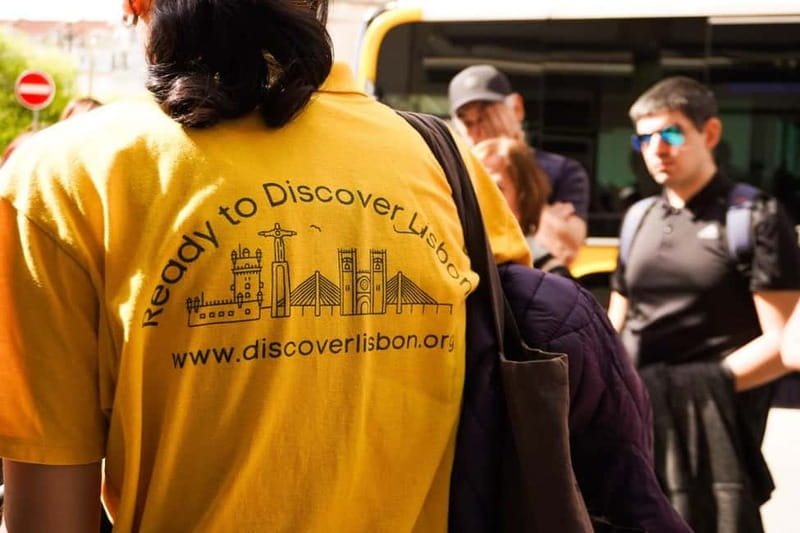
This tour starts in Rossio Square, one of Lisbon’s classic meeting points. Look for the team near the statue in the middle of the square, with a yellow umbrella and yellow hoodie or t-shirt. From there, you head through key areas of the city before you drop into the heart of Alfama.
That first stretch matters more than you might think. Instead of jumping straight into postcard alleys, the guide helps you get bearings fast—so the maze of lanes later feels less random. You’ll also get a sense of how Alfama sits above the rest of Lisbon, with its slopes setting up the viewpoint moments later.
And yes, Alfama does have steep, winding alleys. The tour is 150 minutes, so it’s not a quick in-and-out. You’ll be walking enough that “comfortable shoes” is not a suggestion—it’s the main survival gear. I’d also treat water as mandatory, not optional, especially if you’re arriving from another neighborhood earlier in the day.
There’s a fun extra too: you may notice the tour prompt about bringing your best costume. That doesn’t change the history part of the walk, but it does tell you the guide keeps the tone light. If you feel like it, dress in something playful. If not, just show up practical.
You can also read our reviews of more tours and experiences in Lisbon.


Alfama’s Arabic roots and azulejo streets you can almost read
Alfama is one of Lisbon’s oldest neighborhoods, and this walk is built to help you feel that age in small, visible ways. The neighborhood’s name traces back to Arabic—Al-hamma, meaning hot fountains or baths. That single etymology gives you a lens for the whole area: this wasn’t always a Lisbon of trams and tiles. It’s layered, shaped by cultures, and still carrying hints in its identity.
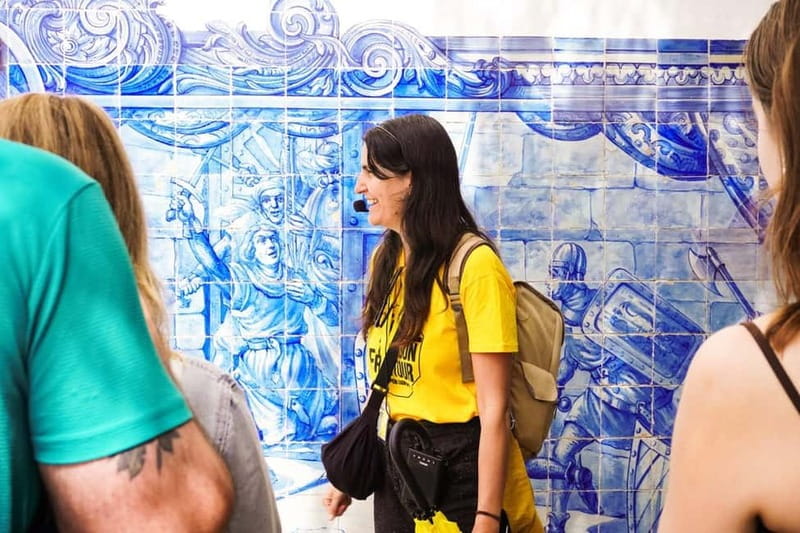
As you move through the streets, you’ll see azulejos—the beautiful tiled facades and wall accents that make Lisbon look like it belongs in a dream. More importantly, the guide connects those tiles to the broader story of how Portuguese identity shows up in everyday surfaces. It’s the difference between simply noticing pretty walls and understanding why those walls matter.
You’ll also be walking through lanes described as steep and winding, leading to the kind of views that make you stop without meaning to. The goal is to help you recognize what you’re seeing: a sea of terracotta rooftops and the Tagus River beyond. That visual rhythm—tiny street, then open view—keeps the tour from feeling like a long slog. It also helps you remember the neighborhood as a place, not just a checklist of sights.
Fado UNESCO heritage: how the guide turns music into context
Fado comes up early, and it stays part of the experience. The tour frames Fado as UNESCO world heritage, and that changes the tone. You’re not just hearing the word; you’re learning why the tradition is treated as cultural heritage at the highest level.
What I like about this approach is that it gives Fado a geography. You start thinking about the setting—old streets, intimate spaces, the kind of everyday life where a song can carry history and emotion at the same time. Fado becomes a thread that explains why Alfama sounds the way it does: echoes in narrow lanes, music as part of communal memory, not just entertainment.
If you’re the type who usually skips “cultural lecture” tours, this is one where the format works because you can connect ideas to what you’re seeing right outside your eyes. When you hear about Fado’s place in UNESCO heritage, it starts to make sense why Alfama keeps drawing people who want the real Lisbon, not a staged version of it.
Miradouro Portas do Sol and the exterior view toward São Jorge Castle
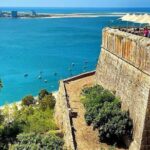
The route includes a stop at Miradouro Portas do Sol, one of the classic viewpoint moments in Alfama. This is the kind of place where your phone storage will suddenly matter. But the better value is not the photo—it’s the orientation.
From a miradouro, Lisbon’s layout stops being confusing. You can see how the terracotta roofs stack up across the slopes. You can spot the Tagus River and understand why these neighborhoods feel perched above everything else. And since the tour is named for an exterior view of São Jorge Castle, expect to get outlook moments that point your understanding toward the castle and the higher ground around it.
Practical note: viewpoint stops are where you’ll want to slow down. Take a minute, breathe, and let the guide’s story land. These aren’t just scenic breaks; they’re the tour’s “now look back at what we just walked through” segment.
1755 Lisbon earthquake history: what survived and why it still matters
One of the most meaningful parts of this walk is the history of the 1755 earthquake and the destruction that followed. You’ll learn how Alfama was one of the neighborhoods that was not destroyed in that disaster, which helps explain why the area still carries an old-world, familial charm.
This matters because it changes what you’re looking at. When you’re standing on a street with azulejos and thinking about centuries of movement through the city, the earthquake story stops being a textbook detail. It becomes a reason for the atmosphere you feel today.
The guide also ties this history to famous monuments and visits to older churches. Even if you’re not going inside every building, hearing how the neighborhood endured—and what was rebuilt elsewhere—helps you understand Lisbon as a city of layers. You start recognizing that some places are preserved not because they were protected from time, but because they survived a turning point that reshaped the rest of the city.
If you like history that has consequences you can see, this part is a highlight. If you prefer modern Lisbon only, you might find it heavier than you expected. But for most people, it makes the walk click.





Old churches and monuments: what you’ll see and what you’ll miss
The tour includes history of famous monuments and visits to old churches. The key detail here is practical: entry to monuments is not included. That means you’ll likely focus on exterior views and guided context while you’re on the move.
So plan your expectations. This isn’t a ticketed church interior day where you’ll come out with a stamp on your program. Instead, it’s a guided way to understand the religious and historic buildings that define Alfama’s character—where they sit, why they matter, and how they connect to the area’s long timeline.
This is also why the tour ends at the cathedral. You get a “finish with meaning” moment. The walk isn’t only about views; it’s about reaching a core landmark zone and tying the neighborhood stories to the city’s religious heart.
If you want deeper access—specific interior chapels, museum collections, or long cathedral stays—you’ll need to add that on your own later. The strength of this tour is how well it sets context so any follow-up visit makes more sense.
Price and value of a 150-minute guided walk
The listed price is $1.77 per person for a 150-minute English-language guided experience. That’s unusually low for a format that includes an expert guide and historical and cultural insights.
At this price level, the main value is clarity and story. You’re paying for someone to connect what you see—azulejos, steep alleys, viewpoints, churches, earthquake history—into a coherent walk. You’re also getting a route that covers a lot of emotional geography quickly: Rossio into Alfama, then viewpoints, then a finish near the cathedral.
Just keep the trade-offs in mind. Transportation to/from the meeting point is not included, so you’re on your own getting to Rossio. And entry to monuments isn’t included, so you won’t be spending your budget on ticketed experiences during the walk.
One more practical consideration: a booking note names a guide, Andy, for humorous interludes and answering extra questions beyond the tour. In that same note, the guide asked the group to add money into a hat at the end. I can’t tell you this happens every time, but it’s a good reminder to show up ready to support the guide if you feel the experience was worth it. If you’re trying to stick to a strict budget, keep it simple: pay what’s required for the tour, then decide on extra support based on your experience.
Who this tour is best for (and when to skip)
I think this tour is a strong match if:
- you want an authentic Alfama feel without spending hours figuring out where to stand for views
- you care about Fado as UNESCO heritage, not just as a word on a brochure
- you like history tied to what you’re walking on—especially Lisbon’s 1755 earthquake impact
- you enjoy viewpoints and old churches, even if the day is more about context than ticketed interiors
It might not be the best fit if:
- you want a mostly indoor, low-walking day
- you dislike steep streets and unpredictable footing
- you expect monument entries included
Also, the tour is in English, so it’s built for English speakers. If you’re comfortable with a guided explanation and want the story behind the scenery, you’ll likely enjoy the pacing.
Should you book Discover Lisbon’s Alfama walk?
If you’re choosing between jumping into Alfama on your own and doing a guided route, I’d lean guided—mainly because the tour gives you a usable framework. You’ll connect the Arabic roots of the neighborhood name, the look of the azulejos and terracotta rooftops, the meaning behind Fado’s UNESCO status, and the lasting impact of the 1755 earthquake. That combo makes your photos better, but more importantly, it makes the place stick in your memory.
Book it if you want a 150-minute, story-led walk with viewpoint payoff and cultural context, without needing monument entry tickets. Skip it or plan extra time separately if you know you want long interior visits.
If you do book, pack for the streets: comfortable shoes and water. And if you’re feeling playful, consider that costume suggestion—just don’t sacrifice comfort. The best Lisbon moments often come after the climb, when the view opens up and the neighborhood finally makes sense.
FAQ
Where is the meeting point?
You meet at Rossio Square, near the statue in the middle of the square. The team will be there with a yellow umbrella and yellow hoodie or t-shirt.
How long is the tour?
The duration is 150 minutes.
Is the tour in English?
Yes, the tour is offered in English.
What’s included in the price?
The tour includes an expert guide and historical and cultural insights.
Is entry to monuments included?
No. Entry to monuments is not included.
Is transportation provided to and from the meeting point?
No. Transportation to/from the meeting point is not included.
What should I bring?
Bring comfortable shoes and water.
Can I cancel, and can I pay later?
You can cancel up to 24 hours in advance for a full refund. The tour also offers reserve now & pay later, so you can book and pay nothing today.