REVIEW · SCHLOSS ESTERHAZY
Eisenstadt: Esterhazy Palace Admission Ticket
Book on GetYourGuide →Operated by Esterhazy Betriebe AG · Bookable on GetYourGuide
Esterházy Palace makes Burgenland feel close. This one-day ticket in Eisenstadt puts you inside a Baroque landmark and into the Esterházy private world. I especially love the art-historical treasures, like the Esterházy family silver and the world’s largest surviving set of Neoclassical silverware, still presented as a coherent set.
On the other side of the palace, I also like the Wine Museum in the old cellars—over 700 objects tied to winemaking, plus Burgenland’s oldest Baumpresse (basket press). One thing to consider: an audio guide costs extra (€2), so decide if you want that add-on narration or prefer to read at your own pace.
In This Review
- Key things to know before you go
- Eisenstadt’s Esterházy Palace: more than a pretty building
- Bel étage rooms: the Esterházy private collection in motion
- Melinda Esterházy on the first floor: a personal story, not just a name
- Joseph Haydn on the ground floor: music tied to real work
- Cellars and the Wine Museum: the palace’s bacchanalian side
- Price and time: getting value from a $22 ticket
- Who this ticket is best for (and who might not love it)
- Should you book Esterházy Palace admission?
- FAQ
- What does the ticket include at Esterházy Palace?
- Is an audio guide included with the ticket?
- How long should I plan for the visit?
- What languages are available for the audio guide?
- What main exhibits are included besides the palace rooms?
- Can I visit the Wine Museum in the cellars with this ticket?
- How much does the admission ticket cost?
- Is there flexibility if my plans change?
- Do I need to pick a specific entry time?
Key things to know before you go
- Esterházy Palace on the bel étage: museum rooms that make the building itself part of the story
- Esterházy family silver: including the world’s largest surviving ensemble of Neoclassical silverware
- Melinda Esterházy first-floor exhibit: her life as both a ballerina and a person with real swings
- Joseph Haydn in Esterházy service: multimedia stations trace his work from Eisenstadt and Eszterház onward
- Wine Museum in 300-year-old cellars: a practical look at viticulture through rare tools and barrels
- One-day structure: palace rooms upstairs, music and personal stories downstairs, then cellars for the wine side
Eisenstadt’s Esterházy Palace: more than a pretty building
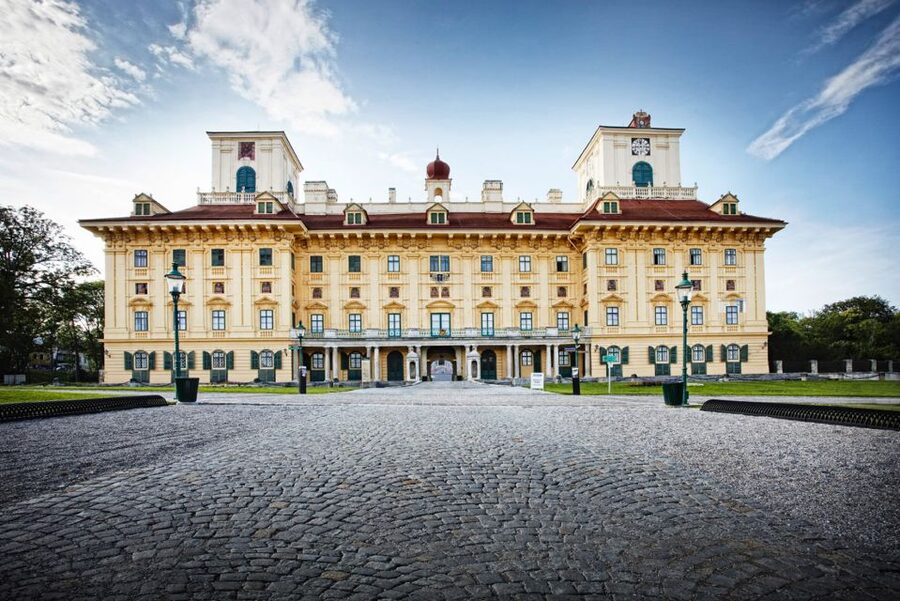
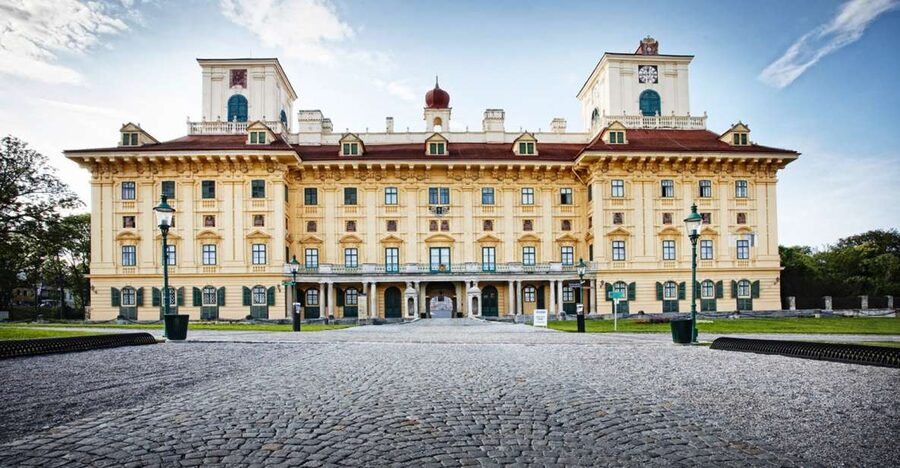
Eisenstadt has a way of feeling human-scale: you’re in Burgenland’s capital, yet you can still get a sense of who lived here and how they thought. Esterházy Palace is the anchor. It’s Baroque, yes, but the experience isn’t just walking through nice rooms. The admission ticket is organized so you move through a sequence of themes: a private collection of art and objects, personal stories tied to the dynasty, the music world of Joseph Haydn, and then the winemaking side in the palace’s older underground spaces.
In practical terms, you’re not committing to a full museum marathon. This is a 1-day visit, and the way the palace is organized helps you keep it coherent. Instead of random exhibits, the floors are like chapters: grand rooms up top, biography and music in the middle spaces, then the cellars for the wine theme.
Bel étage rooms: the Esterházy private collection in motion
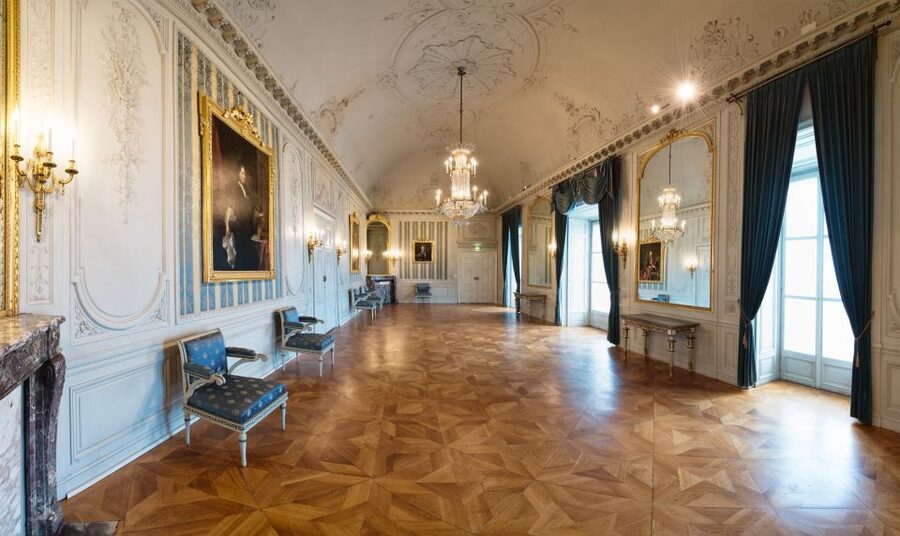
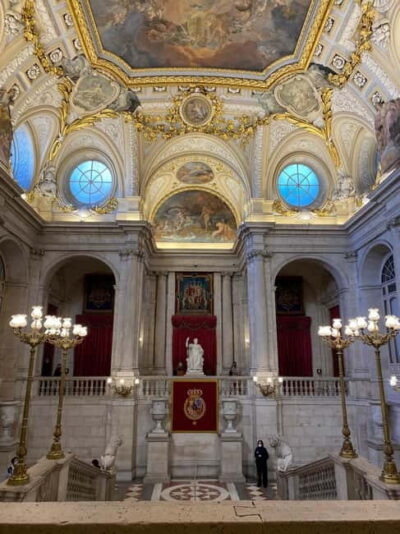
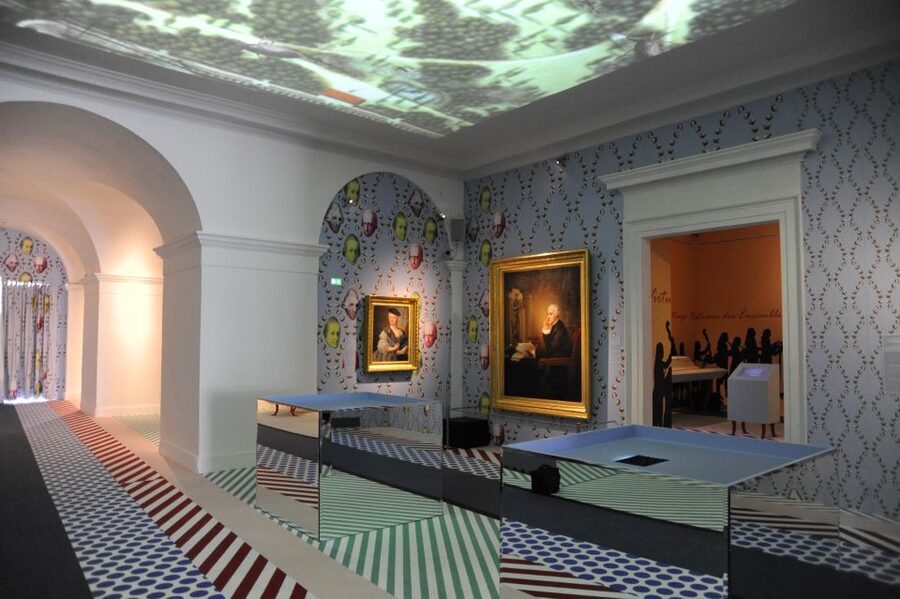
The big visual hit starts on the bel étage, where you’ll wander through the magnificent rooms that once belonged to major magnates. Even if you’re not a hardcore art collector, you’ll get something useful out of this part: a feel for how wealth was displayed, how objects were curated, and what the Esterházy identity looked like when it was meant to be seen.
This is also where the silver stands out. I love that the collection includes the Esterházy family silver, including the world’s largest ensemble of Neoclassical silverware to survive as a set. That wording matters. You’re not just seeing a few standout pieces—you’re seeing a whole body of work presented together, which makes it easier to understand the style and the intent behind it.
You’ll also get context about the palace as a building, not only as a backdrop. That matters because it turns the visit from look-and-guess into something you can explain to yourself later: why rooms feel the way they do, and how the building’s purpose shaped what was kept inside.
If you’re the type who likes to read a little and then look again, this upstairs section gives you plenty of chances to do that. If you’re the type who prefers fast stops, aim to linger at the silver rooms and then keep moving—otherwise the details can slow you down more than you expect.
Melinda Esterházy on the first floor: a personal story, not just a name
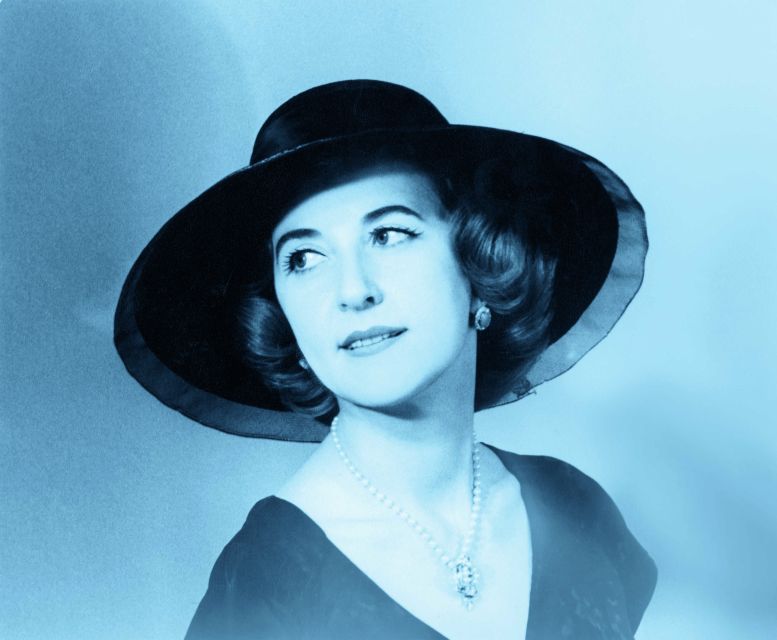
The first-floor stop shifts the focus from objects to people—specifically Melinda Esterházy. You’ll see an exhibit tracing her life and work, and it doesn’t treat her as a single-note celebrity. It frames her as a ballerina first, then adds the messy reality: her life included highs and lows, and her career had ambition and turbulence tied to it.
I like this exhibit because it makes the palace feel less like a shrine to old money and more like a place where real lives unfolded. When you look at palace rooms after learning about a specific person, you can start to connect the human drama to the setting. That’s the payoff of having this stop on the first floor—midway through your visit, it gives you a story to carry with you.
A practical tip: take a few minutes to read rather than skim. The exhibit is built around her trajectory, so if you rush, you’ll miss the arc that makes the whole thing feel earned.
Joseph Haydn on the ground floor: music tied to real work
Downstairs, Joseph Haydn becomes the star. The exhibit traces Haydn’s role as director of music and composer in the service of the Esterházy princes. This is a very useful framing because it puts you beyond the usual “famous composer” idea. Instead, you learn how he worked within a court setting—service, responsibilities, and the music that followed.
You’ll also see multimedia stations and project installations that help map his output from his beginnings in Eisenstadt and Eszterház to his later music. Even if you know only a little about Haydn, this format helps you build a timeline you can remember. It’s also a good way to keep the visit engaging when you’re standing indoors for long stretches.
One more thought: if you care about classical music history, you’ll leave this section with clearer context than you’d get from a quick plaque reading. And if you don’t care about classical music much, it still works because it’s explained through work and place—where he started, where he moved, and how his life connects to the Esterházy household.
Rebeca is named as a guide who communicates this kind of context really well. If you have the chance to choose a guided slot in English, German, or Hungarian, picking a time that matches your language will help you get the most from this part.
Cellars and the Wine Museum: the palace’s bacchanalian side
Then you get to the part that feels different from the bright rooms upstairs: the palace cellars. These are over 300 years old, and the exhibits lean into the Esterházy “bacchanalian” side—meaning the dynasty’s long association with feasting, drinking, and the pleasures of hospitality.
Even if you’re not interested in the word bacchanalian, this section is still practical. Wine is a serious business, and the cellars turn it into something you can understand through objects. The Wine Museum walks you through the history of winemaking under the Esterházy princes, using real tools and surviving pieces of equipment.
You’ll see over 700 rare objects relating to wine and viticulture. That includes historic barrels and Burgenland’s oldest Baumpresse, a type of basket press. I love object-based museums like this because the tools help you picture the steps of winemaking without needing fancy graphics. You can stand there and connect the gear to the process: pressing, extracting, storing—then moving on.
If you’re visiting in cooler months, this cellar stop can feel like a welcome break from the rest of the palace. If you visit in warmer weather, it’s a good reminder to bring layers, since underground spaces can feel cooler. Either way, plan for at least enough time to look slowly at the pressing and storage objects, not just walk through.
Price and time: getting value from a $22 ticket
At about $22 per person, this ticket is strong value if you like museums that combine story and material culture. You’re paying for admission to the palace rooms, the Melinda Esterházy exhibit, the Joseph Haydn-focused ground-floor presentation, and the Wine Museum in the cellars. That’s a lot for a single-day visit, especially when the palace itself is the central attraction.
The only clear extra cost mentioned is the optional audio guide (€2 additionally). So you have a choice:
- Go audio-guide light, and rely on labels and exhibit explanations
- Or add the audio guide if you want narration and language support
You also have to fit the visit into a single day. You’ll want to check availability to see starting times, since the ticket is valid 1 day and entry depends on the time slots offered. If you’re the kind of traveler who hates rushing through rooms, pick a later time slot only if you know you’ll still have enough daylight and energy for cellars.
In terms of language, the audio guide is available in German, Hungarian, and English. If you’re choosing between languages, think about what helps you enjoy the content: biography and music history can be easier to follow when you’re hearing the explanations in your strongest language.
Who this ticket is best for (and who might not love it)
This visit is ideal if you like at least one of these:
- art and museum collections with standout objects (hello, silver)
- classical music history tied to real places and patrons (Haydn in Esterházy service)
- human stories in historical settings (Melinda Esterházy as a complete person, not a statue)
- wine and winemaking through tangible tools (cellars, barrels, Baumpresse)
It’s less ideal if you’re chasing only outdoors time or modern-city vibes. This ticket keeps you inside and focused on the palace and its exhibits, so you’ll get the most satisfaction if you’re happy spending your day among rooms, displays, and underground spaces.
If you’re traveling with mixed interests—say, one person likes music and another likes food history—this layout is one of the reasons it works. Each major theme has its own space, so nobody feels stuck in the wrong museum.
Should you book Esterházy Palace admission?
Yes, you should book if you want a satisfying, structured day in Eisenstadt that mixes palace grandeur with real stories and real objects. For the price, you get multiple museum “chapters” in one place: the bel étage collection rooms with famous Esterházy silver, the first-floor exhibit on Melinda Esterházy, the ground-floor presentation on Joseph Haydn’s work for the princes, and the Wine Museum in over 300-year-old cellars.
Skip it only if you’re looking for a purely scenic stop or you’d rather spend your time on contemporary attractions. Here, the strength is indoors and interpretive—rooms, labels, multimedia stations, and the weight of history you can touch in the wine collection.
If you book, do one smart thing: plan to linger at the silver and at the wine objects. Those two areas are where the admission ticket’s value becomes easiest to feel.
FAQ
What does the ticket include at Esterházy Palace?
The ticket includes admission to Esterházy Palace, including access to the palace rooms and the museum exhibits described, such as the Melinda Esterházy exhibit, the Joseph Haydn presentation, and the Wine Museum in the palace cellars.
Is an audio guide included with the ticket?
No. An audio guide is optional and costs an additional €2.
How long should I plan for the visit?
Plan for about 1 day.
What languages are available for the audio guide?
The audio guide options are German, Hungarian, and English.
What main exhibits are included besides the palace rooms?
In addition to the rooms at Esterházy Palace, you’ll be able to visit exhibits tracing Melinda Esterházy’s life and work and Joseph Haydn’s work in the service of the Esterházy princes.
Can I visit the Wine Museum in the cellars with this ticket?
Yes. The ticket includes access to the Wine Museum in the old palace cellars.
How much does the admission ticket cost?
The price is listed as $22 per person.
Is there flexibility if my plans change?
Yes. Free cancellation is available up to 24 hours in advance for a full refund.
Do I need to pick a specific entry time?
You should check availability for starting times, since the ticket is valid for 1 day and entry is tied to the offered time slots.