REVIEW · KRAKOW
Krakow: Wawel Castle and Cathedral Guided Tour
Book on GetYourGuide →Operated by INTERCRAC Ltd. · Bookable on GetYourGuide
Wawel Hill holds Poland’s power in stone. This guided visit gives you skip-the-line access and ends with the chance to touch the Sigismund Bell. It’s a smart way to see why Wawel matters, without wasting time in ticket lines.
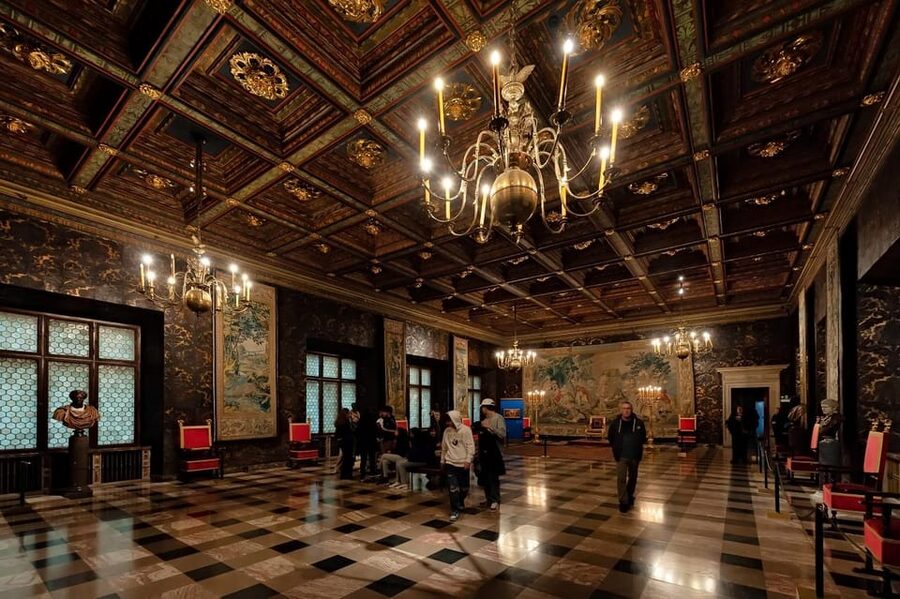
I like the State Rooms most—Renaissance interiors, royal display halls, and major art collections. I also like the jump into Wawel Cathedral, where you walk through coronations, marriages, and the burial story of Poland’s rulers.
The one trade-off is time: in 2 hours you’ll hit the big moments, but you may wish you had longer with the views and chapels. That’s the price of a tight, high-impact tour.
In This Review
- Key highlights worth your attention
- Entering Wawel with a guide (and no time lost)
- How the 2-hour tour flows: from State Rooms to royal tombs
- Castle first: royal spaces as a museum
- Cathedral next: coronations, chapels, and burials
- Finishing with the tower and the Sigismund Bell
- Then down to the royal crypts
- Skip-the-line entry: what it changes for your day
- Inside Wawel Castle museum rooms: art, display, and big cultural crossings
- Wawel Cathedral: what to look for when the story is explained
- Your guide matters: what I’d expect from the way this tour is led
- Meeting point on St. Mary Magdalene Square: don’t miss the first step
- Price and value: what $57 buys you in real terms
- Who should book this tour (and who might skip it)
- What to bring and how to dress for Wawel worship spaces
- Should you book: my straight answer
- FAQ
- FAQ
- How long is the Wawel Castle and Cathedral guided tour?
- What’s included in the tour price?
- Is skip-the-line access included?
- Where do I meet the guide?
- What languages are available?
- What should I wear?
- Do I need to arrive early?
- How big is the group?
- Can I cancel if my plans change?
Key highlights worth your attention
- Skip-the-line entry to keep your visit moving fast
- State Rooms focus with art and museum galleries, not just a walk-through
- Wawel Cathedral essentials: Gothic architecture, chapels, and royal burial sites
- Sigismund Bell tradition with panoramic views from the tower area
- Small-group energy (max 30) with headsets for larger groups
- Guides that make the Polish story click, with many leading names like Jacek, Anna, and Helena
Entering Wawel with a guide (and no time lost)
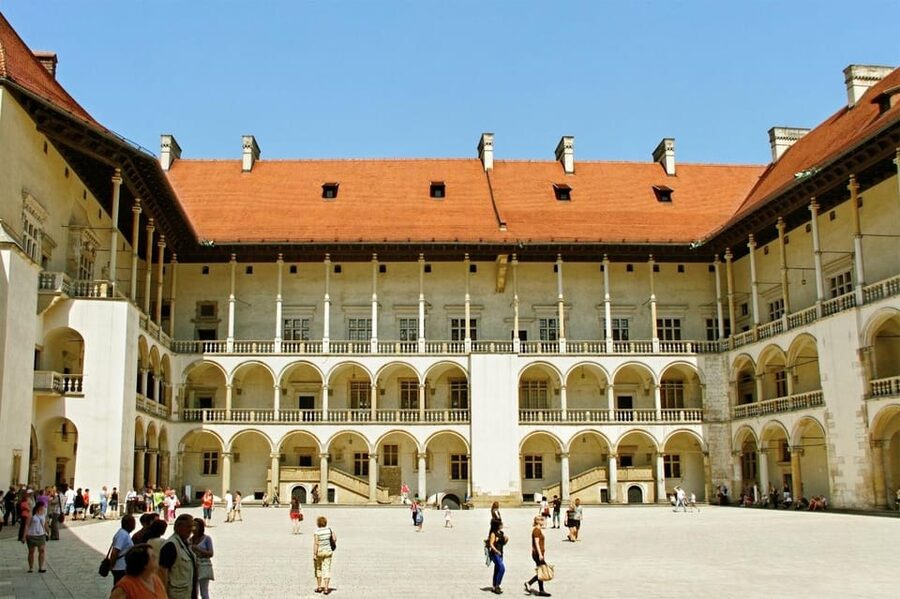
Wawel can feel like a lot. You’re looking at centuries in stone—royal rooms, museum collections, and a cathedral built to outlast empires. A guided tour helps you connect the dots quickly, so you aren’t just taking photos at random angles.
The structure of this tour is practical. You move from the royal castle museum spaces into the cathedral, with a timed rhythm that’s designed for a 2-hour window. That matters, because both the castle and cathedral can be crowded, and the entry process can otherwise eat up your day.
You can also read our reviews of more tours and experiences in Krakow.


How the 2-hour tour flows: from State Rooms to royal tombs
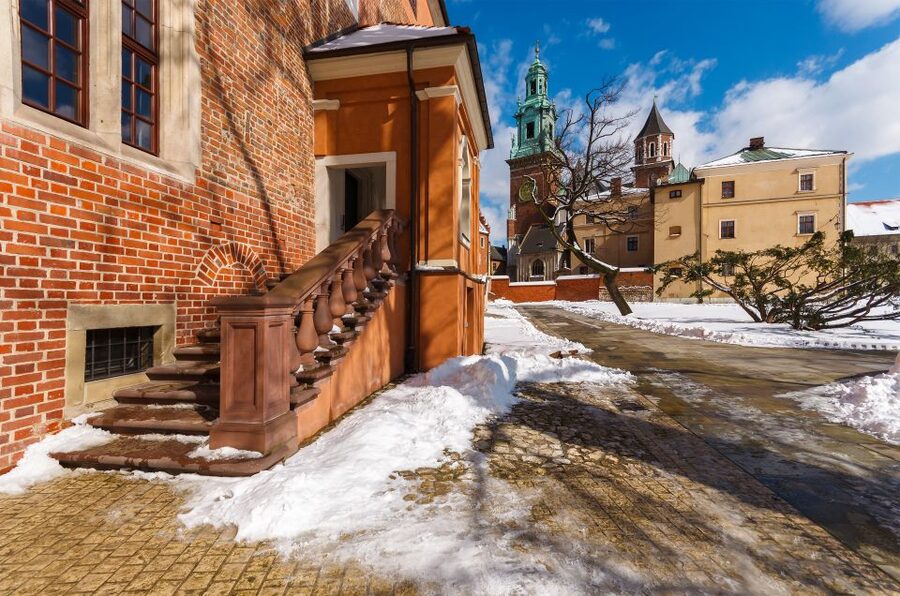
This is a straightforward “highlights” route, and that’s a good thing. In a short time, you get the key Wawel story: monarchy, national identity, and the art those rulers wanted to display.
Castle first: royal spaces as a museum
You start with the castle side, walking through the elegant State Rooms of the Royal Castle. You’ll see the kind of Renaissance interiors that make you understand how power was staged—ornate rooms meant to impress visitors and reinforce authority.
Then the tour shifts into museum galleries. You’re not limited to paintings. The castle collections you’ll hear about include:
- porcelain and weaponry galleries
- Eastern art
- and a major highlight: Europe’s largest collection of Ottoman tents
That last detail changes how you think about Krakow. Wawel isn’t just Polish; it sits at a crossroads of cultures, and the collections reflect that.
Cathedral next: coronations, chapels, and burials
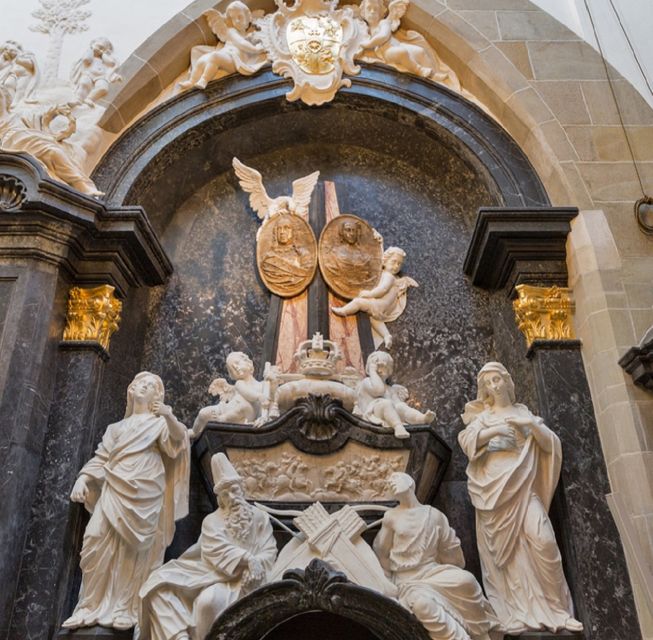
After the castle, you go straight into the Wawel Cathedral, which is where Poland’s monarchs were crowned, married, and laid to rest. You’ll spend time with the cathedral’s Gothic design and ornate chapels, and you’ll also see the famous golden domes.
The guide’s job here is to turn “beautiful building” into “understanding what happened.” The cathedral is big in meaning, not just size. Once you know the sequence—who was crowned, who married there, who was buried—you’ll notice details more clearly as you walk.
Finishing with the tower and the Sigismund Bell
The tour includes a stop at the tower for panoramic views of Krakow. Then comes the tradition: you can touch the Sigismund Bell for good luck.
Is it a bit touristy? Yes. Is it also a fun, easy cultural moment in a real historic setting? Also yes. It’s one of those small actions that gives the visit a “I was there” feeling.



Then down to the royal crypts
The final phase moves you into the royal crypts—resting place of Poland’s greatest rulers and visionaries. This is the part that often leaves people quiet for a minute. You’re standing in a space tied to national memory, not just a decorative interior.
Skip-the-line entry: what it changes for your day
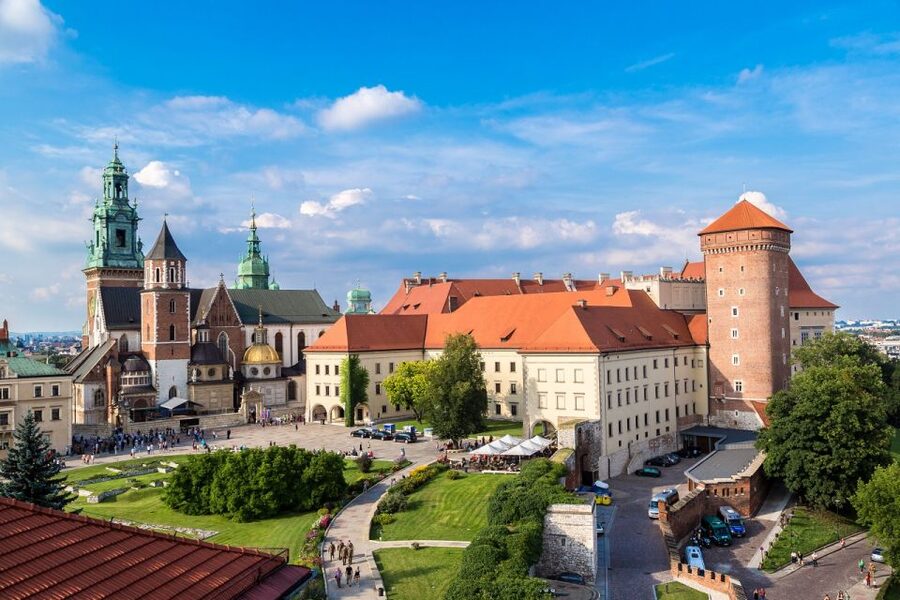
You’re paying for a reason here: the tour includes fast-track access to Wawel and priority entry. That means less waiting and more time inside seeing what you came for.
In practice, this helps most if:
- you’re visiting during peak hours
- you don’t want to gamble on line lengths
- you only have limited time in Krakow
One small note: fast-track access includes one permanent Wawel Castle exhibition, and availability can vary. So you’ll get a guided “core” route, but you shouldn’t expect the tour to cover every single gallery you might see on a full independent visit.
Inside Wawel Castle museum rooms: art, display, and big cultural crossings
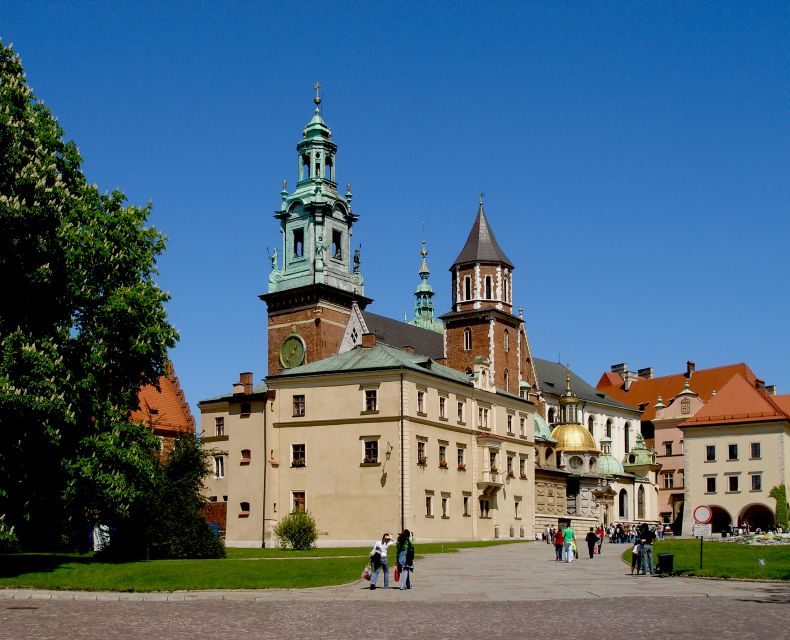
Wawel Castle is often described as spectacular, and it is. But one balanced reality check: it can feel less like a “walk through royal daily life” castle and more like a curated museum of power, art, and objects. One visitor even said the castle felt smaller than they expected. That doesn’t make it bad. It just changes what you should look for.
If you enjoy art history, this part works well. The guide helps you understand the collections as evidence of political reach and cultural exchange. That’s where the Ottoman tents detail hits hard. You’re seeing how Poland’s court and collectors viewed the wider world, not just local traditions.
You’ll also hear about:
- elaborate tapestries and historic interiors in the State Rooms
- art groupings in the galleries (porcelain, weapons, and Eastern works)
So when you walk from room to room, try to think like this: these objects and rooms were meant to impress, to signal status, and to record connections. Your guide turns that idea into something you can actually see.
Wawel Cathedral: what to look for when the story is explained
Wawel Cathedral is famous for its chapels and royal significance, but it’s also a place where details get easier when you have context. The guide walks you through the meaning of what you’re seeing.
Here’s the cathedral angle that makes this tour worth it:
- You’re not just admiring Gothic architecture. You’re learning what the space was used for—crowning monarchs, hosting marriages, and marking final resting places.
- You’re seeing ornate chapels and golden domes with a narrative attached, so the visit feels guided, not scattered.
Then there’s the tower stop. The panoramic view is brief, but it’s a real reset button. You come out of the cathedral story and get oriented to Krakow again. And then you get the Sigismund Bell moment, which adds a memorable, slightly playful highlight.
One practical consideration: cathedral access can be crowded. The tour keeps things moving, but don’t expect a quiet, empty church experience. Go with the mindset that it’s an active historic site with people in the same photo spots.
Your guide matters: what I’d expect from the way this tour is led
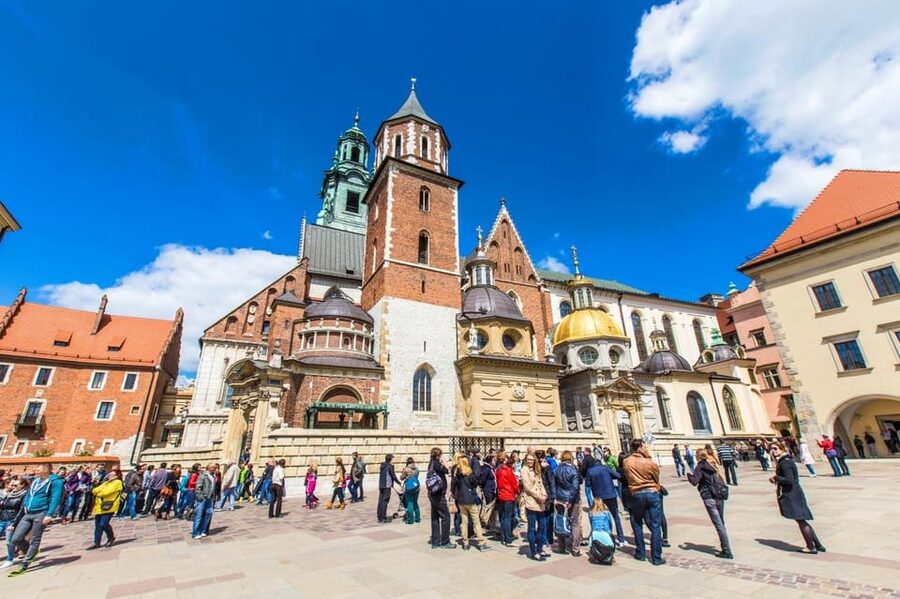
The quality of this tour comes down to the guide’s storytelling. Many people singled out guides by name—Jacek, Anna, Helena, Joanna, Monica, Kryztoph, and Michael among them. The recurring theme is clear explanations and a pace that lets you see each section before the next one starts.
I like tours where the guide has a point of view and can explain why something is there. That’s the style you should expect here: Polish history tied to specific rooms and features, not random facts tossed out like trivia.
Also, the group size is limited to 30 participants. Smaller groups can feel better in tight spaces like the cathedral corridors. In fact, some bookings were small enough that the guide could answer lots of questions without rushing.
Meeting point on St. Mary Magdalene Square: don’t miss the first step
You meet your guide on St. Mary Magdalene Square, at the Piotr Skarga Monument. The guide will hold a sign for Wawel Castle & Cathedral Guided Tour.
Two tips that keep things smooth:
- Arrive at least 10 minutes early. Once the group enters, joining late isn’t possible and tickets won’t be refundable.
- The meeting point is not on Wawel Hill. The voucher provides the exact location, but don’t assume the closest entrance to the hill is your meeting spot.
If you like planning, set a buffer on arrival. Old Krakow squares are easy to navigate, but it’s still easy to lose a few minutes when you’re checking streets and signs.
Price and value: what $57 buys you in real terms
At about $57 per person for a 2-hour guided tour, the value comes from three things:
- a licensed local expert guiding you through castle rooms and cathedral meaning
- entrance and ticket handling included for the cathedral
- fast-track / priority entry that protects your time
You’re also getting headsets for groups of 9 or more, which is a quiet win when you’re in echoing stone spaces and want to hear the guide clearly.
Could you do Wawel on your own? Sure. But Wawel is exactly the kind of site where context turns “I saw rooms” into “I understand why these rooms matter.” If you care about history and art at the same time, the price feels fair.
If you’re the type who hates organized pacing and wants to linger for 45 minutes per chapel, you might find the 2-hour route a little fast. In that case, consider a longer, self-guided museum day too.
Who should book this tour (and who might skip it)
This tour is a strong match if you:
- want a clear, guided overview of both castle and cathedral in one sitting
- enjoy the overlap between art, politics, and national identity
- don’t want to spend your limited Krakow time waiting in lines
- like a plan that still leaves room for photos and a tower view
You might skip or adjust expectations if you:
- want unlimited time in each chapel or room
- prefer a slow museum wander with no timed stops
- expect Wawel Castle to feel like a lived-in palace with lots of everyday artifacts everywhere
What to bring and how to dress for Wawel worship spaces
This is practical. You’ll want:
- comfortable shoes (walking on historic surfaces adds up fast)
- clothing that covers shoulders and knees
The dress code matters because it’s enforced in places of worship and selected museums. That means no shorts and no sleeveless tops in those areas. If you’re traveling in warm weather, bring a light layer so you don’t get stuck thinking about it halfway through.
Should you book: my straight answer
Book it if you want to get the most meaning from Wawel in the least time. The guided structure—castle State Rooms, museum galleries, cathedral coronation and burial story, tower views, and the Sigismund Bell—is the right mix for an efficient Krakow day.
Skip it (or pair it with extra free time) if you’re the “I want to linger” type, or if you dislike groups moving at a schedule. For a one-day hit of Wawel’s biggest themes, though, this tour is an easy yes.
FAQ
FAQ
How long is the Wawel Castle and Cathedral guided tour?
It lasts about 2 hours.
What’s included in the tour price?
You get a guided tour with a certified local expert, entrance to Wawel Cathedral, and fast-track access to one permanent Wawel Castle exhibition (availability varies). Headsets are provided for groups of 9 or more.
Is skip-the-line access included?
Yes. The tour provides skip-the-line and priority entry.
Where do I meet the guide?
Meet on St. Mary Magdalene Square at the Piotr Skarga Monument. The guide will hold an Wawel Castle & Cathedral Guided Tour sign.
What languages are available?
The live guide is offered in English, German, French, Polish, Italian, and Spanish.
What should I wear?
In places of worship and selected museums, clothing must cover shoulders and knees. Shorts and sleeveless tops are not permitted.
Do I need to arrive early?
Yes. Be at the meeting point at least 10 minutes before the scheduled start. After the group enters, it won’t be possible to join late, and tickets are non-refundable.
How big is the group?
Group size is limited to a maximum of 30 participants.
Can I cancel if my plans change?
You can cancel up to 24 hours in advance for a full refund.