REVIEW · KRAKOW
Wawel Castle and Cathedral Guided Tour
Book on GetYourGuide →Operated by Kraków Explorers · Bookable on GetYourGuide
Wawel can feel like time travel in 2 hours. This guided outing strings together Wawel Castle and the Wawel Cathedral, so you get kings-and-queens stories alongside the real Gothic space where monarchs were crowned. I like that it moves fast without feeling rushed, and you also get a focused look at the Royal Chambers collection.
One thing to plan around: the cathedral is an active place of worship. During major religious, state, or jubilee events, admission to the cathedral area (and even the royal tombs or bell tower) may be suspended, and the visit may be swapped for another entrance within the castle complex.
In This Review
- Key moments you’ll care about
- Two hours at Wawel: why this guided format is so efficient
- Entering Wawel Cathedral: Gothic architecture and coronation context
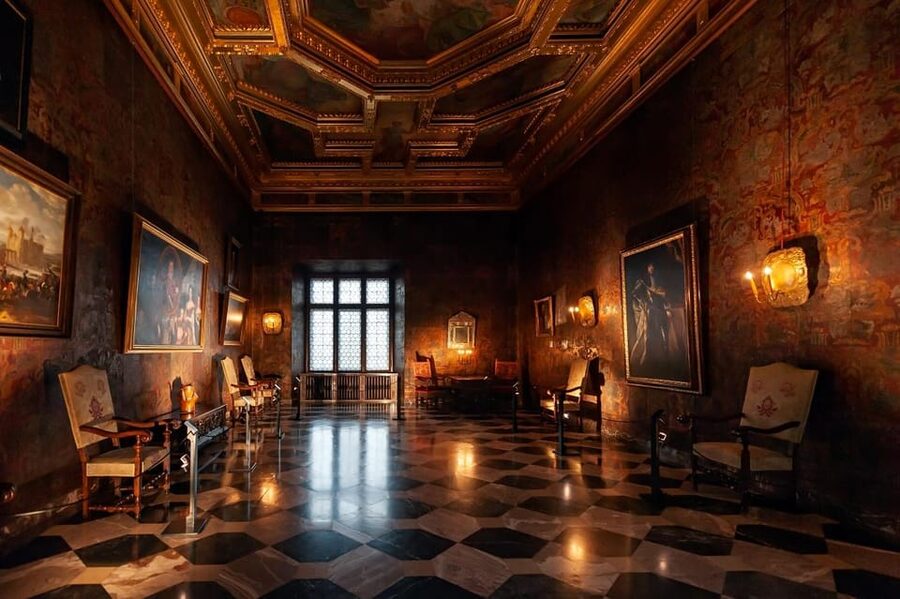
- Wawel Castle Royal Chambers: the royal rooms you actually want to see
- What the included castle exhibition might be: State Rooms, Private Apartments, or Crown Treasury
- The Eastern art surprise: why the tents collection is a big deal
- Skip-the-line value: saving time without skipping the story
- Languages and group reality: what to expect from the guide
- Price and logistics: does $58 really make sense here?
- Who should book this tour (and who might want to do it differently)
- Should you book the Wawel Castle and Cathedral guided tour?
- FAQ
- How long is the Wawel Castle and Cathedral guided tour?
- How much does the tour cost?
- What’s included in the price?
- Do I need to buy separate tickets for the cathedral?
- Which Wawel Castle exhibition will I see?
- What languages are available for the live guide?
- What if the cathedral is closed for an event?
Key moments you’ll care about
- Skip-the-line entry to cut down dead time at Wawel
- Royal Chambers highlights like the tapestries of Zygmunt August and Italian Renaissance paintings
- One permanent exhibition included (State Rooms, Royal Private Apartments, or Crown Treasury, based on availability)
- Gothic cathedral context tied to coronations and Polish monarchs
- Eastern art and tents: Wawel’s Eastern collections include the largest collection of tents in Europe
- A real live guide in Spanish, Italian, English, German, Polish, or French
Two hours at Wawel: why this guided format is so efficient
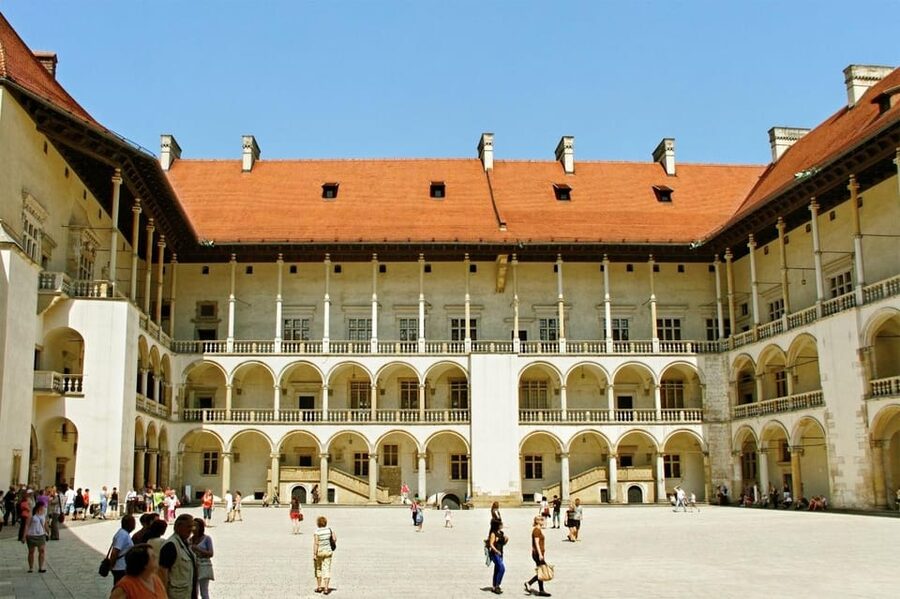
Wawel Castle and Cathedral are big, and they’re not the kind of monuments where you can wander randomly and feel like you got it all. This tour is priced as a guided, ticketed “best hits” route: you’re paying for an expert local guide plus entrances that let you actually see the main interior areas without wrestling with lines.
At $58 per person for 2 hours, the value comes from two things. First, you get guidance—how the royal buildings connect to the stories of Polish kings and queens. Second, you get included access to both the castle exhibition area and the cathedral, so you’re not stitching together multiple tickets and timelines on your own.
The tour also has a strong track record: it holds a 4.6 rating from 44 reviews, and one German review specifically praised guide Barbara for being both very well-prepared and kind. That matters, because Wawel is the sort of place where a good guide can turn “cool rooms” into a clear sense of power, faith, and artistry.
You can also read our reviews of more tours and experiences in Krakow.



Entering Wawel Cathedral: Gothic architecture and coronation context
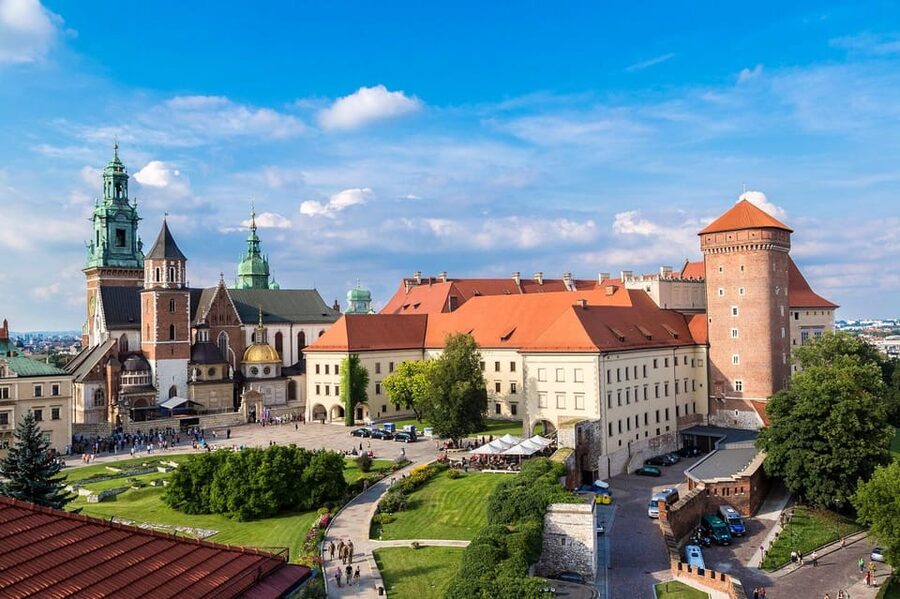
The Wawel Cathedral visit is where the tour gives you the “why it mattered” part. You’re there to admire the Gothic structure and to understand the cathedral as a sanctuary where Polish monarchs were crowned.
Why that context matters: if you only look at the building as a pretty shell, you miss the function. This cathedral wasn’t just a church; it was tied to legitimacy, ceremony, and state identity. A guide helps you connect the architecture to the people who used it for major rites.
Plan for the practical reality, though. The cathedral is still an active worship site. That means on days with important religious, state, or jubilee events—or visits by significant guests—admission can be suspended without much notice. If that happens, the organizer can replace your cathedral entrance with another one inside the castle complex. It’s not a gimmick; it’s the reality of touring a working religious site.
Wawel Castle Royal Chambers: the royal rooms you actually want to see
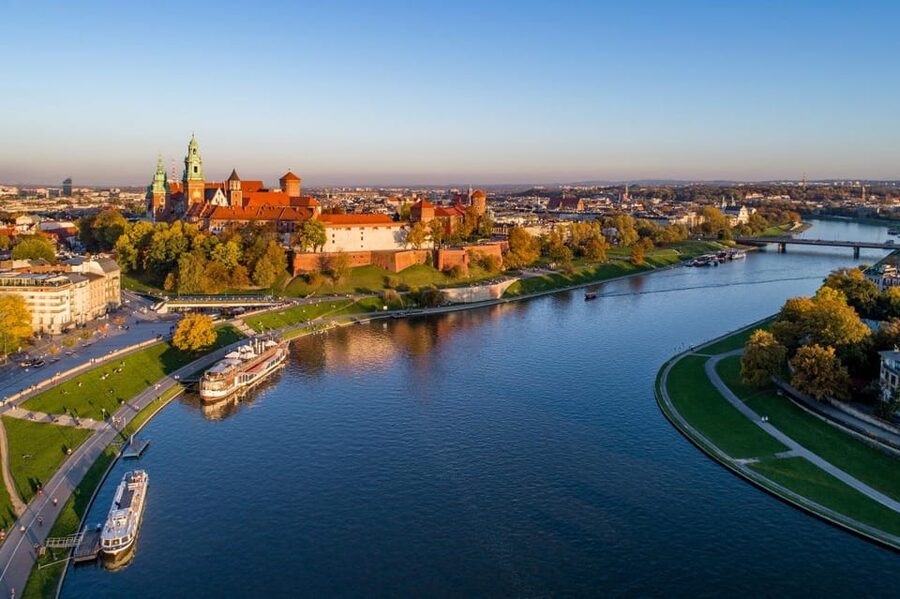
The core of the castle experience here is the Royal Chambers. This is where the tour shifts from general sightseeing to “what did the court look like?” mode.
You’re guided through museum-style rooms that recreate the feel of Renaissance and Baroque periods, using a wide range of objects: paintings, graphics, sculptures, fabrics, goldsmiths’ work, military items, porcelain, and furniture. The point isn’t just collecting impressive things; it’s seeing how those materials helped define a royal lifestyle.
Three specific Royal Chambers highlights are called out clearly:
- the famous tapestries of Zygmunt August
- Renaissance Italian paintings from the Lanckoronski collection
- the Wawel Eastern art collection, which includes the largest collection of tents in Europe
If you like art and objects, this portion is satisfying because it gives you variety. You’re not stuck with only paintings or only sculptures. You get a sense of taste, trade, power, and daily life at court—through the kinds of items a palace displayed.
What the included castle exhibition might be: State Rooms, Private Apartments, or Crown Treasury
One ticket detail can change what you’ll see, so it’s worth getting your head around it now. Your entry includes one permanent exhibition, chosen based on availability. The options are the State Rooms, the Royal Private Apartments, or the Crown Treasury.
Here’s how to think about the differences, so you can match the tour to your interests:
- State Rooms tend to fit best if you want ceremonial spaces tied to public-facing royal power.
- Royal Private Apartments are the choice if you care more about the personal side—how the court looked and lived day to day.
- Crown Treasury is ideal if you want a heavier focus on symbolic regalia and the materials of authority.
Even if you don’t know which one you’ll get in advance, the guide’s job is to help you connect it back to the kings and queens story. And since the tour also includes the cathedral, you’re not left with only one tone—church ceremony plus palace rooms give you balance.
The Eastern art surprise: why the tents collection is a big deal
I didn’t expect this to matter as much as it does, but it’s one of the tour’s standout called-out features: the Royal Wawel collection of Eastern art includes the largest collection of tents in Europe.
That’s memorable for a reason. It’s not the sort of object category that most castle visits center on, so it breaks the typical “crown-and-candles” script. Instead, you get evidence of how courts connected to wider regions through craftsmanship, textiles, and display culture.
On a practical level, it also gives your tour stops a sense of variety. When a tour has only grand rooms and paintings, your brain starts skimming. A tents-focused element creates a new visual and thematic angle—handy in a 2-hour format.





Skip-the-line value: saving time without skipping the story
Wawel can take longer than you expect, mainly because entry and security flow can slow things down. That’s why the skip-the-ticket-line setup is more valuable than it sounds.
In a short 2-hour tour, time is your real constraint. You want to spend your energy inside the spaces, not waiting outside. The guide also helps with pacing—so you’re not spending 20 minutes trying to figure out what you’re looking at.
Also, you’re not just buying access. You’re buying the local explanations that help the rooms click into place. That’s the difference between collecting photos and collecting meaning.
Languages and group reality: what to expect from the guide
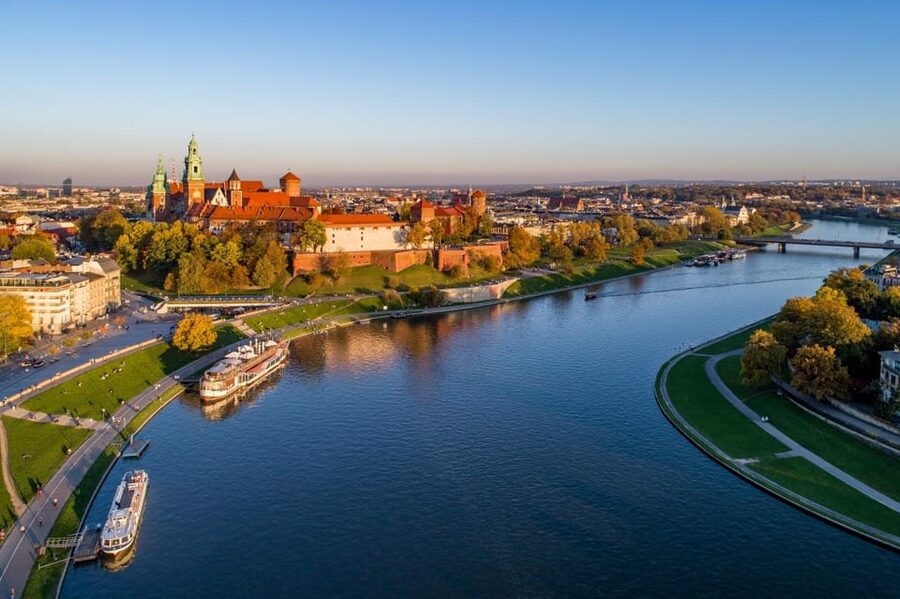
The tour runs with live guides in Spanish, Italian, English, German, Polish, and French, which is great if you want your questions answered without relying on apps.
You’ll likely find the guide sets the tone right away: where to look, what details matter, and how each stop connects back to Polish royal life. One review praised guide Barbara specifically, calling her deeply prepared and friendly. That kind of review isn’t about polish; it’s about whether the person leading you can keep the story clear while you’re moving.
One more practical note: the meeting point may vary depending on the option booked. So if you like certainty, double-check your exact pickup spot when you confirm your reservation.
Price and logistics: does $58 really make sense here?
Let’s be straight about value. For $58, you get:
- a professional guide
- a ticket to the Wawel Cathedral
- entry to one permanent exhibition at the castle (State Rooms, Royal Private Apartments, or Crown Treasury, depending on availability)
Food and drinks are not included, so plan to either eat before or after. This is a good “morning or afternoon anchor” tour that slots neatly between Krakow sights.
You’re also getting a time-bounded experience: 2 hours. That’s ideal for first-timers who want the main highlights without turning your day into museum triage. It can also work for repeat visitors if you want a guided refresher, but you should keep your expectations aligned: this is not a full deep study of every hall.
Who should book this tour (and who might want to do it differently)
This guided Wawel combo is a strong match if you:
- are visiting Krakow for the first time and want a clear, efficient route
- want both the castle and the cathedral tied together with context
- care about royal art and objects, especially the Royal Chambers collection
It’s also a good fit if you’re traveling with limited time. With major landmarks like these, waiting to do everything yourself can mean you see a lot but remember less.
You might consider a different approach if you prefer a long, unhurried museum visit with no group pacing. Wawel is too interesting to be treated as a checklist. But for a short stay, this tour aims to turn your time into understanding.
Should you book the Wawel Castle and Cathedral guided tour?
Yes—if you want a guided highlights package that connects the cathedral’s coronation role with the royal rooms inside the castle. The tour’s strongest points are practical: skip-the-line access, included entries, and the Royal Chambers focus on named treasures like the tapestries of Zygmunt August and Renaissance paintings from the Lanckoronski collection. Add in the Eastern art element with the largest tent collection in Europe, and you get variety that’s rare in quick tours.
The main reason to hesitate is the religious-site factor. If a big event triggers a cathedral suspension, your experience may shift to another castle entrance within the complex. It’s still a good outcome, but it’s the only real “unknown” built into the schedule.
If you’re the type of traveler who likes learning while you walk, this is a solid use of time in Lesser Poland’s most famous monument setting.
FAQ
How long is the Wawel Castle and Cathedral guided tour?
The tour lasts 2 hours.
How much does the tour cost?
It costs $58 per person.
What’s included in the price?
You get a professional guide, entrance to one permanent exhibition at Wawel Castle (State Rooms, Royal Private Apartments, or Crown Treasury subject to availability), and a ticket to Wawel Cathedral.
Do I need to buy separate tickets for the cathedral?
No. The Wawel Cathedral ticket is included.
Which Wawel Castle exhibition will I see?
You’ll get entrance to one permanent exhibition, chosen based on availability: State Rooms, Royal Private Apartments, or Crown Treasury.
What languages are available for the live guide?
Spanish, Italian, English, German, Polish, and French.
What if the cathedral is closed for an event?
The cathedral is an active worship site, and during important events admission can be suspended. In that case, the organizer can replace the cathedral entrance with another within the castle complex.