REVIEW · PRAGUE
Terezin Fortress and Concentration Camp Tour from Prague
Book on Viator →Operated by Explore Prague · Bookable on Viator
Terezín hits you fast, and stays with you. This full-day, small-group tour from Prague links the Small Fortress prison story with the Jewish ghetto and the fortifications that shaped everyday life. It’s heavy history, but the way it’s paced helps you keep your footing.
Two things I really like: the tour is small-group (max 15), so you can ask questions and actually hear the guide. And the itinerary goes beyond the obvious camp stops to include the tunnels and fort system that many shorter tours skip. That extra time matters here.
One possible drawback to plan for: it’s a long day with lots of walking, and some underground areas can feel tight. If you’re expecting a quick concentration-camp-only visit, you may find the fortress sections take more time than you want.
In This Review
- Key Highlights You’ll Feel All Day
- The Big Picture: What Terezín Was Built to Do
- Meeting at Wenceslas Square and Getting Out of Prague
- Mala Pevnost (Small Fortress): Gestapo Prison Walls and Video Evidence
- The Terezín Memorial: A Brief Pause Before You Enter the Main Sites
- Terezín Ghetto Streets, Crematorium, and Columbarium
- Fortifications You Can Walk Through: Baroque System and Tunnels
- How the Guide Changes Everything (Jack, Mike, and Michal)
- Comfort, Walking, and Toilet Reality Check
- Price and Value: Is $119.48 Worth It?
- Who Should Book This Terezín Fortress Tour
- Should You Book This Terezín Tour from Prague?
- FAQ
- FAQ
- What time does the tour start?
- Where is the meeting point?
- How long is the tour?
- Is lunch included?
- Is admission included?
- What language is the tour offered in?
- How big is the group?
- Is it suitable for children?
- How much walking should I expect?
- Should I bring anything for the tunnels?
- Is free cancellation available?
Key Highlights You’ll Feel All Day
- Small-group cap of 15 keeps the tour from feeling like a moving cattle car.
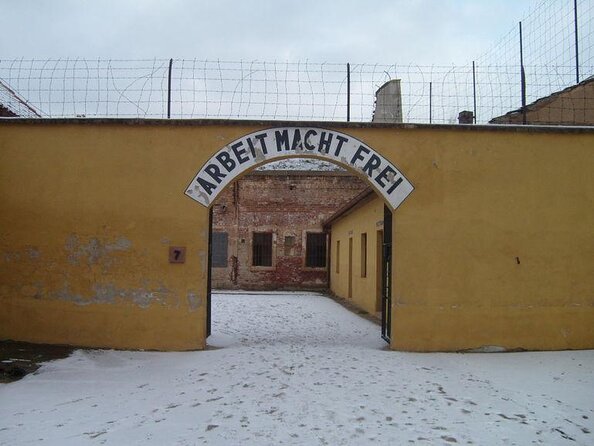
- Mala Pevnost Small Fortress (gestapo prison) gives you the Nazi prison layer before the ghetto story.
- Terezín Memorial by a former mass grave sets the tone before you enter the main sites.
- Crematorium and columbarium are part of the core visit, not an add-on.
- Baroque fortification system and casemates/casemate tunnels show the site’s defensive logic up close.
- Guides like Jack, Mike, and Michal are repeatedly noted for strong context and good question time.
The Big Picture: What Terezín Was Built to Do
Terezín is one of those places where the physical layout explains the cruelty. The forts weren’t just backdrops. They were designed, expanded, and used in ways that shaped control, movement, and survival.
In this tour, you start with the Small Fortress, once used as a Gestapo prison. That order matters. By the time you move to the ghetto-era story, you already understand how the Nazis used Terezín as a processing center for political prisoners and families torn apart by roundups.
Then the itinerary moves to the large fortress and the ghetto streets, where what’s left of the town helps you see how confinement became routine. You also visit sites tied to death, including the crematorium and the columbarium. It’s not upbeat history, but it’s clear and structured, so you’re not left piecing things together yourself.
A good guiding philosophy shows up here: you get the hard WWII content, but you also get context about the fortifications and the town itself, which makes the whole story easier to follow.
You can also read our reviews of more tours and experiences in Prague.


Meeting at Wenceslas Square and Getting Out of Prague
You meet at Statue of Saint Wenceslas on Václavské náměstí (Wenceslas Square) at 8:00 am. The day runs back to the same meeting point at the end, so you’re not stuck figuring out returns after a long, emotional visit.
Transport is included and uses public transit. Expect a mix of bus and train time as you head out of central Prague. That’s actually a plus: you’re not locked into a long static ride in a hired vehicle, and it keeps the plan simple. There’s also a built-in rhythm: travel time gives the guide a chance to frame history before you arrive.
If you’re someone who hates being rushed at the start, this tour’s pace helps. One comment you’ll see again and again is that the guide keeps the information moving even when the schedule shifts. That reduces the “we’re behind, talk faster” feeling that can happen on day trips.
Mala Pevnost (Small Fortress): Gestapo Prison Walls and Video Evidence
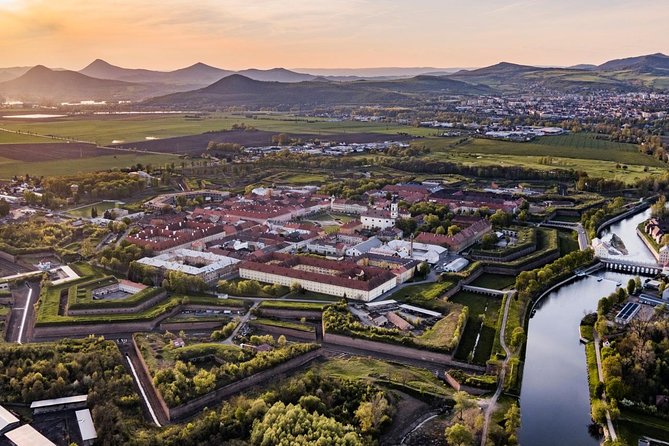
The first major stop is Mala Pevnost, also called the Small Fortress. You’ll get a guided tour here, and it’s the place where the WWII prison story takes a physical form.
The guide explains when and why the fortress was built, then connects that to how the Nazi regime used it for political prisoners. You also walk through conditions people were forced to endure—then you see original WWII video footage showing an official, staged idea of life in Terezín.
That video detail is important. It’s not just tragedy presented as tragedy. It’s the machinery of propaganda sitting right next to the reality. It’s a reminder that control wasn’t only physical—it was narrative too.
Plan for time underground and inside stone spaces. Some parts are tighter, and one traveler specifically noted claustrophobia after long stretches underground. If you’re sensitive to enclosed areas, go slow once you feel pressure building. Take a breath, stand where you can see more open space, and pace yourself.
The Terezín Memorial: A Brief Pause Before You Enter the Main Sites
Before you enter Mala Pevnost, you stop at the Terezín Memorial. It’s located on the ground of a former mass grave, so it works like a pause button.
Even if you’re ready for the history, the memorial stop helps you shift from “tour mode” to “this is real life” mode. It also prevents a common mistake on day trips: jumping from transport straight into exhibitions without any emotional reset.
This short stop is only about 10 minutes, but it’s placed thoughtfully. You don’t want the heaviest parts of the day to feel like a checklist. This helps.
Terezín Ghetto Streets, Crematorium, and Columbarium
After Small Fortress, you spend a long stretch at Terezín itself, roughly five hours with guided history and walking. Here the story moves from prison function to ghetto life in WWII.
The tour includes the ghetto streets and what’s left from that period. You visit the crematorium outside the walls and also explore the area that includes the columbarium. These are not museum-theater stops. They’re places tied to how death and identity were managed.
One of the most valuable parts is that the guide doesn’t treat the ghetto like isolated scenes. Instead, you walk and learn so you can connect locations to how people lived, moved, and were processed.
Another key point: if what you want most is only a concentration-camp experience, the fortress and defense system time can feel like a lot. This tour is built for people who want the full structure—fortress, town, and ghetto—rather than a quick hit on one single theme.





Fortifications You Can Walk Through: Baroque System and Tunnels
Now for the part many people don’t expect: the tour spends significant time on Terezín’s fortification system. It’s described as a unique baroque fortification system, and at the time of its completion it was among the best defenses in Europe.
You also get access to underground areas, including tunnels inside the walls. These passageways and casemates show how the forts worked as defensive infrastructure—not just as prisons. You’ll hear how the system helped control movement and how the defense design functioned.
A couple practical notes help here:
- One traveler suggested bringing a torch for tunnels, since the lighting can be dim in underground sections.
- Expect a bit of time with your body working harder than you think, not just your brain. Stairs, tight corridors, and uneven surfaces can add up.
If you like places where history is embedded in architecture, this section becomes the highlight. One review even called out the scale—tunnels on the order of tens of kilometers and defensive features like cannon positions and water defenses. Even if you don’t memorize numbers, you’ll feel the system’s logic as you move.
If you dislike enclosed spaces, manage your expectations before you go. The fortress is a big part of what you paid for here.
How the Guide Changes Everything (Jack, Mike, and Michal)
This tour stands or falls with the guide, and the consistent praise centers on exactly that: guides are described as highly prepared, able to answer questions well, and willing to adjust pacing when the day gets tricky.
Names that show up often include Jack, along with Mike and Michal. When the guide is strong, you get layered explanations: not just dates, but why the fort system mattered, how the Nazis used the site, and how the wider Czech and European story connects to what happened in Terezín.
You may also experience translation support. One important detail: the fortress museum has staff who speak Czech only, so your tour guide translates so you can still understand what you’re seeing and you don’t miss the underground casemate sections.
If you’re the type who likes maps, photos, and visual context, you’ll likely appreciate guides who bring reference materials. In past tours, that kind of added material made timelines and layout much easier to grasp on the fly.
This is also where small-group size helps. With fewer people, your questions don’t get lost in the shuffle, and the guide can keep momentum without leaving you behind.
Comfort, Walking, and Toilet Reality Check
This is a full-day walk with multiple indoor stops, and your feet will have opinions. The tour is not recommended for child ages 12 and under, and it asks for moderate physical fitness. Even if you’re in decent shape, the time adds up.
Wear comfy shoes. Several comments specifically flag the walking volume. Also, don’t assume there’s a toilet every block. Terezín is a small town, so facilities aren’t scattered like they might be in Prague.
That said, the plan does include restroom options:
- each museum stop has a toilet,
- the train has a toilet,
- and there’s a restaurant with restrooms.
One more “real life” tip: bring water and a layer. Stone fort spaces can feel colder, and you’ll want something comfortable for both the outdoor walking and indoor sections.
Price and Value: Is $119.48 Worth It?
At $119.48 per person, this isn’t a bargain-basement tour. But it also isn’t just a bus ride to a single site.
Here’s what you’re paying for, based on the included pieces:
- a professional guide,
- admissions tied to Mala Pevnost (Small Fortress) and the Terezín Memorial,
- visits that include the crematorium area and columbarium, plus the ghetto and fortress grounds,
- and round-trip transit from central Prague.
Lunch isn’t included, so you’ll still want to budget for your own meal. The good news is you typically have a lunch opportunity during the day, and one guide-led lunch tip you may hear is that portions can be large and local drinks are worth trying.
Value here comes from the time spent and the range of topics. Many shorter Prague day tours pick one angle and leave out the defense system. This one spends the day connecting the prison layer, ghetto life, and the fortification architecture—meaning you leave with a clearer picture, not just a set of photos.
Who Should Book This Terezín Fortress Tour
Book it if you want:
- a full-day structure (not a rushed half-day),
- both Small Fortress and the large fortress/ghetto story,
- and the fortifications and tunnels, not just the WWII camp highlights.
It’s also a strong choice for history-focused travelers who like asking questions and getting detailed answers. Small-group size helps, and guides known for maps, photos, and clear explanations can make the difference between reading labels and actually understanding what you’re seeing.
Skip or consider a different option if:
- you mainly want a concentration-camp-focused visit and don’t care much about fortifications,
- you struggle with long days,
- or you’re very uncomfortable in enclosed underground spaces.
This isn’t a perfect fit for everyone. It’s a thoughtful fit for the right people.
Should You Book This Terezín Tour from Prague?
If you can handle a long day of walking and emotional history, I think this tour is a solid booking. The strong points—small-group feel, guided context, and the extra time on fortifications and tunnels—are exactly what turn Terezín from scary headlines into something you can actually interpret.
If you’re unsure, make one decision first: do you want the whole Terezín system (fortress, prison, ghetto, cremation sites, tunnels) or just the camp angle? If you want the whole system, this tour matches that goal.
FAQ
FAQ
What time does the tour start?
The tour starts at 8:00 am at Wenceslas Square.
Where is the meeting point?
The meeting point is at the Statue of Saint Wenceslas on Václavské náměstí in Prague 1-Nové Město.
How long is the tour?
The duration is about 10 hours.
Is lunch included?
No. Lunch is not included, and you’ll need to pay for it yourself.
Is admission included?
Admission is included for Mala Pevnost (Small Fortress) and the Terezín Memorial. The main Terezín portion is listed with admission ticket free for that stop.
What language is the tour offered in?
The tour is offered in English.
How big is the group?
The maximum group size is 15 travelers.
Is it suitable for children?
The minimum age is 5, but it’s not recommended for children aged 12 and under.
How much walking should I expect?
This is a full-day tour with significant walking, including time in tunnels and underground areas, so comfortable shoes and moderate fitness help.
Should I bring anything for the tunnels?
A torch is suggested for tunnels, since lighting can be limited in underground spaces.
Is free cancellation available?
Yes. You can cancel up to 24 hours in advance for a full refund.