REVIEW · KRAKOW
Krakow: Wawel Castle & Cathedral Guided Tour
Book on Viator →Operated by excursions.city · Bookable on Viator
Wawel turns Krakow into a living textbook. This small-group guided tour pairs Wawel’s royal museum rooms with the cathedral’s coronation stories, so the hill feels less like a landmark and more like a timeline. You also get admission included, which helps you spend your time looking instead of queueing.
I especially liked two things: first, the Royal Castle collection mixes big-name European art with stranger, specific surprises like the Ottoman tent set. Second, the cathedral visit doesn’t stop at the main sights—you go into chapels and altars, climb up to see the Sigismund Bell, and finish in the crypts where power and legend are literally underfoot.
One consideration: the tour runs about two hours, which means it’s packed. If you prefer slow browsing and lots of quiet staring, you may feel gently rushed between stops.
In This Review
- Key Highlights You’ll Feel Right Away
- Wawel Works Best When Someone Puts It in Order
- Royal Castle: More Than Showrooms, It’s a Power Museum
- Flemish tapestries and royal collecting muscle
- Italian Renaissance masterpieces from the Lanckoroński collection
- Ottoman tents: the surprise that makes the castle memorable
- Wawel Cathedral: Sigismund Bell and the Stories Under the Floor
- Art and Details: What to Look for When You’re Not in the Flow
- Timing, Meeting Point, and Dress Code: The Stuff That Can Trip You Up
- Group Size and Pace: Great for Days With Tight Schedules
- Price and Value: Is $59.26 a Good Deal?
- Who Should Book This Wawel Tour?
- Should You Book This Tour?
- FAQ
- How long is the Krakow Wawel Castle & Cathedral guided tour?
- Is admission to Wawel Castle and Wawel Cathedral included?
- What language is the tour offered in?
- What is the group size limit?
- Where do I meet the guide?
- Where does the tour end?
- What time should I arrive?
- Is there a dress code?
- Does the tour include the cathedral tower and the crypts?
- What is the cancellation policy?
Key Highlights You’ll Feel Right Away
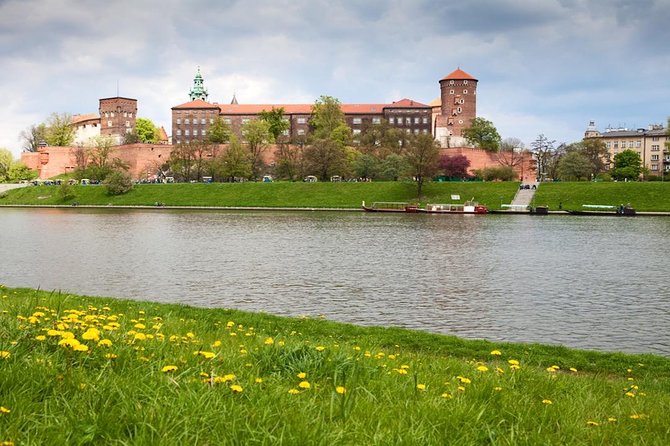
- Admission included so you avoid ticket-line time and keep momentum.
- Wawel Royal Castle art + objects range from Flemish tapestries to military artifacts.
- Sigismund Bell tower visit and a guided path through chapels, altars, and the crypts.
- Ottoman tents in Eastern art are a standout detail you’d likely miss on your own.
- Max 30 people keeps the experience from turning into a shuffle through rooms.
Wawel Works Best When Someone Puts It in Order
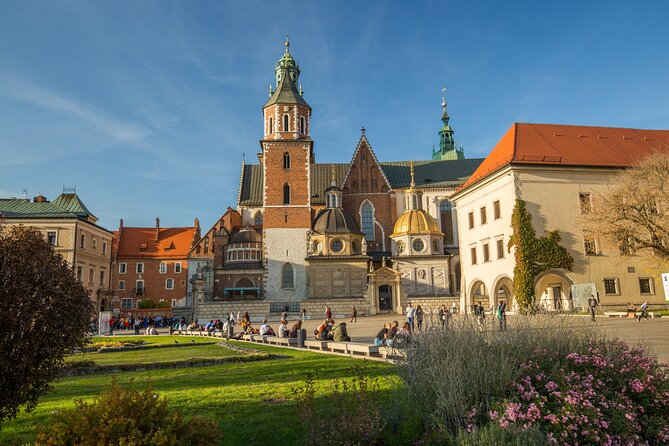
Wawel can overwhelm fast. You get the sense that it matters—kings, church power, national identity—but without a guide you’re left sorting names, dates, and styles on your own.
This tour helps you link the dots. You start in the Royal Castle (where monarchy shows up through rooms and collections), then shift to the cathedral (where faith and state meet). That move makes the experience easier to remember, because your guide connects what you see to what it meant.
If you’ve only got a short time in Krakow, this is a practical way to do the heavy hitters without turning the day into a scavenger hunt.
You can also read our reviews of more tours and experiences in Krakow.



Royal Castle: More Than Showrooms, It’s a Power Museum
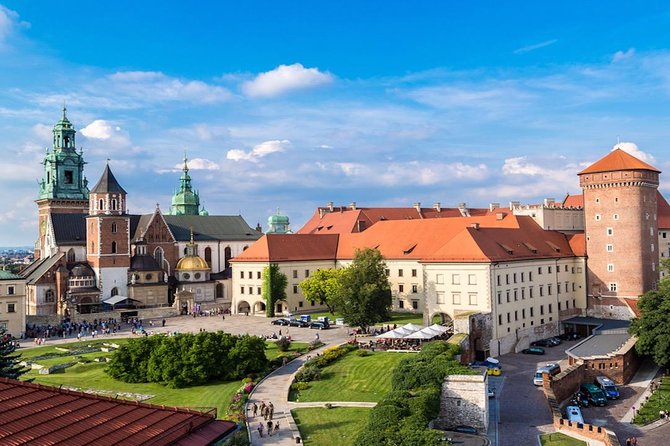
The Wawel Royal Castle portion is where the tour earns its keep. You’re stepping into a museum built from the former residence of Polish kings, and the interiors are the kind that make you walk a little slower—grand rooms, big art, and a layout that signals importance.
You’ll spend about an hour in the state rooms, with the guide pointing out what connects the collection to the people who commissioned it and collected it. The castle’s displays include Renaissance and Baroque interiors, plus paintings, sculptures, porcelain, and military items. That mix matters because it tells a full story, not just a pretty-art story.
Here are the specific elements that are worth marking in your brain as you go:
Flemish tapestries and royal collecting muscle
One of the most striking details is the Flemish tapestries commissioned by King Sigismund II Augustus. Tapestries sound decorative until you remember what they did in real life: they helped display wealth, status, and international connections in a very physical way. Standing in that context makes the objects feel less like museum items and more like political tools.
Italian Renaissance masterpieces from the Lanckoroński collection
The tour also highlights Italian Renaissance works from the Lanckoroński collection. These pieces don’t just add variety—they show how Wawel’s royal circle looked outward for artistic prestige. If you’re the type who cares about art history as a social map, you’ll appreciate that framing.
Ottoman tents: the surprise that makes the castle memorable
The castle’s Eastern art collection includes the largest set of Ottoman tents in Europe. That detail is the kind of thing that feels almost too specific to be real—until you’re there and you see how it fits into the wider story of contact, influence, and display. This is the sort of item that’s easy to miss if you wander solo, because your attention gets pulled to the obvious European paintings.
Tip for your eyes: when the guide mentions a name or origin, pause and ask yourself what that connection might have been used for. The guide’s explanations are usually building toward that kind of answer.





Wawel Cathedral: Sigismund Bell and the Stories Under the Floor
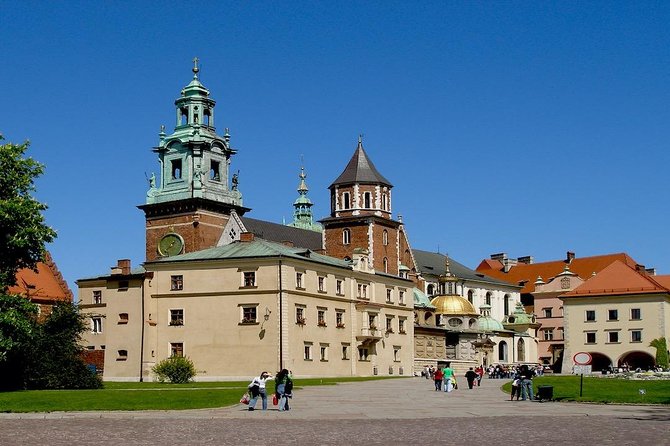
Then you move to Wawel Cathedral, the Gothic heart of the complex. The cathedral has lived through Polish coronations, weddings, funerals, and other major moments tied to rulers and national identity. Walking in, you can feel why that continuity mattered.
You’ll spend around an hour exploring with the guide: enter chapels and altars, then climb up to see the Sigismund Bell. There’s even a tradition here—touching the bell is said to bring good luck—so you’ll see people doing that as the group makes its way.
After the tower visit, the route brings you down into the crypts. This is often the part that lands hardest. You see where kings, queens, poets, and national heroes are resting, and the guide ties those names to what the cathedral represented at key moments in Polish life.
One reason the cathedral stop feels worth it: it turns monuments into narrative. You’re not just reading plaques—you’re being guided through why these places were chosen, who was remembered, and what it meant for later generations to maintain that memory.
Art and Details: What to Look for When You’re Not in the Flow
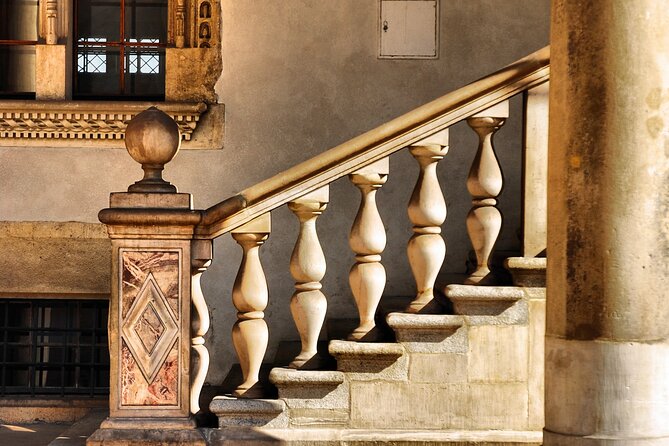
If you want to make this tour even more enjoyable, treat it like a guided checklist for meaning. Your eyes will land faster when you know what to look for.
Here are some details I’d personally watch for as you walk:
- Tapestries as status signals: notice the craftsmanship, but also think about who could afford this and why it mattered.
- Military artifacts: they change the mood of the castle. They remind you that royal life wasn’t only ceremonies and art collecting.
- Porcelain and court objects: they help you picture daily life and display culture, not just big historic events.
- Eastern art and the tent collection: this is a mental bookmark that breaks the usual European-only museum pattern.
- Sigismund Bell location and viewpoint: even if you’ve seen bells before, the cathedral tower makes it feel tied to power and tradition.
And if your guide names someone like Helena or Ana while explaining a specific piece, lean into it. Those personal connections—when a guide shares them—are often what makes the art feel less distant.
Timing, Meeting Point, and Dress Code: The Stuff That Can Trip You Up
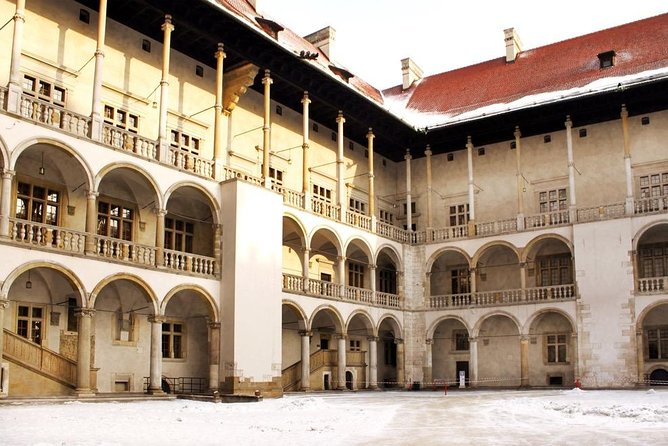
This is a tour where timing is everything.
Plan to arrive about 10 minutes early. Once the group departs, latecomers can’t join, and tickets aren’t refundable. Also, the meeting point is not on Wawel Hill. You’ll meet at Pomnik Piotra Skargiplac Świętej Marii Magdaleny, 31-044 Kraków, Poland, and the tour ends at Wawel Cathedral, Wawel, 31-001 Kraków, Poland.
Dress code is enforced for worship sites and selected museums. That means no shorts and no sleeveless tops. Both men and women must cover knees and shoulders.
Practical move: keep a light layer in your daypack. It’s the simplest way to avoid awkward last-minute fixes when you’re already warm and ready to walk.
Group Size and Pace: Great for Days With Tight Schedules
The tour caps the group at 30 participants, and it’s conducted in one language chosen at booking—English is the option here.
In this kind of setting, the pacing is a balancing act. On one hand, the tight schedule is why the tour works: you see both the castle and cathedral without losing half a day. On the other hand, the tour can feel information-heavy because there’s a lot of material to cover.
If you’re sensitive to sound, keep an eye out. Some written accounts pointed to guides speaking fast or quietly, and one person asked for better audio support. If you rely on hearing aids or other assistive listening gear, I’d recommend checking with the operator in advance to confirm what’s possible during the tour.
Price and Value: Is $59.26 a Good Deal?
At $59.26 per person, this tour sits in the “mid-range, high-effort value” category for Krakow.
Here’s why it can be worth it:
- You get admission included for both main stops, which usually saves time and hassle.
- You’re seeing two major sites in about two hours, with guided context that helps you remember what you saw.
- The group size is limited to 30, so it’s not a massive herd moving through rooms.
It’s less of a bargain if you’re the type who already knows the main storylines and prefers total freedom to linger wherever you want. But if you’d rather walk in knowing what a tapestry or crypt actually means, this price starts to look fair.
For many first-time visitors, this is one of the better time-to-value combos in Krakow, because Wawel can be difficult to read on your own without a guide.
Who Should Book This Wawel Tour?
Book it if:
- You want the big two (castle + cathedral) without planning logistics across multiple tickets.
- You like your history tied to real objects, not just dates.
- You enjoy art and want context that explains why the collection exists.
Skip or reconsider if:
- You want long, slow museum wandering and lots of independent stopping.
- You prefer fully flexible pacing without a strict group schedule.
- You’re likely to struggle with faster explanations or audio issues; in that case, ask ahead about support.
Should You Book This Tour?
I think this tour is a smart choice for most people visiting Krakow for the first time. The admission included part is a real time-saver, and the pairing of castle and cathedral makes the story easier to follow than doing them separately.
If you can handle a paced two-hour visit and you’re dressed appropriately, you’ll likely feel satisfied fast—especially because the tour doesn’t just show the famous sights. It also spotlights details like the Sigismund Bell tradition, the Ottoman tents, and the royal-art connections that help you understand why Wawel has stayed so important.
FAQ
How long is the Krakow Wawel Castle & Cathedral guided tour?
The tour lasts about 2 hours.
Is admission to Wawel Castle and Wawel Cathedral included?
Yes. Admission tickets are included for both stops.
What language is the tour offered in?
The tour is offered in English (the tour runs in one language selected at booking).
What is the group size limit?
The tour is limited to a maximum of 30 participants.
Where do I meet the guide?
Meet at Pomnik Piotra Skargiplac Świętej Marii Magdaleny, 31-044 Kraków, Poland.
Where does the tour end?
The tour ends at Wawel Cathedral, Wawel, 31-001 Kraków, Poland.
What time should I arrive?
Arrive 10 minutes before the tour begins. Latecomers can’t join once the group has departed.
Is there a dress code?
Yes. Shorts and sleeveless tops are not allowed. Knees and shoulders must be covered.
Does the tour include the cathedral tower and the crypts?
Yes. You’ll climb to see the Sigismund Bell and then visit the crypts.
What is the cancellation policy?
Free cancellation is allowed up to 24 hours before the experience starts for a full refund. If you cancel less than 24 hours before, you won’t receive a refund.