REVIEW · BRASOV
From Brașov: Romanian Castle Tour with Bran and Peles
Book on GetYourGuide →Operated by Castles Tour · Bookable on GetYourGuide
Two castles, one monastery, and serious scenery.
This day trip from Brașov pulls you into Transylvania with a mix of cliff-top fortifications, royal architecture, and Orthodox frescoes—plus big views across central Romania as you ride between stops. You’ll see Bran Castle up close, then travel to Peliș Castle, and finish at Sinaia Monastery with its layered church symbolism.
I especially liked two things. First, I loved the way guide Florin ties what you’re looking at to how Romania’s past works—castle defenses, royal history, and church art all connected. Second, I liked the practical flow: you get fast-line help for tickets and just enough structured time with your guide before you’re free to wander.
One possible drawback: it’s a tight 7-hour route with moderate walking on uneven ground, so if you’re hoping for slow, long browsing (or you have mobility or medical limits), this may feel a bit too active.
In This Review
- Key highlights at a glance
- From Brașov to Bran: Meeting Point and First Impressions
- Bran Castle: A Medieval Cliff and the Dracula Layer
- Sinaia Drive: Views Over Wildlife Country
- Peliș Castle: Royal Rooms and Why Fast Entry Helps
- If parts of Peliș are restricted
- Sinaia Monastery: 1690 Church Art With Symbols That Make Sense
- How the 7-Hour Timing Actually Feels on the Ground
- Tickets, Entry Fees, and True Total Cost
- Discounts
- What to Bring and Wear (So the Day Stays Fun)
- Who Should Book This Tour, and Who Might Want Another Option
- Should You Book This Bran and Peliș Day Trip?
- FAQ
- How long is the tour from Brașov?
- Where is the meeting point in Brasov?
- What’s included in the price?
- What are the entry fees for the castles and museums?
- Is food included?
- Do you skip the ticket line?
- What languages are the guides?
- Is there a lot of walking?
- Is this tour suitable for wheelchair users or people with mobility impairments?
- What should I bring for the best experience?
Key highlights at a glance
- Bran Castle on a steep cliff with dramatic views and a Dracula-soaked walkthrough
- Florin’s interpretation of Romanian history (royals, provinces, and symbols)
- Fast-line ticket access so you waste less time waiting
- Peliș Castle architecture and grand rooms without the chaos of tour-bus traffic
- Sinaia Monastery built in 1690 with Orthodox frescoes and national symbols
- Umbrellas/ponchos plus a mountain-view drive via Sinaia and the Bucegi area
From Brașov to Bran: Meeting Point and First Impressions
The day starts in central Brașov at the MODAROM building—the circular one—on bd. Eroilor 17, right in front of Banca Transilvania. It’s a good setup because you’re not hunting for a hotel van at the edge of town. Just be on time. With a schedule built around ticket timing and crowd patterns, being late can quietly wreck the rest of your day.
Once you’re loaded into the transport, you’ll head toward Bran Castle. This drive isn’t just transit; it’s your warm-up for the Carpathian feel. You’ll get that sense that Romania isn’t flat and the castles weren’t built by accident. A short ride out of Brasov also means the day shifts from city rhythm to countryside geography.
The tour includes bottled water, and they provide umbrellas/ponchos—useful because weather can flip fast in mountain-adjacent areas. Shoes matter too. Even if you’re only doing “moderate walking,” the surfaces can be uneven and you’ll want traction for castle courtyards and steps.
You can also read our reviews of more tours and experiences in Brasov.
Bran Castle: A Medieval Cliff and the Dracula Layer
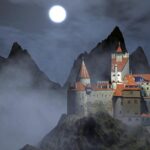
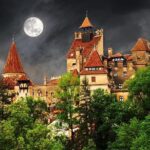
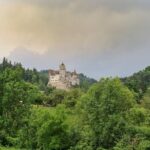
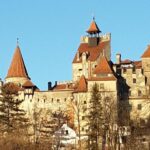
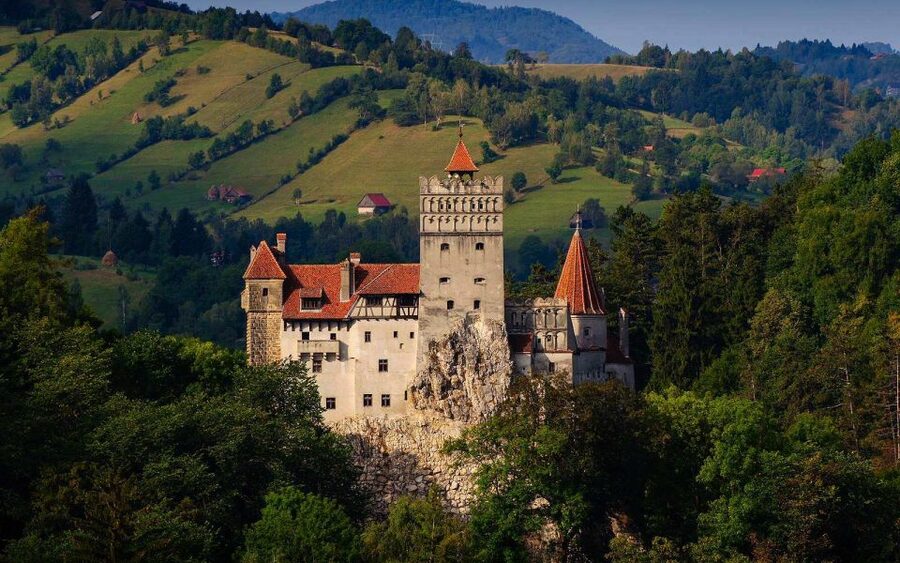
Bran Castle dates to 1382 and sits on a steep cliff between Măgura and Dealul Cetăţii. That setting does a lot of the work for the castle’s drama. You feel it when you walk the approach and see why this spot was chosen: it’s built to watch and control the surrounding hills, not to look pretty from postcards.
Your guide will take you through the ancient halls and point out what makes the building function like a fortress. That’s where the Dracula stuff gets most interesting: it’s part folklore, part pop-culture spotlight, and part reason the castle became famous worldwide. You’ll hear the famous Count Dracula tales while you’re standing in spaces that were originally about power, defense, and status.
Now, a reality check: Bran can be a little more myth-and-exhibit focused than some people expect. If you’re hoping for pure medieval craftsmanship with no Dracula theme, you might find the displays lean into Stoker-linked storytelling and folklore. Still, even with that vibe, it’s hard to deny the castle’s picture-worthy position and the guided context that turns it from kitsch into something more grounded.
Practical tip: go in with a flexible mindset. Bran is worth it for the setting and the guided framing, not just for the name on the ticket.
Sinaia Drive: Views Over Wildlife Country
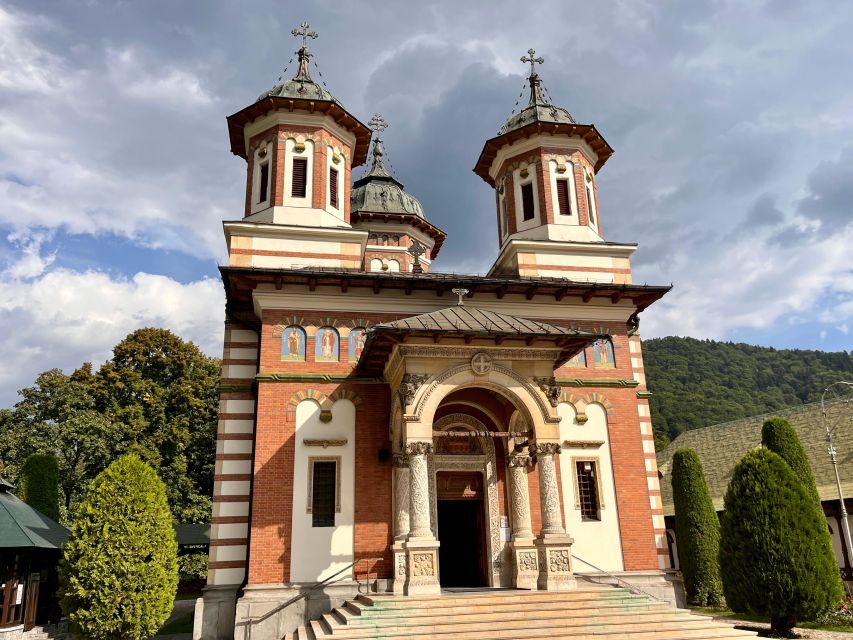
After Bran, you’ll drive toward Sinaia, the former summer residence of the Romanian royal family. The ride is about one hour, and the payoff is the scenery. The route gives you mountain-and-valley views, and you’ll pass through an area known for lively resort towns like Busteni and Predeal—plus, when conditions allow, the larger sweep of the Bucegi Mountains in the background.
This is a nice stretch because it resets the day. You go from castle staircases to open sightlines. If the timing works out, it can also be a good moment for quick photo stops or simply standing up in the vehicle when the views open.
And yes, it’s also when you’re glad your guide is managing the rhythm. The whole tour is built around not wasting time, and that includes using the drive window to move safely and on schedule rather than creeping through traffic.
Peliș Castle: Royal Rooms and Why Fast Entry Helps
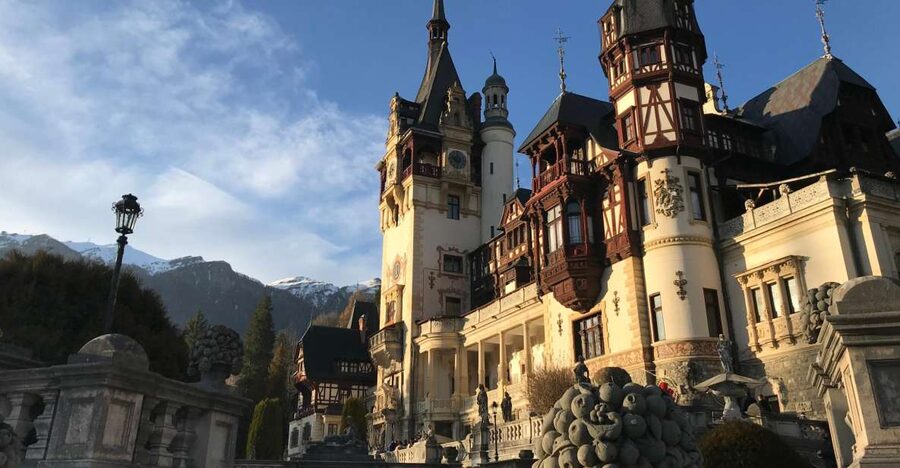
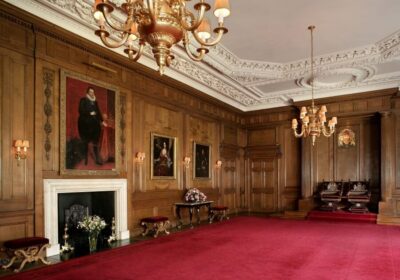
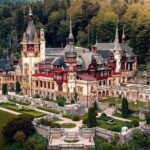
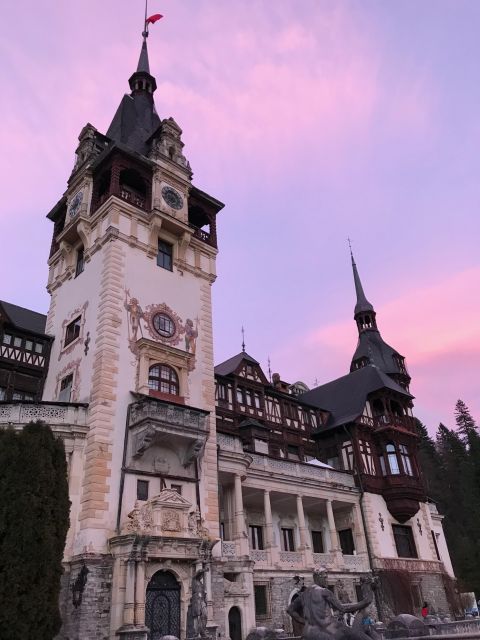
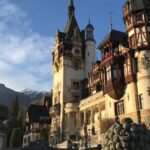
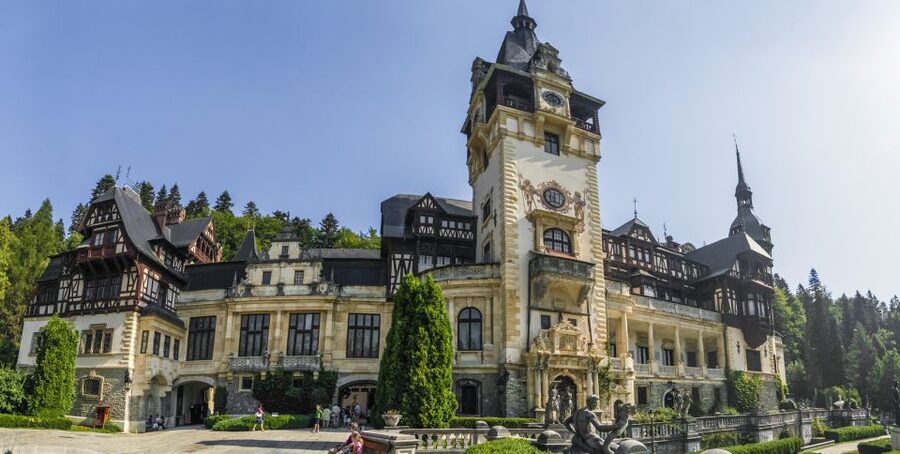
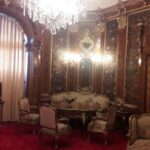
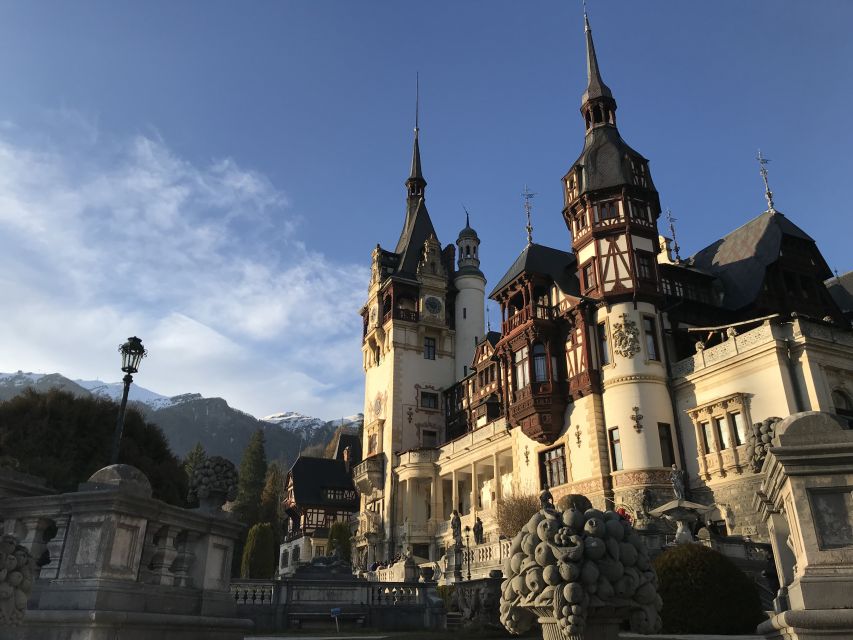
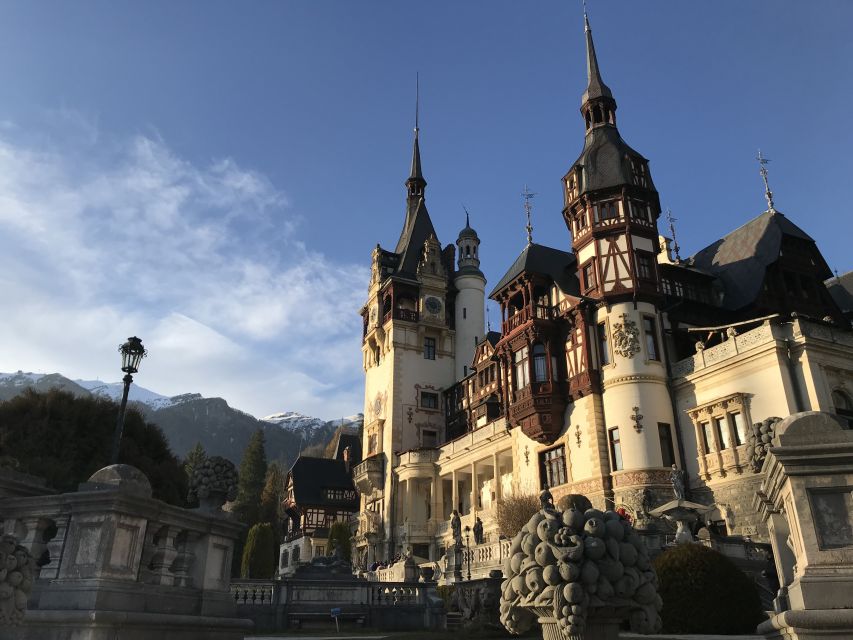
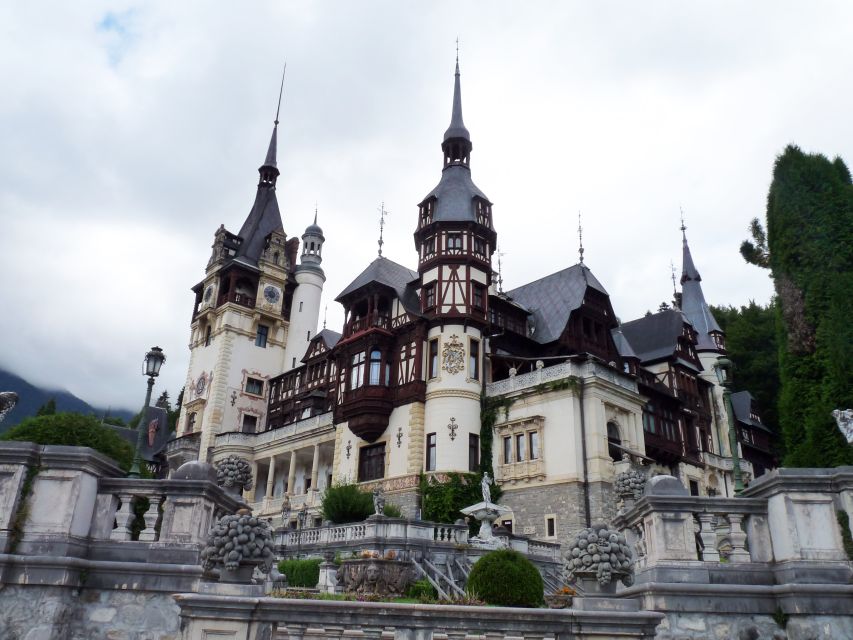
Peliș Castle is widely considered one of the most beautiful castles in Europe, and you’ll see why quickly once you’re inside the visitor flow. It’s not just a fortress image. It’s a royal statement—designed with attention to interior style, decorative detail, and the feeling of a place meant for prestige.
Your guided visit focuses on architectural highlights and the “saloons” (grand rooms), so you’re not just wandering and hoping the building explains itself. The guide will connect what you’re seeing to the heritage behind it. That matters here: Peliș is the kind of place where the details can disappear if nobody gives you a map.
One more big advantage: the tour includes access to a fast line to purchase tickets. In practice, that helps you avoid the heaviest crush times. Multiple people in the group experience this as the difference between enjoying a castle and feeling like a spectator in a human queue.
If parts of Peliș are restricted
The tour notes that renovation works may restrict entrance to some areas. That means on some days, you might not get every interior room. And depending on what’s open, your guide may adjust the plan to still give you a strong castle experience. The key is that you won’t just be dropped at a gate and told to figure it out yourself.

Sinaia Monastery: 1690 Church Art With Symbols That Make Sense
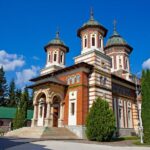
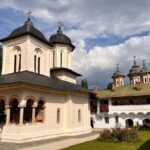
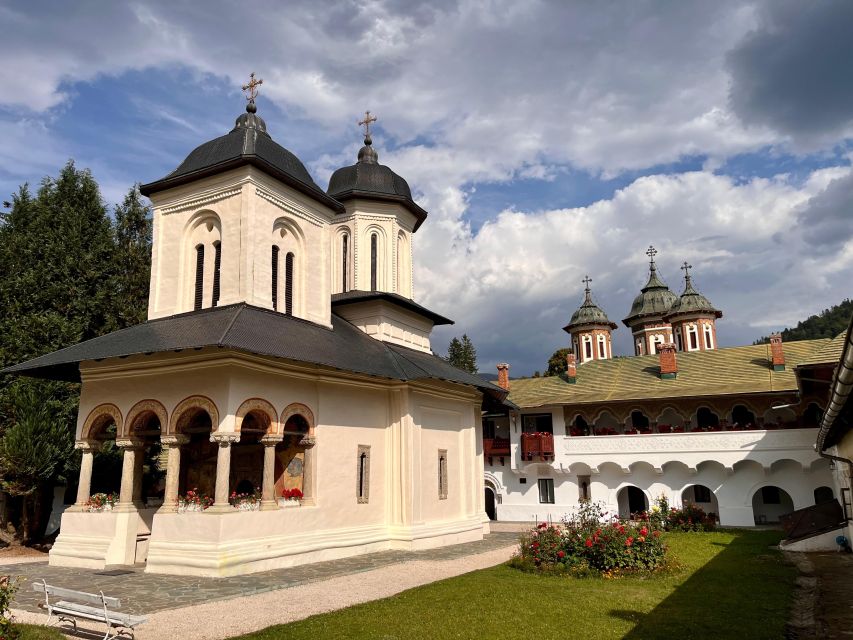
After Peliș, the day shifts from royal rooms to sacred art. Sinaia Monastery, built in 1690, helps you see the story of Romania through three provinces: Wallachia, Transylvania, and Moldavia. That’s not just a trivia point—it’s the lens that makes the architecture and frescoes feel intentional.
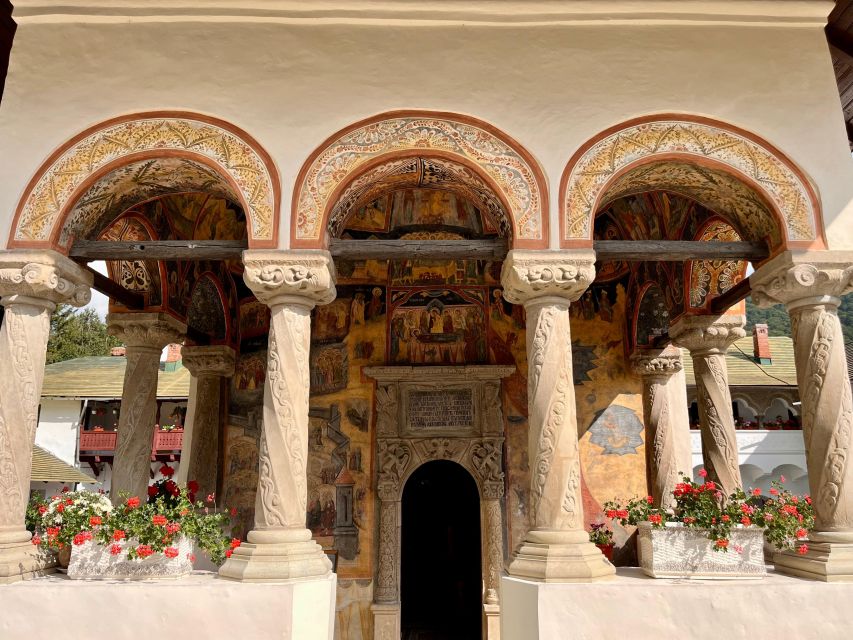
Your guide will explain how the monastery reflects a blend of styles and how Orthodox frescoes carry religious meaning. You’ll also learn about Romanian national symbols tied to the church context. In other words, this stop works on two levels: it’s beautiful on-site, and it’s educational in a way that stays connected to what you’ve already seen today (power, identity, and cultural memory).
If Bran gives you myth on a cliff and Peliș gives you royal aesthetics, the monastery offers the grounded counterpart: spiritual art meant to communicate and endure.
Practical tip: take your time here. Monasteries reward slow attention. Even when the schedule is tight, this is the kind of place where you’ll remember small details more than you’ll remember “the next room.”
How the 7-Hour Timing Actually Feels on the Ground
On paper, 7 hours sounds like plenty. In reality, castle days are time-eaters—ticket lines, walking between viewpoints, and the simple fact that castles make you stop and look up.
The good news: this route is structured to fit a lot without feeling like you’re sprinting nonstop. The guided portion gives context fast, and you also get time to explore under your own pace inside the sites. That matters because castles are best when you can switch gears—listen for a minute, then wander for five.
You’ll also benefit from the schedule management around crowds. A recurring pattern with this kind of route is that popular castles can get swamped. The fast-line access and timing help you arrive at moments when it’s easier to hear the guide and move without shoulder-to-shoulder pressure.
One more small but meaningful thing: you’ll want comfortable shoes because uneven surfaces are part of the deal. The tour isn’t labeled as a mobility-friendly stroll, and the note about restricted entrances due to renovation is a reminder that you should expect some route adjustments.
Tickets, Entry Fees, and True Total Cost
The tour costs $76 per person, and it includes transportation, an expert guide, access to a fast line for tickets, bottled water, and umbrellas/ponchos.
What’s not included: entry fees, which are listed as approximately €34 per adult for all museums. Food is also not included.
So your realistic budget looks like this:
- The tour price: $76
- Entry fees: about €34 (adult estimate)
- Plus lunch and snacks (since food is not included)
In value terms, the ticket fee is the only “surprise cost” for most people. Everything else that’s hard to DIY—getting from Brasov efficiently, handling ticket timing, and having a guide explain what you’re seeing—is bundled. If you try to do Bran and Peliș alone, you’ll spend time on logistics and likely still run into the same crowd pressure at popular sites. Here, you pay for the smoother sequencing.
Discounts
If you qualify for senior or student discounts, bring valid ID documents. This is one of those small steps that can cut your entry costs noticeably.
What to Bring and Wear (So the Day Stays Fun)
Here’s what actually helps you enjoy the day instead of fighting it:
- Comfortable shoes for uneven surfaces and steps
- A small plan for food since it’s not included
- Your ID if you want discounts for students or seniors
- Use the umbrellas/ponchos if rain shows up (and it can)
Also, since there’s no hotel pickup/drop-off, plan to meet at the MODAROM building in central Brasov. That means your morning is easier if you’re already staying near the center.
Who Should Book This Tour, and Who Might Want Another Option
This is a strong fit if you:
- want a one-day plan that covers three major stops (Bran, Peliș, Sinaia Monastery)
- like history and architecture more than just photo-hunting
- prefer a guide to connect legends and visuals to the real place you’re standing in
It may be less suitable if you:
- have mobility impairments, because uneven surfaces make it difficult
- have heart problems or serious medical conditions (not recommended)
- expect a slow, free-form day without moderate walking
If you’re the type who wants lots of quiet time with no schedule pressure, you might find the 7-hour pacing a bit tight. But if you want an efficient “greatest hits” route with interpretation, this is exactly the kind of day that works.
Should You Book This Bran and Peliș Day Trip?
If you want one day that gets you out of Brasov and into the region’s most famous castle-and-monastery trio, I’d book it—especially if you value a guide and hate ticket-line chaos. The fast-line entry help and the way the route hits sites in a smart order make it feel like more than a standard day trip.
Before you click confirm, check two things:
- Are you comfortable with moderate walking on uneven ground and possibly some restricted areas due to renovation?
- Are you okay handling your own lunch since it’s not included?
If you say yes to both, this tour gives you a well-paced mix of Dracula-era mystery, royal craftsmanship, and church art in one compact day. For many people, that’s the sweet spot.
FAQ
How long is the tour from Brașov?
The duration is listed as 7 hours.
Where is the meeting point in Brasov?
Meet at the MODAROM building (the circular building) on bd. Eroilor 17, in front of Banca Transilvania.
What’s included in the price?
Transportation, an expert guide, access to a fast line to purchase tickets, bottled water, and umbrellas/ponchos are included.
What are the entry fees for the castles and museums?
Entry fees are approximately €34 per adult for all museums (not included in the tour price).
Is food included?
No. Food is not included.
Do you skip the ticket line?
Yes. The tour includes access to the fast line to purchase tickets.
What languages are the guides?
The live tour guide is available in Spanish, English, and Italian.
Is there a lot of walking?
There is a moderate amount of walking involved.
Is this tour suitable for wheelchair users or people with mobility impairments?
No. The tour is not recommended for those with walking disabilities, and it is not suitable for people with mobility impairments.
What should I bring for the best experience?
Wear comfortable shoes. If you want senior or student discounts, bring a valid ID document.