REVIEW · BRASOV
Small Group Tour to Viscri Church Sighisoara Town Rupea Fortress
Book on Viator →Operated by Active Travel Day Tours · Bookable on Viator
Time travel is the point of this day trip. You’ll ride out of Brașov and spend the day with Viscri fortified church and Sighișoara’s medieval streets, where the Saxon era still feels close. I especially like the mix of guided storytelling and real breathing room—time to wander, grab lunch, and not feel herded. Guides such as Charlie and Dan also bring the history alive with jokes and easy explanations.
One drawback: you’re on your feet for a long day, and uneven stone streets plus a few serious steps in Sighișoara can feel like a mini workout. If you’re sensitive to cold or slippery surfaces, wear waterproof layers and sturdy shoes.
With a max of 8 people in the group and an English-speaking guide, this is a good way to see big-name sites without the chaos that comes with bigger buses. It also runs as a true day trip—start at 8:30am and end back at the meeting point in Brașov.
In This Review
- Key Things I’d Actually Optimize Before You Go
- Why This Viscri–Sighișoara–Rupea Day Trip Works
- Brașov Pickup and the Morning Drive North
- Viscri Fortified Church: Saxon Walls and Why This Church Was a Fortress
- Sighișoara Medieval Town Walk: Citadel Vibes and the Vlad Connection
- Rupea Fortress: Three Rings, Basalt Rock, and the 60 m Well
- Price and Value: What You’re Paying For (and What You Still Need to Budget)
- What to Wear and Bring for Comfort (Especially in Winter)
- Who Should Book This Tour (and Who Might Prefer Something Else)
- Final Call: Should You Book This Viscri–Sighișoara–Rupea Tour?
- FAQ
- What’s included in the tour price?
- What entrance fees should I budget for?
- Is pickup available if I’m staying outside the old town?
- How long is the tour and when does it start?
- Is this a small group tour?
- Are there any days when Sighișoara sites are closed?
- What should I wear and bring?
- Do I need to pay for food and drinks?
Key Things I’d Actually Optimize Before You Go
- Two UNESCO-linked stops, built for defense: Viscri’s fortified church and Sighișoara’s historic center.
- Rupea Fortress on basalt with three rings: plus the memorable detail of a well roughly 60 m deep.
- Free time that feels like free time: stroll Sighișoara, eat when you want, and shop for small souvenirs.
- Guides who tell stories, not just dates: names like Charlie, Tiberiu, and Dan show up often for a reason.
- Small group size (up to 8): easier questions, better pace, less standing around.
- Cold-weather reality check: December can be very cold; bring layers and a rain jacket.
Why This Viscri–Sighișoara–Rupea Day Trip Works
This tour strings together three places that each explain a different layer of Transylvania. Viscri shows fortified Saxon village life. Sighișoara gives you a whole medieval town that still looks like the 1500s from the right angles. Rupea adds the big, defensive feel of the region with walls built for protection—not pretty postcards.
What makes the combo so satisfying is that it’s not just “see a site, move on.” The guide sets context along the way, then you arrive ready to notice details. You’ll hear how Saxon colonists shaped these communities, and why churches and fortresses were built to defend people when borders were unstable.
The other part I like is how the day is designed for balance: guided parts where you learn what you’re looking at, then time for you to walk at your own pace. You can even slow down for coffee, wander for souvenirs, or take a longer lunch in Sighișoara.
You can also read our reviews of more tours and experiences in Brasov.
Brașov Pickup and the Morning Drive North
You start at Biblioteca Județeană George Barițiu on Bulevardul Eroilor 33-35 in Brașov at 8:30am. Pickup is offered within Brașov city limits, including accommodations outside the old town (the exact pickup time varies by where you’re staying).
Then you’re off in an air-conditioned car or minivan with a professional guide. The drive to the first stop is about 1.5 hours, and this is where the trip sets its tone. Expect Romanian history context and local anecdotes during the ride so you’re not arriving at Viscri with only vague names in your head.
This matters because the day is long—about 9 hours total. If you hate early starts, this may not be your best pick. But if you like actually using daylight for sightseeing, the timing is spot on: you arrive before the crowds build elsewhere.
Viscri Fortified Church: Saxon Walls and Why This Church Was a Fortress
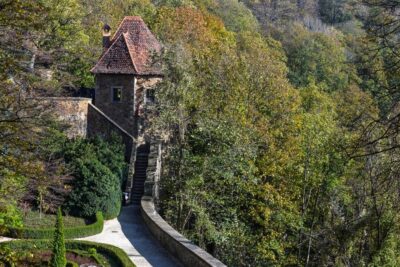
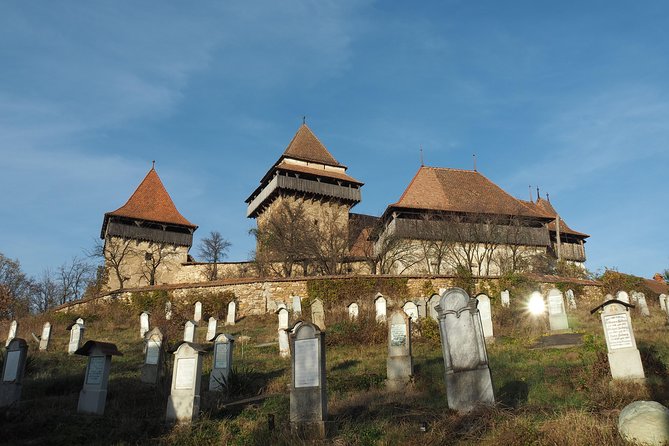
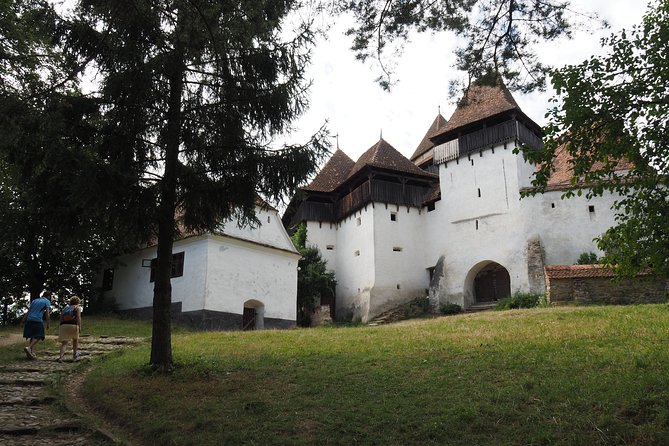
Viscri is a village built by Saxon colonists, and the approach alone sets the scene. You’ll notice the whitewashed walls and red-roofed towers that surround the settlement. That design wasn’t just aesthetic. It was meant to protect early inhabitants from invading forces, including the Ottoman threat that loomed over the region.
Your church visit is to Viscri fortified church, one of the best-preserved fortified churches in Transylvania and listed as UNESCO World Heritage. It’s presented as a key reason to visit the village at all. Practically, plan on about 1 hour at the site, and note that entry fees aren’t included in the base price.
What to look for while you’re there:
- How the fortified layout makes the church part of village defense, not just a religious building.
- The way the structure and setting support the “stronghold” idea—built for safety, not only ceremony.
- The Saxon village story your guide explains, which turns the walls from scenery into a lesson.
A neat detail in the background is the modern connection to Prince Charles, who owns a house in Viscri and has spoken about Transylvania being part of his identity. That doesn’t change what you see on the ground, but it gives you a thread for how the village sits in today’s cultural awareness.
If you want photos, you’ll find plenty of angles in the village lanes and around the fortified perimeter. Just remember you’re there for the site and its meaning first.
Sighișoara Medieval Town Walk: Citadel Vibes and the Vlad Connection
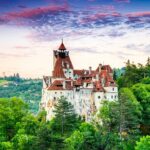
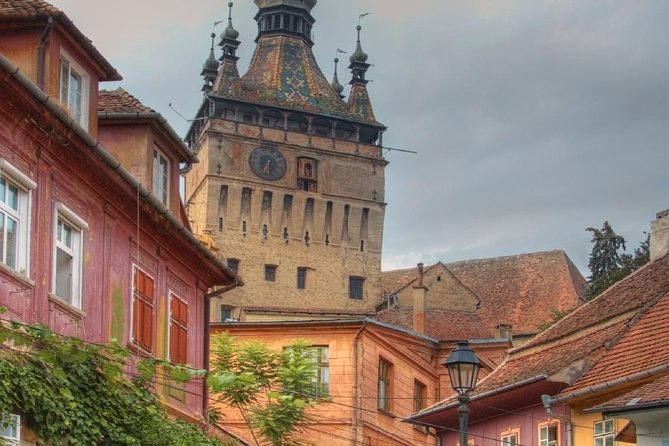
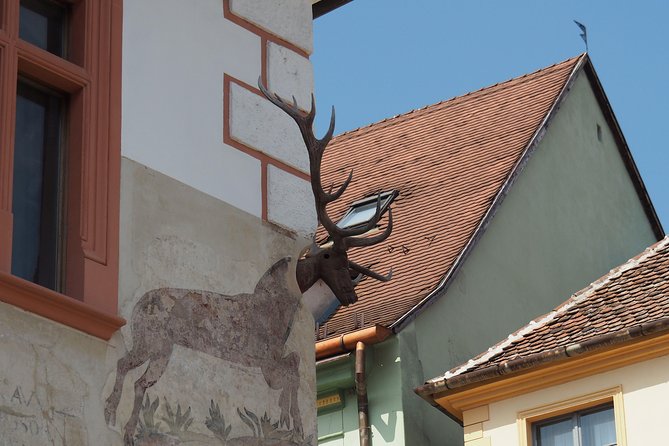
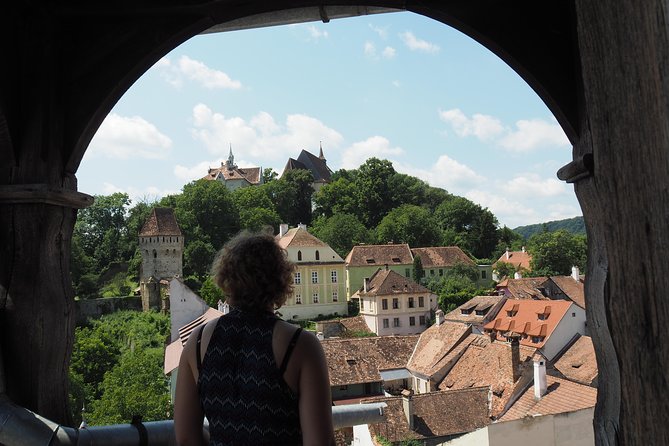
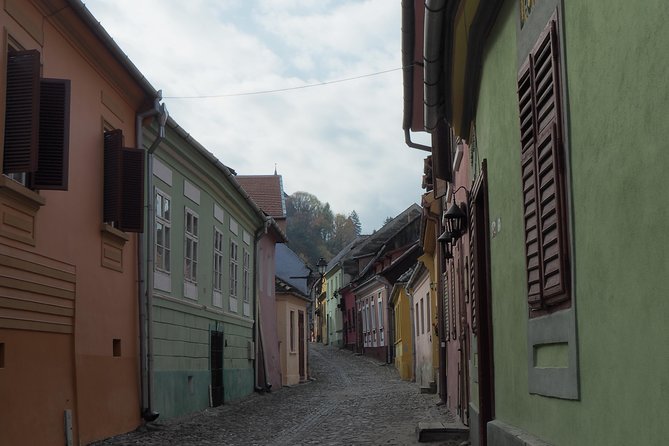
Sighișoara is the kind of place where you can feel the decades slipping as you walk. The historic center is so well preserved that it’s known as the only Romanian city that looks exactly like it did in the 16th century from certain perspectives.
You get to experience it in a guided way first, with the tour focusing on the Citadel and the Church on the Hill. Then you’re given free time to explore on your own. That open time is important. The old streets are uneven and cobbled, and having freedom means you can stop for lunch, wander toward viewpoints, and not feel guilty for stepping off the planned route.
The guide also covers the legendary resident connection to Vlad the Impaler, a Wallachian prince and warlord linked to the real-life roots of the Dracula character in Bram Stoker’s fiction. Even if you’re not a horror fan, this story works because it ties together politics, borders, and why myths took hold where they did.
Lunch and snacks are part of the real-life planning here. You’ll have time to eat, and you can keep it simple with street-style options. A popular local snack is langos—deep-fried dough topped with things like cheese and sour cream (or sweet toppings like powdered sugar and jam). For a sit-down meal, one suggested choice is Alte Post Restaurant, known for traditional food.
Two practical notes that help:
- Monday is tricky: Sighișoara’s sites are closed on Mondays. If your dates fall on a Monday, don’t assume you’ll see every part of the historic complex.
- The streets have uneven stone underfoot. If you’ve got soft sneakers, switch to something sturdier.
And yes, there can be serious stairs involved. One guest counted about 176 steps to reach a church and grave site area in Sighișoara. You don’t need to sprint, but you do need to be ready for walking up and down.
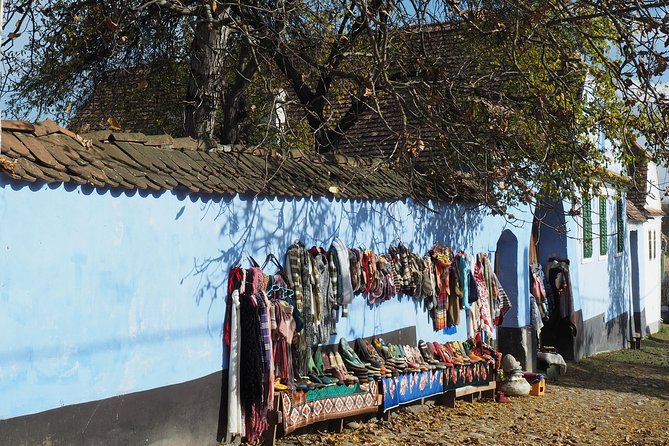
Souvenir hunting is easy here too—small handmade items are the best bet because they travel well. Think wooden spoons, small jewelry, and other lightweight keepsakes.
Rupea Fortress: Three Rings, Basalt Rock, and the 60 m Well
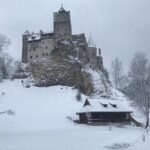
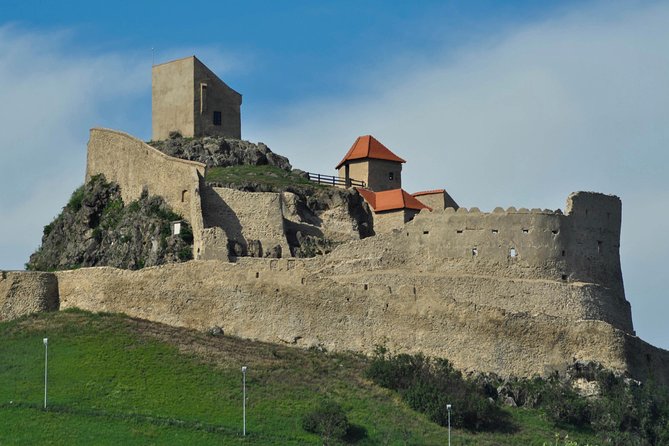
Rupea Fortress (Cetatea Rupea) is the day’s “defense mode.” It’s built on basalt rock and dates from the 1300s, with three rings of fortifications. Even from outside, the idea is clear: this place was built to be hard to reach and hard to breach.
Inside the walls, you’ll see the fortress layout and get a guided tour on-site. Entry fees apply here too, since site admission isn’t included.
One of the most specific details you’ll hear is the fortress well: about 60 m deep, and the water is described as still drinkable. It’s the kind of practical detail that makes a fortress feel real. This wasn’t built for tourist visits. It was built so people could hold out long enough to survive.
There’s also a strong payoff at the top and within the grounds: panoramic views over the countryside. Even on a gray day, the height helps you understand how the fortress controlled sightlines and movement.
Another layer to the story is that Rupea was later repurposed as a Saxon village in the 18th century. So it’s not only about medieval warfare. It’s about how communities reused strong defensive space when times changed.


Price and Value: What You’re Paying For (and What You Still Need to Budget)
The tour costs $111.31 per person, and it’s built around a full-day itinerary with a professional guide and air-conditioned transport. Considering the drive and the three major stops, the value comes from two things: guided context and efficient routing across the region.
What’s not included:
- Food and drinks
- Site entrance fees: about €25.00 per person, covering admissions for Sighișoara, Viscri, and Rupea
So in real budgeting terms, think of the base price as transportation + guide + time structure, then plan a separate line item for admissions and meals. For lunch, you’ll likely spend less if you keep it casual in Sighișoara (snacks, a café, or a traditional meal). For drinks, it’s best to assume you’ll pay out of pocket.
If you’re comparing options, the best value comes from having someone point out what matters at each site. A lot of people can reach these towns on their own. Fewer people know how to connect the dots between fortified churches, Saxon town design, and the defensive logic of places like Rupea.
What to Wear and Bring for Comfort (Especially in Winter)
This region can be cold, and the walking is real. Plan for:
- Sturdy, waterproof shoes with grip (uneven stone + possible slick surfaces)
- Warm layers, especially if you’re visiting in colder months
- A rain jacket if the weather turns
- A mask you bring yourself; hand sanitizer is provided, and vehicles are cleaned after tours
Your feet and knees will thank you if you wear shoes that handle steps and cobbles without slipping. If you’re prone to blisters, bring a small pack of blister care and consider longer socks.
Who Should Book This Tour (and Who Might Prefer Something Else)
This day trip fits best if you want:
- A guided understanding of fortified Saxon culture and medieval Transylvania town life
- A small group feel (max 8 travelers) with time to ask questions
- UNESCO-style highlights in one day without complicated planning
You might consider a different option if:
- You have limited mobility or strong sensitivity to stairs and uneven paving.
- You hate long days. At roughly 9 hours, it’s not a quick in-and-out.
- You’re traveling on a Monday and were specifically counting on seeing all Sighișoara sites. Closure timing can change what’s available.
Overall, it’s a strong fit for independent-minded travelers too, because you get free time in Sighișoara rather than being locked into every minute of the schedule.
Final Call: Should You Book This Viscri–Sighișoara–Rupea Tour?
Yes—if you want a day that feels like a guided story from village fortification to medieval city to defensive fortress. I’d book it if you like learning what you’re looking at and you’re okay with walking on stone streets and climbing steps.
One smart decision step before you reserve: check the day of the week you’re traveling. If it’s Monday, Sighișoara’s sites are closed, which could reduce the payoff depending on what you most want to see.
If you’re flexible, the itinerary is well balanced: you get UNESCO highlights, a fortress with memorable defensive details, and just enough free time to make the day feel like yours rather than a checklist.
If you want to maximize your enjoyment, pack comfy walking shoes, bring layers, and show up ready to slow down for a few hours of real Transylvania atmosphere.
FAQ
What’s included in the tour price?
You get a professional guide, transport in an air-conditioned car or minivan, and hotel pickup and drop-off from Brașov outside of the old town (with the pickup time varying by your location). The tour is offered in English and includes a mobile ticket.
What entrance fees should I budget for?
Entrance fees are not included. Plan on about €25.00 per person for Sighișoara, Viscri, and Rupea.
Is pickup available if I’m staying outside the old town?
Yes. Pickup and drop-off are available within Brașov city and also for guests staying outside the old town. You meet at the George Barițiu County Library area, and pickup time is coordinated based on where you’re staying.
How long is the tour and when does it start?
The tour runs for about 9 hours. The start time is 8:30am, and the day ends back at the meeting point.
Is this a small group tour?
Yes. It’s a small group with a maximum of 8 travelers.
Are there any days when Sighișoara sites are closed?
Yes. On Mondays, all sites in Sighișoara are closed.
What should I wear and bring?
Wear sturdy, waterproof shoes and consider layers—Transylvania can be cold. A rain jacket is recommended. Bring your own mask (hand sanitizer is provided), and expect uneven stone paving.
Do I need to pay for food and drinks?
Yes. Food and drinks are not included. You’ll have time for lunch/snacks during the day in Sighișoara.