REVIEW · WROCLAW
Wroclaw: Project Riese and Ksiaz Castle Private Tour
Book on GetYourGuide →Operated by WratislaviaTour · Bookable on GetYourGuide
Project Riese feels like stepping into a paper cutout of WWII. You’ll see underground construction tied to Nazi Germany and then shift gears to the sheer scale of Książ Castle and the Hochberg family.
I especially like that this is a true private format with hotel pickup, so you’re not stuck in a slow, one-size-fits-all group. I also love the pace: Project Riese is short and focused, and Książ gives you a solid chunk of time to wander the halls at your own speed with audio support.
One consideration: it’s not wheelchair accessible, and the only underground access here is at Project Riese. If you were hoping for tunnels under Książ, this tour won’t cover that.
In This Review
- Key highlights you’ll care about
- A smooth, private full day out of Wrocław
- Project Riese: seven underground works and the cold reality of 1943–45
- Audio guide reality check (and how to handle it)
- A small nature tip for the walk back
- Książ Castle: 400 rooms, the Hochbergs, and WWII change of ownership
- How to use your 2.5 hours wisely
- The photography and walking rhythm
- The big limitation: Książ tunnels are not included
- Audio guides in English (plus the languages you can expect)
- What to wear and pack for comfort and speed
- Price and value: why $176 can make sense for a private day
- Who this tour is best for (and who should choose differently)
- A quick note on the driver experience
- Should you book this Wrocław to Project Riese and Książ Castle private tour?
- FAQ
- FAQ
- How long is the tour?
- Where does pickup happen?
- What’s included in the price?
- Are food and drinks included?
- Is there an underground tunnel visit at Książ Castle?
- How cold is Project Riese inside?
- Is the tour wheelchair accessible?
- What languages are available for the audio guide and driver?
Key highlights you’ll care about
- Private pickup in Wrocław with round-trip transport in an air-conditioned minivan
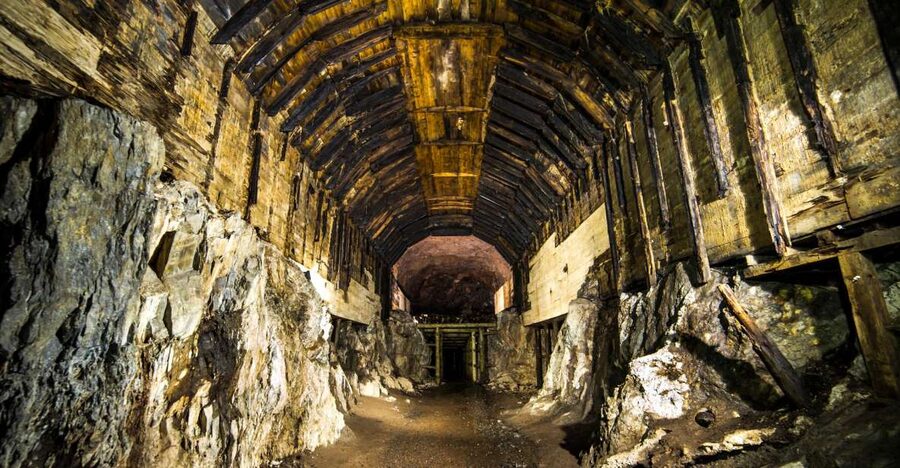
- Project Riese: seven underground structures tied to Nazi Germany’s 1943–1945 plans
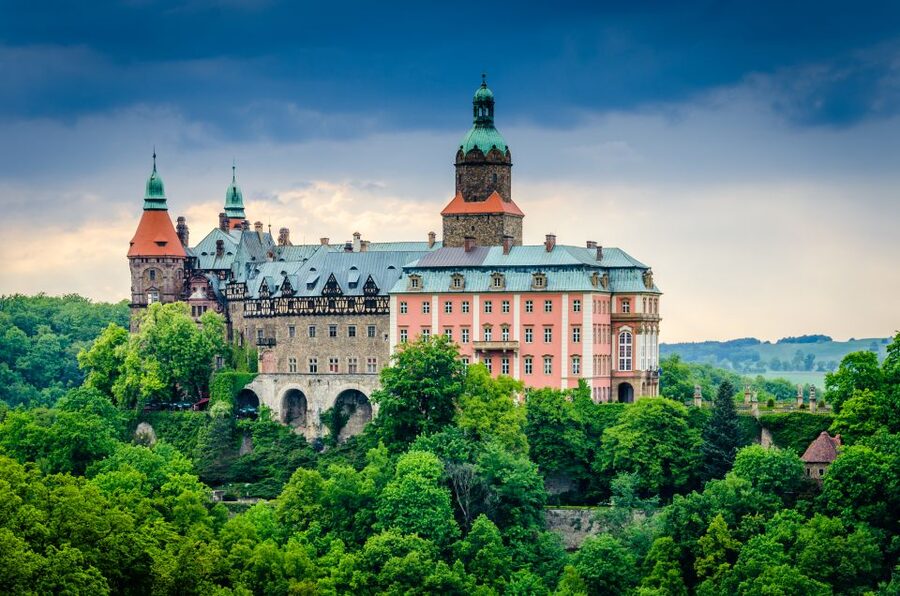
- Książ Castle scale: 400+ rooms, plus the long Hochberg connection before WWII
- Audio guides in multiple languages at both sites, if available
- Comfort matters: Project Riese stays cool (about 10°C all year), so plan for damp-cold underground air
A smooth, private full day out of Wrocław
This is built as a straightforward day trip with one goal: get you from Wrocław to two major Lower Silesia stops without headaches. You get hotel pickup and drop-off, plus a round-trip private transfer. The ride is in an air-conditioned minivan, which is a real plus in summer heat and chilly shoulder seasons.
Because it’s private, the day feels less like a rush-and-repeat checklist. Your driver/guide—English-speaking—keeps things moving, but you’re not herded like a shopping-tour cart. That matters most at the castle, where you’ll get time to roam rather than just stand in a line.
Duration is listed at 8 hours. In practice, the day is structured with a short, intense visit underground at Project Riese, then a longer, more visual castle experience at Książ. If you prefer to take photos slowly, build in that mental budget: Project Riese is about contrast and atmosphere, while Książ is about rooms, details, and walking.
You can also read our reviews of more tours and experiences in Wroclaw.
Project Riese: seven underground works and the cold reality of 1943–45
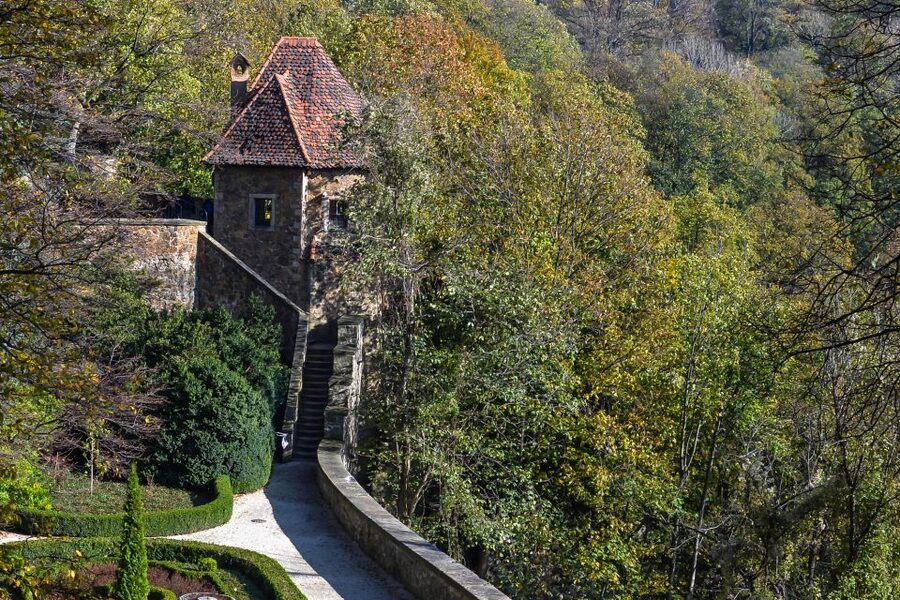
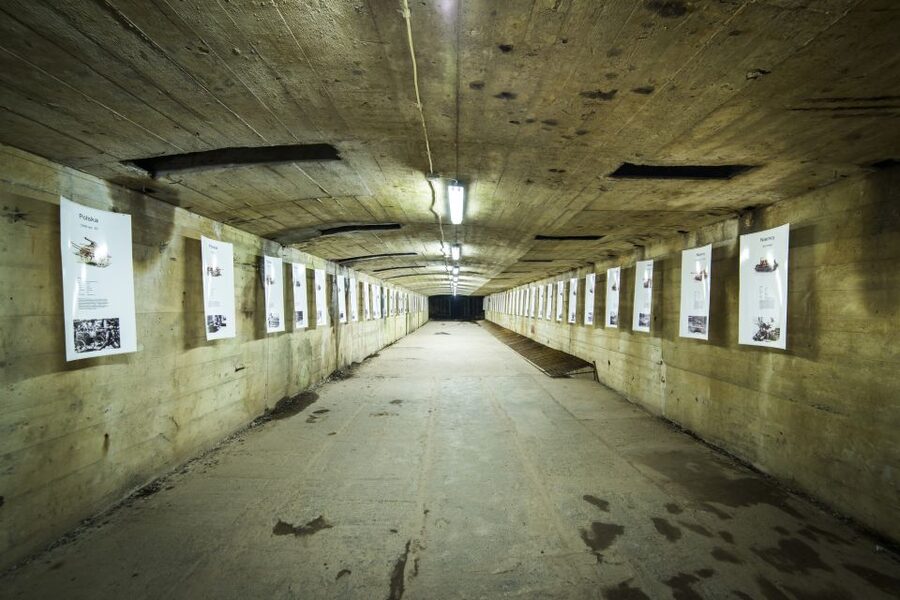
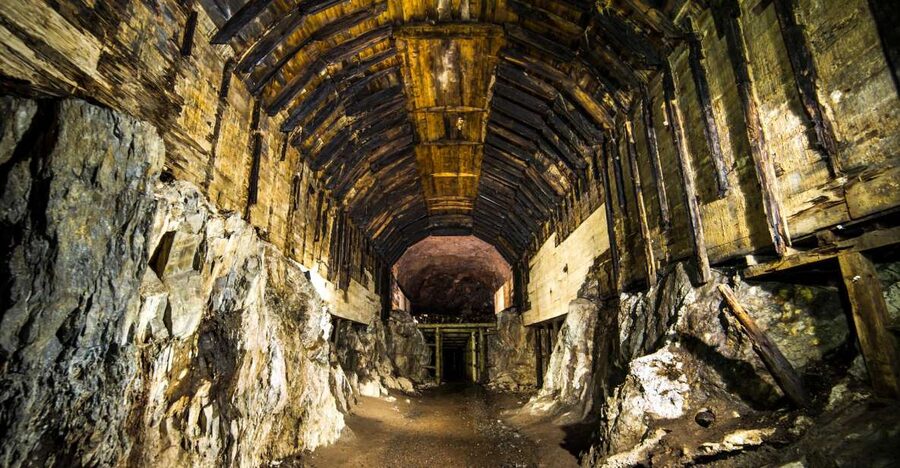
Project Riese is the code name for a Nazi-era construction project started between 1943 and 1945. The plan involved seven underground structures in the Owl Mountains area and also connected with Książ Castle. The site is one of those places where the “what” is clear, but the “why” feels unsettling the deeper you look.
You’ll spend up to about 1 hour there. That short time is a good design choice: underground spaces can drain your energy fast, and you’ll get far more value moving with a purpose than lingering at every corner. The spaces are in different states of completion, and that difference is part of what makes the visit memorable. You’re not just seeing finished tunnels—you’re seeing interrupted ambition.
Practical tip: plan for the temperature. The average temperature throughout the year is around 10°C. Even if it’s warm outside, underground you’ll feel that cooler air and dampness. Comfortable shoes help, because you’ll be walking on surfaces that can feel uneven or slick when it’s cold.
Audio guide reality check (and how to handle it)
Audio guides are provided in English and several other languages, and you’ll typically have audio in both locations if available. At Project Riese, there’s a practical catch: the on-site tour content may be in Polish, and if you’re using English, you’ll rely on your audio device to follow along.
That’s not a dealbreaker—audio is still helpful for context and timing—but it can mean you miss small nuances that come from live conversation. I like this approach for structure, but I’d also recommend being comfortable reading faces and body language. Look for visual cues like signage, open spaces, and how the guide groups the information.
A small nature tip for the walk back
One of the best “almost free” extras is what you notice on the way out. When you’re done underground, look for ruins in the forest during the walk back. It adds a layer to the experience: this isn’t only a bunker story, it’s also a landscape marked by war-era remnants and later traces.
Książ Castle: 400 rooms, the Hochbergs, and WWII change of ownership
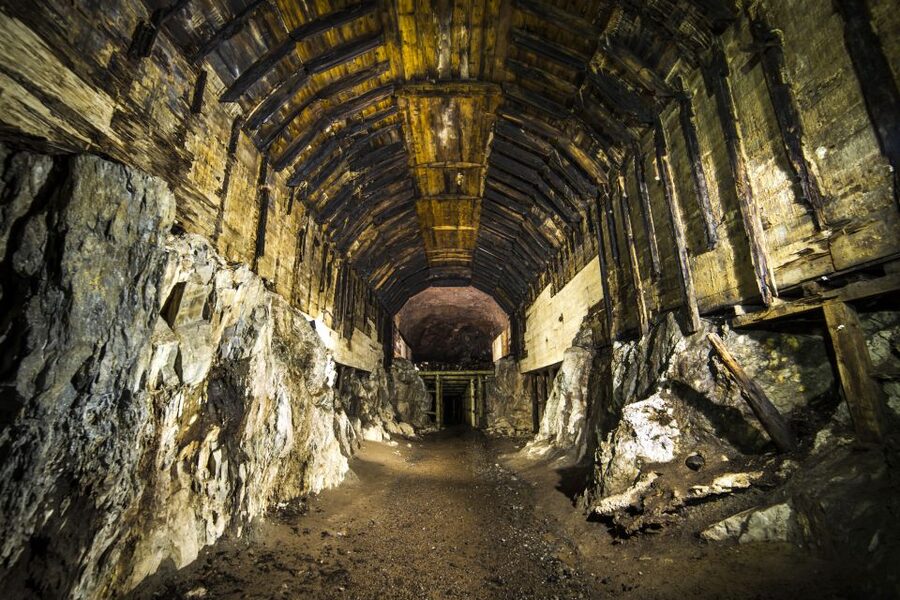
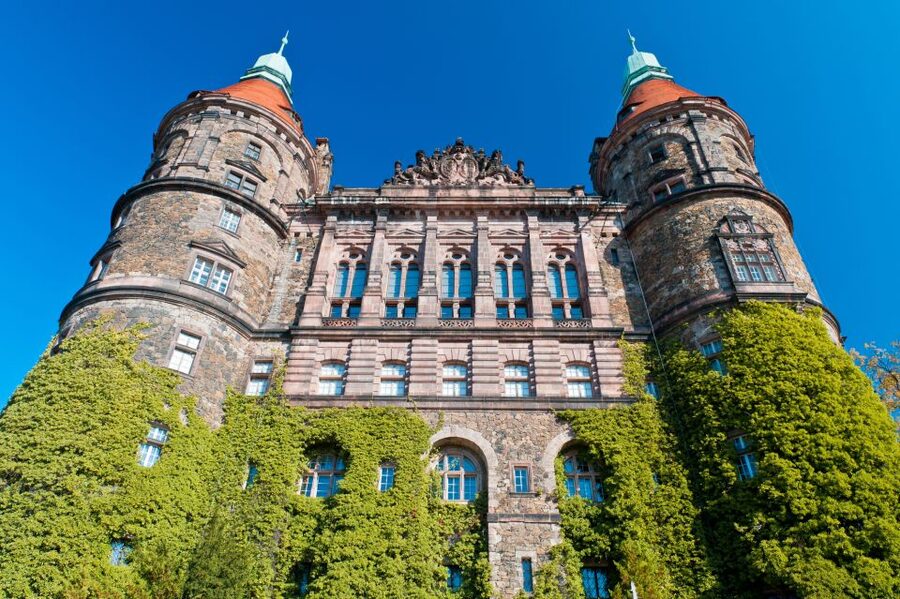
After Project Riese, you’ll head to Książ Castle. This is a massive place—listed as the third largest castle in Poland, with more than 400 rooms. The Hochbergs lived here for more than 400 years, and they were known as one of Europe’s richest and most famous families.
What I find useful about the way Książ is presented is the switch from underground conflict to visible power. At Riese you’re inside the planning and secrecy of Nazi Germany. At Książ you’re standing in architecture that was built to last and to impress—then later seized and repurposed during WWII.
During the war, the castle was seized by Nazis, who planned to turn it into one of Hitler’s residences. That context doesn’t make the castle feel less beautiful. Instead, it changes what your eyes pick up. Ornate rooms stop being just pretty backdrops and start reading like part of a larger story about wealth, control, and occupation.
How to use your 2.5 hours wisely
You’ll have up to about 2.5 hours to explore Książ Castle. That’s enough time to do a meaningful self-paced walk, especially if you focus on a few priorities rather than trying to hit every room.
A smart strategy: start with the most visually distinctive sections first, then use the audio guide to fill in background as you move. I like this order because it keeps you from wandering with questions you’ll only answer later. Also, if you’re excited about underground spaces, keep reading—this tour includes the castle’s main areas, but not everything underground that you might expect.
The photography and walking rhythm
Książ is the kind of place where your best photos come from pacing. Walk a bit, pause, then walk again. Even if you’re not an active “photo person,” slowing down helps you notice the shape of hallways, how rooms connect, and where long corridors open into larger spaces.
The gardens and grounds are also part of the charm. You’ll want at least a short stretch outside before the day ends, especially if you’re coming from cold underground temperatures at Project Riese.
The big limitation: Książ tunnels are not included
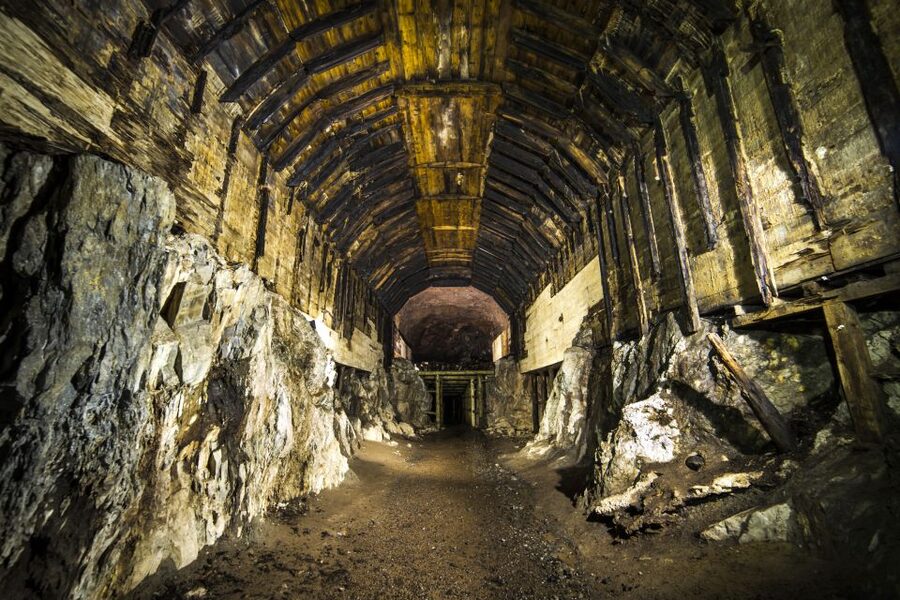
Here’s the detail that can affect whether this tour feels perfect or disappointing. The tour listing notes that castle tunnels are not included. In practice, that means you should not expect an underground bonus under Książ itself.
This matters because Książ can attract people for two different reasons:
- They want the castle halls and Hochberg story.
- They want an underground exploration day.
If you’re in the second camp, you’ll likely feel like you ran out of time or shifted priorities. One approach that works well is deciding in advance what you value more. If you want the castle interior experience, this tour fits nicely. If underground tunneling under the castle is your main draw, you’ll want a different option that specifically includes those tunnels.
Audio guides in English (plus the languages you can expect)
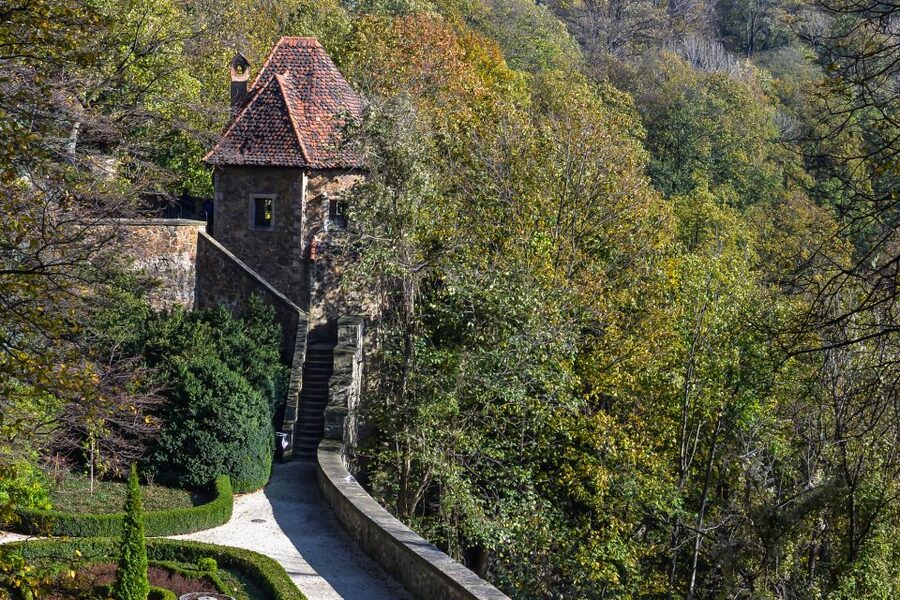
Audio guides are part of the experience, and the driver is English-speaking. The audio is listed as available in English, German, French, Spanish, and Italian. In both places, you’ll be given audio guides if they’re available.
I like audio in museums and historic sites when it’s used as a companion, not as a replacement for looking. In a place like Książ—where there’s a lot to see and little time to “guess” what matters—audio helps you understand the purpose of rooms and the big historical threads without slowing you down.
At Project Riese, audio works best if you’re willing to accept a certain structure: you may not be fully in sync with spoken guidance if the main narration isn’t in your language, but the device still gives you the core interpretation and dates.
Bottom line: bring your patience for devices, and don’t treat audio as a single “perfect narrative.” Use it to guide your attention, then let the visuals do the rest.
What to wear and pack for comfort and speed
This is a day where comfort quietly drives the quality of your experience. The big item is shoes. You’re told to wear comfortable shoes, and that’s exactly what you’ll want for underground floors and castle walking.
Also plan for temperature contrast:
- Project Riese stays around 10°C on average all year.
- Książ will feel much more like typical outdoor/indoor castle conditions, which can swing based on season.
Food and drinks are not included. That means you should plan a simple option, like a snack or a drink you can buy near the stops, so you’re not hunting when the day is already packed. A bottled water is included, but it’s not a meal replacement.
Pets aren’t allowed, and unaccompanied minors aren’t allowed. If you’re traveling with kids, they must be accompanied by an adult.
And one more non-negotiable for planning: the tour is not wheelchair accessible. If accessibility is a concern, this one likely won’t work.
Price and value: why $176 can make sense for a private day
The price is listed at $176 per person for an 8-hour private experience. On paper, that sounds like a “big number.” In reality, it lines up with the kind of day it is: two major sites, hotel pickup and drop-off, and private transport in an air-conditioned minivan.
It also includes several cost items that often add up on your own:
- Entrance fees
- Bottled water
- Fuel surcharge and GST
- Driver/guide service
- Round-trip private transfer
The value is strongest if you want English support and prefer a private format that lets you control pacing. It’s also a good fit if you don’t want to coordinate separate tickets and transport between Wrocław, Project Riese, and Książ on your own.
If you’re traveling solo, the private factor is still useful because you’re buying time and convenience, not just sightseeing. If you’re cost-sensitive and don’t care about a private pace, a group option could be cheaper elsewhere. But for many people, paying more for fewer logistics headaches is a fair trade.
Who this tour is best for (and who should choose differently)
This tour fits you well if:
- You want WWII-era sites tied to Nazi Germany’s underground ambitions and their later use of Książ.
- You enjoy castles that are large enough to reward self-paced exploring.
- You like a day structured around two strong anchors rather than a long list of stops.
It may not fit you as well if:
- You’re specifically chasing underground tunnels under Książ. Those are not included here.
- You need wheelchair accessibility. This tour isn’t set up for that.
- You hate cool underground spaces and don’t want to dress for 10°C conditions.
One extra practical note from experience with this type of day: plan your energy. Project Riese is intense because it’s underground and historically heavy. Then Książ asks for walking and attention. Build in breaks mentally, even if you don’t stop for long.
A quick note on the driver experience
This day runs like a professional operation. You’ll have a driver/guide who handles the logistics and keeps timing sane. One reported highlight: Michal (spelled Michal in the feedback I saw) was described as punctual, courteous, and helpful.
You’ll appreciate that kind of driving when the day includes two very different environments—cool underground corridors and expansive castle areas—where it’s easy for small delays to snowball.
Should you book this Wrocław to Project Riese and Książ Castle private tour?
I’d book it if your priority is a smooth private day with built-in context at two key Lower Silesia stops: Project Riese for the underground WWII story and Książ Castle for the Hochberg legacy and castle-scale exploring.
I would hesitate if underground tunnels under Książ are your main obsession. Since castle tunnels are not included, you might leave with the feeling that a major part of the attraction was outside your day plan. For everyone else—especially if you like audio guides, want a driver, and prefer not to juggle transport—this tour is a strong value way to see a lot in one day.
FAQ
FAQ
How long is the tour?
The duration is listed as 8 hours.
Where does pickup happen?
Pickup is from your hotel in Wrocław.
What’s included in the price?
Entrance fees, fuel surcharge, GST, bottled water, driver/guide support, hotel pickup and drop-off, private tour format, round-trip private transfer, and transport by air-conditioned minivan are included.
Are food and drinks included?
No. Food and drinks are not included.
Is there an underground tunnel visit at Książ Castle?
No. Castle tunnels are not included in this tour.
How cold is Project Riese inside?
The average temperature year-round is around 10°C.
Is the tour wheelchair accessible?
No, it is not wheelchair accessible.
What languages are available for the audio guide and driver?
The driver is English. Audio guides are available in English, German, French, Spanish, and Italian (and audio guides are provided in both places if available).