REVIEW · LISBON
From Lisbon: Tomar, Christ Convent & Almourol Castle Tour
Book on GetYourGuide →Operated by Around Lisbon Tours · Bookable on GetYourGuide
Templar knights meet real river views. I like how this day strings together two UNESCO-level stops (Tomar’s Convent of Christ and the Templar landmarks around town) with a real boat-and-island moment at Almourol. I also like that the guide work is detailed and human—folks have raved about Oriana, João, and Lourenço for turning stones, windows, and churches into a clear story you can actually follow. One possible drawback: the schedule includes a lot of walking and climbing, so if your legs are not happy with hills and steps, you may feel it after the long road time.
You’ll start with Lisbon pick-up and an air-conditioned van ride north for about 1h30, then spend the day moving between big spiritual-political centers and dramatic natural scenery. The route makes sense if you want context, not just checklists: you’ll trace borders, orders, and Portuguese expansion while you move from river confluence to medieval streets to rotunda-style church architecture.
The overall tone is relaxed but not slow. This is a “see-and-understand” day—great if you want history that comes with physical place, and you’re okay with lunch not being included.
In This Review
- Key highlights I’d prioritize
- From Lisbon to Almourol: where the day finds its pace
- Almourol Castle by boat: the island fortress moment
- Following the Tagus and Zêzere: the natural border idea
- Tomar’s streets and churches: walking a Templar-founded town
- Santa Maria dos Olivais: the Templar ties you can feel
- Climbing Tomar Castle and meeting Master Gualdim Pais
- The Convent of Christ: UNESCO scale, Templar-to-Order-of-Christ continuity
- Santa Maria dos Olivais to the Convent: how the day builds meaning
- What this tour feels like in real time
- Who should book this Tomar and Almourol day trip
- Price and value: is $94 worth it?
- My bottom line: should you book it?
- FAQ
- How long is the tour?
- What’s the starting point and transport like?
- What attractions are included?
- Is lunch included in the price?
- Are tickets included for the main sites?
- Do I get a boat ride?
- What language is the guide?
- What should I bring?
- Is the group private or small group?
- Can Almourol access be affected by water levels?
Key highlights I’d prioritize
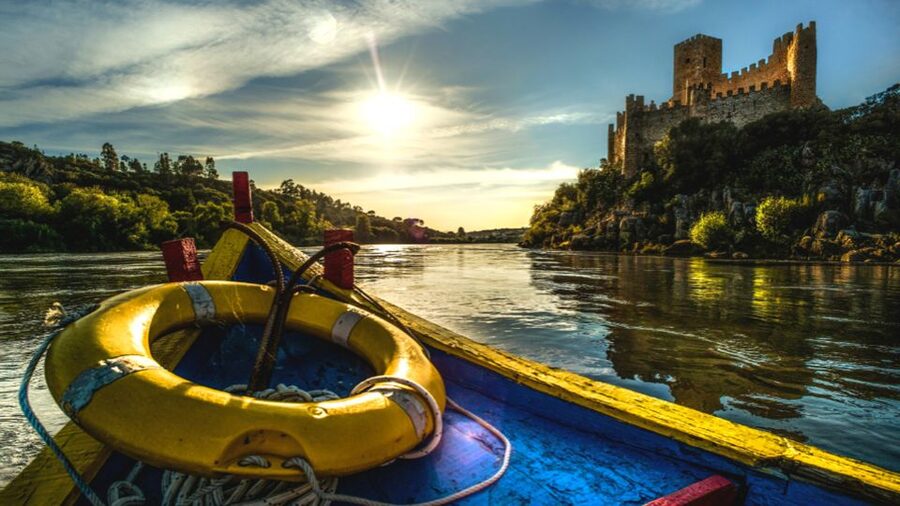
- Almourl Castle by boat: glide across the Tagus to a fortress on an island in the Tagus River
- Tomar as a Templar hub: medieval streets plus churches tied to the Order of Christ
- River confluence views: the meeting of the Zêzere and Tejo as a natural frontier
- Convent of Christ focus: Charola rotunda and a standout Manueline window
- Climbing to Tomar Castle: views and Templar building ideas connected to Master Gualdim Pais
- Small-group feel when available: multiple guests loved the calmer pace with very small numbers
From Lisbon to Almourol: where the day finds its pace
This tour is built for a full day out of Lisbon, with pick-up and drop-off at your accommodation. You ride in an air-conditioned van with free Wi-Fi, which matters because you’re looking at an 8–9 hour day with travel time before you even reach the first big monument.
The early drive sets expectations. You’re going to see Portugal’s story at two scales: the big strategic map (borders, crusade ideas, political change) and the smaller human scale (how a town like Tomar gets built, and how orders shape architecture). Your guide’s job is to keep those scales connected, so you’re not just wandering inside buildings with no idea what you’re looking at.
When guides are strong, it shows fast. Reviews repeatedly name Oriana (and variations like Orianne/Orianna), João, and Lourenço as people who explained the Templars, the Order of Christ, and Portugal’s development in a way that stayed interesting for mixed ages—from an 11-year-old to adults. That’s a big deal on a history-heavy day like this.
Practical note: this is not a sit-down-only tour. Expect some stairs and hill climbs, plus time in churches and courtyards where you’ll want to move slowly and look closely. Wear comfortable shoes and plan your day like you’re doing a long walking day, not an easy outing.
You can also read our reviews of more tours and experiences in Lisbon.


Almourol Castle by boat: the island fortress moment
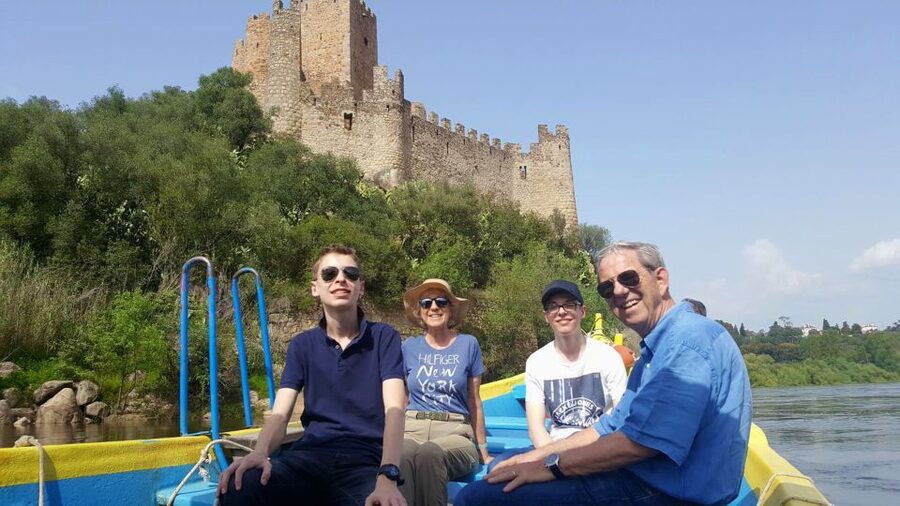
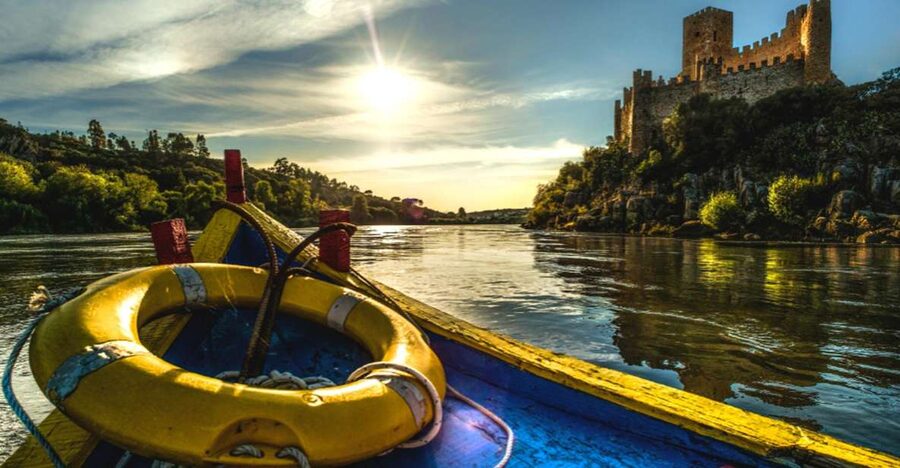
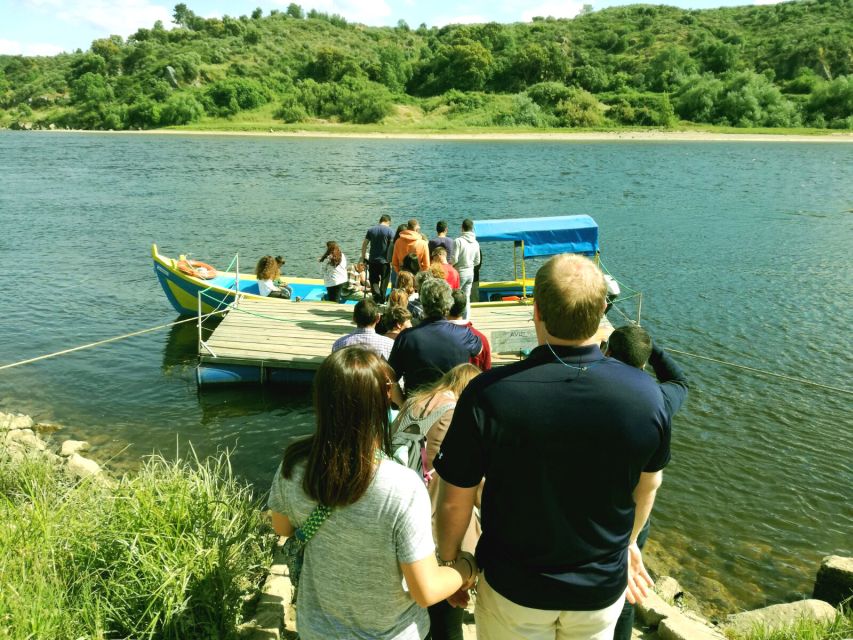
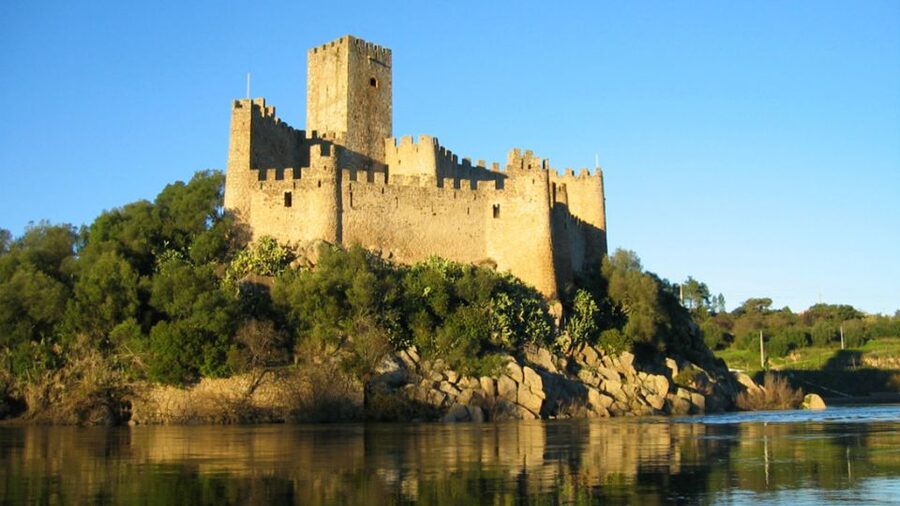
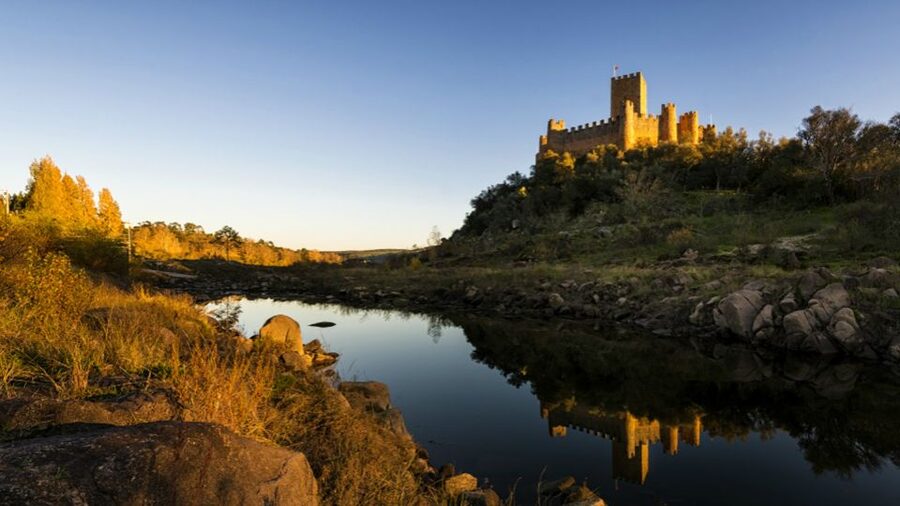
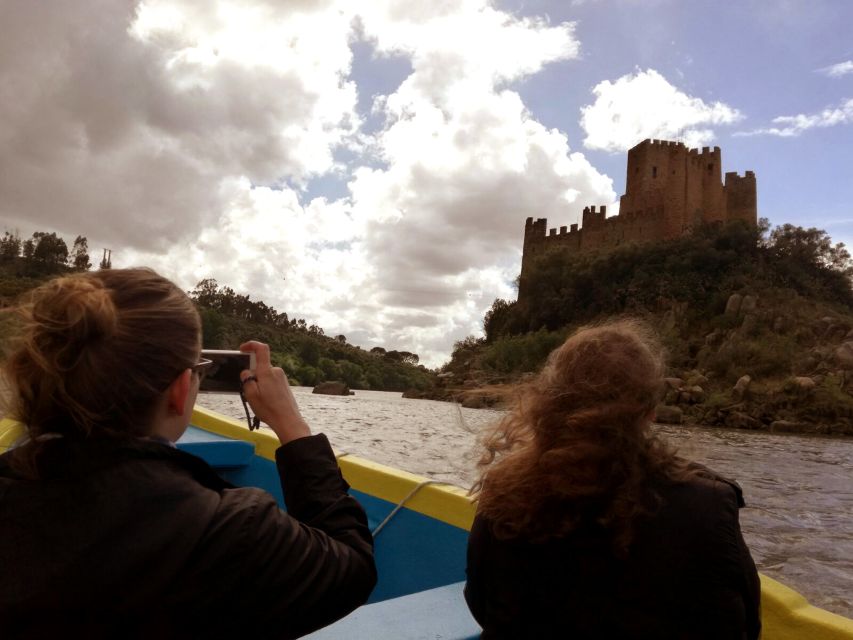
The star-feeling start is Almourol Castle. You drive north to the Tagus River area, then you head out by boat to reach the fortress perched on an island. Even if you’re not the type who loves medieval towers, the setting does a lot of the work: you get the calm river glide first, then a climb up onto rugged stone where the castle’s defensive logic feels obvious.
The tour frames Almourol as a strategic outpost—part of the wider Templar-era story—and you’re given historical context while you’re literally approaching it from the water. That combination tends to land well because it’s visual. You don’t just hear about the idea of a stronghold; you see how isolation and water control mattered.
One heads-up: Almourol can be affected by river conditions. In at least one case, a booking noted they couldn’t see the Almoural due to water levels. The practical takeaway for you is simple—build in a bit of flexibility. If the boat or island access changes, the rest of the day (especially the Convent of Christ) is still a major payoff.
For photographers, this stop is also a gift. You’re getting both water views and stonework from different angles. Just keep in mind the boat ride means you’ll likely spend some time exposed to weather, so dress for the day you get, not the day you planned.
Following the Tagus and Zêzere: the natural border idea
Between Almourol and Tomar, you’ll ride along the margins of the Tagus River toward where the Zêzere joins it. The confluence isn’t just scenic; it’s explained as a natural frontier that mattered when Christians and Muslims were pushing into different territories.
This matters because it helps you read the landscape like a map. When you understand why rivers were boundaries—transport routes, barriers, defensive lines—you start to see why certain towns grew where they did. The tour also mentions the historical backdrop of Portuguese expansion, tying it to Afonso Henriques and the push to expand south.
In other words, this is where the tour earns its right to exist. If all you wanted was churches and castles, you could pick a shorter day. The river segment gives you the connective tissue: geography → conflict → settlement → architectural legacy.
Tomar’s streets and churches: walking a Templar-founded town
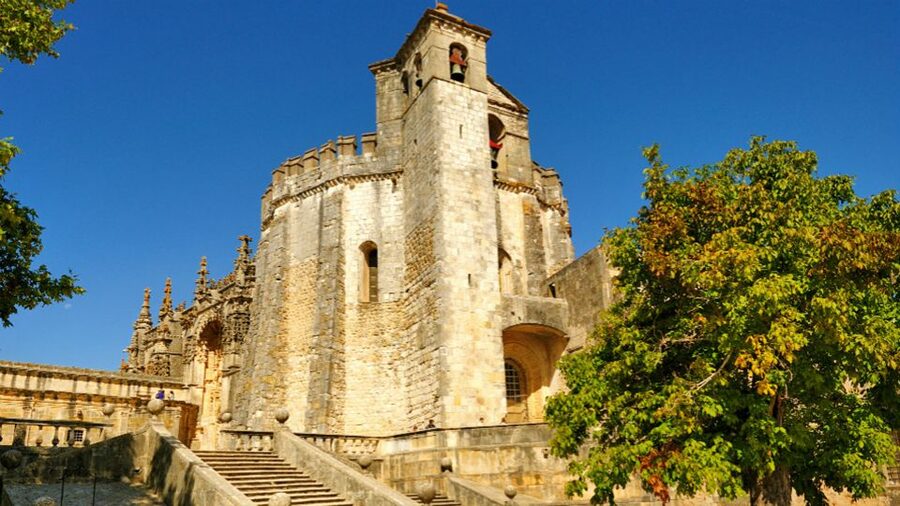
Tomar is one of the big reasons this day trip works. You get free time to wander the cobbled streets and pass both medieval and Manueline churches at your own pace. That open time is important. It lets you slow down where you want, and it keeps the day from feeling like a constant sprint to the next ticket line.
Tomar also gives you a calmer kind of sightseeing compared with some other Portuguese towns. It’s the sort of place where you can walk into a street, notice a church façade, then look for the next viewpoint or doorway detail without needing an official plan.
A nice practical touch: some guests found that you can get a good meal and even a decent bottle of local wine at reasonable prices right in town during the lunch window. Since lunch is not included, this free time is your chance to choose a place you like—sit down, eat well, and reset before the more intense church-and-castle portion of the day.
Santa Maria dos Olivais: the Templar ties you can feel
After Tomar’s streets, the tour shifts toward Santa Maria dos Olivais Church, dating back to the 12th century. This stop is especially meaningful for anyone who wants the story to go beyond big convent walls and into the people behind them.
The church is described as a place where many Templar Masters were buried. That detail changes how you move through the space. You’re not just looking at old architecture; you’re being asked to picture leadership and continuity—who mattered, where they were remembered, and how the Templar presence became part of Tomar’s identity.
You’re also shown how the Templars started a city from older Roman ruins. That concept is a recurring theme in Portugal: layers of power. A Roman base becomes a medieval center becomes a Renaissance-era reinterpretation. When your guide ties those layers together, Tomar stops feeling like a random medieval stop and starts feeling like a place built on momentum.
If you enjoy connecting religious order history to nation-building, this is one of the best stops on the route.






Climbing Tomar Castle and meeting Master Gualdim Pais
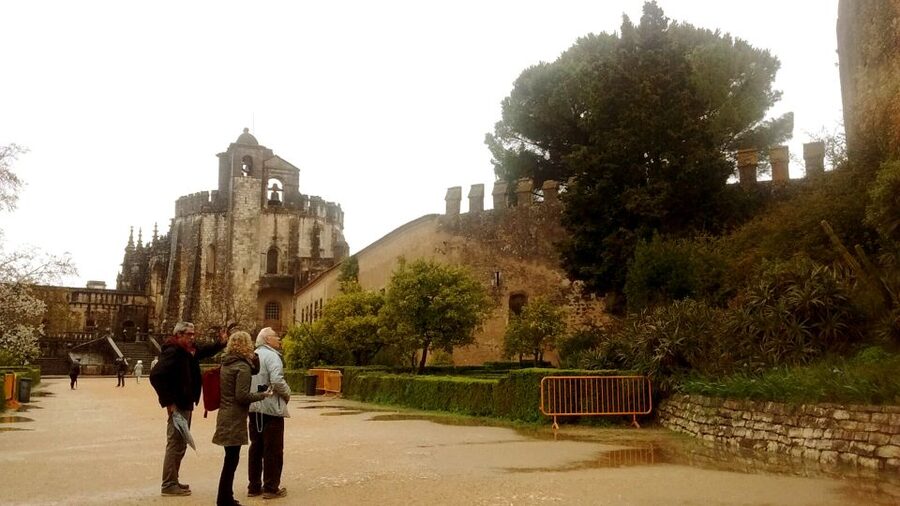
In the afternoon, you climb the hill to the Tomar Castle. The tour frames it around Master Gualdim Pais—often treated as a heroic figure in Portuguese Templar lore—and connects the castle to Templar techniques and innovations.
Even without turning this into a workout, the climb does something valuable: it forces you to experience the idea of defense. From higher ground, you get better perspective on why towns and fortifications are where they are. It’s the difference between seeing a wall in a photo and standing where someone would have watched approaches.
Another strong point here is that your guide explains what you’re seeing rather than leaving you to guess. People frequently mention how guides pointed out details they might have otherwise missed—especially at sites like Tomar Castle and the Convent of Christ.
If you’re planning your day with comfort in mind: take your time on the climb. This is one of the more physical portions of the itinerary. The payoff is the view, but the best part is still what the guide connects about how the Templar building mindset worked.
The Convent of Christ: UNESCO scale, Templar-to-Order-of-Christ continuity
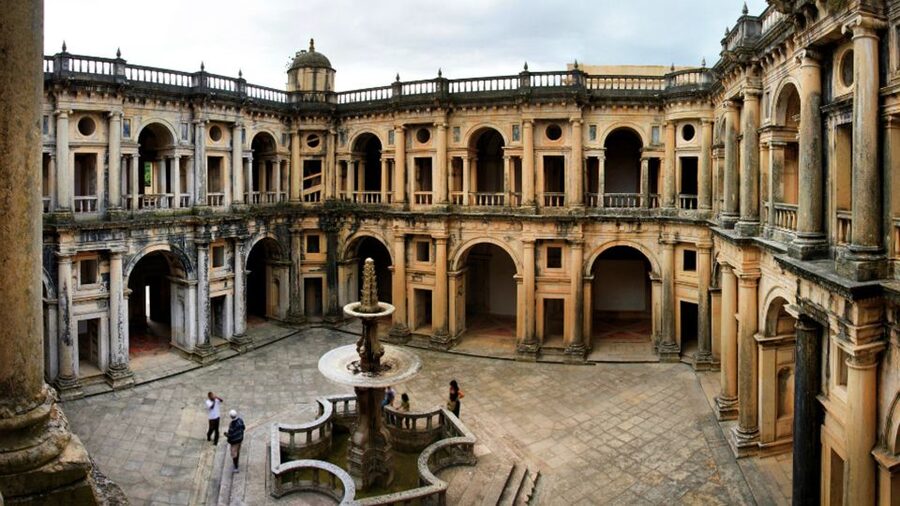
The Convent of Christ is the anchor stop. This is UNESCO World Heritage level, and it shows in how much there is to see. You’ll walk through a monumental complex that ties the Templars to the later Order of Christ—the organization described as succeeding the Templars.
This continuity is the big interpretive idea of the day. Instead of imagining the Templars as a closed chapter, the tour treats their legacy as something that kept moving through Portuguese history. That’s why your guide’s storytelling matters so much here: the architecture is the evidence.
Two specific Convent features usually get your attention fast:
- The Charola Church (Templar rotunda): the tour points it out as a standout element of Templar church design.
- The iconic Manueline window: a major visual highlight that helps you jump from medieval ideas into later Portuguese artistic language.
If you like religious architecture, this is your moment. If you don’t, don’t worry—you still get the sense that the Portuguese story changed form but kept key structures of power.
The Convent visit includes time to explore the rest of the complex. That open wandering time matters because the Convent is enormous. If you try to absorb everything in a rush, you’ll end up tired and forgetful. Use the free time to revisit what grabbed you most—especially if you’re the kind of person who notices windows, doorways, and stone patterns.
Santa Maria dos Olivais to the Convent: how the day builds meaning
One reason this itinerary feels satisfying is that it moves from smaller-scale order identity to bigger-scale state identity.
You start with a fortress (Almourol) in a strategic setting. Then you shift to a town and churches linked to Templar presence. Then you climb toward fortified power in Tomar Castle. Finally, you spend your biggest block of time at the Convent of Christ, where the story becomes monumental.
That progression keeps the day from feeling random. You’re not just bouncing between sites; you’re watching the theme evolve:
- Control of geography (rivers and borders)
- Control of territory (settlement and expansion)
- Control of institutions (order leadership and burial places)
- Control of legacy (the convent complex and later Order of Christ)
It’s also why mixed-age groups can enjoy it. A child may like towers and the boat. An adult may care about how the pieces connect. Strong guides like Oriana and João have managed to make both feel relevant at the same time.
What this tour feels like in real time
This is an all-day loop, but it doesn’t have to feel rushed if you go with the flow. The van ride means you’re not stressed about transportation, and the guided stops keep you from getting stuck in interpretive guesswork.
Small-group versions are available, and some guests were impressed by the calm pace when only a handful of people were on board. That can make a difference when you have questions or want the guide to take a moment explaining a detail in plain language.
There’s also evidence that guides adjust when weather changes. One review praised João for rerouting parts of the outside portions to avoid rain. So if the forecast looks unpredictable, don’t panic. This tour is built to handle normal disruptions with common-sense adaptation.
Who should book this Tomar and Almourol day trip
Book this if you want:
- a history-focused day that still includes scenic outdoor time
- Templar and Order of Christ storytelling tied to real places
- boat-and-castle views without needing a multi-day trip
This is also a good choice for someone who has already seen major Lisbon highlights and wants to go north to a different slice of Portugal’s medieval story.
You might skip it if:
- you want a mostly flat walking itinerary
- you’re not comfortable with climbs and lots of site time
- you need lunch included in the price
If you’re somewhere in the middle—curious about history, but also happy to enjoy scenery—this tour is a solid fit.
Price and value: is $94 worth it?
At $94 per person for an 8–9 hour day, the value depends on what you compare it to. What you get here is more than just a guided walk:
- hotel pick-up and drop-off in Lisbon
- air-conditioned van transport with free Wi-Fi
- entrance fees to the Christ Convent and Almourol Castle
- the boat ride component tied to Almourol access
- water included
Lunch costs extra, so you’ll want to budget for that. Still, once you account for transportation plus major-site entry fees, you’re not just paying for narration—you’re paying for convenience and access.
In plain terms: if you’re hoping to see Tomar’s top monuments plus the Almourol island castle, this price looks fair. If you only care about one of those two anchors, you might feel better choosing a shorter, single-focus tour.
My bottom line: should you book it?
I’d book this day trip if you want a place-based history story—Templars, Order of Christ, and Portuguese expansion—wrapped in real-world sights like river confluences, a boat ride, and one enormous convent complex. The strongest part is how the tour uses a guide’s explanations to make architecture and geography make sense, not just look old.
If you’re sensitive to hills and steps, wear grippy shoes and plan for a longer walking day. And if river conditions affect boat/island access, don’t let that ruin your mindset—this itinerary still gives you a huge payoff at the Convent of Christ.
FAQ
How long is the tour?
The duration is 8 to 9 hours.
What’s the starting point and transport like?
You get pick-up and drop-off at your accommodation in Lisbon, and you travel by air-conditioned van with free Wi-Fi.
What attractions are included?
You visit the Convent of Christ in Tomar and Almourol Castle, with entrance fees included. You also see Tomar and Santa Maria dos Olivais Church.
Is lunch included in the price?
No. Lunch is not included, but you’ll have free time in Tomar to get something to eat.
Are tickets included for the main sites?
Yes. Entrance fees to the Christ Convent and Almourol Castle are included.
Do I get a boat ride?
Yes. The tour includes a boat ride to help you discover Almourol Castle.
What language is the guide?
The live tour guide speaks English and Portuguese.
What should I bring?
Bring a passport or ID card, and wear comfortable shoes.
Is the group private or small group?
Private and small-group options are available.
Can Almourol access be affected by water levels?
In at least one provided account, water levels prevented seeing Almoural. The practical takeaway is that river conditions can matter.