REVIEW · LLANDUDNO
From Llandudno: Snowdonia National Park & Three Castles Tour
Book on GetYourGuide →Operated by Adventure Tour Snowdonia · Bookable on GetYourGuide
Snowdonia hits you fast. This 9-hour day trip from Llandudno strings together big mountain views and three UNESCO stops, with castle walls, coastal scenery, and Welsh stories along the way. I especially like the way the route mixes fresh air with history you can actually walk around, plus the guide-led facts (the best ones I’ve heard include Freddy, Phil, Chris, and Guy). One heads-up: it is a long day, and some places involve steps and uneven footing.
What makes it work is the pacing. You get solid time in Conwy to walk the town walls and spot old Tudor houses, then you move up into Snowdonia for lakes, viewpoints, and that famous Pen-y-Pass drive. The one drawback to plan for is practical stuff: toilet access isn’t built into every scenic pause, so it helps to go at the longer stops and keep snacks and water in your bag.
In This Review
- Quick take: what this tour does best
- From Llandudno train stop to a full North Wales day
- Great Orme Road: cliffs, birds, and sea air before the castles
- Conwy’s town walls and castle: the UNESCO stop that rewards walking
- That secret stop: a short pause that can become a highlight
- Penrhyn Quarry and the slate heritage: Wales’ industry, not just scenery
- Nant Ffrancon Pass and Ogwen Valley: lake views and glacial routes
- Snowdonia viewpoints and Pen-y-Pass: the camera-friendly stretch
- Dolbadarn Castle ruins: a brief walk through forest to a dramatic gate
- Caernarfon: castle walls and village atmosphere in the last UNESCO hit
- Food, photos, and timing: how to make 9 hours feel like enough
- Price and value: what $88 buys in real sightseeing time
- Who this tour fits best (and who should adjust expectations)
- Should you book this Snowdonia and three castles day trip?
- FAQ
- How long is the tour from Llandudno?
- What UNESCO sites are included?
- What is included in the price?
- What entry fees are not included?
- Is there a lot of walking?
- Is the tour suitable for wheelchair users?
- What should I bring?
Quick take: what this tour does best
- Three UNESCO World Heritage sites in one day: Conwy, Caernarfon, and the slate heritage at Penrhyn Quarry
- Great Orme Road viewpoints with cliff wildlife and Irish Sea views
- Castle time that feels like sightseeing, not a drive-by (especially around Conwy)
- Snowdonia big-view stops, including a Pen-y-Pass moment your camera will remember
- A guide who turns Welsh myths and local history into a day you can follow easily
From Llandudno train stop to a full North Wales day
Most days start at the bus stop right outside the entrance to Llandudno Train Station. That’s convenient if you’re already based in Llandudno and want to avoid the hassle of transfers. Then you settle into a small minibus with a local driver and an English-speaking guide, and the day starts moving.
The tone is relaxed, but it’s not a lazy tour. You’ll spend meaningful time at key stops—enough to wander, take photos, and form your own sense of place—then you’re back on the road. Because it’s a minibus setup, it can handle narrower stretches that big coaches sometimes struggle with.
You can also read our reviews of more tours and experiences in Llandudno.
Great Orme Road: cliffs, birds, and sea air before the castles
One of the simplest joys on this tour is the first real wow-factor: the drive on Great Orme Road. This is your early taste of North Wales’ coastal drama—cliffs, views out toward the Irish Sea, and the chance to spot local wildlife when conditions are right.
You’ll get about 40 minutes here for photo-taking and sightseeing. I like this timing because it knocks the jet-lag out of your system. Even if you’re not a big “tour bus photos” person, you’ll find yourself stopping to look twice: the scale is bigger than most people expect from coastline pictures.
If you want the best photos, bring a jacket you can tolerate for wind. Great Orme can feel brisk even when the town is mild.
Conwy’s town walls and castle: the UNESCO stop that rewards walking
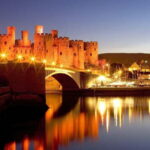
Conwy is where you get to stretch your legs and actually feel the Middle Ages. The tour typically gives you around 105 minutes in Conwy, which is long enough to do the essentials and still wander a bit on your own.
Expect to:
- Walk parts of the castle walls
- Stroll the Conwy estuary area
- Spot the old Tudor houses and browse traditional Welsh art and craft shops
You’ll also hear about a few standout details in town, including the finest surviving townhouse of the Elizabethan era in Britain, a very small house often described as Britain’s smallest, and the world’s first suspension bridge built in 1819.
The only practical note: entry fees are separate for places like Conwy Castle and Plas Mawr. The tour includes time to explore outside and around, and you can choose whether to pay for interior access based on your interests and budget.
That secret stop: a short pause that can become a highlight
Between Conwy and the move toward the mountains, there’s a brief secret stop (about 20 minutes) with a photo stop and guided tour. The name doesn’t matter as much as what this usually does for the day: it breaks up the driving and gives you one more chance to see something the main route would skip.
It’s short enough that you won’t feel stuck, but long enough to ask questions and get context from the guide. If the weather turns, this kind of stop can matter, because it gives you value even when you can’t linger at viewpoints for long.
Penrhyn Quarry and the slate heritage: Wales’ industry, not just scenery
Next comes the stop people underestimate. Penrhyn Quarry is tied to the Welsh slate story, and that industrial history is part of why this day trip counts as more than a postcard loop.
You’ll have about an hour for lunch on your own during this block, plus time for sightseeing and photo stops. You may also encounter the Llanberis and Padarn Park National Slate Museum element on the day—this is the place where the slate industry is treated as the real engine of the region’s past.
If you like learning how people lived, you’ll probably enjoy the museum talks and demonstrations. In particular, the slate work helps you understand the scale of the quarrying operation and why the buildings, roads, and local culture grew the way they did.
One thing to keep in mind: museum opening times can change. On one recent day, the slate museum stop didn’t happen as scheduled due to closure, so if slate heritage is a must for you, have a Plan B mindset (and keep room for other viewpoints).
Nant Ffrancon Pass and Ogwen Valley: lake views and glacial routes
When the tour turns toward Snowdonia, it shifts from coastline and castles to mountain geography. The drive through Nant Ffrancon Pass is a guided sightseeing stretch (around 40 minutes), and it’s one of those routes where the terrain shapes the story.
Then you move into the Ogwen Valley area, with stops that typically include time at Llyn Ogwen (about 20 minutes). This is one of the moments where the guide’s storytelling really matters because the scenery alone is already impressive, but the context gives it meaning.
You’ll also get a sense of the broader Eryri (Snowdonia) National Park area—mountain villages, lakes, and the towering ranges that make this region feel so big. The tour’s rhythm here is mostly scenic: you’re not rushing through town centers; you’re taking in the view, getting brief guided context, then moving on.
Dress for changing weather. This part of Wales can shift quickly, even when lower areas feel calm.
Snowdonia viewpoints and Pen-y-Pass: the camera-friendly stretch
The tour includes a stop at Snowdonia Viewpoint with time for sightseeing and photos (about 20 minutes). The guide will share local history and Welsh myths and legends here, and the viewpoint is the kind of place where you understand why people talk about Snowdonia as a national treasure.
After that, you get Pen-y-Pass (about 20 minutes) with more scenery and a guided look along the way. One of the tour highlights is a drive down Pen-y-Pass, and it’s often where the day’s memory sticks for visitors—because it feels like you’re right on the edge of the wild.
Practical tip: if you get motion-sensitive, bring something to settle your stomach. The day has multiple scenic drives, and the mountain roads can feel twisty.
Dolbadarn Castle ruins: a brief walk through forest to a dramatic gate
Dolbadarn Castle ruins are the tour’s “gateway to Snowdonia” feel. You’ll get time for photos, a visit, and a guided look around (about 45 minutes), including passing through a forested approach.
The walking here is usually light, but there is a brief roughly 5-minute walk up to Dolbadarn Castle. The guide and vehicle setup are friendly toward light walking, and this part can often be avoided if necessary, but it’s not a full accessible stroll.
If you have mobility concerns, I’d plan your day around this stop. It’s not the longest walk, but the footing in a ruin area can be uneven. On one day, someone took a tumble coming down from this area, which is a reminder to wear shoes with grip, even on a day that looks dry.
Caernarfon: castle walls and village atmosphere in the last UNESCO hit
The final big UNESCO experience is Caernarfon Castle. You’ll have about 80 minutes in Caernarfon for photo stops and sightseeing, and that’s a good amount of time to feel the town around the castle rather than only seeing the stone from one angle.
You’ll walk around the UNESCO site and take in the overall setting. Like Conwy, some interior options come with extra entry fees—so Caernarfon Castle entry is not included, and you decide how much you want to pay to go inside.
I like that this is the last major stop because it lets the day end with a strong sense of place: towers, walls, and a waterfront town vibe that feels distinct from Conwy even though both are UNESCO powerhouses.
Food, photos, and timing: how to make 9 hours feel like enough
This is a true day trip: roughly 9 hours total, with steady driving time between stops and planned breaks. The best way to enjoy it is to treat it like a story with chapters. The guide narration helps you connect the dots—coast to industry to mountains to myth.
For food, the tour gives you time for lunch on your own during the Penrhyn Quarry/Llanberis slate block. That’s useful because it lets you choose what you actually feel like eating instead of getting stuck with one fixed meal plan. You’ll also find the day includes chances for cafes and rest breaks, even though snacks and refreshments are not included.
Photo-wise, you’ll have multiple “stop and look” moments across:
- Great Orme
- Conwy
- Nant Ffrancon/Ogwen
- Snowdonia Viewpoint
- Pen-y-Pass
- Dolbadarn Castle
- Caernarfon
One small but real tip: on one trip, a passenger noted there weren’t charging ports in the van. If phone battery matters to you, bring a power bank or keep your phone use efficient.
Price and value: what $88 buys in real sightseeing time
At about $88 per person, this tour isn’t a budget-only option. Still, I think it earns its price if you’re the kind of traveler who wants structure, storytelling, and a packed route without doing the driving yourself.
Here’s the value logic:
- You get transportation by minibus plus a local guide and driver for the whole day.
- You visit three UNESCO World Heritage stops, not just one or two.
- You spend real time at key places like Conwy and Caernarfon, not only quick pull-ins.
That said, it’s not all-inclusive. Entry fees for certain sites are extra, and snacks aren’t included. If you plan to go inside every paid attraction (Conwy Castle, Plas Mawr, Caernarfon Castle, and more), your total day cost can climb. If you’re happy focusing on exterior walking, viewpoints, and museum-style storytelling where offered, you’ll keep spending under control.
Also remember: the route includes light walking with one short uphill segment at Dolbadarn. If your day is built around comfort and low steps, factor that into the value equation.
Who this tour fits best (and who should adjust expectations)
This is a great choice if you want a first taste of North Wales with minimal logistics. It suits:
- First-time visitors to Llandudno and the surrounding region
- People who enjoy guided context and enjoy asking questions
- Travelers who want both castles and mountain scenery in one day
It may be less ideal if you need wheelchair-friendly access. The tour also isn’t suitable for people bringing pets or oversize luggage, and it restricts alcohol and drugs.
If you’re chasing deep, solo exploration, you might feel you’re moving too fast. The time is well-paced, but it’s still a fixed route with set stops. I’d recommend this tour as a sampler day—then use the rest of your trip to linger where you liked it most.
Should you book this Snowdonia and three castles day trip?
Book it if you want one organized day that gives you real variety: Conwy’s medieval town walls, Caernarfon’s castle setting, and Snowdonia’s big-view mountain energy—plus slate heritage that explains how this region developed.
Skip or adjust plans if you hate long driving days, need full wheelchair accessibility, or know you’d rather spend half a day in just one place. Also plan for the Dolbadarn footing with grippy shoes.
If you’re flexible and you enjoy a strong guide voice, this is the kind of tour that turns a map into a story you can follow from start to finish.
FAQ
How long is the tour from Llandudno?
The tour lasts about 9 hours.
What UNESCO sites are included?
The tour includes three UNESCO World Heritage stops: Conwy Town and Castle, Caernarfon Castle, and the slate heritage site at Penrhyn Quarry.
What is included in the price?
The price includes an English live tour guide, the driver, and transportation by minibus.
What entry fees are not included?
Caernarfon Castle entry fees are not included, and so are Conwy Castle and Plas Mawr entry fees. Entry for the smallest house in Great Britain is also not included.
Is there a lot of walking?
Most walking is light. There is a brief walk of about 5 minutes up to Dolbadarn Castle, and it can be avoided if necessary.
Is the tour suitable for wheelchair users?
No. The tour is not suitable for wheelchair users.
What should I bring?
Bring a passport or ID card and weather-appropriate clothing.