REVIEW · CORDOBA
Gardens & Fortress of Catholic Kings Tickets & Tour in English
Book on Viator →Operated by Konexion Tours · Bookable on Viator
Córdoba can surprise you in small ways. This short, English-guided stop at the Alcázar of Córdoba is one of them, mixing fortified walls with photo-friendly gardens and clear storytelling. I love how practical it feels: you get a ticket and a local guide, then you’re free to enjoy the setting at your own pace.
Two things I especially like: the Mudejar-style architecture tied to the Reconquista era, and the garden areas where the light makes even a quick visit feel memorable. One possible downside: a few departures seem more chaotic than you want—think late group pickups and pauses that eat into actual sightseeing time.
If you’re the type who enjoys history you can see, plus scenery you can photograph, this is a solid choice. Just go in with comfy shoes, a calm attitude about group logistics, and realistic expectations for the on-site timing.
In This Review
- Key points to know before you go
- Alcázar de los Reyes Cristianos: what you’re actually visiting
- The fortress story: Alfonso XI to Henry II, in plain terms
- Mudejar-style architecture you can spot without a degree
- Gardens in Córdoba: where the best photos (and calm moments) happen
- How the visit flows: pace, timing, and photo breaks
- Photo opportunities: how to get good shots without rushing
- English guide: what that means for understanding the site
- Price and value: is $26.49 worth it?
- Group size and logistics: the part you should plan for
- Who should book this tour (and who should think twice)
- Practical tips for a smoother visit
- Should you book this Gardens & Fortress of Catholic Kings tour?
- FAQ
- Where is the meeting point for this tour?
- What time does the tour start?
- How long is the tour?
- Is the ticket to Alcázar of Córdoba included?
- Is the tour offered in English?
- Are food and drinks included?
- How big is the group?
- Is it fully refundable if I cancel?
Key points to know before you go
- Fortress focus, not a museum wander: you’re guided through the defensive spaces and what made them matter.
- Mudejar details to spot: the architecture is a big part of the experience.
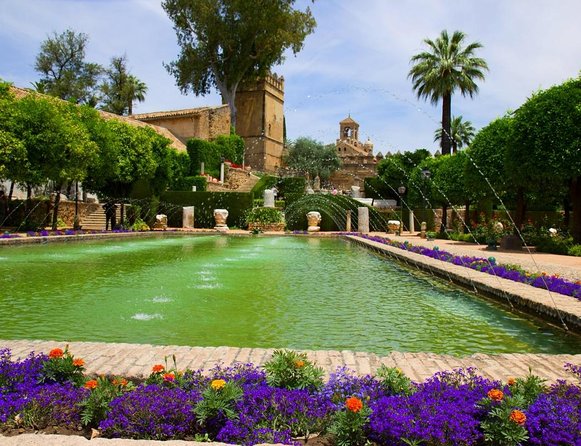
- Gardens are the star: expect walkable greenery and great photo angles.
- Short duration: about an hour on-site, so you’ll want to listen and look at the same time.
- Small-group cap (up to 30): that’s better than mega-tours, but group size can still affect pace.
- English guide + ticket included: value is strong for the price, since admission is part of the deal.
Alcázar de los Reyes Cristianos: what you’re actually visiting
This experience centers on the Alcázar of Córdoba—also known as the Fortress of the Catholic Kings. It’s a 14th-century royal residence that also functioned as a military stronghold during the Reconquista. So even if you don’t read much before you arrive, the place makes its story obvious: walls, towers, and fortified thinking.
The big win for me is the combination of “serious site” and “human-friendly stroll.” You’re not stuck in a long indoor sequence. Instead, you move through outdoor areas where you can connect details—like architectural style and defensive design—to what you’re seeing right in front of you.
You can also read our reviews of more tours and experiences in Cordoba.


The fortress story: Alfonso XI to Henry II, in plain terms
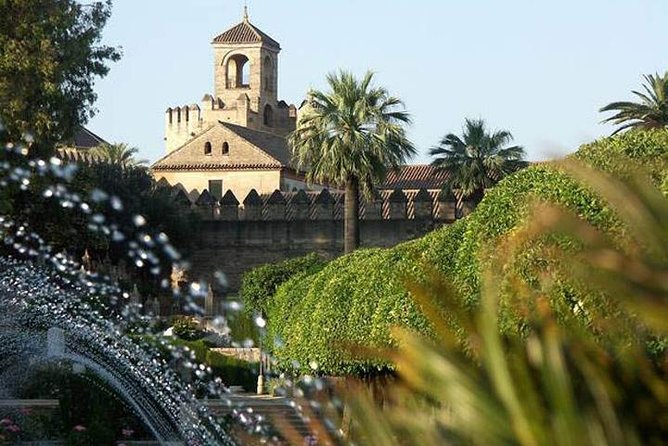
The fortress dates back to the 1300s. It was commissioned by King Alfonso XI and finished under King Henry II. That matters because it tells you this isn’t a random pile of old stones. It was built as a planned royal and defensive project.
During the Reconquista, the site served two roles at once:
- A place where rulers could live and host
- A stronghold designed for security and control
As you walk, you’ll get help turning that into something visual. The guided explanations aim to connect the walls and structures to why they were there. If you like history that shows up in the built environment, you’ll probably enjoy this approach.
Mudejar-style architecture you can spot without a degree
One of the core themes is the Mudejar-style influence—an architectural look associated with Spain’s layered cultural history. You don’t need to be an architecture nerd to appreciate it; the guide’s job is to point out what makes the style distinctive and why it’s part of Córdoba’s identity.
Mudejar influence often shows up in surface details and design choices that feel both decorative and structural. Here, it’s tied directly to the fortress context: you’re looking at a defensive site that still reflects craftsmanship and aesthetic decisions.
If you prefer tours that help you notice specifics instead of just telling broad facts, this kind of focus is a good match.
Gardens in Córdoba: where the best photos (and calm moments) happen
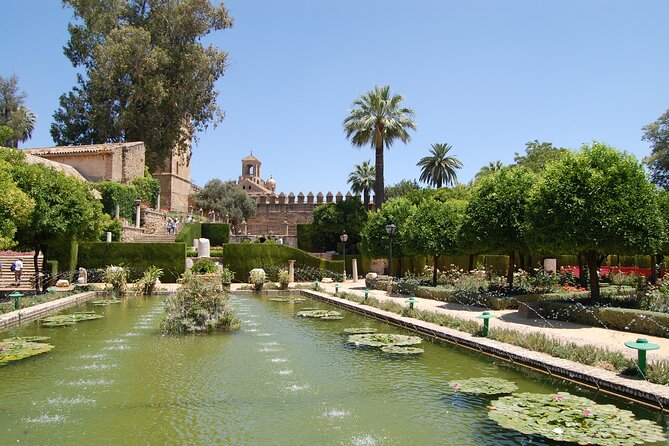
The highlights mention walking through breathtaking gardens, and that matches how this kind of stop usually lands. The gardens aren’t just a nice add-on; they shape the mood of the entire visit.
Here’s what you’ll likely enjoy in practical terms:
- Walkable paths where you can slow down for pictures
- Green spaces that break up the heavier fortress visuals
- A setting that feels more like a courtyard experience than a battlement-only walkthrough
One strong pattern you’ll see people praise is that the gardens can make the tour feel longer than the clock says. Even if the fortress areas are the main “history engine,” the gardens are often where the atmosphere clicks into place—especially if you’re traveling with your camera.
How the visit flows: pace, timing, and photo breaks
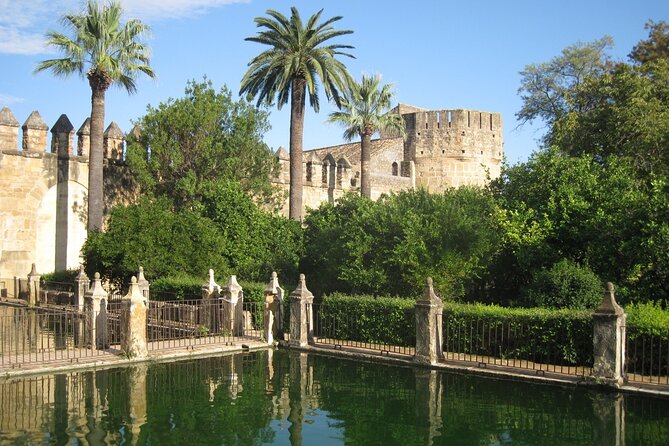
The experience is listed as about 1 hour, with the ticket included. On paper, that sounds tidy. On the ground, the pacing depends on how groups assemble and how quickly everyone moves between areas.
A few things to keep in mind so you can enjoy it instead of stressing:
- This is a guided walk, so you’ll get the most out of it if you can hear the guide and see what they point to.
- If your group includes different arrival times, there can be delays before you start moving smoothly.
- Expect some stop-and-look moments. That can be good for photos, but too many long breaks can turn the visit into waiting.
I’d recommend showing up a few minutes early, even if your start time is clearly set. It’s the easiest way to protect your sightseeing time.
Photo opportunities: how to get good shots without rushing
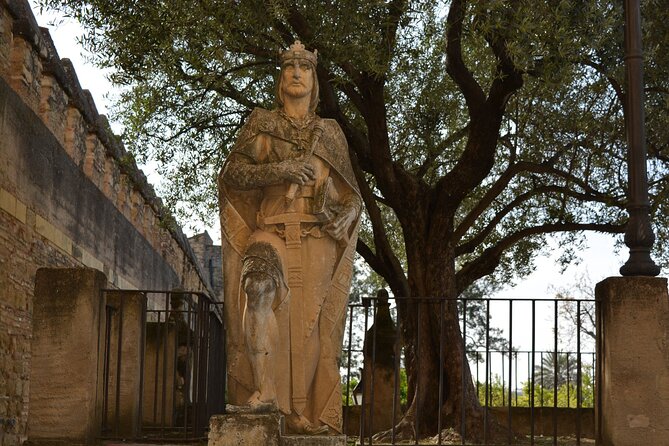
The tour is specifically aimed at giving you chances to take beautiful photos of the surroundings. That’s not just marketing speak; fortress + gardens is a naturally photogenic combo.
To get better results with minimal fuss:
- Have your camera ready before you enter garden areas, not after.
- Look for angles where you can include both the greenery and fortress walls, so your photos tell a fuller story.
- If you like architectural shots, pause where the guide indicates Mudejar elements—those spots often have cleaner lines than random corners.
If you’re the type who takes photos as a hobby (not just quick snaps), you’ll probably end up happiest spending a bit more time in the garden zone, even if the fortress walk moves along faster.
English guide: what that means for understanding the site
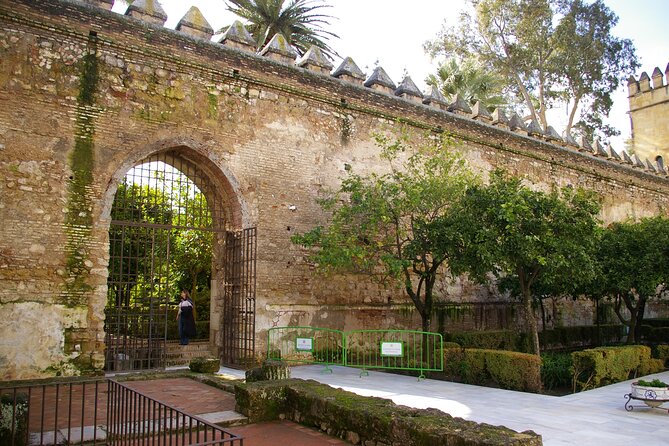
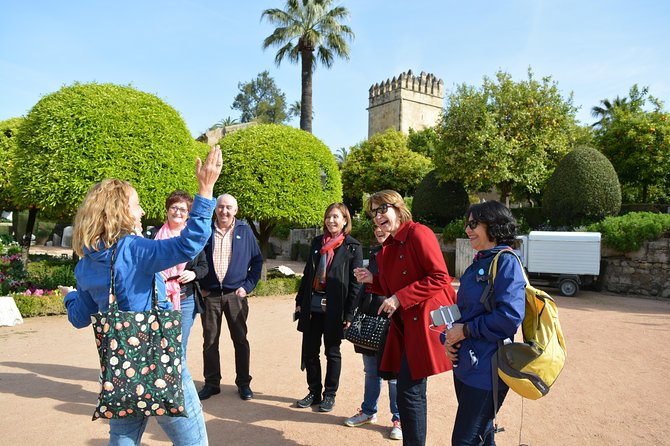
The tour is offered in English, and the value of that is simple: you can focus on the place without translating in your head. Guides are the difference between seeing ruins and understanding them.
In some reported cases, guides are praised for being warm, enthusiastic, and thoughtful with pacing—plus for giving clear, history-focused explanations. Names that came up include Rafael, Paqui, and Carmen, and people often highlighted how engaged the guides were.
That said, guide quality and organization can affect your experience. A no-show or a confusing start can ruin the vibe. If you’re traveling during a busy period, I’d build in patience and keep a flexible mindset.
Price and value: is $26.49 worth it?
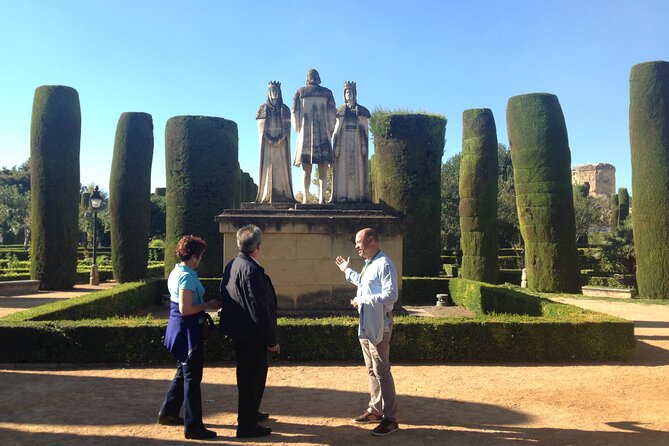
At $26.49 per person (with a ticket and a high-qualified local guide included), this is priced like a focused entry tour. The “ticket included” part is important: it reduces the hassle of sorting admission separately, and it usually saves money compared with paying admission on top of a guide.
So the value depends on what you want:
- If you want a quick guided understanding of the Alcázar fortress and the gardens, it’s a good deal for the time.
- If you want a super in-depth visit where you linger for hours, the short duration can feel tight.
Also, consider what you’re trading off. This is not the type of outing where you’ll do long wandering with zero structure. It’s a guided experience with set timing—so you get value through direction, not through extended free exploration.
Group size and logistics: the part you should plan for
The experience has a maximum of 30 travelers and is near public transportation. That cap helps compared with huge crowds, but group dynamics still matter.
From what you’ve been given, there are a few realistic concerns you should factor in:
- If groups swell beyond what you expect, pacing can get slower and more stop-start.
- If the start is disorganized, you might lose time before the best parts (fortress views and garden walking) even begin.
- Some people reported breaks that felt long, so you may want to use those moments for quick photos or a bathroom stop rather than waiting around bored.
What I’d do: treat this as a tour where you get a clear introduction, not as a perfect smooth line. If your expectations match that, you’ll probably leave happier.
Who should book this tour (and who should think twice)
This tour suits you if:
- You want Alcázar history explained by someone local
- You like combining architecture and gardens in one practical outing
- You prefer a shorter guided visit with included admission
You might think twice if:
- You dislike any chance of waiting or group-size disruptions
- You’re planning a tight schedule and can’t absorb delays
- You’re hoping for a long, slow “take your time” garden day
It’s also a decent option for first-timers in Córdoba because it gives you a grounded sense of place. You don’t just see walls—you learn why they exist.
Practical tips for a smoother visit
Here are a few no-regrets ideas based on what’s actually emphasized for this kind of outing:
- Wear comfortable walking shoes. Even when the tour is short, you’ll stand and move.
- Bring water even though food and drinks aren’t included. A bottle can save you if the schedule runs long.
- If you care about hearing the guide, try to position yourself where you can listen clearly from the start.
And most important: arrive early enough to settle in. Even a small head-start can protect the experience from start-time confusion.
Should you book this Gardens & Fortress of Catholic Kings tour?
I’d book this if you want an efficient, English-guided way to understand the Alcázar de los Reyes Cristianos and enjoy the gardens while someone points out the key details. The price is fair for what’s included—especially since admission is part of the deal—and the gardens are widely seen as the highlight.
Skip it (or choose another format) if you know you get stressed by delays, variable group pacing, or awkward starts. A few negative experiences point to real inconsistency in execution, even when the site itself is worth your time.
If you go in with calm expectations and good shoes, this is a strong Córdoba stop—history you can see, plus gardens that make it feel like more than a checklist.
FAQ
Where is the meeting point for this tour?
The tour meets at Avenida del Alcázar, Av. del Alcázar, Centro, 14004 Córdoba, Spain.
What time does the tour start?
The start time is 10:15 am.
How long is the tour?
It’s listed as about 1 hour.
Is the ticket to Alcázar of Córdoba included?
Yes. The ticket admission to Alcázar of Córdoba is included in the tour price.
Is the tour offered in English?
Yes, this experience is offered in English.
Are food and drinks included?
No. Food and drinks are not included.
How big is the group?
The tour has a maximum of 30 travelers.
Is it fully refundable if I cancel?
Yes—free cancellation is available. You can cancel up to 24 hours in advance for a full refund.