REVIEW · MANTUA
Guided visit to the Ducal Palace in Mantua
Book on GetYourGuide →Operated by Italia in Tour · Bookable on GetYourGuide
A palace tour that feels like walking inside a city is rare. In Mantua, the Ducal Palace pulls it off, with rooms and gardens orbiting the palatine basilica of Santa Barbara. I love how the visit turns a maze of buildings into a story you can follow fast.
Two highlights for me: seeing the Camera degli Sposi by Andrea Mantegna, and getting clear context for what the Gonzaga family wanted to project through art and architecture. The guide, often noted for skill like Cecilia’s engaging approach (including singing), also makes the details click. One possible drawback: you may want earphones if you’re sensitive to sound, since the guide’s voice can be harder to catch when the group is moving.
In This Review
- Key Highlights
- Mantua’s Ducal Palace: a Renaissance city in one ticket
- Meeting at Piazza Sordello and pacing a 90-minute visit
- Santa Barbara as the palace’s heart (and your orientation tool)
- Gonzaga apartments and Pisanello details: power you can almost feel
- Camera degli Sposi: Mantegna’s masterpiece, explained without the headache
- Raphael-designed tapestries: art made to live with you
- Corte Nuova by Giulio Romano: decoration that changes the whole feel
- Rubens’ masterpiece: the final chapter of the Gonzaga story
- Price and value: is $27 fair for 1.5 hours?
- Who this tour suits best (and who might want something else)
- Practical tips so the palace feels easy, not exhausting
- Should you book this guided visit?
- FAQ
- How long is the Ducal Palace guided visit?
- Where do I meet for the tour?
- What is the price per person?
- What language is the live tour guide?
- Is the tour wheelchair accessible?
- Can I cancel for a full refund?
- Can I reserve without paying right away?
- What main artworks and areas will I see?
Key Highlights
- Camera degli Sposi (Andrea Mantegna): the emotional center of the palace visit
- Gonzaga apartments: where you start to understand power as daily life
- Pisanello’s Gothic details: quick “wow” moments without needing a museum degree
- Raphael-designed tapestries: a different kind of artwork, made for rooms like these
- Corte Nuova by Giulio Romano: dramatic decoration that changes how you see the palace
- Rubens’ masterpiece: a strong final beat that ties the story together
Mantua’s Ducal Palace: a Renaissance city in one ticket
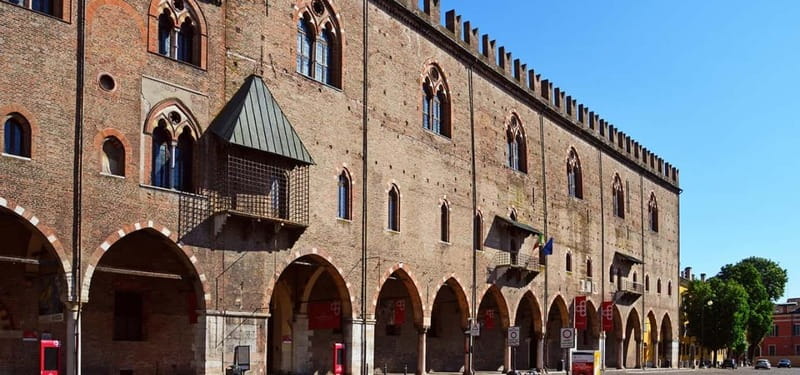
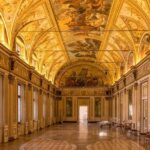
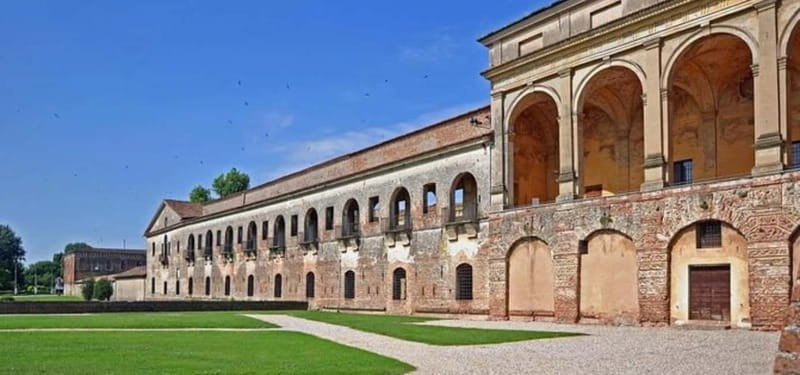
The Ducal Palace in Mantua isn’t just a single building you tour and forget. It’s more like a compact world—hanging gardens, courtyards, squares, and apartments all tied together around one key focus: the palatine basilica of Santa Barbara.
That layout matters. When you see the palace as a connected “mini-city,” the art stops feeling random. You begin to recognize why rooms were placed where they were, and why certain masterpieces were shown to specific audiences, not everyone at random.
You can also read our reviews of more tours and experiences in Mantua.
Meeting at Piazza Sordello and pacing a 90-minute visit
You meet in front of the Ducal Palace entrance at Piazza Sordello 40, Mantua. The duration is about 1.5 hours, which is short enough that you’ll want the guide’s structure to do the heavy lifting.
This pacing is a benefit if you’re traveling with a family or you’re on a tight schedule. It’s also why the tour works best as an “essential hits” route: you’ll see the big names—Mantegna, Raphael, Giulio Romano, and Rubens—without getting stuck in one room for too long.
Santa Barbara as the palace’s heart (and your orientation tool)
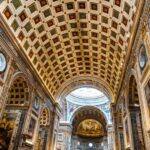
The visit is built around the palace’s center of gravity: the palatine basilica of Santa Barbara. You’ll be able to connect the dots between sacred space and ducal power, because the basilica isn’t treated like an afterthought.
I like that the tour uses Santa Barbara as an orientation point. It helps you understand the palace geometry while you’re still fresh, so later you don’t feel like you’re just chasing rooms down hallways.
Gonzaga apartments and Pisanello details: power you can almost feel
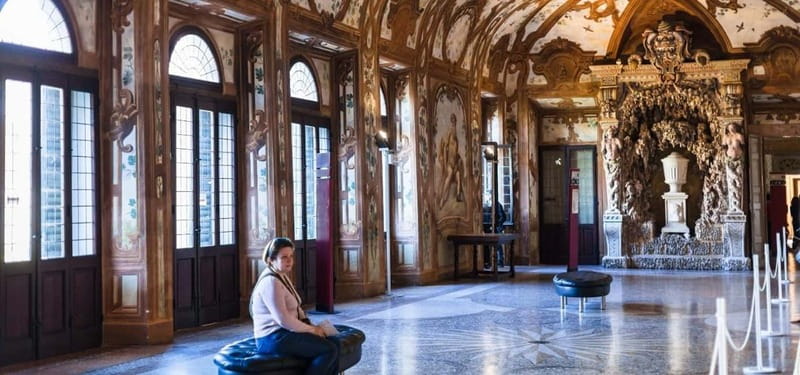
Once you move into the Gonzaga apartments, the tone shifts from “palace rooms” to “a family stage.” You’re walking through spaces shaped for display, administration, and court life, all tied to the Gonzaga name.
You’ll also admire Gothic details linked to Pisanello’s works. Even if you’re not studying art for a living, the guide helps you notice what makes those details different from the surrounding Renaissance style—small design choices that signal status and taste.
This section is valuable because it slows you down just enough. Instead of only staring at famous paintings, you start looking at how the rooms guide behavior: where people would stand, how sightlines would work, and why certain artworks belong in certain spaces.
Camera degli Sposi: Mantegna’s masterpiece, explained without the headache
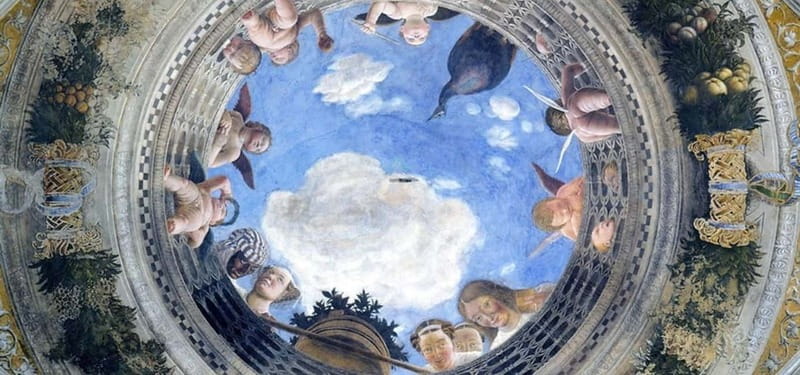
If you want one stop that anchors the whole palace visit, it’s the Camera degli Sposi, painted by Andrea Mantegna. This is the room people talk about for a reason: it feels personal, even though it’s part of a powerful court.
What makes this experience worth your time is not only the fame of the artwork—it’s the way the guide helps you read it. In a short tour, you can miss what’s special if you treat it like a quick photo spot. With the tour’s framing, you’re more likely to understand what you’re looking at and why it mattered to the Gonzaga story.
And yes, this is where the guide’s style shows. One well-reviewed highlight is Cecilia’s ability to make the experience feel like a living past, with performance-like storytelling moments. If you enjoy guides who actively shape the narrative (not just recite dates), you’ll probably enjoy this tour.
Raphael-designed tapestries: art made to live with you
After the painted intensity of the Camera, the tour moves to tapestries designed by Raphael. This change of medium is smart. It reminds you that Renaissance court art wasn’t only about frescoes on walls—it was also about textiles, prestige, and what could be displayed or stored.
Tapestries also change the room’s mood. You can think of them as “temperature and atmosphere control,” visually softening hard architecture while still broadcasting luxury. In a palace full of grand scale, tapestries bring a different kind of power: elegance you can touch with your eyes.
You’ll continue through this portion until you reach the Corte Nuova, which means you’re building momentum rather than jumping randomly between rooms.
Corte Nuova by Giulio Romano: decoration that changes the whole feel
The route continues to the Corte Nuova, magnificently decorated by Giulio Romano. Even if you’re not the type who cares about architecture for its own sake, this courtyard works because it’s a visual rhythm you can feel.
Giulio Romano’s contribution is about impact and motion. The decoration doesn’t just sit there; it shapes how you move through the space and where your eye lands. It’s a perfect “palace break” between indoor masterpieces and the closing gallery of major works.
If you like moments where the guide tells you what to look for (instead of asking you to guess), this part usually lands well.
Rubens’ masterpiece: the final chapter of the Gonzaga story
The tour ends in front of a Rubens masterpiece. That final placement matters. By the time you reach Rubens, you’ve already seen the Gonzaga family’s world: apartments for court life, rooms for spectacle, and artworks designed to project authority.
Rubens serves as a strong closing beat. You’re no longer only tracking the Renaissance style in Mantua—you’re seeing how the Gonzagas’ cultural ambition extended into later artistic powerhouses.
It’s the kind of finish that makes the whole visit feel like one coherent story, not a checklist of famous names.
Price and value: is $27 fair for 1.5 hours?
At about $27 per person for roughly 1.5 hours, this is priced like a focused “high-impact” tour. You’re getting entry into a palace complex experience that many people would struggle to navigate on their own, especially when you want to hit specific works like Mantegna’s Camera and Rubens’ piece.
For me, the value comes from three things:
- You’re paying for licensed tour guiding that connects art to the Gonzaga context.
- You’re not spending hours wandering aimlessly through a complex layout.
- The art line-up is strong: Mantegna, Raphael, Giulio Romano, Rubens, plus Pisanello details.
If you only have a limited amount of time in Mantua, this price-to-time ratio makes sense. If you prefer totally self-guided museum drifting with zero structure, you might feel rushed—1.5 hours is deliberate, not slow.
Who this tour suits best (and who might want something else)
This guided visit is a strong fit if you want:
- A family-friendly way to see major works without turning it into a long, tiring museum day
- A clear narrative about the Gonzaga family and why their palace looked the way it did
- Help understanding what you’re seeing, especially in the palace’s key rooms
It may be less ideal if you want to linger for long stretches or if you don’t enjoy group pacing. Also, the tour is conducted in Italian, so if you don’t understand Italian well, your experience may depend on how much you pick up through context and what you can read on-site.
Practical tips so the palace feels easy, not exhausting
The palace can be big in your head, even when the route is tight. A few practical ideas help.
First, consider bringing earphones. One review pointed out that having audio support helps you hear the guide better. So if you’re in a group and sound carries strangely, earphones can save the day.
Second, plan your expectations: you’ll see major works, but it’s not a full palace day. The tour is designed to capture the essence efficiently. If you love one room (and you will), plan extra time later to return on your own when you’re not on a schedule.
Third, wear comfortable shoes. The experience depends on moving between areas—courtyards and apartments—so your feet will do more work than you might expect from a “just 90 minutes” outing.
Should you book this guided visit?
Book it if you want a smart, time-friendly way to experience Mantua’s Ducal Palace with context, not just photos. I’d especially recommend it if you’re chasing the big names in a short window: Mantegna’s Camera degli Sposi, Raphael tapestries, Giulio Romano’s Corte Nuova, and Rubens as a final highlight.
Skip it (or add extra time) if you want to slow way down in one room, or if the idea of an Italian-language group tour feels like a mismatch. Still, with the guide’s strong storytelling approach—highlighted by Cecilia’s competence and even singing touches—this feels like a tour where the palace becomes understandable quickly.
FAQ
How long is the Ducal Palace guided visit?
The visit lasts about 1.5 hours.
Where do I meet for the tour?
You meet in front of the Ducal Palace entrance at Piazza Sordello, 40, 46100 Mantua MN, Italy.
What is the price per person?
The price is listed as $27 per person.
What language is the live tour guide?
The live tour guide speaks Italian.
Is the tour wheelchair accessible?
Yes, it is wheelchair accessible.
Can I cancel for a full refund?
Yes. Free cancellation is available up to 24 hours in advance for a full refund.
Can I reserve without paying right away?
Yes. The option is reserve now & pay later.
What main artworks and areas will I see?
You’ll focus on Gonzaga apartments, Pisanello’s Gothic details, Andrea Mantegna’s Camera degli Sposi, Raphael-designed tapestries, Giulio Romano’s Corte Nuova, and a Rubens masterpiece, all around the Santa Barbara basilica area.