REVIEW · ISTANBUL
Istanbul: Dolmabahce Palace & Harem Skip-the-Line Entry
Book on GetYourGuide →Operated by Istanbul Tourist Pass® · Bookable on GetYourGuide
Two hours, one Ottoman spectacle. With skip-the-line e-tickets and a 25-language audio guide, Dolmabahçe Palace and the Harem are easy to plan and simple to enjoy at your own pace.
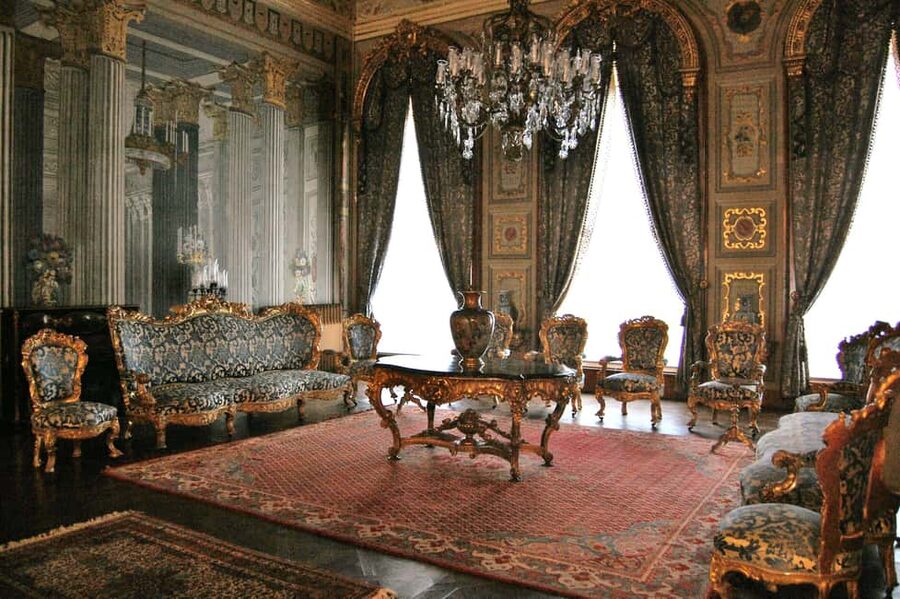
I like how the visit is built for self-navigation, so you can slow down for the room details and speed up when you want a quick sweep. The palace itself is a big visual payoff: chandeliers, ornate ceilings, and the story of a palace that really mattered.
I love the way Dolmabahçe mixes imperial power with a modern turning point. You get Atatürk-era significance alongside the Ottoman grandeur, and the Baccarat and Bohemian chandelier collection is the kind of thing you have to see with your own eyes.
One drawback to keep in mind: skip-the-line can still meet a mandatory security check, and if your QR code doesn’t scan you may need extra help at an office desk.
In This Review
- Key Things That Make This Visit Worth It
- Dolmabahçe Palace and Harem: A Different Side of Ottoman Istanbul
- Skip-the-Line Entrance and QR Codes: The Practical Reality
- Your 25-Language Audio Guide: Easy Self-Paced Touring
- Chandeliers, Gold Ceilings, and the Rooms You’ll Remember
- Harem Section: Extra Variety, Watch for Timing Changes
- Two Hours on Site: How to Pace Dolmabahçe Without Feeling Rushed
- If You Add a Private Guide: What the Best Ones Do (and What Rules May Limit)
- Price and Value: Is $55 Fair for What You Get?
- Should You Book This Dolmabahçe and Harem Entry?
- FAQ
- What’s included in the Dolmabahçe Palace and Harem entry?
- Do I get a live guide with this experience?
- Where do I get the audio guide for my visit?
- How do I receive my tickets?
- Is there a security line even with skip-the-line tickets?
- When is the palace closed?
- What are the opening hours in winter?
- How long is the visit?
- Can I take photos inside the palace?
- Is cancellation possible if my plans change?
Key Things That Make This Visit Worth It
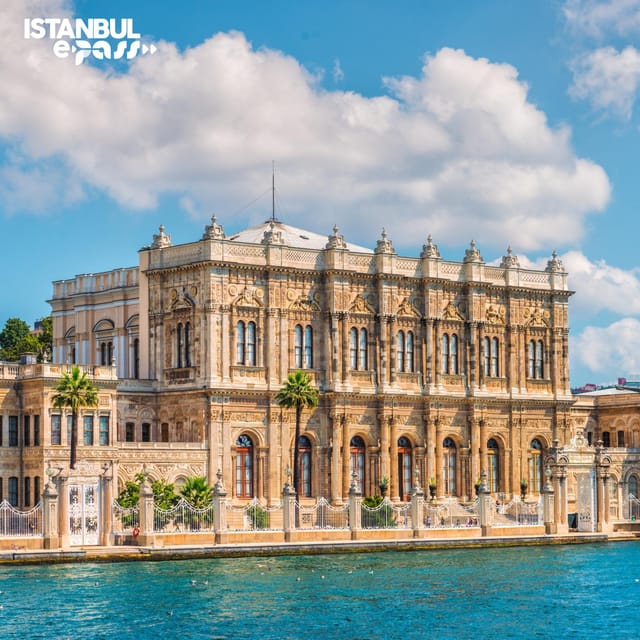
- Skip-the-line ticketing for Dolmabahçe Palace and the Harem section (with QR codes sent by email).
- Audio guide in 25 languages, delivered by link through your tickets.
- Dolmabahçe’s “look up” moments: massive Bohemian chandelier and gold on ornate ceilings.
- Must-see historical context: built on Sultan Abdülmecid I’s order, opened in 1856, used as headquarters until 1922.
- Harem add-on for extra variety, plus a cafe stop near the entrance area.
Dolmabahçe Palace and Harem: A Different Side of Ottoman Istanbul
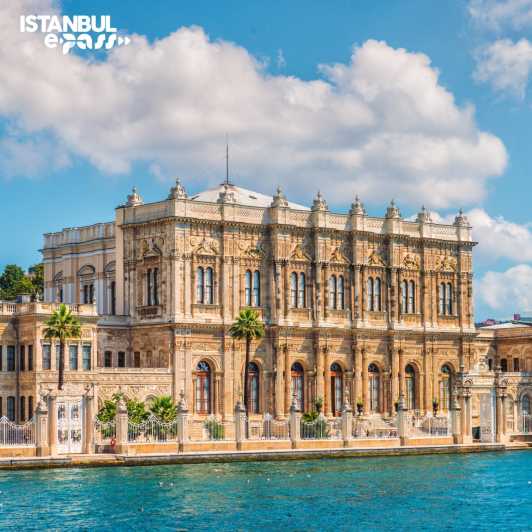
Dolmabahçe Palace is the Ottoman Empire at its most theatrical. It was ordered by Sultan Abdülmecid I and opened in 1856, at a time when the empire was trying to look modern while still ruling like a dynasty. The result is a palace that feels less like a fortress and more like an imperial showpiece.
What you’ll love here is the way Dolmabahçe complements (and contrasts with) Istanbul’s better-known royal sites. I like that the experience is set up to help you understand those differences, not just admire rooms. You’ll learn how Dolmabahçe and Topkapi Palace differ in architectural style and even furniture choices—useful context that makes what you’re seeing feel less random.
Then there’s the Atatürk connection. Dolmabahçe isn’t only about Ottoman sultans; it’s tied to Turkey’s founder and the early republic era. That matters because Dolmabahçe served as the last headquarters of the empire and continued in use until 1922. In other words, you’re touring a place that spans the turning point between two eras, not just one.
You can also read our reviews of more tours and experiences in Istanbul.

Skip-the-Line Entrance and QR Codes: The Practical Reality
The headline perk is skip-the-line e-tickets for Dolmabahçe Palace and the Harem section. In real terms, you’re using QR codes rather than waiting to buy paper tickets. You’ll receive entry ticket QR codes via a separate e-mail from the supplier tied to Istanbul Tourist Pass®.
Two things can affect how smooth that feels. First, all visitors must go through a mandatory security check, and waiting can still happen in busy hours. Even when the main ticket line is reduced, security is its own bottleneck.
Second, your QR code might require backup. One experience noted that the QR code didn’t work at the entrance, and the party had to wait at an office desk for help getting an actual ticket. So if you’re visiting on a peak day or you’re anxious about last-minute tech problems, plan a little extra cushion time. Your goal is a calm start, not a sprint.
Also note the schedule basics. The palace is closed on Mondays. During November 1 to March 31, opening hours are approximately 9:00 AM to 4:00 PM. If you’re traveling in winter, make your visit earlier rather than later—light and energy both matter.
Your 25-Language Audio Guide: Easy Self-Paced Touring
This is a smart setup if you like control. You’re not stuck with a set walking pace. You have an audio guide prepared in 25 languages, so you can pick English, German, Russian, Arabic, Persian, French, Italian, Chinese, Spanish, Hindi, and more.
The practical detail I’d underline: the audio guide can’t be obtained at the palace. It’s provided through a link connected to your tickets, and you’ll access it before you go. If you want this to feel effortless, do the boring part at home: open the link, confirm the language works, and test that your phone can play audio without going quiet or battery-crashing.
In reviews, the audio experience gets a warm nod—people called it good or enjoyed it, especially when they used it to understand what they were seeing. Some experiences with live guides also hinted at a similar point: without strong interpretation, the palace can become a blur of rooms and decor. The audio guide helps you keep the meaning attached to the visuals.
One extra tip: because photography inside is not allowed, audio becomes even more valuable. You’ll rely on your memory and your notes, not your camera roll.
Chandeliers, Gold Ceilings, and the Rooms You’ll Remember
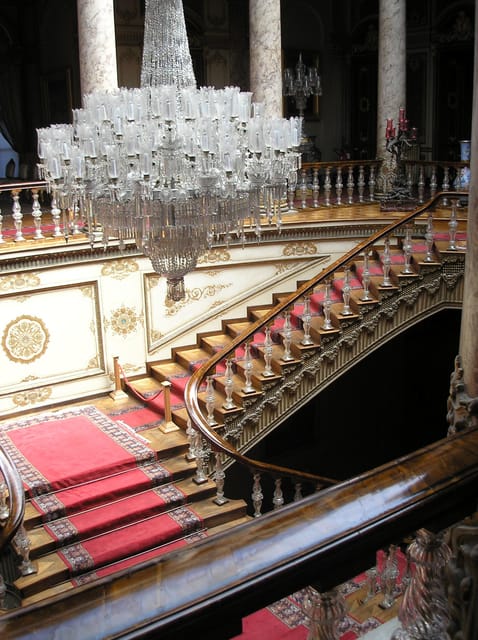
Dolmabahçe Palace is famous for its chandeliers—and the hype isn’t just marketing. You’re looking at a major collection of Baccarat and Bohemian chandeliers, including the biggest Bohemian chandelier ever. This is the kind of detail that changes how you move through a room. You’ll want to look up, pause, then look across again.
You’ll also see a lot of gold work. Specifically, the ornate ceilings carry extensive gold decoration, and it gives the whole palace a warm, almost ceremonial glow (even if you’re visiting on a gray day). It’s not subtle, and that’s part of the appeal. You’re walking through an environment designed to impress.
A very useful way to enjoy it: don’t try to see everything equally. Pick a few “anchor moments” to study. For example:
- Spend extra time in chandelier-heavy spaces.
- Focus on ceiling details where the gold ornamentation is strongest.
- Use the audio guide to connect a room to the bigger story of the empire.
Photography rules can shape your experience too. Multiple accounts mention that pictures inside the palace are not allowed. That’s why the two-hour window works best when you treat it like a viewing experience, not a content-creation session.
Harem Section: Extra Variety, Watch for Timing Changes
The ticket includes access to the Harem section alongside the palace. The Harem adds contrast—more intimate in feel, and often a different style of rooms and layouts compared to the larger public-imperial spaces.
In real life, timing can affect what you get. One account reported the Harem was not open during their visit. That can happen with palace schedules and operations, so don’t treat “included” as a guarantee of “always open at all times.” If the Harem is closed, you’ll still get the palace, but your expected route changes.
There’s also a practical comfort stop to plan around. A review mentioned a cafe right before the Harem entrance area—specifically for a refreshing frozen drink to cool off. That’s the kind of detail that makes a self-paced visit easier: you can regroup before the next section without feeling like you have to rush.




Two Hours on Site: How to Pace Dolmabahçe Without Feeling Rushed
A 2-hour duration is workable, but it needs a strategy. Dolmabahçe is large enough that “wander and see everything” turns into “see only highlights.” So here’s how I’d pace it so you leave happy.
1) Start with momentum, not perfection
Go through security, scan in, and don’t immediately stop at every doorway. Give yourself the first 20–25 minutes to get oriented and reach the rooms that contain the signature sights.
2) Hit the chandelier and ceiling moments on purpose
Once you find the major decorative areas, slow down. This is where the palace justifies the time. Let the audio guide point you to what’s most meaningful, then spend longer looking upward than sideways.
3) Plan a realistic route to the Harem
Don’t treat the Harem as an afterthought. If it’s open, it’s your second “phase” of the visit. Build time for it before the end rather than hoping you’ll find it quickly at the last minute.
If you’re traveling in winter or on a busy day, remember that the security check can add friction. Build a buffer so you’re not stressed while searching for the next hall.
If You Add a Private Guide: What the Best Ones Do (and What Rules May Limit)
The activity listing you’re using is primarily audio-led (live guide isn’t included). There is also an option for a private tour guide for an additional cost.
If you go with a private guide, you can get a big upgrade: several guide experiences were praised for clear explanations and patience. Names mentioned include Zey, Ilke, Ozzy, Furkan, John, and Adam. When a guide is allowed to do more than a quick orientation, you get better room-by-room interpretation and you can ask questions on the spot.
But there are palace rules that can change what a guide can physically do inside. Some accounts said the guide wasn’t allowed inside, or gave only a brief introduction before you explored on your own. Others mentioned group-size limits related to guide access inside. Even when a guide is strong, you should expect that you may still do a lot of the palace walking independently—especially because the pace can feel different depending on what staff allow on a given day.
So my practical advice: if you add a guide, treat it as context and storytelling at the start and during allowed sections, not as a guarantee you’ll have a guide constantly walking with you everywhere inside.
Price and Value: Is $55 Fair for What You Get?
At $55 per person for a roughly two-hour visit, value comes down to how much you care about saving time and getting interpretation without extra planning.
Here’s why it can feel like a good deal:
- You’re paying for skip-the-line ticketing, which matters most during busy hours and peak seasons.
- You also get a 25-language audio guide, which is a real help in a palace where details are easy to miss.
- The format lets you move at your own pace instead of syncing to a group schedule.
Is it ever overpriced? One account called it overpriced, which is a fair warning that you shouldn’t assume a palace visit automatically equals value. If you’re the type who wants a deep, interactive live tour, an audio-first format may not be worth it on its own. Likewise, if your goal is a long, slow, photo-heavy experience, two hours might feel tight.
The best-case value is when you want:
- the key highlights,
- a clear sense of what you’re seeing,
- and fewer hassles at entry.
Should You Book This Dolmabahçe and Harem Entry?
I’d book it if you want a clean, low-stress way to see Dolmabahçe and the Harem with built-in storytelling. The combo of skip-the-line e-tickets plus a 25-language audio guide is ideal when you like autonomy but still want meaning attached to the rooms.
I’d rethink it if your top priority is a fully guided, inside-every-room experience. Even with a guide option, palace rules may limit guide movement and access. In that case, you might either budget for a live guide add-on and accept that you’ll still do a lot independently, or rely on the audio guide only and focus on spending your time where the signature sights live.
If you’re visiting on a Monday, don’t book. If you’re visiting in winter, aim earlier in the day. And if you’re worried about QR tech scanning, arrive with extra time for the security check and any potential desk assistance.
FAQ
What’s included in the Dolmabahçe Palace and Harem entry?
You get a skip-the-line-entry ticket for the Dolmabahçe Palace and Harem section, plus an audio guide in 25 languages.
Do I get a live guide with this experience?
No. A live guide is not included. A private tour guide may be available as an additional option.
Where do I get the audio guide for my visit?
The 25-language audio guide is provided via a link included with your tickets. It cannot be obtained at the palace.
How do I receive my tickets?
You receive your entry ticket QR codes via a separate e-mail from the supplier.
Is there a security line even with skip-the-line tickets?
Yes. There is a mandatory security check for all visitors, and waiting times may still occur.
When is the palace closed?
Dolmabahçe Palace Museum is closed on Mondays.
What are the opening hours in winter?
From November 1 to March 31, opening hours are approximately 9:00 AM to 4:00 PM.
How long is the visit?
The duration is 2 hours.
Can I take photos inside the palace?
Pictures inside the palace are not allowed.
Is cancellation possible if my plans change?
Free cancellation is available up to 24 hours in advance for a full refund.