REVIEW · GDANSK
Malbork Castle Tour: 6-Hour Private Tour
Book on GetYourGuide →Operated by Rosotravel Poland · Bookable on GetYourGuide
A Gothic fortress of brick and rules. Malbork Castle is one of Poland’s big UNESCO sites, and a private guided trip is the easiest way to make sense of its size, timeline, and people. You’ll also get a solid visit window, with 3.5 hours inside Malbork built into the experience even when traffic does its thing.
I like how the guide work is practical and story-based: you’ll spend time in the Grand Masters Palace and the Great Refectory, plus see medieval armor and weapons up close. Second, I appreciate the straight logistics—pickup and drop-off from Gdansk, Gdynia, or Sopot, with an English-speaking driver and skip-the-line entry so you don’t burn the day in ticket lines.
The only real drawback to plan for is physical: there are many stairs, and you’ll be walking through big interiors and viewpoints. If you’re sensitive to crowds, long museum-style routes, or uneven footing, wear solid shoes and go slow where you need to.
In This Review
- Key Things You’ll Notice Fast
- Malbork Castle’s Scale Hits You Early
- What You Actually See: Grand Masters Palace and Great Refectory
- Medieval Armor and Weapons: Not Just Decoration
- The Stories That Give Malbork Context
- The Drive From Gdańsk: How Timing Works in Real Life
- Guide Quality and Language Options
- Physical Reality Check: Stairs and Castle Walking
- Price and Value: What $355 Per Person Buys
- Who This Tour Fits Best
- Should You Book This Malbork Castle Private Tour?
- FAQ
- What locations do you pick up from and drop off?
- How long do I spend sightseeing inside Malbork Castle?
- Does the tour include skip-the-line tickets?
- What’s included in the tour besides the castle visit?
- What languages are available for the live tour guide?
- What’s the cancellation policy?
Key Things You’ll Notice Fast
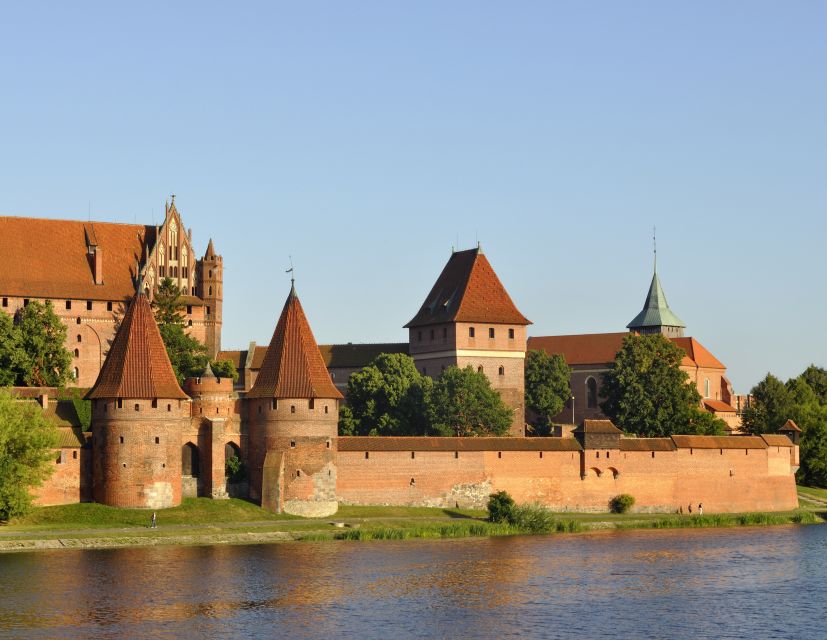
- 3.5 hours guaranteed in Malbork, so your main sightseeing doesn’t get squeezed by driving delays
- Grand Masters Palace + Great Refectory, the heart of the Teutonic Knights power center
- Medieval armor and weapons that make the military side feel real, not abstract
- Nearly 5 million bricks and a castle built in three sections, which helps you read the fortress layout
- Teutonic Knights vs. Poland stories, so the site connects to real conflicts
- Private format with multi-language guides, from English to Spanish and many others
Malbork Castle’s Scale Hits You Early
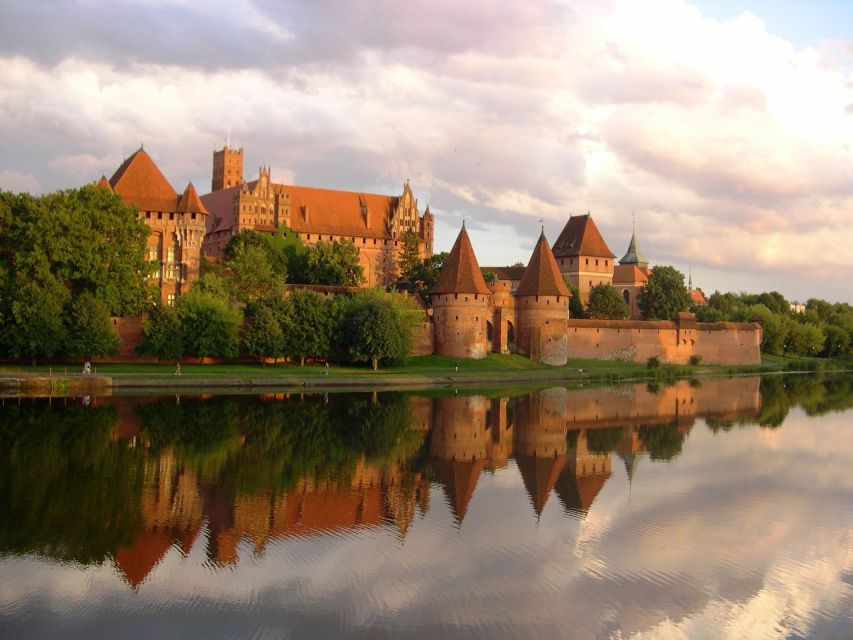
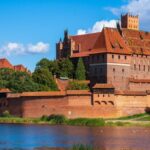
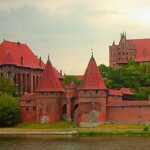
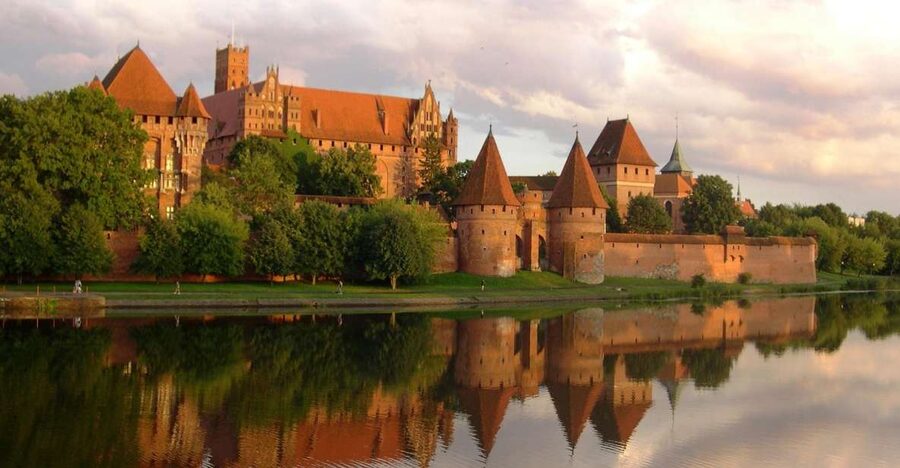
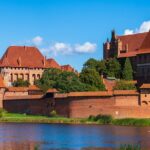
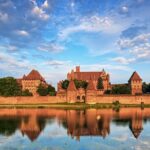
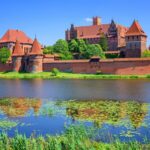
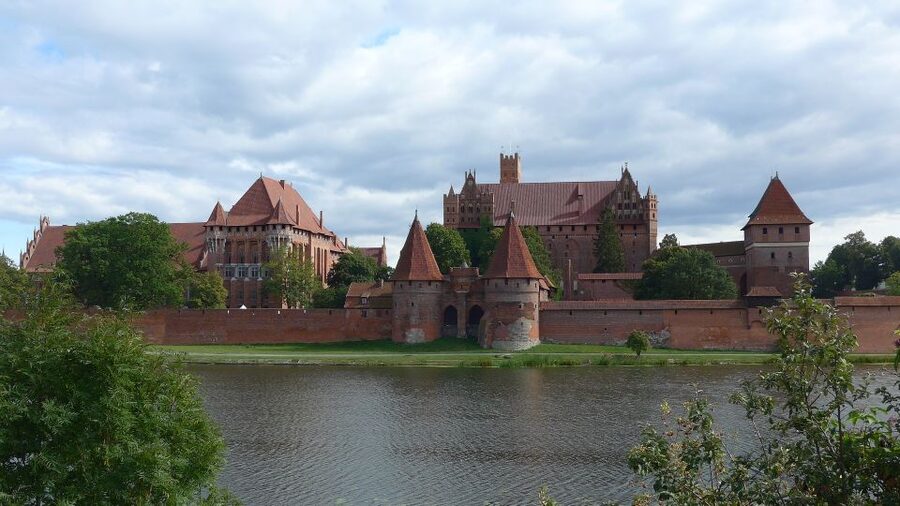
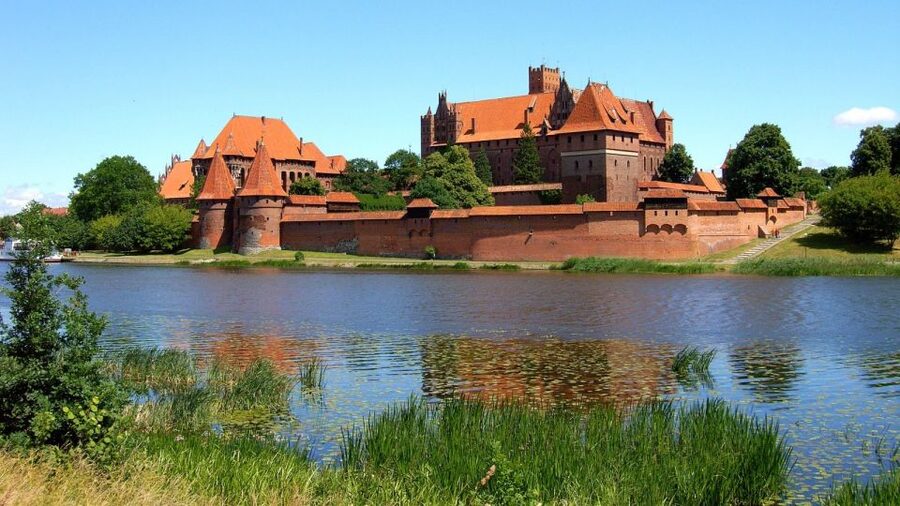
Malbork Castle is the kind of place where your brain keeps asking, How did they build all this? The fortress dates from the end of the 13th century and was the seat of the Teutonic Knights Order—an arrangement that mattered. This wasn’t just a castle. It was administration, church life, military planning, and a stage for authority.
One reason this private tour feels like good value is that you don’t just walk and hope it clicks. You’ll get a guided explanation that makes the building’s size understandable. The castle required nearly 5 million bricks and was constructed in three sections. That detail sounds like trivia until you realize it helps you track how the complex evolved and why different parts feel distinct.
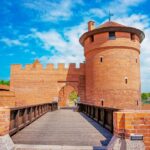
Also, here’s a fun way to think about Malbork: it’s one of a very few strongholds in the world that was never captured in battle. When you hear that, the fortress design stops being random stonework. You start looking for defensive logic—walls, towers, choke points, and the layout choices that kept control in Teutonic hands.
You can also read our reviews of more tours and experiences in Gdansk.
What You Actually See: Grand Masters Palace and Great Refectory
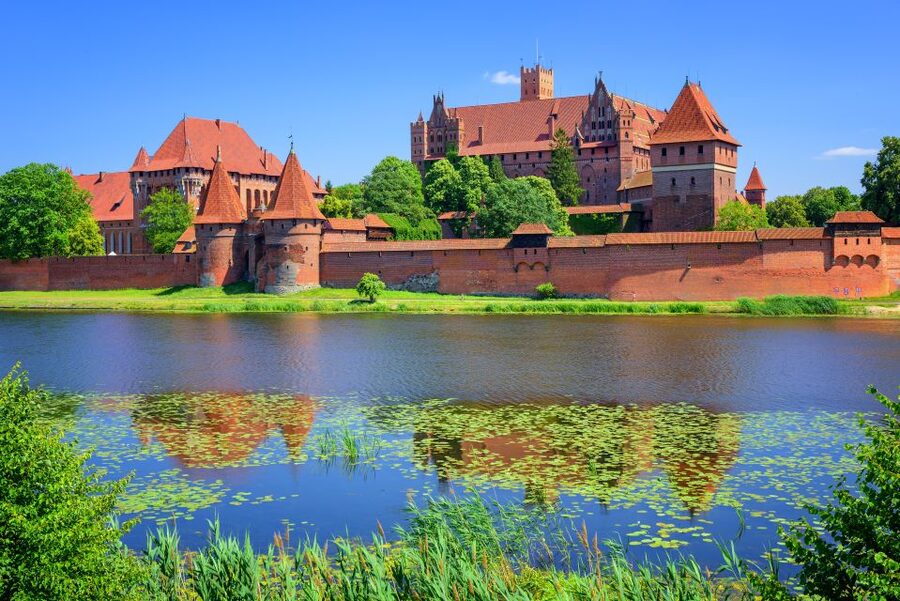
The centerpiece of your time is the guided walk through the Grand Masters Palace and the Great Refectory. These aren’t just rooms; they’re designed to show how power and daily life blended at the top.
In the Grand Masters Palace area, you’ll see chambers and towers tied to leadership and ceremony. Even if you don’t consider yourself a castle person, palace spaces tend to teach quickly: where meetings likely happened, what authority looked like, and how architecture reinforced hierarchy. The guide’s job here is to connect the “what you see” with the “why it mattered.”
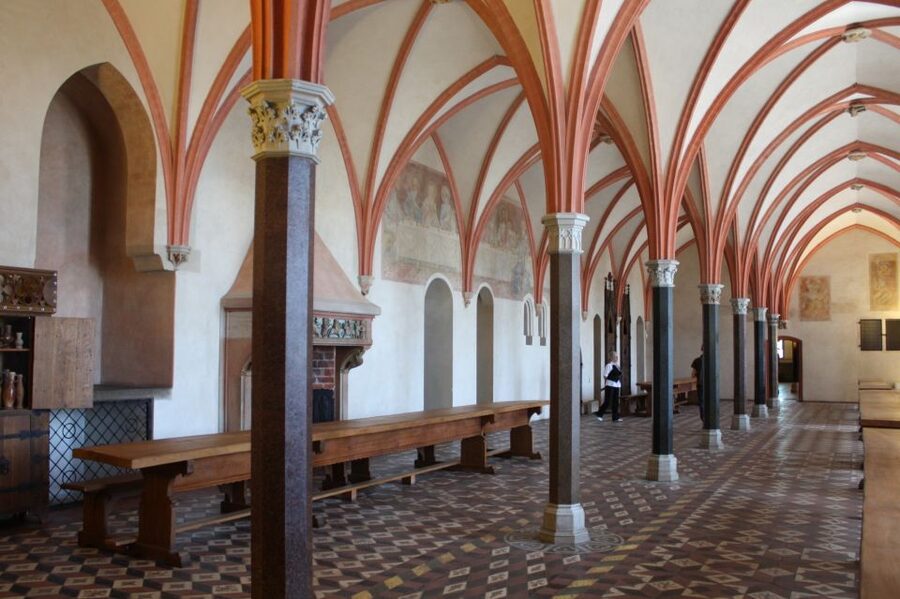
Then you’ll shift into the Great Refectory, the kind of place where history becomes tangible. A refectory isn’t only about food—it’s about routine, rules, and the social structure of monastic life. You’ll hear about monastic life in the Middle Ages, which adds texture to the battles. It reminds you the Teutonic Knights weren’t only armored fighters; they were also running a religious and administrative system.
The good news: your sightseeing time is scheduled. You get 3.5 hours in Malbork as your guided block. That’s long enough to see the key spaces without feeling like you’re rushing through everything in a blur.
Medieval Armor and Weapons: Not Just Decoration
A lot of castle visits show weapons behind glass and move on. Here, you’ll get time to see medieval armor and weapons, and that changes how you understand the castle. You start noticing what kinds of soldiers and roles the Teutonic Knights needed—and why defense mattered so much.
Armor and weapons also help you interpret the stories the guide tells about knights and conflict. When you can visualize the equipment, the battle narratives stop being abstract. You’re better at imagining the practical reality: how people traveled, trained, stood their ground, and used castles as military tools.
And since Malbork is tied to the Teutonic Knights Order, those objects matter more than they would in a general European museum. They belong to the world the castle is telling you about.
The Stories That Give Malbork Context
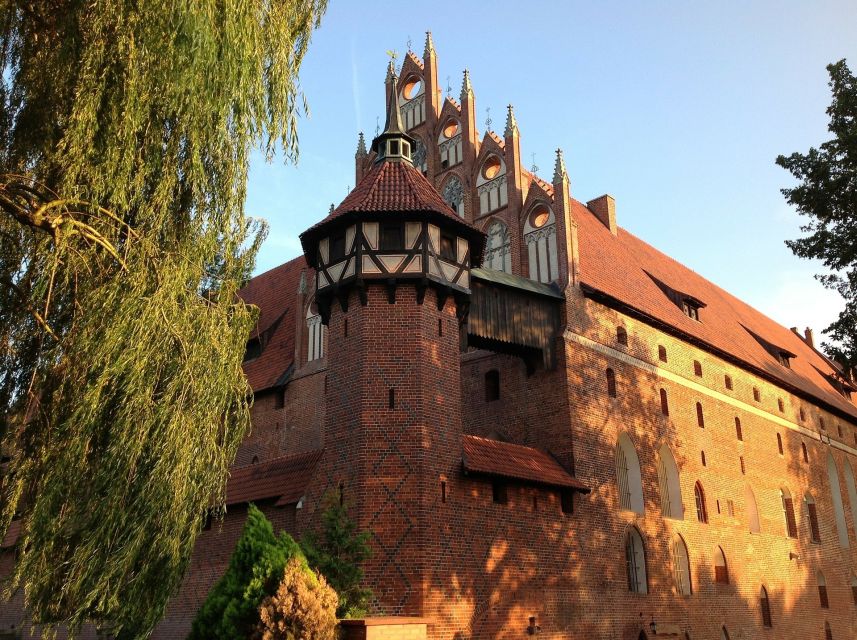
Malbork is famous, but it can still feel like history in a textbook unless the narrative lands. This tour is built around storytelling: you’ll hear tales about brave knights and the battles fought between Poland and the Teutonic Order.
That Poland connection is one of the most valuable parts of a guided visit. It turns the castle from a distant “medieval site” into something tied to the region’s real struggles and power shifts. You’ll also learn about the long history of the Gothic castle, which helps you place it in time—so you don’t just see a pretty fortress and move on.
From a traveler’s perspective, I like when a guide explains the human layer: why the order was there, what they wanted, and how conflict shaped daily life. A castle is a building, sure. But it’s also a tool people used to win, govern, and survive.
The Drive From Gdańsk: How Timing Works in Real Life
This is a 6-hour private tour from the Gdańsk area, with pickup and drop-off at your accommodation or the cruise port in Gdansk, Gdynia, or Sopot. That matters because it keeps the day simple. You don’t have to arrange transport, and you’re not forced into awkward schedules that eat into the sightseeing.
Here’s the key feature I’d underline: your 3.5 hours of sightseeing in Malbork is guaranteed, regardless of traffic jams. That’s not a small point. In the Baltic region, road conditions and timing can vary, and tour days can get tight. This setup gives you a stronger chance to get the main castle time you paid for.
Still, do understand how days can go sideways. One trip log I saw mentioned the schedule got shorter due to the timing set by the driver, which reduced the time spent on-site. That’s not something you can fully control as a passenger, but it’s a reminder to treat this as a guided experience with real driving time. If you’re the type who needs your schedule to the minute, consider building a little buffer into your day.

Guide Quality and Language Options
You’ll travel with an English-speaking driver, and the live tour guide can work in multiple languages, including English, German, Polish, Russian, Norwegian, Swedish, French, Spanish, and Italian.
What makes this important isn’t just convenience. Language options shape how much you actually get from the rooms you’re standing in. If a guide can explain stories clearly, you’ll understand what you’re seeing and why the spaces matter.
From the feedback I’ve taken into account, the best experiences tend to pair strong guide performance with enough time on-site. One guide named Ludwig was noted for wanting to explain even more, which tells me the tour style is more than a checklist when the guide has room to work. On the other hand, I also saw a note where a guide’s castle knowledge and Spanish clarity weren’t as strong. That’s a rare case, but it’s a useful reminder: if language precision matters a lot to you, choose English or a language you’re very comfortable following.
Also, one review mentioned that communication via the tour app chat needs to stay open to work properly, and that important updates may arrive by email. So I’d treat this as a “check email the day before” kind of tour, not a set-it-and-forget-it booking.
Physical Reality Check: Stairs and Castle Walking
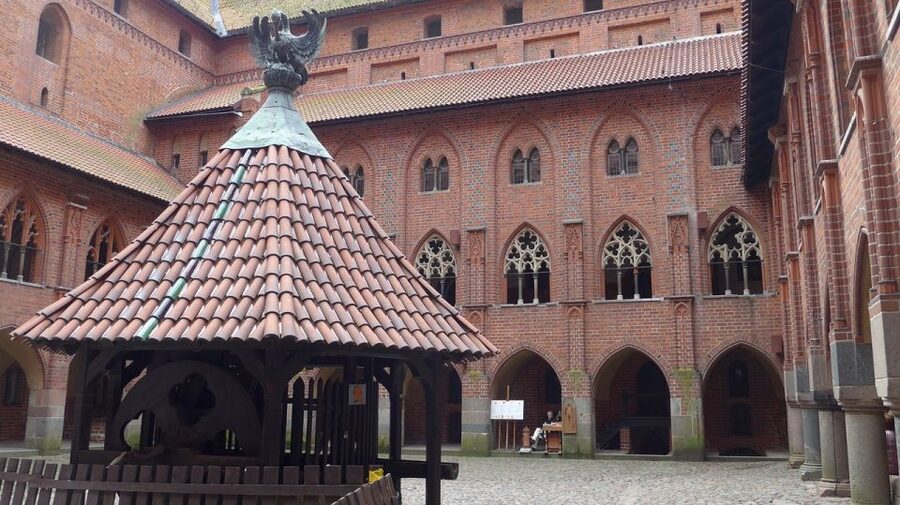
Malbork involves many stairs. That’s not a complaint—it’s the honest reality of fortress layout and interior routes. If your legs don’t like stair-heavy walking, you’ll want the right shoes and a slower pace.
Practical advice:
- Wear shoes with good traction; castle surfaces can be slippery or uneven.
- Plan to take short pauses during transitions between rooms.
- If you’re traveling with anyone who has mobility limits, this tour’s castle-focused route might be more demanding than a flatter museum.
A private guide can sometimes help manage pacing because you aren’t stuck in a rigid group shuffle. But the building’s physical design still dictates the walking.
Price and Value: What $355 Per Person Buys
Let’s talk value, because $355 per person for a private 6-hour tour isn’t a casual spend.
What you’re paying for is the full package of time and expertise:
- Pickup and drop-off from your Gdańsk-area base (Gdansk, Gdynia, or Sopot)
- A private format rather than squeezing into a mass-group pace
- Skip-the-line tickets, saving you time at arrival
- A guided 3.5-hour castle visit, not just a quick stop
- Parking fees and an English-speaking driver
When you compare this kind of service to DIY travel, the difference is predictable: you spend less effort figuring out transport and entry timing, and you spend more time understanding what you’re seeing. If you value interpretation (not just photos) and you want your day to feel organized, the price makes more sense.
If you’re a solo traveler on a tight budget, a group tour could be cheaper. But if you care about having a guide explain the Gothic stronghold, Teutonic Knights context, and medieval monastic life while you’re inside, this private approach is a strong buy.
Who This Tour Fits Best
I think this tour is ideal if you:
- Want a guided, story-driven visit to Malbork without wasting time on logistics
- Like castles but also want the history connected to the people and conflicts
- Prefer a private pace, especially when stair-heavy routes are involved
- Are visiting from Gdańsk and don’t want to wrestle with transport timing
It’s also a good option if you’re traveling with family members who enjoy being guided through major sites. Just be mindful about the number of stairs and the need for comfortable shoes.
If you prefer to wander and read at your own speed with zero structure, you might find a self-guided plan more relaxed. But if you want the fortress to make sense quickly, a guide is the multiplier.
Should You Book This Malbork Castle Private Tour?
If your goal is to get real value from a limited day, I’d say yes. The combination of skip-the-line entry, a 3.5-hour guided sightseeing block, and the focus on the Grand Masters Palace and Great Refectory makes the time count. Add in the context around monastic life and the Poland vs. Teutonic conflicts, and you’re not just collecting castle photos—you’re understanding what you’re looking at.
Book this tour if you want convenience from Gdańsk and a guide-led narrative that turns Malbork into a coherent story. Just do yourself a favor: wear proper shoes, expect stairs, and check your email the day before so you’re ready for any important updates.
FAQ
What locations do you pick up from and drop off?
Pickup and drop-off are included from your accommodation or the cruise port in Gdansk, Gdynia, or Sopot.
How long do I spend sightseeing inside Malbork Castle?
The tour includes a guided 3.5-hour visit of Malbork Castle, and that sightseeing time is guaranteed regardless of traffic.
Does the tour include skip-the-line tickets?
Yes. Skip the line tickets to Malbork Castle are included.
What’s included in the tour besides the castle visit?
The tour includes pickup and drop-off, a 3.5-hour guided tour, an English-speaking driver, skip-the-line tickets, and parking fees.
What languages are available for the live tour guide?
The live tour guide can work in English, German, Polish, Russian, Norwegian, Swedish, French, Spanish, and Italian.
What’s the cancellation policy?
You can cancel up to 24 hours in advance for a full refund.